
19th Century Salon Chair
A 19th century salon chair brings ornamental French and English elegance into a modern room through gilded frames and carved woodwork.
19th Century Salon Chair
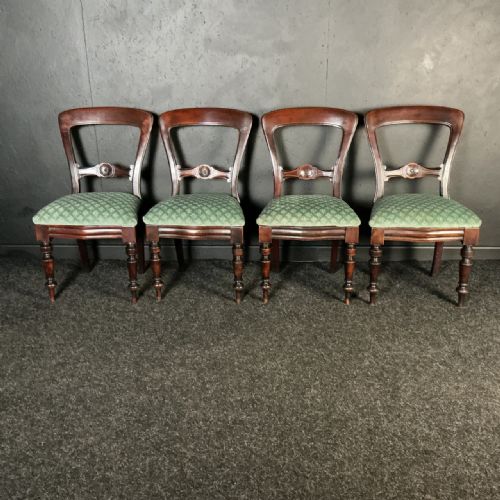
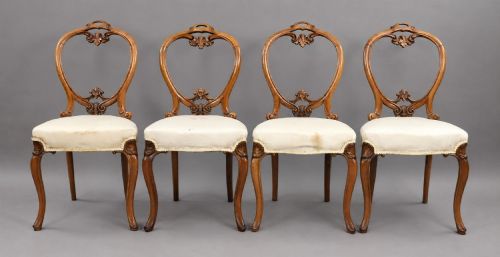
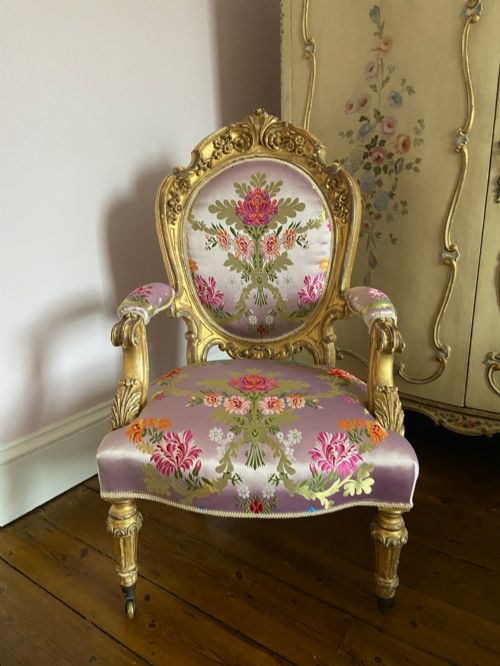
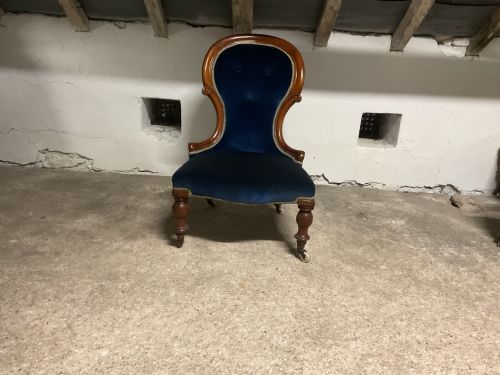
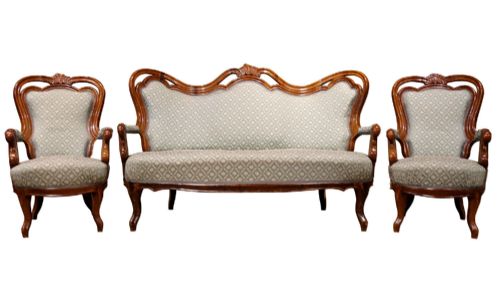
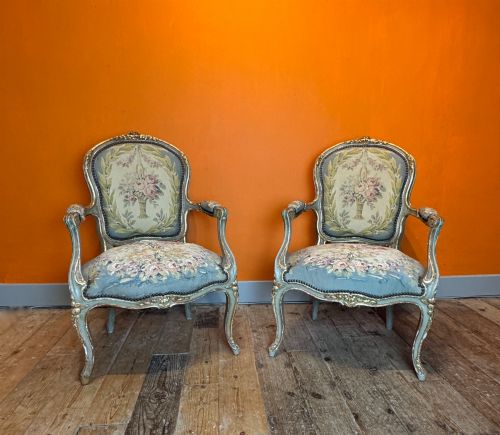
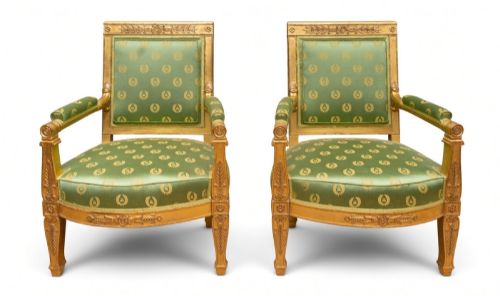
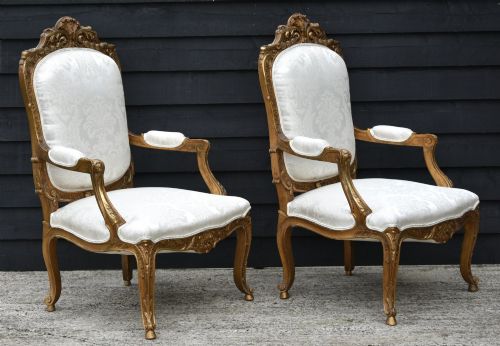
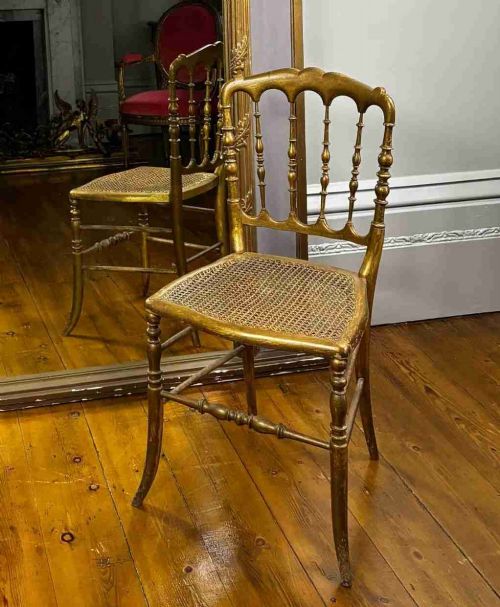
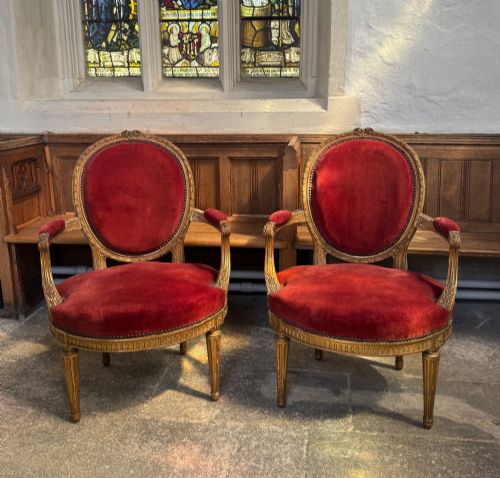
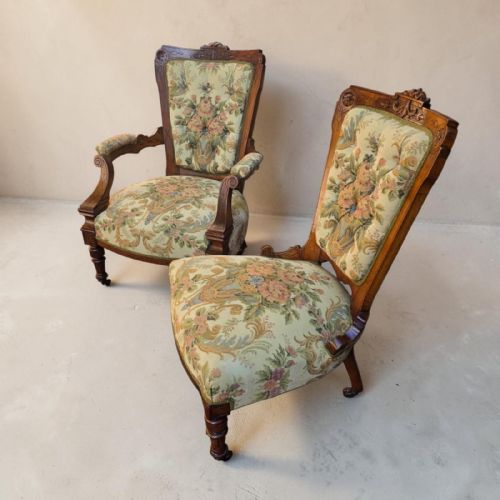
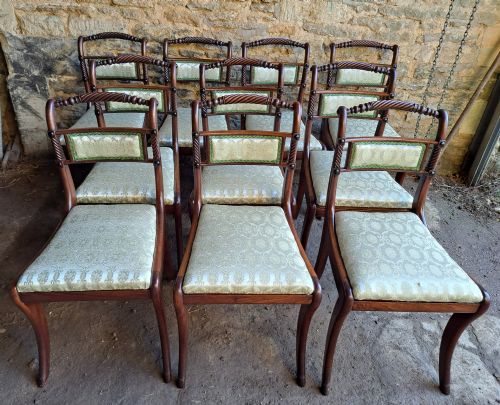
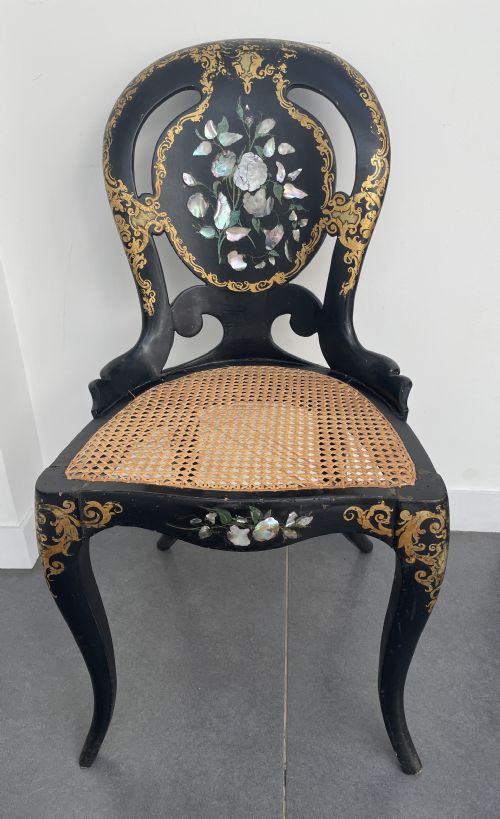
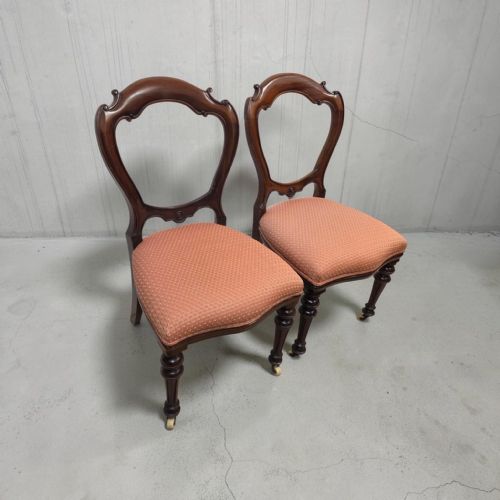
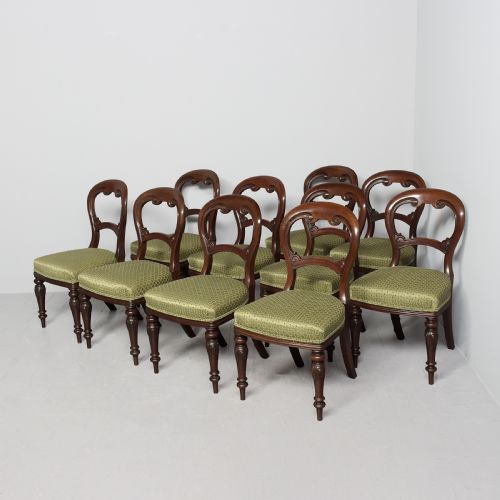
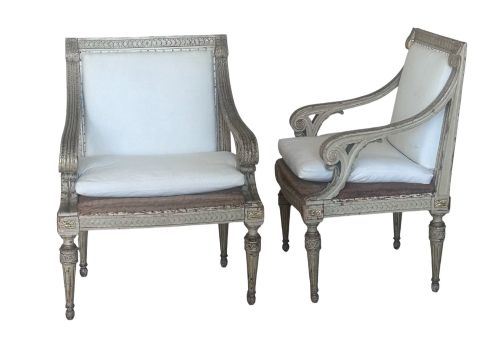
A 19th century salon chair is an occasional seat made for formal entertaining, drawing rooms, and private sitting rooms during the Victorian and Regency periods. The pieces appearing on this page span English walnut and mahogany designs alongside heavily gilded French revival armchairs.
Buyers will encounter various forms ranging from open armchairs and gilded fauteuils to balloon back side chairs and larger salon suites. Walnut and mahogany examples frequently display carved cabriole legs, while continental pieces lean toward painted finishes and ornate giltwood.
English country house models sit alongside French Louis XVI and Rococo revival pieces, showing how diverse domestic seating became across the decades. These chairs were built to complement formal reception spaces rather than for heavy everyday lounging.
How they were made
Cabinetmakers utilised dense timbers such as walnut, mahogany, rosewood, and beech to construct robust frames capable of supporting intricate hand-carved ornamentation. Giltwood and parcel gilt finishes applied over gold leaf or paint provided the characteristic sheen demanded by fashionable salons.
Upholstery techniques combined traditional stuffing with decorative textiles, velvet, silk tapestry, and woven canework inserted directly into the wooden frames. Brass or ormolu mounts and mother of pearl inlay frequently decorated the structural joints and wooden surfaces of high-status pieces.
19th Century Salon Chair Retail Price Guide 2026
Typical asking prices for 19th century salon chair among the pieces listed under this phrase on Sellingantiques today, from the lower quarter to the upper quarter. They describe what is for sale here now, not the wider market.
Children occasionally received their own diminutive gilded salon chairs for miniature entertaining.
What varies in quality
The standard of carving determines much of the visual distinction between standard production items and exhibition quality pieces. Crisp, deep relief work on walnut or giltwood frames indicates superior craftsmanship compared to shallow or machine-milled detailing.
The integrity of the original wood, the presence of matching pairs or full suites, and the survival of period textiles or canework elevate certain chairs. Signed maker pieces or documented provenance from historic makers further separate exceptional examples from ordinary stock.
Jacob Desmalter·Holland And Sons·Druce And Co
The 19th Century Salon Chair Glossary
- Fauteuil
- An open-armed upholstered armchair with exposed wooden armrests originating in France. These chairs typically feature carved frames in walnut, beech, or giltwood.
- Giltwood
- Timber treated with a thin layer of gold leaf applied over a prepared gesso surface. It defines the opulent appearance of many continental reception chairs.
- Canework
- Woven rattan or cane material used for seat panels and backrests. It provides a lightweight, decorative surface found on several French and English seating examples.
- Balloon back
- A rounded, closed wooden chair back curving outward in the shape of a balloon. This form is common on Victorian mahogany and walnut dining and side chairs.
- Parcel gilt
- Woodwork decorated with partial gilding where gold leaf highlights specific carved details against a painted or polished timber background.
19th Century Salon Chair: Frequently Asked Questions
What is a salon chair?
A salon chair is a light, decorative seat designed for formal reception rooms during the 19th century. These pieces prioritised aesthetic appeal and portability to accommodate guests during social gatherings.
Unlike heavy lounging furniture, they offered upright support and featured ornate carving, gilding, or polished wood to display the owner's taste.
Where were salon chairs used?
These chairs were placed in drawing rooms, boudoirs, and formal parlours of grand English country houses and continental townhouses. They served as occasional seating rather than primary everyday chairs.
Pairs and matching suites allowed hosts to arrange flexible seating groups around the perimeter of a reception room for conversation and music.
How do I care for antique upholstery?
Historic fabric and canework require gentle treatment, regular dusting with soft brushes, and protection from direct sunlight to prevent fading. Professional conservation is recommended for fragile silk, velvet, or tapestry coverings.
Maintaining stable indoor humidity protects both the delicate textiles and the underlying wooden framework from warping or drying out.
How can I tell French styles apart?
French revival pieces incorporate specific historic motifs, such as the curved cabriole legs and asymmetrical foliage of Rococo designs or the straight fluted legs of Louis XVI style. Makers often applied giltwood, painted finishes, or ormolu mounts to mirror these earlier royal aesthetics.
English interpretations tended to favour dark timbers like mahogany and walnut with more restrained carving, while retaining the elegant proportions of the period.