
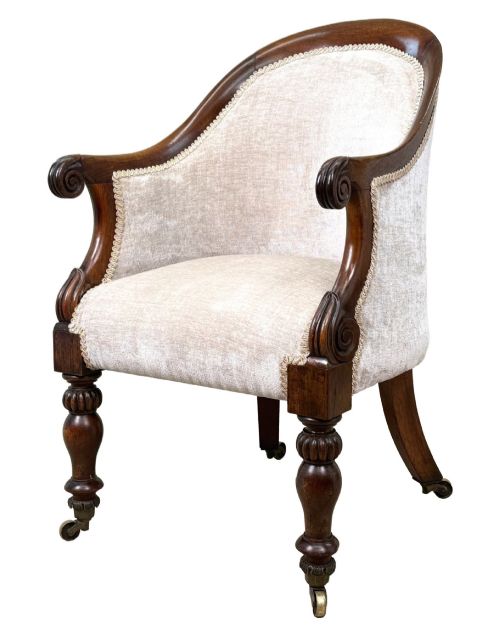
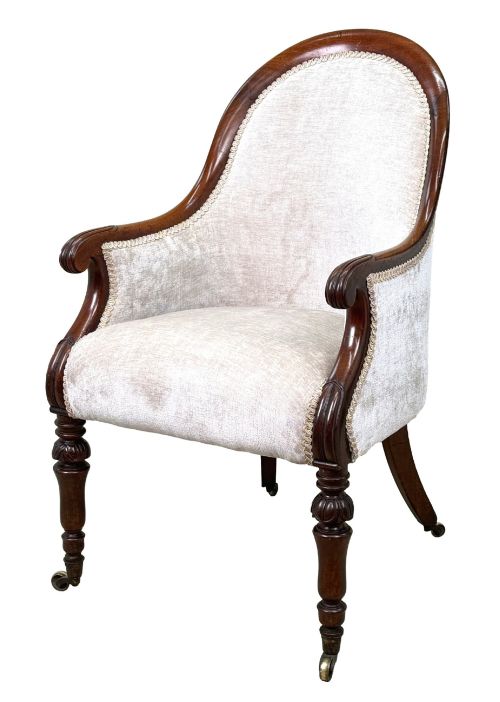
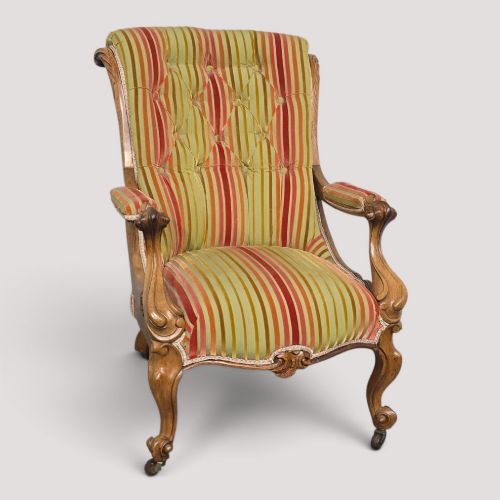

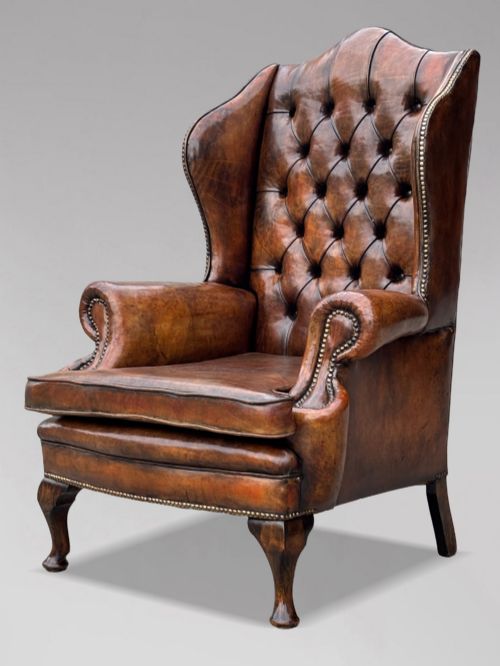
19th Century Reading Chair
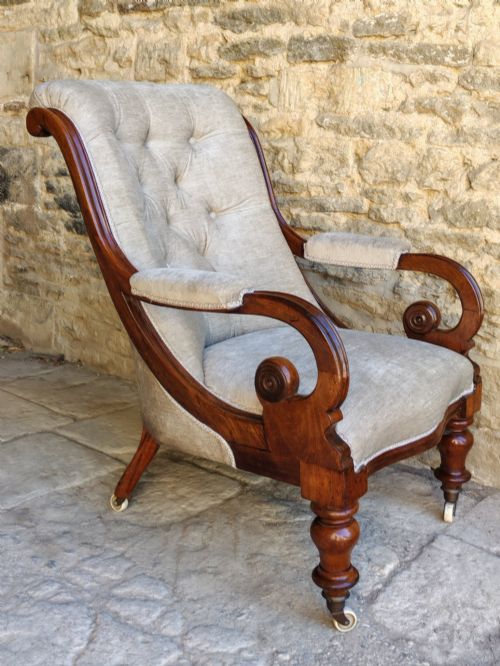
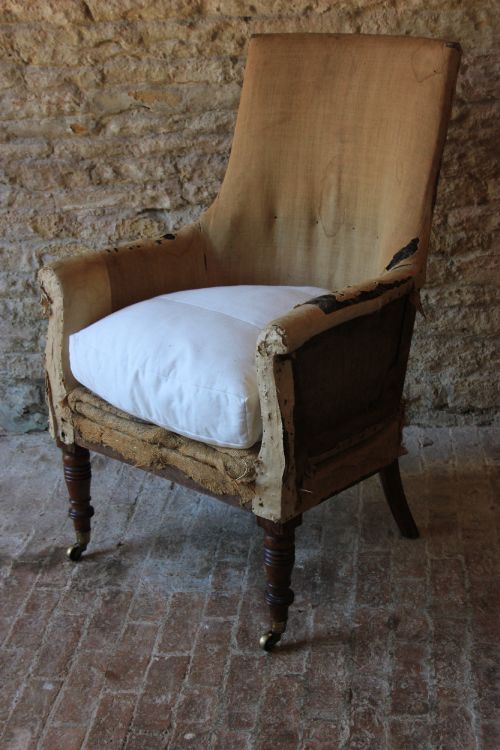
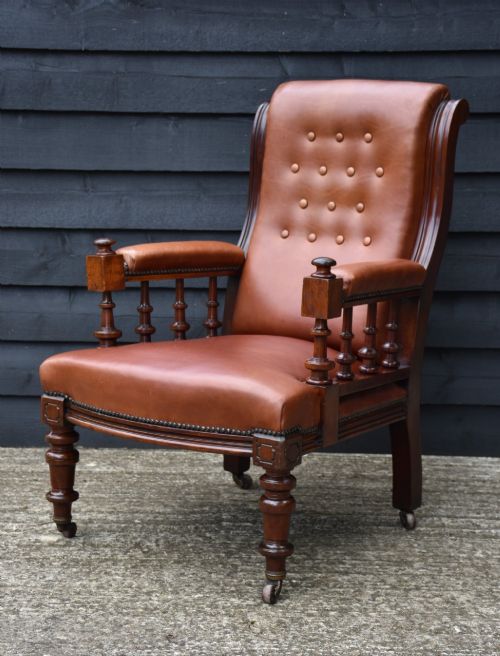
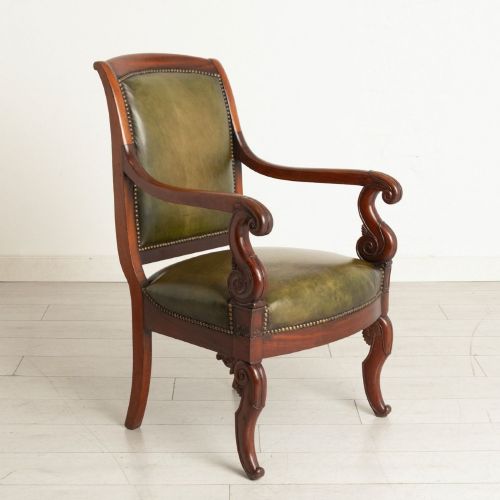
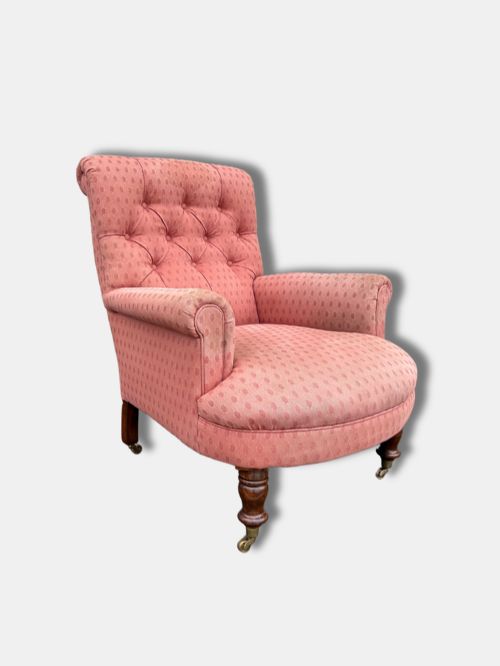
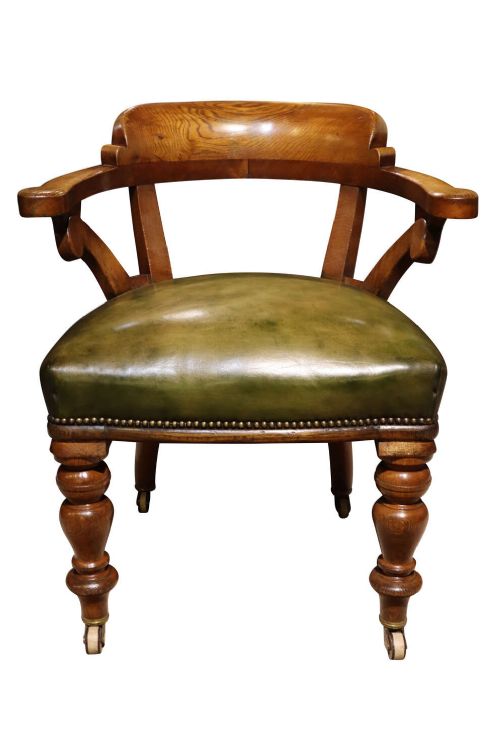
A 19th century reading chair offers generous proportions and robust timber construction, designed for long hours of quiet study.
The Form and Character of a 19th Century Reading Chair
A 19th century reading chair is fundamentally an armchair designed for comfort during extended periods of study or contemplation. The pieces appearing in these listings span the Victorian era, displaying influences from French design, Chippendale Revival, and English cabinet-making traditions.
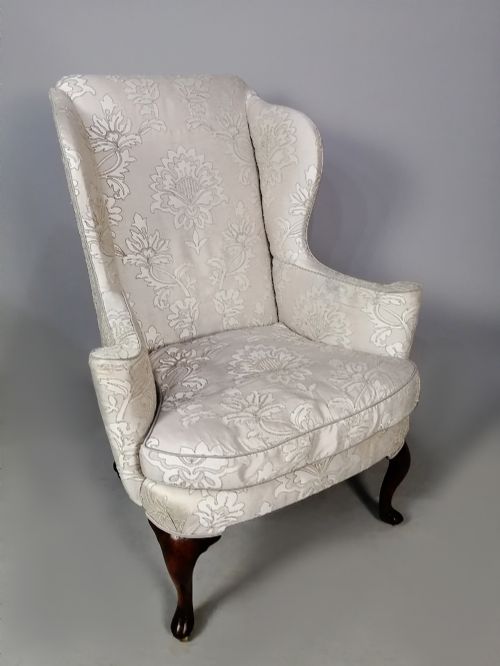
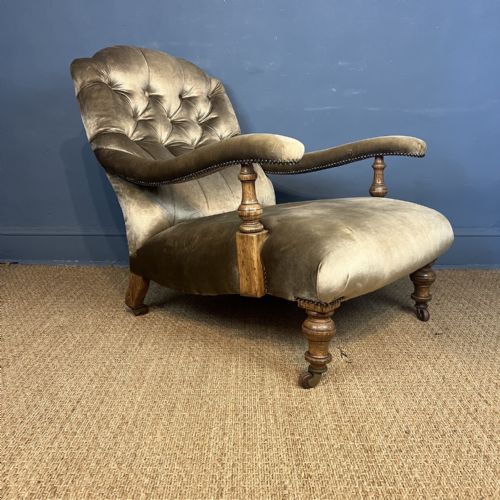
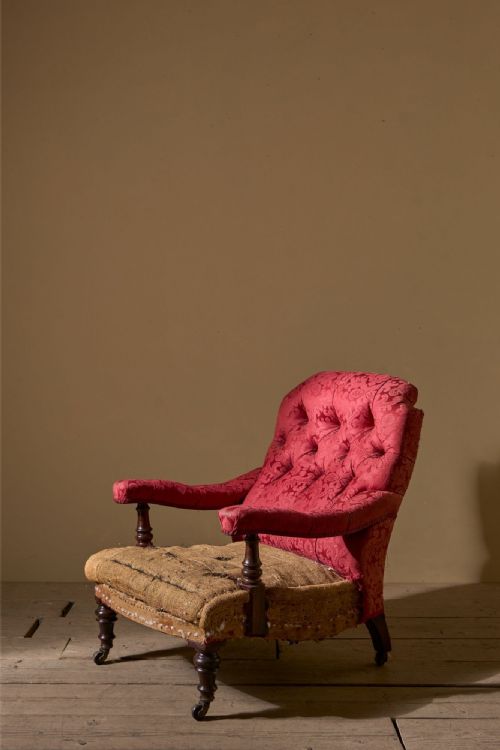
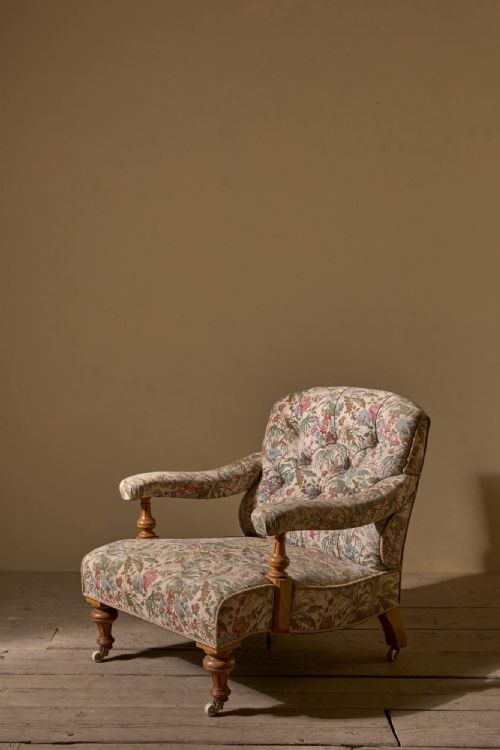
Library chairs and library armchairs form the core of what you will encounter, alongside specialised reclining variants. Forms range from open elbow chairs to high-backed seating and wingback designs intended to shield the reader from drafts.
Makers of the period adapted these chairs for various domestic and institutional settings, including desks and studies. They frequently share traits with library and desk chairs, incorporating swivel mechanisms or adjustable elements in specific examples.
Materials and Construction Methods
Frames are constructed from dense hardwoods, predominantly mahogany and rosewood, alongside walnut, oak, elm, and general timber. Inlaid details, carved woodwork, and brass hardware provide functional and decorative accents across the various styles.
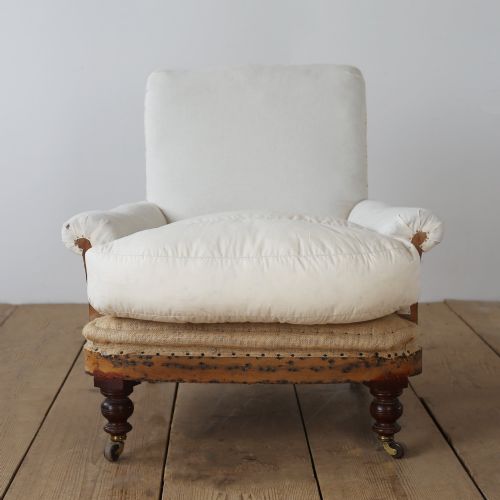
Upholstery historically relies on traditional stuffing secured by Hessian and calico foundations. Modern or historical re-covering utilises materials such as leather, velvet, and patterned textiles like Rose Cumming Sabu, often finished with studded trim.
Retail Price Guide 2026
Typical UK retail prices for 19th century reading chair, calculated from the Sellingantiques database of over a million retail prices indexed since 2003. This retail price guide relies exclusively on Sellingantiques data; no external sources or auction records are used, so the figures do not describe the wider market.
One recorded nineteenth-century reading chair came equipped with a built-in rise and fall reading table, proving that breakfast in bed had a scholarly rival.
Distinguishing Factors in Quality
The distinction between standard examples and superior pieces rests in the selection of timber and the sophistication of the frame's carving. Dense, well-figured rosewood or mahogany frames with crisp inlay demonstrate a higher level of cabinet-making skill.
Ergonomic proportions and the grace of the arm supports separate refined library seating from utilitarian forms. Superior execution is further reflected in the integrity of the joinery and the harmonious balance of open or upholstered elements.
The 19th Century Reading Chair Glossary
- Fauteuil
- An open-armed upholstered armchair of French origin, frequently referenced in nineteenth-century hybrid designs. These chairs combine continental elegance with robust English framing.
- Library chair
- A heavy, comfortable armchair specifically proportioned for reading and study. They often feature generous elbow rests and supportive high backs.
- Rise and fall
- A mechanical function allowing the chair or an attached reading surface to adjust in height. This mechanism uses brass fittings to alter the seating or writing plane.
- Wingback
- An armchair with side panels, or wings, attached to the back and arms. Originally designed to trap heat and block drafts, it remains a staple of reading furniture.
- Calico
- A plain-woven textile typically utilised as an under-upholstery layer or a neutral temporary cover. It provides a stable base before top-grade leather or velvet is applied.
Frequently Asked Questions
How do I identify a true reading chair?
Look for supportive armrests designed to hold a book and a posture suited for extended seated study. Many examples feature robust timber frames and upholstered backrests intended for prolonged use in libraries or studies.
Evidence from past and present listings shows these chairs frequently overlap with library and desk forms. The presence of specialised mechanics, such as reclining backs or height adjustment, further points to a reading chair.
What woods were used for these chairs?
Cabinet makers predominantly utilised dense hardwoods such as mahogany and rosewood for their strength and fine grain. Walnut, oak, and elm also appear frequently across nineteenth-century examples.
Inlays and brass hardware often complement these primary timbers. Some regional pieces incorporate alternative woods like alder, depending on the maker's location.
Are these chairs suitable for daily use?
Many nineteenth-century seating pieces are structurally robust enough for contemporary domestic environments. Their solid timber frames and durable joinery ensure they remain functional items of furniture.
Upholstery condition varies, with some pieces retaining antique leather while others require fresh fabric. Checking the stability of the frame and internal webbing is advisable before daily deployment.
How do French and English styles differ?
English reading chairs often emphasise sturdy mahogany frames, leather upholstery, and functional library forms. Victorian interpretations frequently adhere to traditional joinery and conservative silhouettes.
French-influenced pieces, such as Gainsborough style fauteuils, showcase more fluid lines and decorative walnut framing. These continental designs prioritize elegance alongside the required reading comfort.