



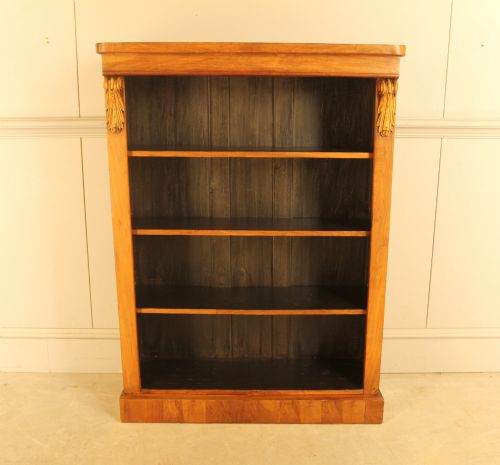
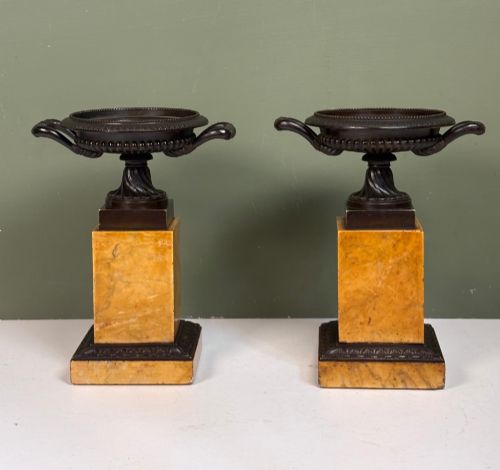
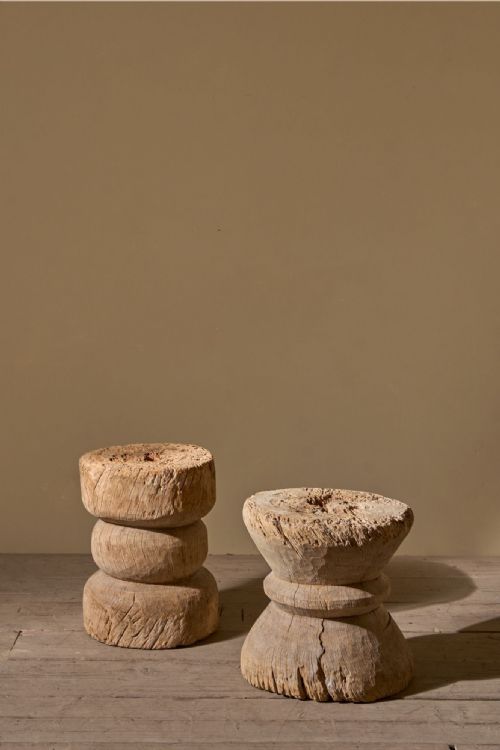
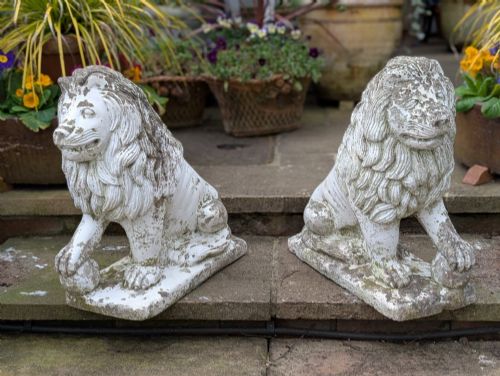

19th Century Plinth
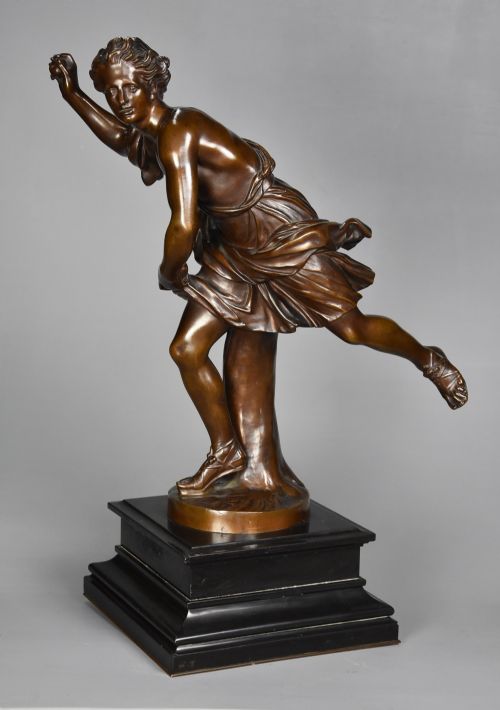
A 19th century plinth provides a classical architectural base to elevate fine bronze sculptures, urns, and decorative figures.
19th Century Plinth
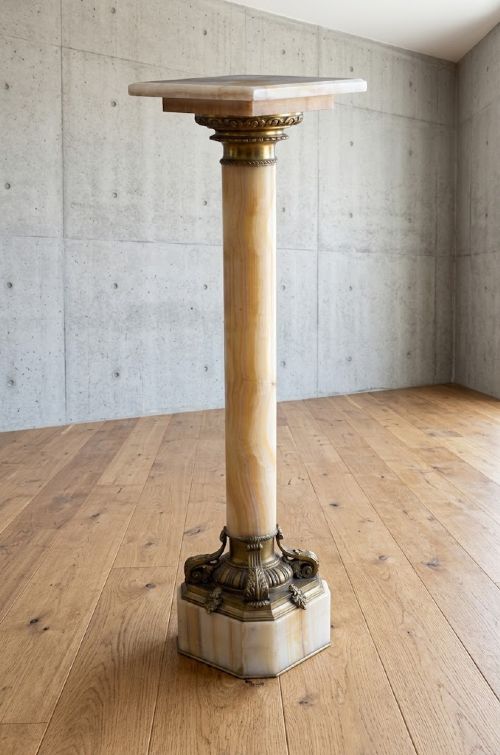
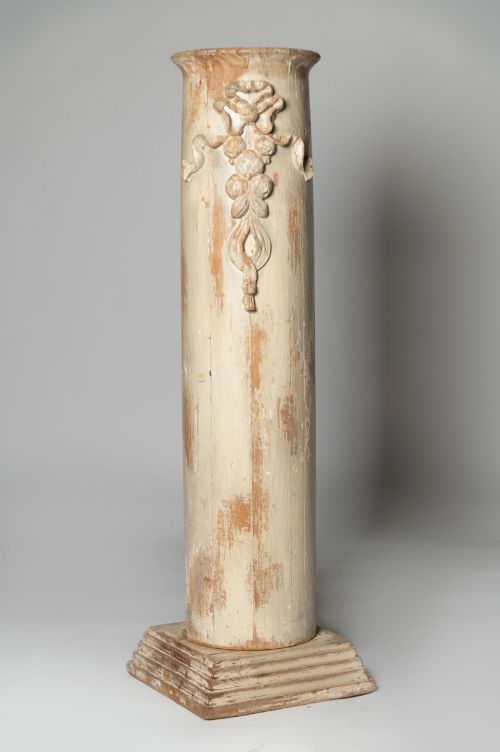
A 19th century plinth serves as an elevated support structure, frequently encountered in the form of columns, pedestals, and display bases designed for sculptural display. These pieces originate primarily from the nineteenth century, encompassing Victorian, Georgian, and various neoclassical revivals.
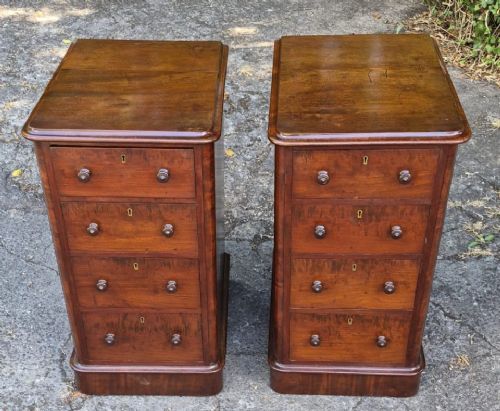
Makers and artisans constructed these sturdy supports from materials such as marble, onyx, terracotta, stone, and mahogany to hold heavier bronze figures and urns. Buyers select them to display art objects properly within domestic interiors or gardens.
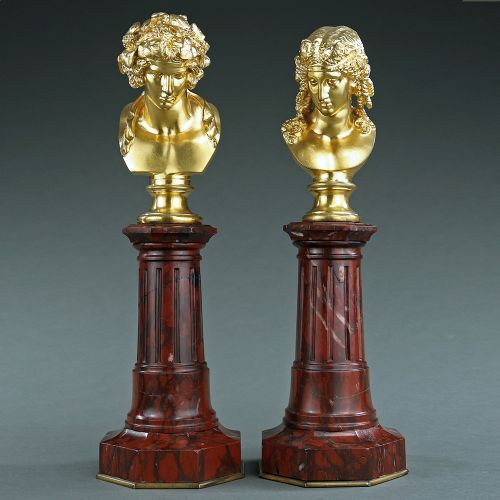
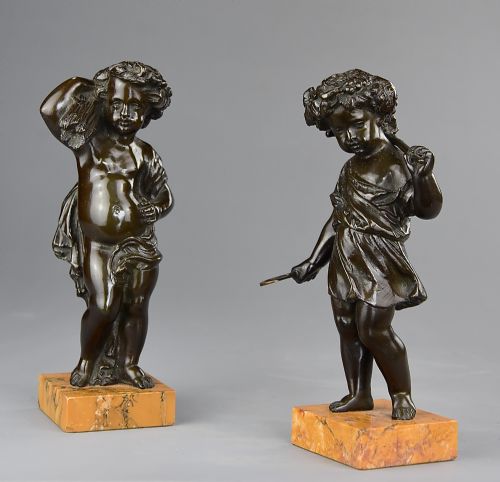
The inventory demonstrates that many plinths function independently as architectural columns or form integral base units beneath bronze sculptures and decorative vases. Their varied heights and profiles accommodate diverse display requirements for classical and animalier works.
How they were made
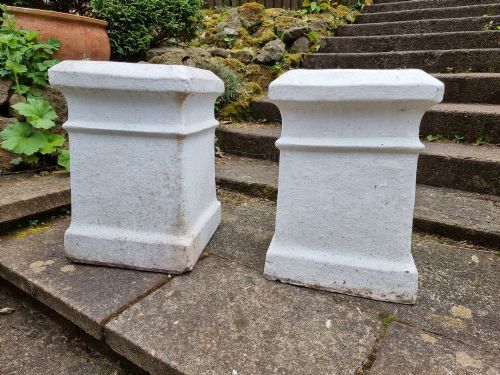
Craftsmen utilised traditional masonry, stonework, and cabinetmaking techniques to shape dense materials like marble, sandstone, onyx, and solid mahogany into steady columns and rectangular blocks. Stonework and casting methods produced robust garden plinths in terracotta, cast iron, and composite stone.
Foundries cast detailed bronze, gilt bronze, and ormolu mounts separately before attaching them to stone or marble bodies with precision. Cabinetmakers constructed timber pedestals and chests using traditional joinery methods suited to walnut and mahogany.
Several bronze storks and herons stand patiently atop marble plinths, refusing to fly away.
What varies in quality
Quality separates through the purity and selection of natural materials, such as the uniform grain of mahogany or the complex veining within decorative marbles and onyx columns. Superior examples display crisp architectural carving and securely fitted ormolu or gilt bronze collars rather than plain cast replacements.
Proportion and structural stability dictate the upper tier of the range, ensuring that taller stone or wood columns support heavy sculpture safely without listing. Finer pieces exhibit careful finishing to every visible surface, aligning classical revival details accurately with period design canons.
Carl Kauba·Barbedienne·Coustou·Claude Michael Clodion
The 19th Century Plinth Glossary
- Ormolu
- Gilt bronze ornamentation applied to furniture and stone columns. The technique involves coating bronze in a finely ground gold mercury amalgam.
- Scagliola
- A composite material made from glue, natural pigments, and selenite that imitates marble and other hard stones. Craftsmen apply and polish it to create durable decorative columns.
- Campana
- A bell-shaped garden urn or vase form originating from antiquity. These vessels frequently sit atop stone or marble plinth bases.
- Animalier
- A nineteenth-century artistic style focusing on realistic depictions of animals. Sculptures in this style frequently mount directly onto dedicated stone plinths.
- Grand Tour
- Cultural travel undertaken by wealthy Europeans to collect classical antiquities and art. Plinths and miniature bronze reductions often commemorate these journeys.
19th Century Plinth: Frequently Asked Questions
What holds up a heavy bronze sculpture?
Sculptures typically rest on dedicated marble or stone plinths designed to distribute heavy weight safely.
Heavier bronze figures require dense stone or reinforced timber columns to ensure stable upright balance.
How do I place an onyx column?
Onyx columns work best in well-lit interior spaces where light can pass through the translucent stone.
Position them away from heavy foot traffic to protect delicate ormolu collars and polished stone edges.
Are terracotta plinths for gardens?
Terracotta and cast iron plinths withstand outdoor garden environments when set upon level ground.
Composite stone and terracotta pieces develop natural weathering outdoors over extended periods.
How do I date a mahogany pedestal?
Dating relies on identifying timber grain quality, joinery methods, and prevailing architectural revival styles.
Nineteenth-century examples often incorporate classical details like fluted columns or stepped wooden bases.