


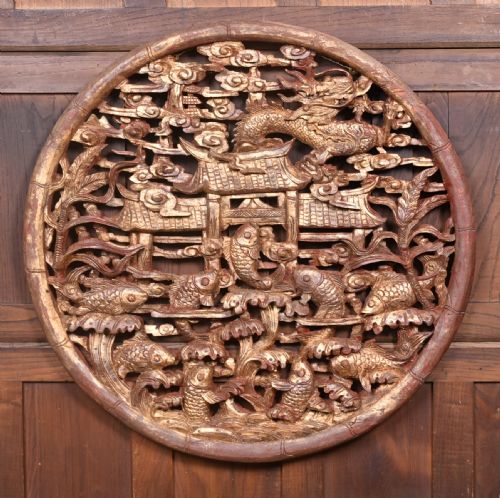


19th Century Painted Plaque
A 19th century painted plaque brings intricate miniature portraiture and classical narrative scenes into domestic interiors through durable fired ceramic and enamel mediums.
19th Century Painted Plaque
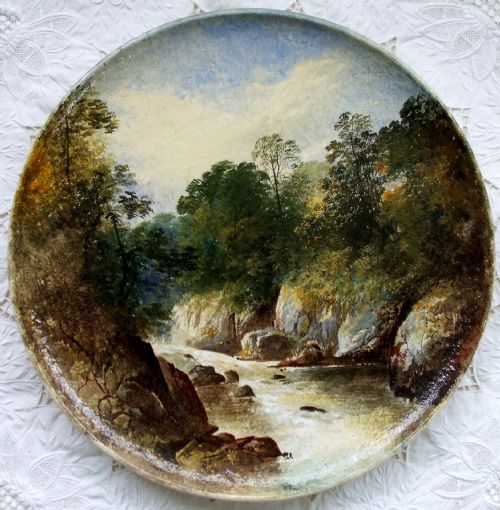
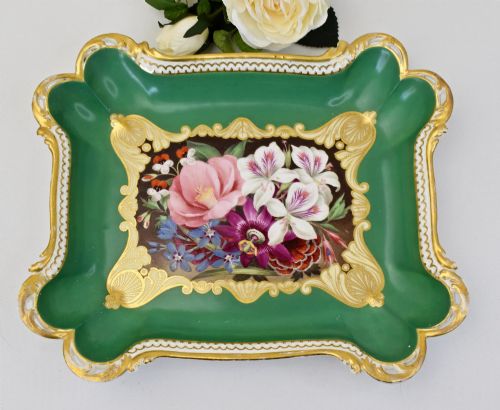
A 19th century painted plaque is an ornamental piece of wall art or a decorative ceramic panel produced across European and Asian workshops during the Victorian and preceding decades. These items take the form of porcelain cabinet plates, framed portrait miniatures, enameled surfaces, and earthenware panels depicting mythological subjects, historical narratives, or landscape views.
Buyers meeting this phrase will most frequently encounter porcelain plaques originating from continental factories such as Vienna and KPM, often rendered after Renaissance masters or classical themes. Alongside flat wall hangings, the category extends to plaques mounted directly onto wooden furniture, giltwood frames, or incorporated into decorative trays and clocks.
Materials and construction methods
The construction relies heavily on hard-paste and soft-paste porcelain, earthenware, and copper bases for enamel work, which were shaped into flat or slightly curved panels before receiving detailed hand-painted mineral pigments. Artisans applied layers of paint followed by multiple firings in kiln environments to vitrify the colours and achieve a permanent, glossy finish.
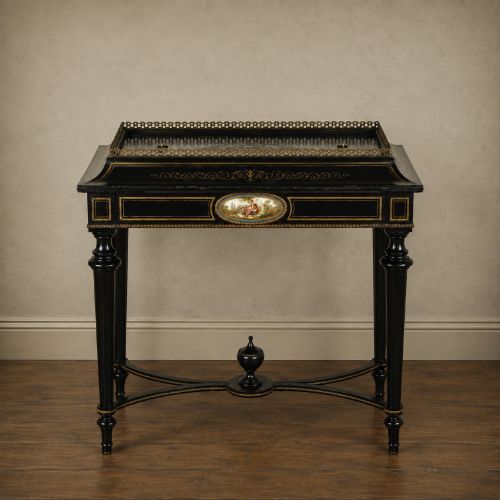
Mounting and framing utilised traditional carpentry and metalwork, enclosing ceramic panels within carved wooden frames, giltwood borders, or ebonised stands. Gold leaf was frequently applied to highlight borders, text, or specific decorative motifs within the composition.
Listings feature 19th century painted plaques executed in porcelain, enamel, earthenware, and Welsh slate, spanning forms from wall plaques to cabinet plates.
Indicators of quality and execution
Quality in a 19th century painted plaque rests primarily on the fineness of the brushwork and the precision of the figurative painting, particularly in facial expressions and anatomical proportions. Finer examples display meticulous detail executed by named artists or major manufactories, whereas lesser pieces show looser, more generic application of pigments.
The integrity of the physical medium also dictates standard, with superior pieces showing minimal firing flaws, crisp glazing, and original mounting within period giltwood or carved frames rather than later replacements.
William Yale·Doe and Rogers·H. Meeson·Samson·Henry Pierce Bone·C. Ravier
The 19th Century Painted Plaque Glossary
- Cabinet plate
- A decorative ceramic plate intended for display on a cabinet or wall rather than for dining use. These often feature elaborate painted centres.
- Enamel
- A smooth, glossy substance made by fusing powdered glass to a metallic or ceramic substrate through high-temperature firing. It provides a durable ground for miniature painting.
- Hard-paste porcelain
- A dense, durable ceramic composition fired at very high temperatures, commonly utilised by European factories for large decorative plaques.
- Giltwood
- Wood that has been coated with a thin layer of gold leaf or gold paint. It appears frequently on the decorative frames enclosing wall plaques.
- Neoclassical
- An artistic style drawing inspiration from the classical art and culture of ancient Greece and Rome. This aesthetic heavily influences the narrative subjects found on many painted plaques.
19th Century Painted Plaque: Frequently Asked Questions
Where were painted plaques displayed in nineteenth-century homes?
Nineteenth-century interiors often displayed painted plaques mounted directly onto walls as individual works of art, or inserted into the panels of cabinets, mantels, and writing tables. They served as focal points in drawing rooms and parlours.
Larger porcelain chargers and plates were typically set into specialised wooden display stands or hung in groupings alongside framed portraits and decorative mirrors.
How do you distinguish factory work from independent painting?
Factory pieces usually bear blue underglaze marks, impressed numbers, or painted factory ciphers on the reverse of the ceramic panel, indicating origin from establishments like Vienna or KPM. These marks often accompany titled subjects or cipher signatures.
Independent work or studio painting on blanks may feature individual artist signatures without standard institutional factory marks, reflecting private commission or specialised enamel workshops.
What subjects are most common on these ceramic panels?
Popular subjects draw heavily from classical mythology, religious narratives, and historical events, including scenes after Renaissance masters like Raphael. Literary adaptations and romanticized landscape views also appear frequently across European production.
Portraiture forms another major category, ranging from likenesses of historical figures and royalty to idealized romantic studies and regional folk types.
How should nineteenth-century plaques be cared for?
Care involves keeping glazed ceramic and enamel surfaces away from direct, prolonged sunlight to prevent fading of delicate mineral pigments. Dusting should be done gently with a dry, soft cloth without chemical cleaning agents.
When framed in wood or giltwood, the surrounding frame requires standard conservation appropriate for antique timber and gold leaf, ensuring structural stability of the hanging mount.