
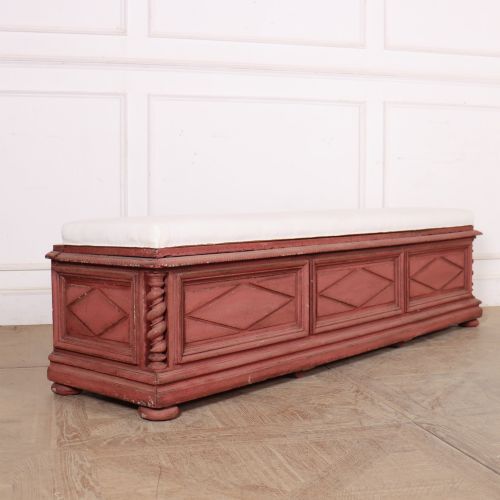

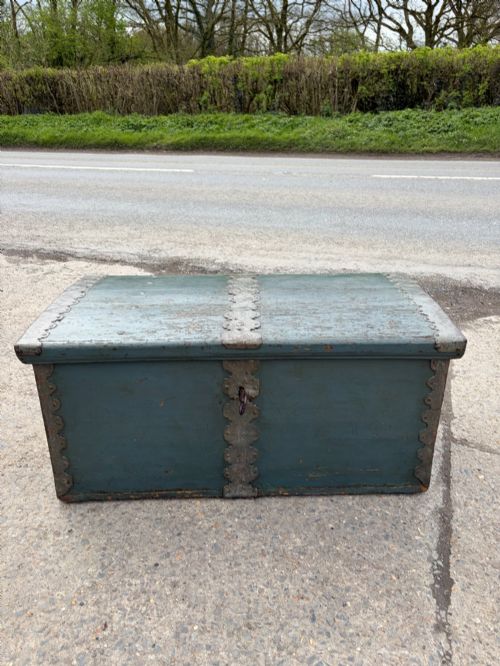


19th Century Painted Blanket Box
A 19th century painted blanket box brings durable household storage and regional folk artistry directly into a room.
19th Century Painted Blanket Box
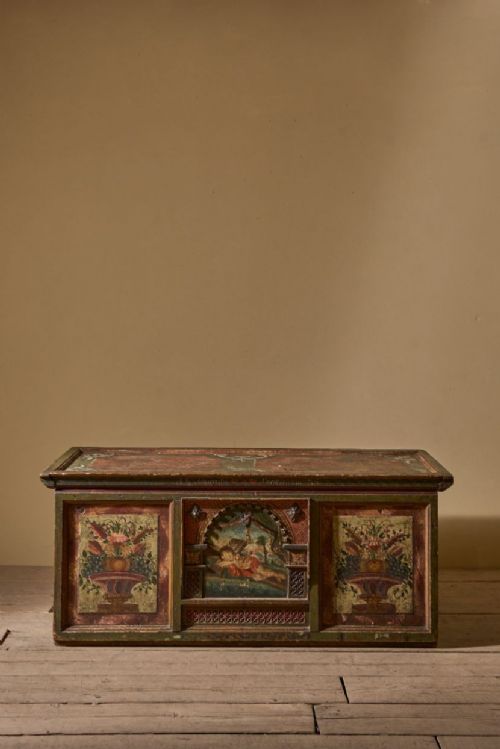
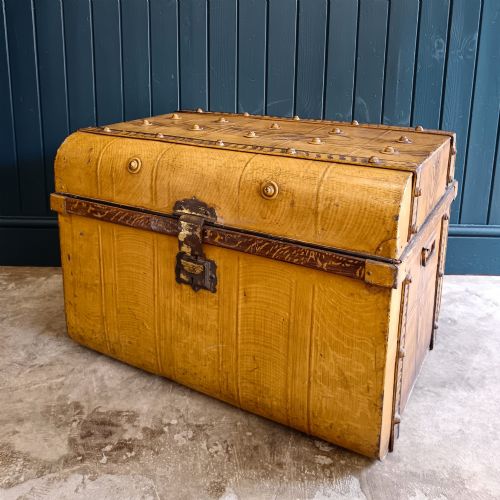
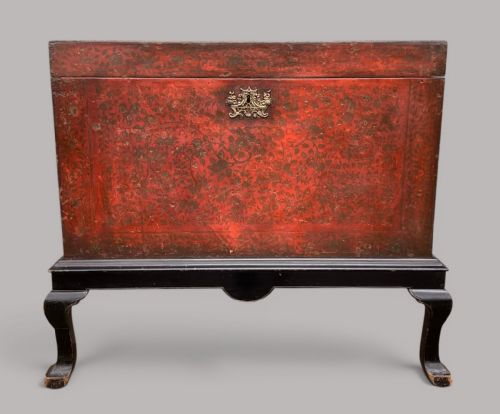
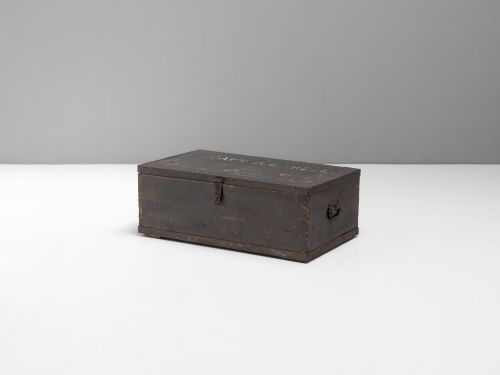
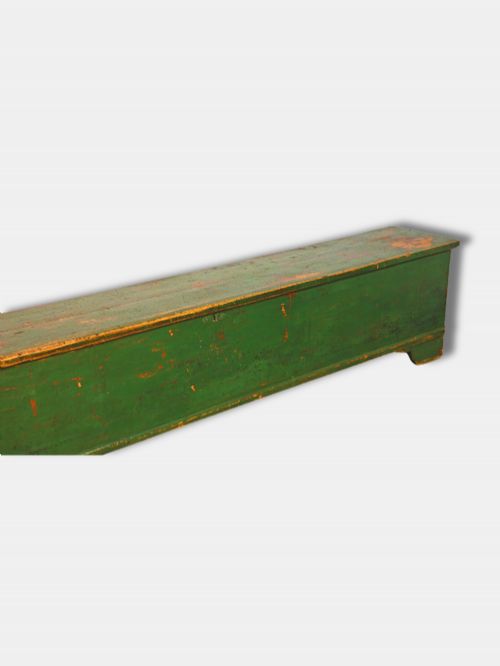
A 19th century painted blanket box encompasses sturdy pine storage trunks, dome top coffers, and marriage chests originating from European country regions, maritime settings, and trade routes. These pieces served practical domestic and travel needs, ranging from simple scumble pine utility boxes to elaborate folk-art marriage chests decorated with pigment.
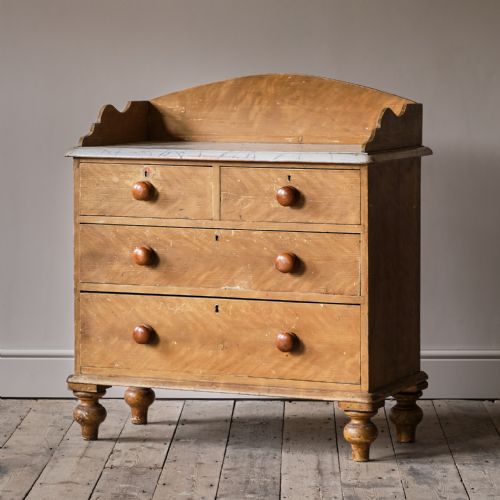
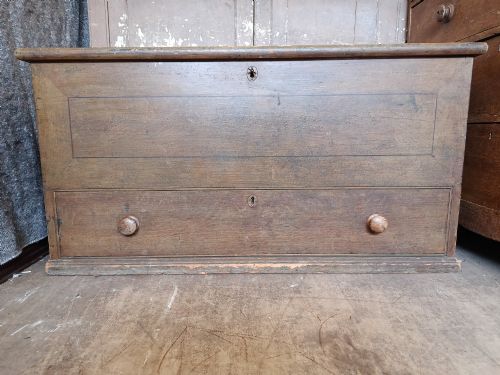
The version most commonly met on this page is the painted pine chest or coffer, often bearing traces of original pigment, scumble glaze, or regional Scandinavian and Alpine decoration. Examples span simple rustic storage boxes to larger dome top vessels and mule chests fitted with internal drawers.
Materials and construction
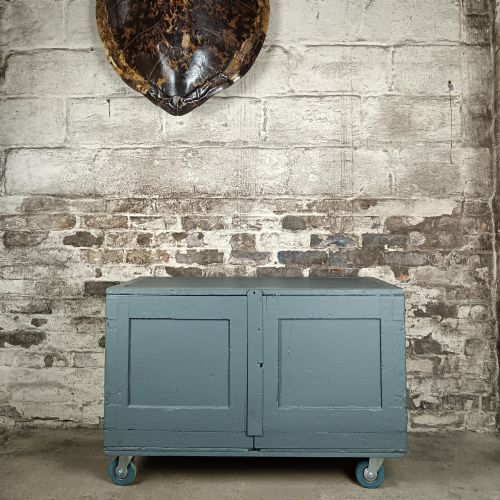
Construction relies heavily on solid pine and oak boards joined to create deep storage vessels, frequently reinforced with iron, wrought iron, or brass hardware, locks, and hinges. External surfaces received coats of paint, red lacquer, or scumble glazes designed to protect the timber and imitate finer materials or provide traditional folk decoration.
Makers utilised hand tools to shape boards and applied pigments directly to the wood, sometimes employing leather over timber frames for trade and travel trunks. Surviving pieces retain these original finishes, showing the brushwork and wear accumulated through active service.
Several marriage chests were built large enough to double as emergency seating during long Scandinavian winters.
Assessing quality
Quality rests upon the preservation of the original surface decoration, whether that is folk art motifs, scumble glaze, or lacquered pigment. Untouched painted finishes separate ordinary utility boxes from pieces carrying significant decorative and historical interest.
Structural integrity and hardware retention dictate the grade of a chest. Original wrought iron hinges, locks, and handles combined with untouched timber joinery mark the upper tier of surviving examples.
The 19th Century Painted Blanket Box Glossary
- Scumble pine
- A timber surface treatment where a translucent glaze is dragged or brushed over a lighter base coat to simulate the grain of more expensive woods.
- Marriage chest
- A large decorative box commissioned to mark a wedding, frequently inscribed with dates or initials and painted with regional folk motifs.
- Dome top
- A rounded lid construction designed to shed water during transport and increase internal storage capacity.
- Mule chest
- A storage box featuring one or more drawers built into the base beneath the main compartment.
- Coffer
- A heavy, traditional chest used historically for storing valuables, linens, and documents.
19th Century Painted Blanket Box: Frequently Asked Questions
What were blanket boxes used for?
These boxes provided secure storage for household textiles, blankets, woollens, and personal belongings in domestic settings.
Their robust construction also made them suitable for transporting possessions during travel and migration.
How do I identify original paint?
Original paint shows natural wear, craquelure, and layers that match the age of the underlying timber underneath.
Modern repainting often lacks the patina, fading, and historical consistency found on genuine period pieces.
Where did these chests originate?
Surviving examples originate from British, European, Scandinavian, and Alpine workshops, alongside global trade routes.
Regional motifs, construction methods, and timber choices often point directly to the specific area where the chest was built.
How do I care for a painted box?
Keep the chest away from direct sunlight and severe humidity fluctuations to protect both the timber and the fragile painted surface.
Dust gently with a dry cloth and avoid applying modern chemical polishes to historic paintwork.