





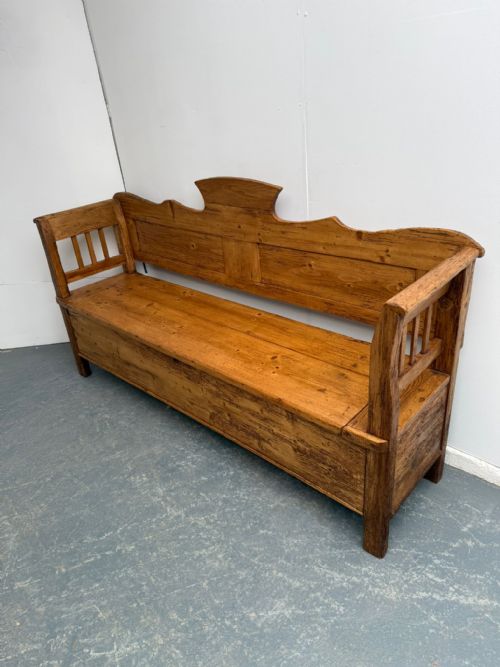

Antique Folk Art Coffer
An antique folk art coffer brings distinct hand-painted character and rustic regional charm into a home.
Understanding the Coffer
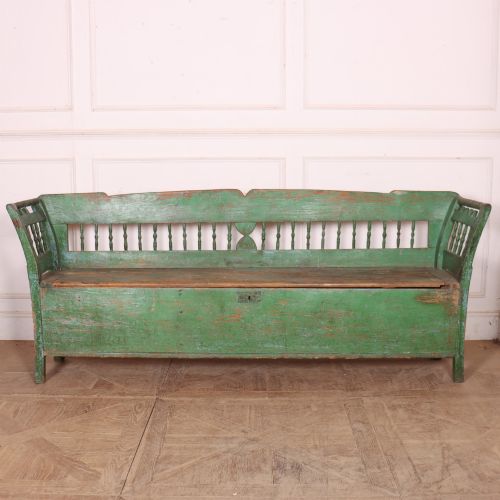
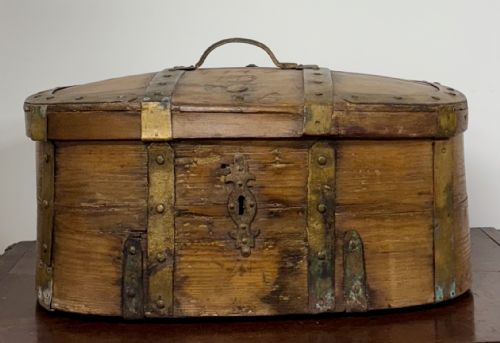
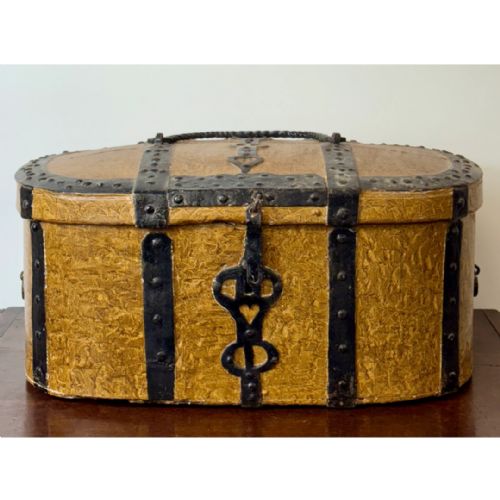
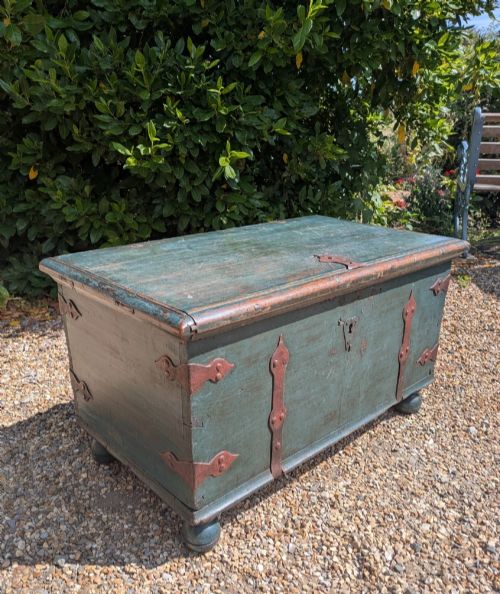
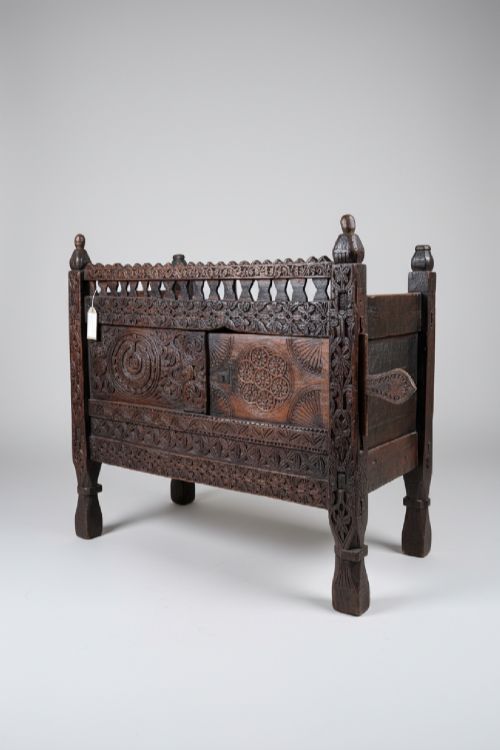
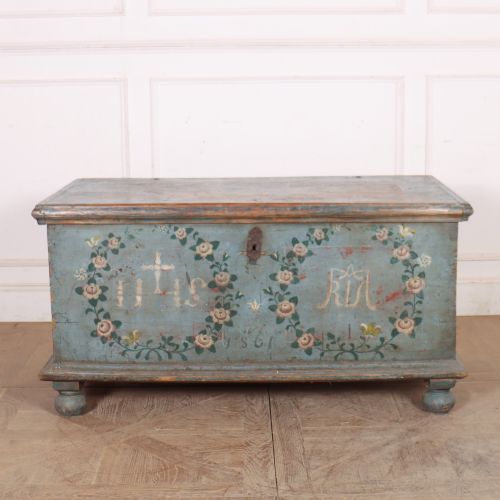
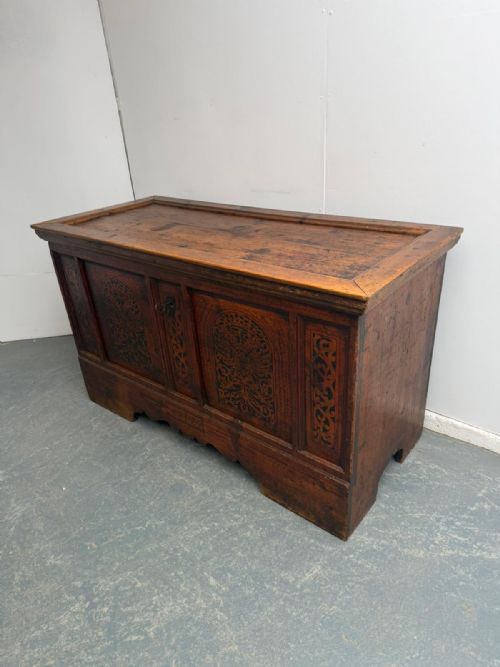
An antique folk art coffer serves as a striking storage chest or blanket box, originating from various European regions including Sweden, Hungary, and the Alpine area. These pieces range from small boxes on stands to massive marriage chests with dome tops.
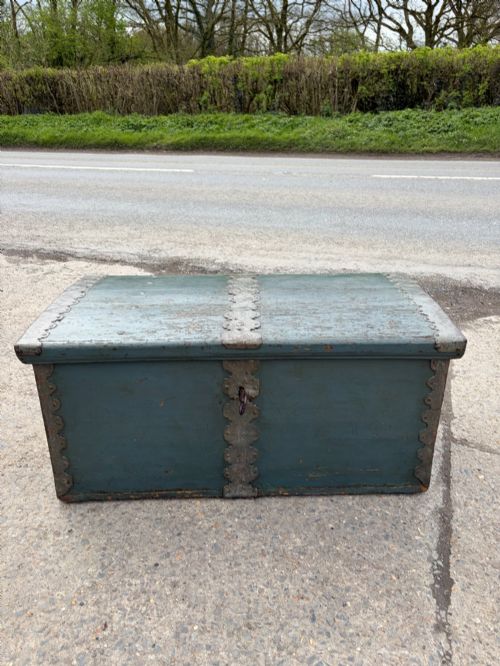
Buyers frequently encounter 19th-century pine examples featuring traditional painted decoration, alongside scarcer 18th-century and earlier continental marriage chests. The form functions practically as a box while displaying regional artistic traditions through surface decoration.
The aesthetic leans heavily into Scandinavian country, Hungarian, and Alpine folk art styles. Each piece reflects the vernacular design sensibilities of its specific local origin.
Assessing Quality
Quality rests significantly on the survival and vitality of the original painted surface. Pieces retaining their early or primary pigment without heavy modern intervention command greater appreciation among collectors.
The sophistication and complexity of the regional folk art painting elevate certain coffers above simpler utilitarian boxes. Proportion, structural integrity, and untouched regional hardware further distinguish superior examples.
Retail Price Guide 2026
Typical UK retail prices for folk art coffer, calculated from the Sellingantiques database of over a million retail prices indexed since 2003. This retail price guide relies exclusively on Sellingantiques data; no external sources or auction records are used, so the figures do not describe the wider market.
Regional styles represented include Scandinavian country, Hungarian, Alpine, and broader European folk art traditions.
The Antique Folk Art Coffer Glossary
- Cofer
- A large chest or box traditionally used for storing valuables, linen, or documents. This form underpins the primary seating and storage functions found in rural interiors.
- Marriage chest
- A special coffer commissioned or decorated to mark a wedding, frequently dated and personalized with initials or symbolic floral motifs. These pieces often served as central elements of a bride's dowry.
- Dome top
- A rounded lid construction designed to shed water and increase internal capacity. This profile appears frequently on larger regional storage chests.
- Pigment
- The raw colouring material mixed into binders to create the distinctive painted surfaces seen on folk art pieces. Natural earth and mineral components created the deep tones typical of older chests.
- Wrought iron
- Iron beaten into shape by hand to create functional hinges, brackets, and locks. The presence of original forged hardware adds authenticity to regional boxes.
Frequently Asked Questions
What is a folk art coffer?
A folk art coffer is a hand-painted wooden storage chest made within a specific regional tradition. These pieces combine utilitarian storage with local decorative painting.
They function as blanket boxes, marriage chests, or small decorative boxes reflecting rural European craftsmanship.
How were these chests used historically?
Historically, households used coffers to store textiles, clothing, valuables, and important documents. Heavy construction allowed them to double as benches or tables when necessary.
Marriage chests specifically held a bride's dowry and remained treasured family possessions passed down through generations.
Where do these painted coffers originate?
The available pieces originate from various European regions, notably Sweden, Hungary, and the Alpine territories. Each area developed distinct painting styles, colour palettes, and structural proportions.
Scandinavian and Hungarian examples form a large portion of the available regional inventory.
How do I style a coffer at home?
A coffer works effectively as a living room coffee table, a blanket box at the foot of a bed, or a standalone accent piece in a hallway. The flat top surface accommodates lamps or decorative objects while the interior conceals clutter.
Allowing the painted surface to stand out against neutral walls highlights the folk art details.
How can I tell the age of a painted chest?
Dating relies on examining construction methods, timber characteristics, and the wear patterns of the paint layers. Earlier pieces from the 18th century often display deeper patination and hand-forged ironwork.
Comparing regional styles and decorative motifs helps narrow down the period and geographical origin.