



19th Century Overmantel
A 19th century overmantel anchors a chimney breast with scale and reflection, bringing period presence to a room.
Period and Form
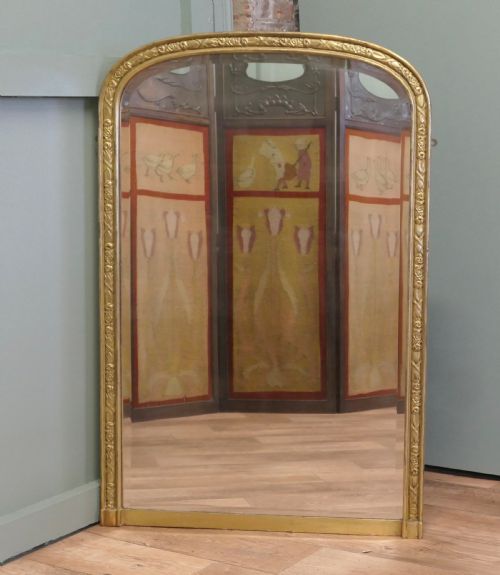
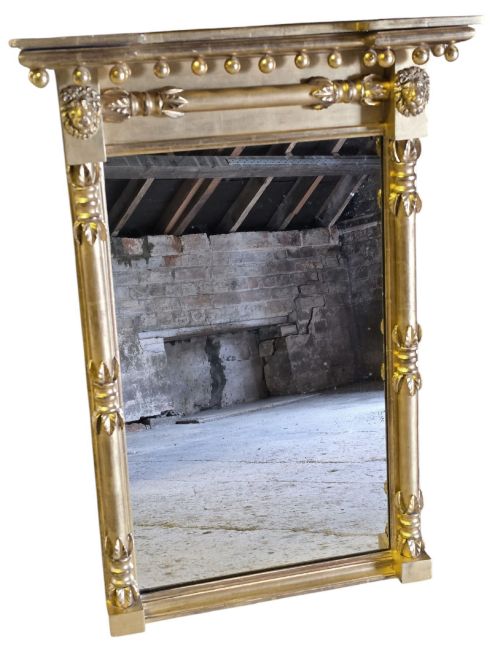
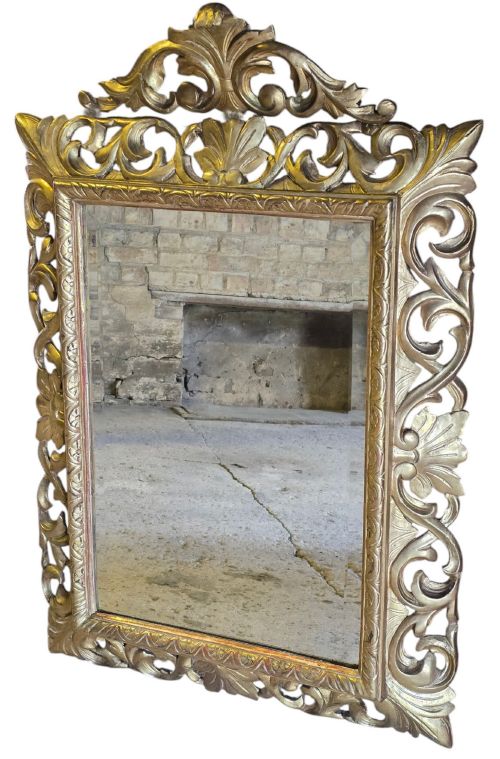
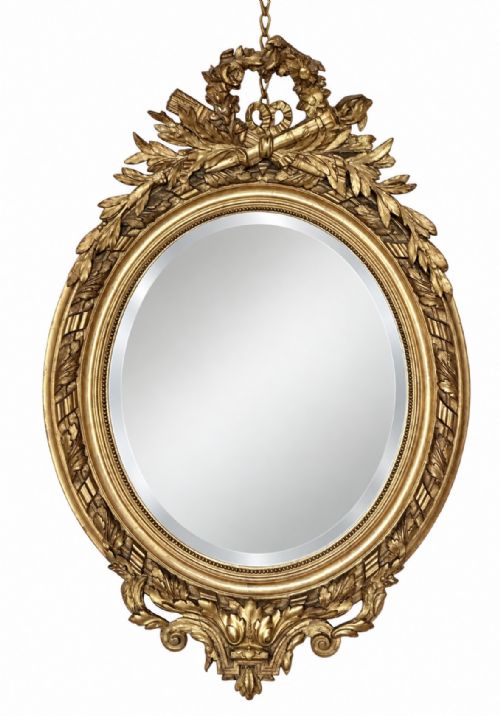
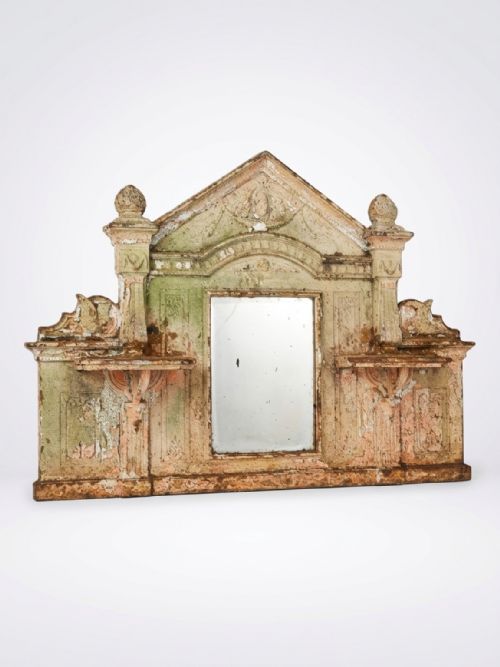
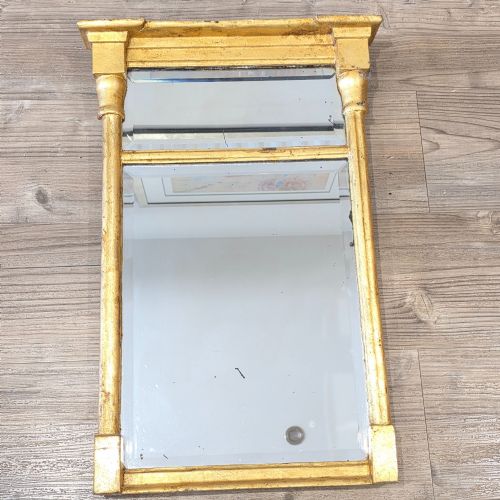
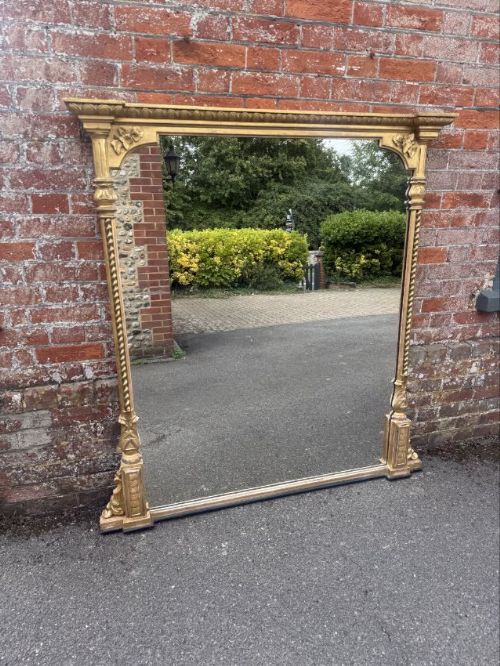
A 19th century overmantel is a large mirror designed to sit directly above a fireplace mantelpiece, drawing the eye upward and reflecting light across the interior. The selections available encompass Victorian, Grand Regency, and French Chateau styles, alongside specific iterations such as the Florentine and Adam styles.
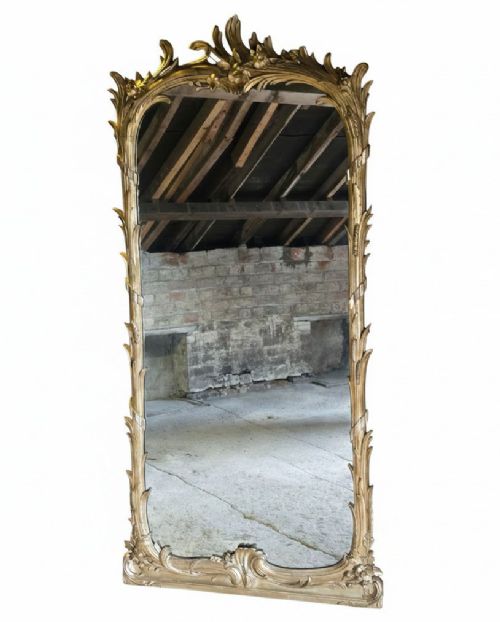
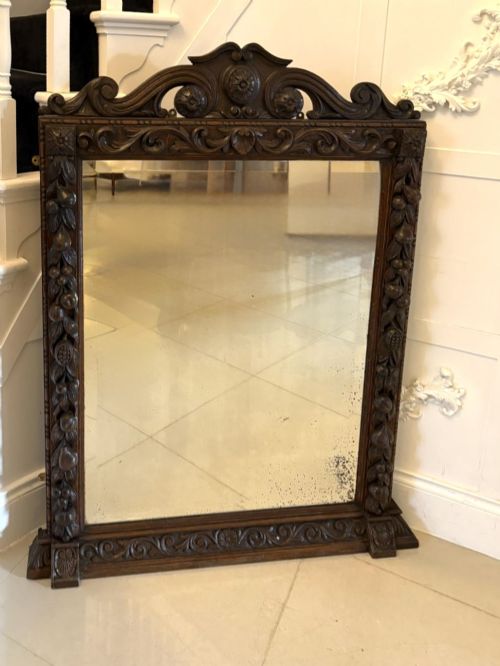
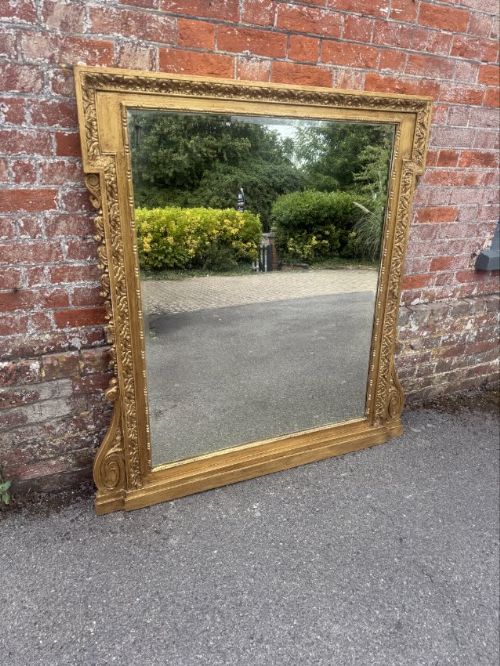
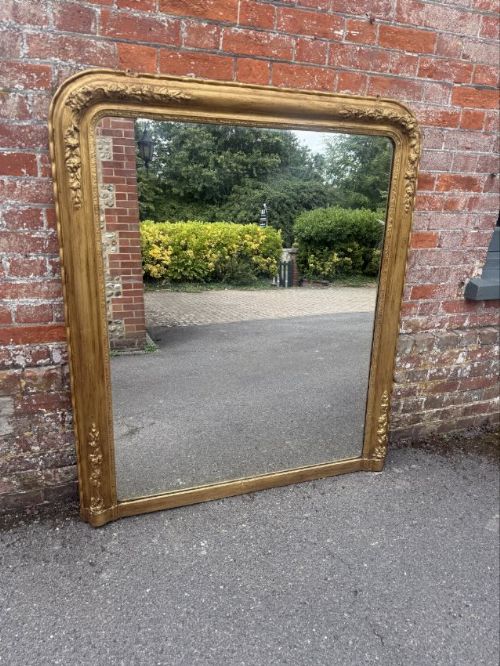
The dominant form is the large architectural mirror, frequently featuring an arched or shaped top designed to follow the curve of a chimney breast or ceiling line. Variations include rectangular formats, oval shapes, and square reeded designs, providing options tailored to different proportions of Victorian and period fireplaces.
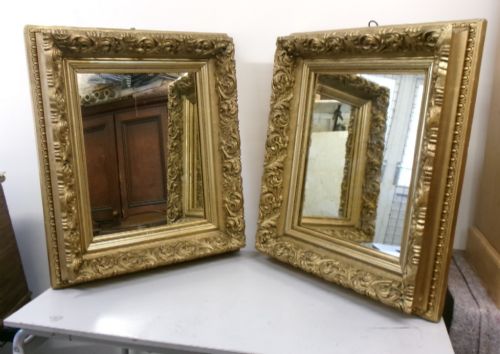
Many examples utilise extensive gilding or painted wooden surfaces to project architectural presence. These large statement frames serve as the visual centrepiece of a reception room, exactly as they did in nineteenth-century domestic interiors.
Materials and Technique
Makers constructed the foundational frames from timber such as mahogany and various softwoods, often applying layers of gesso to build up intricate surface ornamentation. Gilding was achieved by applying gold leaf over the prepared gesso base, creating the reflective metallic surfaces characteristic of these large mirrors.
Carved wooden decoration frequently defines the borders, incorporating floral motifs, scrolls, and tulip frames into the woodwork. Alternatively, surfaces appear painted, ebonised, or finished in gold leaf, paired with heavy glass plates suited to the grand scale of an overmantel.
Retail Price Guide 2026
Typical UK retail prices for 19th century overmantel, calculated from the Sellingantiques database of over a million retail prices indexed since 2003. This retail price guide relies exclusively on Sellingantiques data; no external sources or auction records are used, so the figures do not describe the wider market.
Several pieces feature tulip frames, bringing botanical whimsy to heavy Victorian fireplaces.
Evaluating the Pieces
The standard of a 19th century overmantel rests upon the depth and crispness of the carved wood and gesso ornamentation. Master carvers produced deeply undercut foliage and balanced proportions that hold the eye, whereas lesser examples rely on simpler moulding and shallower relief.
The integrity of the original gold leaf or painted finish dictates the visual impact of the piece. Untouched gilding with natural ageing demonstrates greater fidelity to period manufacture than unsympathetic later overpainting, preserving the character intended by the nineteenth-century maker.
The 19th Century Overmantel Glossary
- Overmantel
- A mirror specifically proportioned to hang on the wall directly above a mantelpiece. These pieces often feature wide horizontal or vertical dimensions to balance the fireplace below.
- Gesso
- A plaster-like mixture applied to wood frames to create a smooth surface for gilding or deep relief carving. It allows crisp, ornate details to be modelled onto the frame.
- Giltwood
- Timber that has been coated with gold leaf or gold paint. This finish catches candlelight and natural illumination in a period room.
- Reeded
- A decorative moulding formed of parallel convex strips resembling parallel reeds. This technique provides geometric texture to square mirror frames.
- Ebonised
- Wood finished to resemble ebony through staining or painting. This dark treatment offers a strong contrast to gilt highlights on nineteenth-century frames.
Frequently Asked Questions
Where should an overmantel be hung?
An overmantel belongs directly above a fireplace mantelpiece, resting at a height that anchors the hearth visually within the room.
Traditionally, these large mirrors sit low enough to reflect the interior space rather than the ceiling, creating an open atmosphere.
How do I identify a Victorian overmantel?
Victorian examples often display heavy carved wood and gesso frames with arched or shaped tops, frequently finished in gold leaf.
They appear alongside styles reflecting earlier Regency or French Chateau influences popular during the nineteenth century.
Were these mirrors meant to be fixed to the wall?
Most nineteenth-century overmantels were heavy architectural fixtures secured directly to the wall above the fireplace structure.
Their substantial weight required sturdy fixings to support the combination of thick wood, gesso, and large glass plates safely.
What is the difference between an overmantel and a wall mirror?
An overmantel is specifically proportioned in width and height to complement the span of a fireplace breast.
Standard wall mirrors lack this specific architectural relationship to hearths and mantel furniture.