


19th Century Orientalist Art
Nineteenth century orientalist art captures distant landscapes, vibrant street scenes and distinct regional figures through paintings, sculptures and works on paper.
19th Century Orientalist Art
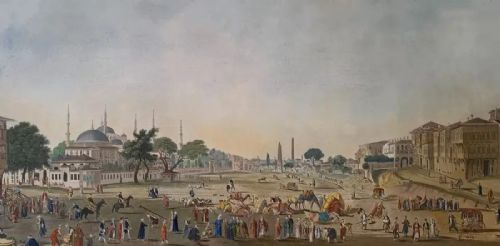
Nineteenth century orientalist art encompasses oil paintings, watercolours, bronze sculptures and prints created during the Victorian era and across the decades of the eighteen hundreds. These pieces document North Africa, the Middle East, and parts of Asia through the eyes of European and international artists who travelled or drew inspiration from those regions.
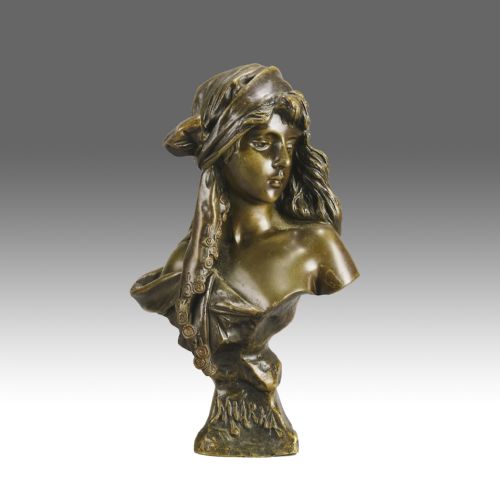
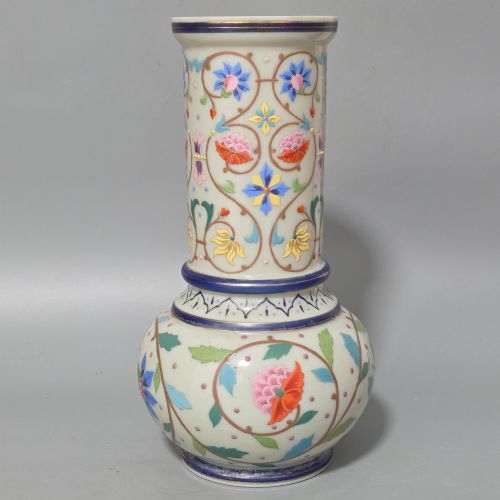
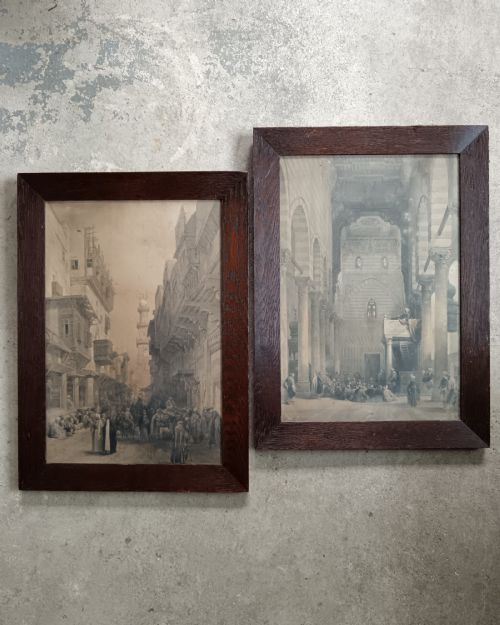
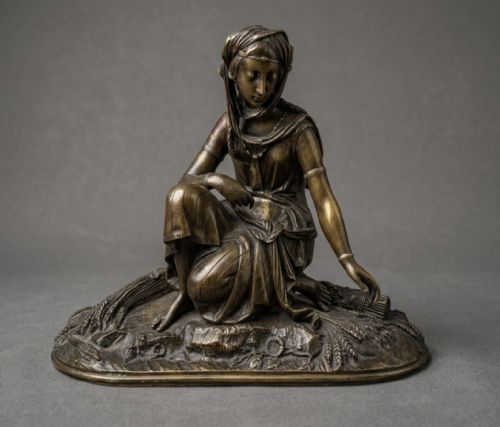
The objects most frequently met on this page include framed watercolours, oil paintings on canvas, and bronze portrait busts or figurative sculptures. Lithographs and engravings after notable travellers also appear alongside decorative items like glass vases and embroidered textiles.
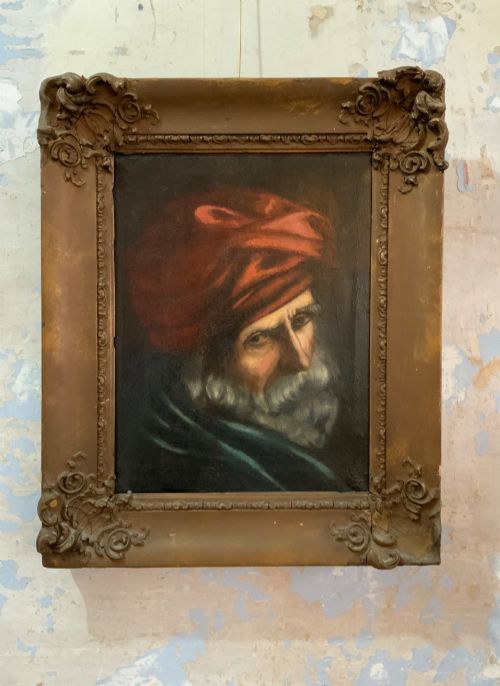
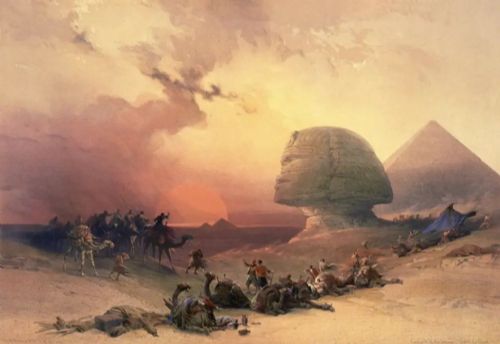
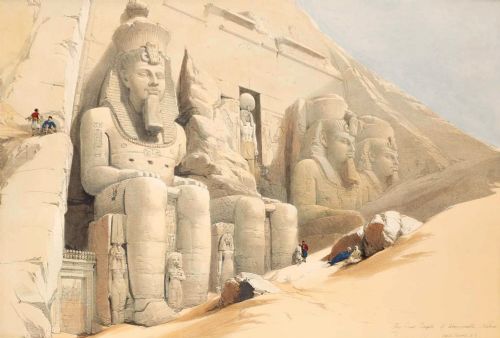
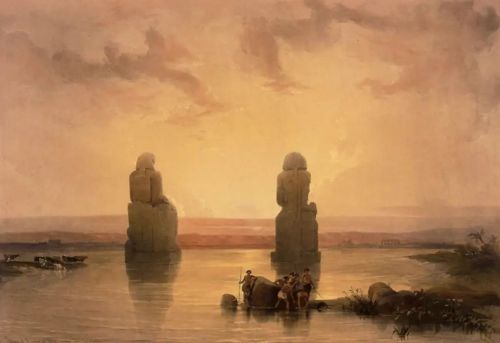
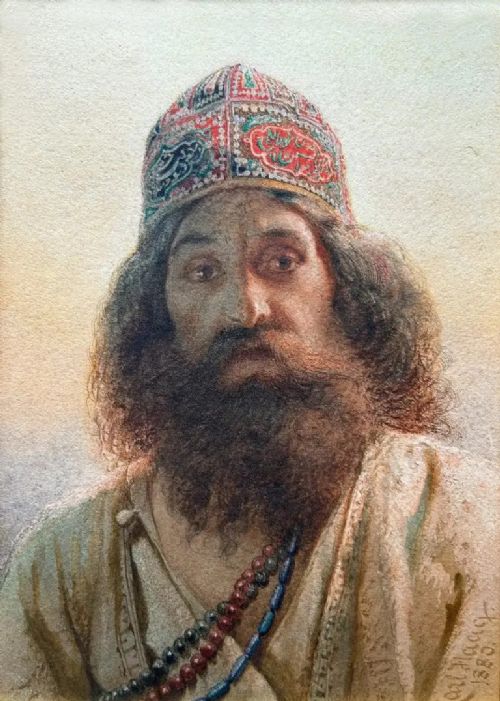
Makers and subjects range from detailed architectural studies of monuments in Egypt and Constantinople to intimate character portraits of gentlemen, merchants and dancers. The style merges academic realism with a fascination for foreign light, colour and costume.
How They Were Made
Works on paper utilise watercolour, charcoal, ink and pastel, often heightened with gouache or gold leaf to capture intense desert light and intricate textile patterns. Canvases receive oil paints applied with academic precision to render fabrics, skin tones and ancient stonework accurately.
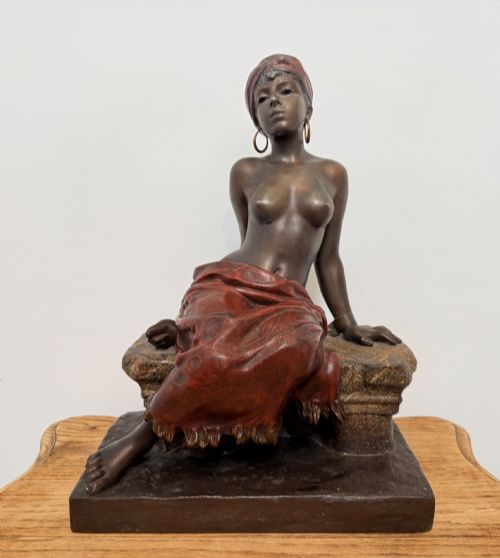
Sculptures are cast in bronze using the lost-wax method, capturing fine details in drapery, hair and facial expression before receiving varied patination. Glass items and ceramic tiles employ period enamelling and lithographic transfer techniques for rich surface decoration.
19th Century Orientalist Art Retail Price Guide 2026
Typical asking prices for 19th century orientalist art among the pieces listed under this phrase on Sellingantiques today, from the lower quarter to the upper quarter. They describe what is for sale here now, not the wider market.
Listings combine works on paper, oil paintings, and bronze sculptures from the nineteenth century alongside decorative glass and embroidered textiles.
What Varies in Quality
Quality rests upon the artist's command of anatomy, perspective and light, alongside the crispness of the bronze casting or the preservation of pigment on paper. Pieces by documented artists and academics exhibit superior draftsmanship and deeper observation of local culture.
Material longevity and finishing also dictate standard, where fine framing, clear signatures, and undamaged patination or surface glaze elevate a piece above unsigned or mass-produced decorative works.
David Roberts·Emmanuel Villanis·Edouard Drouot·Edwin Lord Weeks·Pierre Jules Mene·Arthur Waagen
The 19th Century Orientalist Art Glossary
- Lithography
- A planographic printing process using a flat stone or metal plate to reproduce fine graphic art and book illustrations. This technique allowed artists to publish detailed travel folios for wider audiences.
- Patina
- The surface sheen or colour alteration developed on bronze sculptures over time or through chemical treatment. A good patina enhances the depth and tactile quality of metalwork.
- Gouache
- An opaque watercolour paint that dries to a matte finish and provides strong highlights. It is frequently seen in works on paper to depict bright fabrics and sunlit walls.
- Orientalism
- The imitation or depiction of aspects of Eastern cultures by Western artists, writers and designers. This movement flourished throughout the Victorian period.
- Autochrome
- An early colour photography process invented by the Lumière brothers using dyed starch grains. These fragile glass plates capture early twentieth century scenes in soft, luminous hues.
19th Century Orientalist Art: Frequently Asked Questions
What subjects appear in these paintings?
Artists focused heavily on bustling street scenes, desert caravans, ancient monuments, and individual portraits of local inhabitants in traditional attire. Architectural studies of mosques, temples and public squares also feature prominently.
These depictions reflect contemporary European curiosity about distant geographies, daily life, and historical antiquities across North Africa and the Middle East.
How do I identify a bronze cast?
Bronze sculptures from this era typically exhibit a heavy weight, distinct foundry marks, and a rich chemical patination rather than simple paint. Examination of the underside often reveals casting seams or threaded bolts appropriate to nineteenth-century methods.
Signatures incised directly into the metal base usually point to known sculptors working in French or British foundries.
How should I care for watercolours?
Watercolours and drawings on paper require protection from direct sunlight to prevent fading of sensitive pigments and yellowing of the paper support. Framing should utilise acid-free mounts and UV-filtering glass to ensure long-term preservation.
Maintaining stable indoor humidity prevents cockling of the paper and protects against mould growth in older frames.
Are these pieces signed by the artist?
Many works on canvas and bronze sculptures bear artist signatures, foundry stamps, or inscriptions noting specific locations and dates. Unsigned pieces do appear, particularly in studies, decorative objects, and anonymous watercolours.
Documentation, stylistic comparison, and framing labels often help attribute unsigned works to particular decades or schools of practice.