




Middle Eastern Landscape Artwork
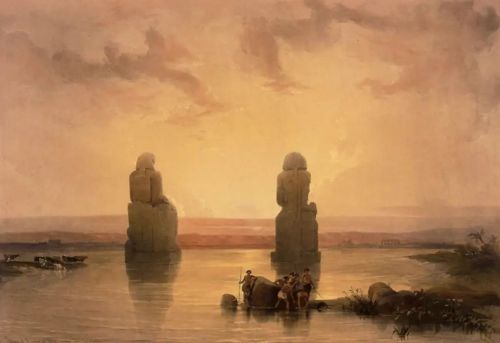
Middle Eastern landscape artwork captures distant vistas and desert scenes, offering collectors a window into historical horizons.
Middle Eastern Landscape Artwork
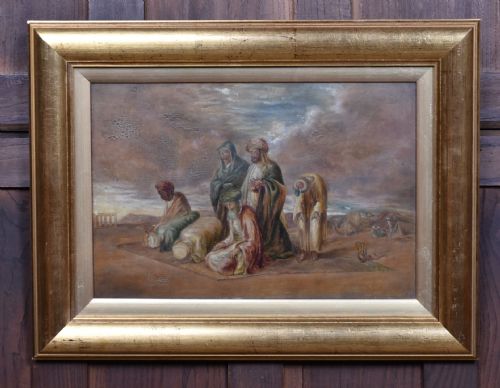
Middle Eastern landscape artwork encompasses framed watercolours, gouache paintings, and oil on canvas scenes originating from various periods including the nineteenth century and the mid-twentieth century. These pieces frequently depict desert views, river scenes, and architectural vistas associated with Orientalist and modern regional traditions.
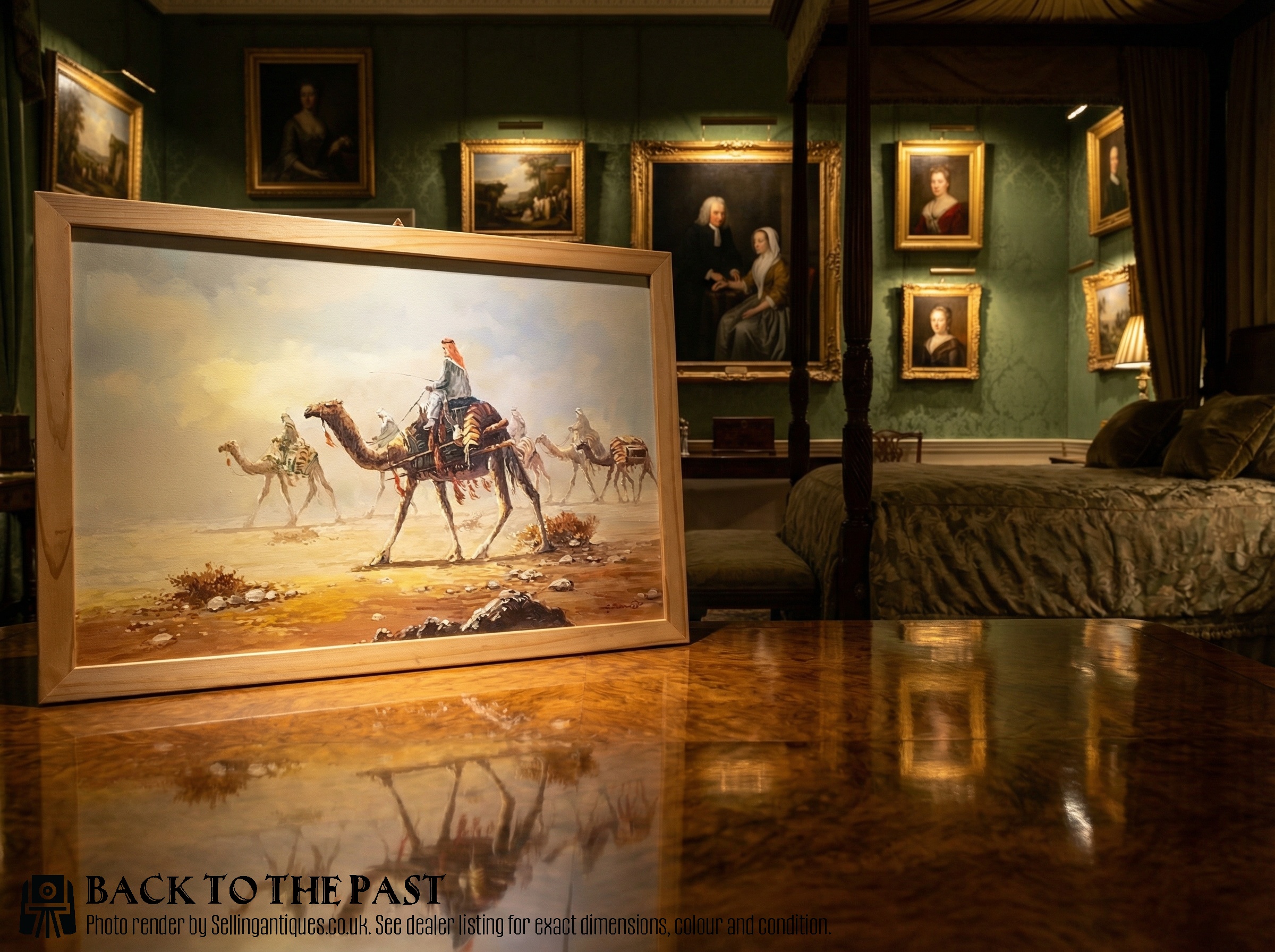
Buyers encounter works ranging from early watercolours housed in ebonised frames to larger oil paintings on canvas depicting Bedouin tribesmen, camels, and ancient monuments. The selection spans distinct aesthetic movements, from nineteenth-century Orientalism to mid-century impressionism and modern Iraqi art.
How They Were Made
Artists utilised traditional media such as oil paint on canvas or board, alongside delicate watercolour and gouache applied to paper. Pigments were layered to capture the distinct light of desert and river environments.
Works are often preserved in period frames constructed from wood and gilded wood, occasionally complemented by glass protection for paper-based watercolours and prints.
Listed periods span the eighteenth century, nineteenth century, Victorian era, nineteen-twenty, and nineteen-sixty.
What Varies in Quality
The sophistication of brushwork and the handling of natural light distinguish finer compositions from simpler decorative views. Masterful control of watercolour washes or oil pigment creates depth and atmospheric clarity.
The preservation of the original surface, pigment stability, and the integrity of contemporary framing elements contribute significantly to the standing of an individual piece.
David Roberts·Edwin Lord Weeks·William James Muller·V. Zirakian·Otto Pilny·Hugo Vogel·Abdul Kadir Al Rassam·Richard Wilson
The Middle Eastern Landscape Artwork Glossary
- Orientalist
- A style of painting depicting scenes of the Middle East, North Africa, and Western Asia, produced primarily by European artists during the nineteenth and early twentieth centuries. This approach often emphasised exotic architecture, desert landscapes, and traditional local figures.
- Gouache
- An opaque water-based paint that dries to a matte finish, frequently combined with transparent watercolour in works on paper. It allows artists to build solid areas of colour and bright highlights.
- Ebonised
- Wood treated with a finish to imitate ebony, commonly utilised for nineteenth-century picture frames to create a dark, contrasting border around works on paper.
- Impressionism
- An art style focused on capturing the visual impression of the moment, particularly through the use of shifting light and unblended brushstrokes. In this selection, it appears in mid-century interpretations of village and town scenes.
Middle Eastern Landscape Artwork: Frequently Asked Questions
What periods do these artworks cover?
The selection spans from the eighteenth century through the Victorian era and the nineteenth century, extending into early and mid-twentieth-century examples.
Pieces range from traditional Orientalist watercolours to modern regional paintings.
How should I display watercolour pieces?
Watercolours on paper benefit from placement away from direct sunlight to protect the pigments from fading over time.
Glazing with protective glass helps shield the delicate paper and gouache surfaces from atmospheric dust.
What subjects typically appear in these scenes?
Common subjects include desert landscapes, Bedouin tribesmen with camels, river views such as the Suez Canal, and ancient monuments like the pyramids.
Village and town views also feature among the mid-century impressionist works.
Are original frames common?
Many works retain period framing, such as ebonised wooden surrounds or gilded wood moulding appropriate to their creation date.
Original frames provide context and complement the aesthetic of the painting they house.