
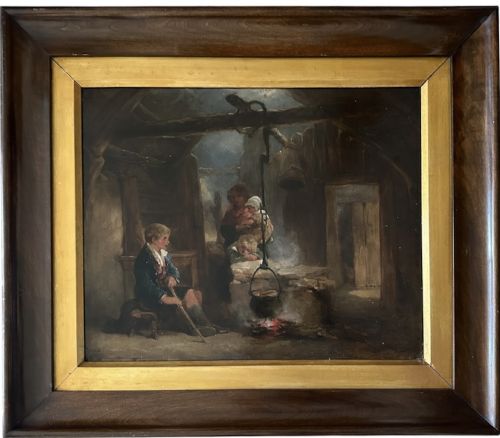

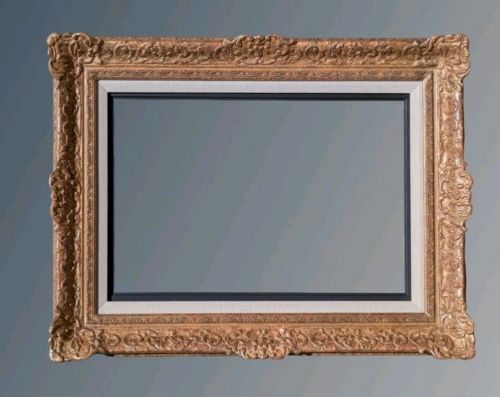


Timber Framed Canvas Painting
These timber framed canvas painting works bring traditional oil art into sturdy wooden surrounds.

Timber Framed Canvas Painting
A timber framed canvas painting combines painted canvas or board surfaces with substantial wooden borders. When you examine a timber framed canvas painting on this page, you encounter pieces spanning from the eighteenth century through to the mid twentieth century.
The selection ranges from British landscape and portrait works to French provincial and Montparnasse school examples. Oil on canvas and oil on board dominate the formats, housed within period wooden surrounds.
Most items reflect Victorian and twentieth century aesthetics, featuring rural scenes, working horses, coastal views, and formal portraits. The wooden framing ranges from simple mouldings to gilt leaf ornamentation.
Materials and construction
Painters utilised oil paint applied directly to woven canvas or rigid wooden boards, often building texture with thick pigment. These painted surfaces are secured within solid timber structures constructed from various woods.
Many frames incorporate gesso layers beneath gold leaf or gilt finishes to create reflective decorative borders. The physical connection between the artwork and the timber surround relies on traditional joinery and backing methods appropriate to each period.
Several canvas paintings capture the quiet dignity of working horses and childhood ponies standing patiently in stableyards.
Assessing quality and execution
The integrity and originality of the wooden frame influence the overall character of the piece. Hand-carved or gilded timber mouldings that complement the age and subject of the artwork elevate the standard of the object.
George Whitton Johnstone·Charles Antoine Coypel·Harry Freckleton·Raimond Louis Lecourt·George E Sharpe·James William Booth·Christoffel Bisschop·Herbert Royle·Frank Moss Bennett·Henry H Parker·Donald McIntyre·William Woodhouse
The Timber Framed Canvas Painting Glossary
- Canvas
- A heavy woven fabric used as a surface for oil painting. It is typically stretched tightly across a wooden frame before pigment is applied.
- Gesso
- A plaster-like mixture applied to wood to prepare a smooth surface for gilding or painting. It provides a crisp base for decorative mouldings.
- Gilt wood
- Wood coated with a thin layer of gold leaf or metallic paint. This treatment adds luminance to the picture frame.
- Oil paint
- A slow-drying paint made with pigments suspended in oil. It allows artists to blend colours smoothly and build rich textures.
Timber Framed Canvas Painting: Frequently Asked Questions
What periods do these paintings represent?
The works span multiple centuries, with particular representation from the nineteenth and twentieth centuries. Earlier eighteenth-century portraits also appear within the selection.
Each piece reflects the prevailing artistic styles of its origin, ranging from British impressionism to French provincial traditions.
How should I care for a framed oil painting?
Keep paintings away from direct sunlight and dramatic shifts in temperature or humidity. These environmental controls protect both the canvas and the wooden surround from warping or fading.
Dust the frame gently with a soft, dry cloth and avoid using liquid cleaners on the painted surface.
Are the frames original to the canvases?
Many works retain frames appropriate to their era of creation, including gilt wood and Montparnasse styles. Some pieces feature surrounds selected to complement the historical aesthetic of the artwork.
Examining the joinery and backing materials helps determine the relationship between the painting and its timber enclosure.
What subjects are most common?
Rural landscapes, working animals, and figurative portraits dominate the inventory. Scenes featuring horses, coastal views, and domestic interiors recur frequently across the different periods.
These subjects reflect traditional European painting interests from the eighteenth to the mid twentieth century.