



Bronze Woman Sculpture
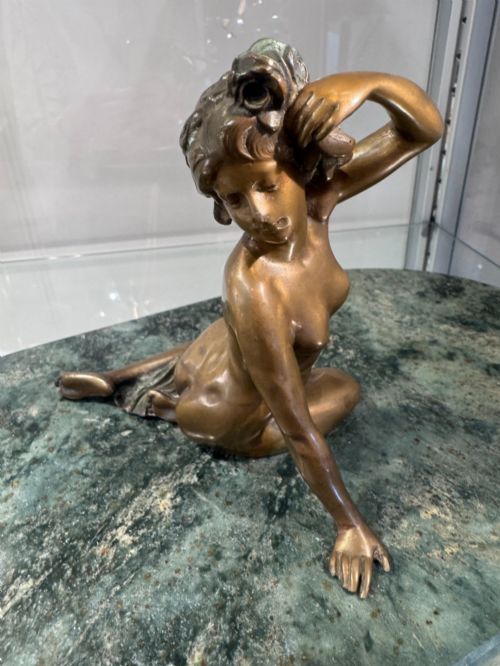
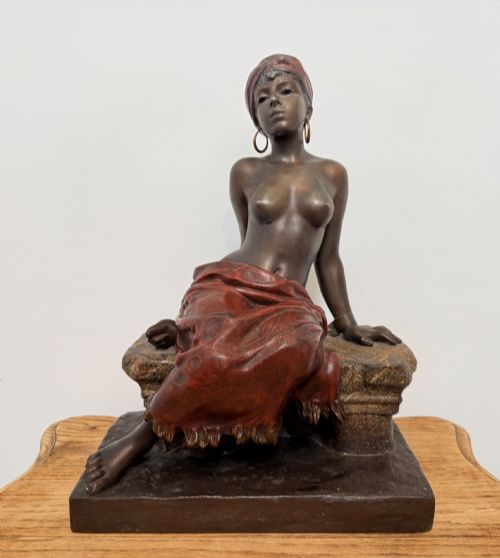
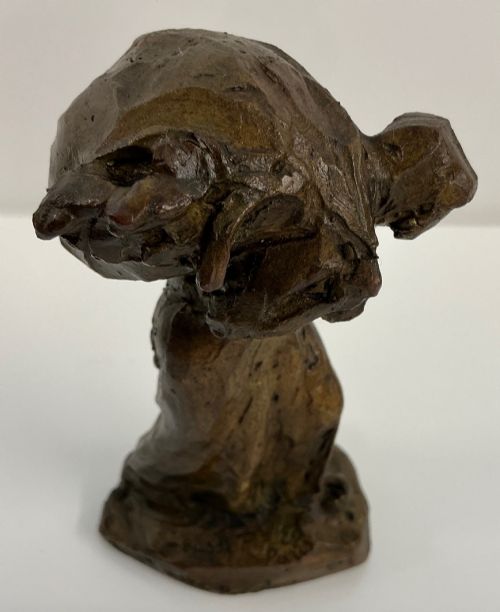
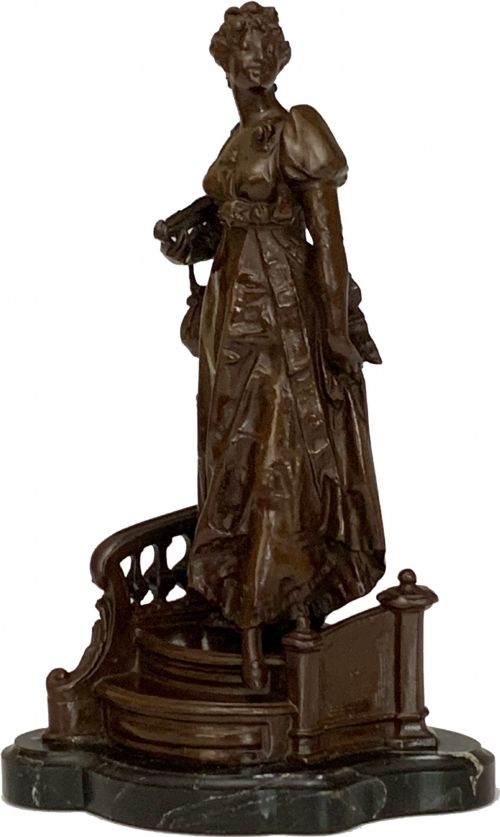
These pieces of bronze woman sculpture capture female figures across centuries of foundry work, offering lasting character for a mantelpiece or desk.
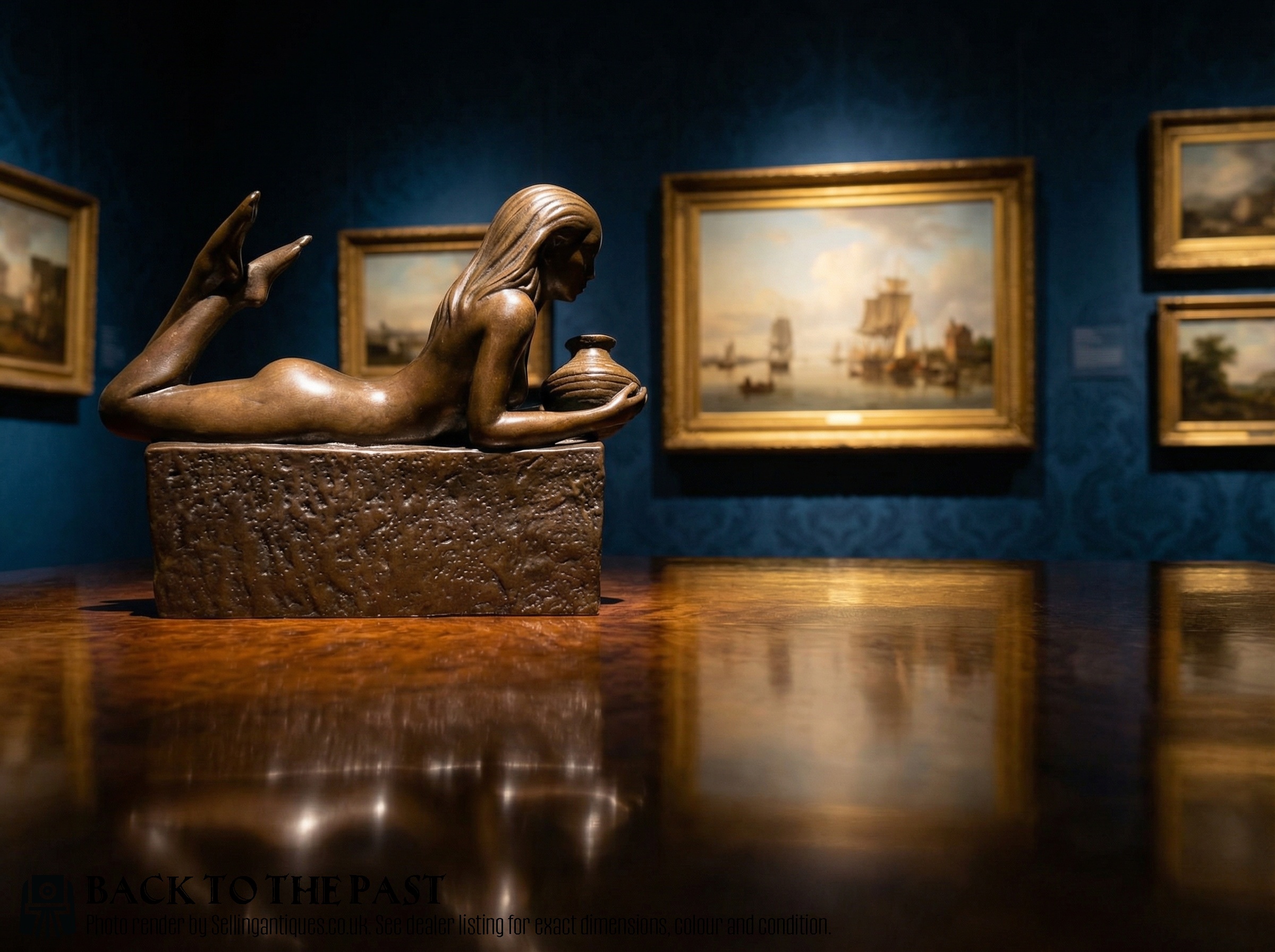
Bronze Woman Sculpture
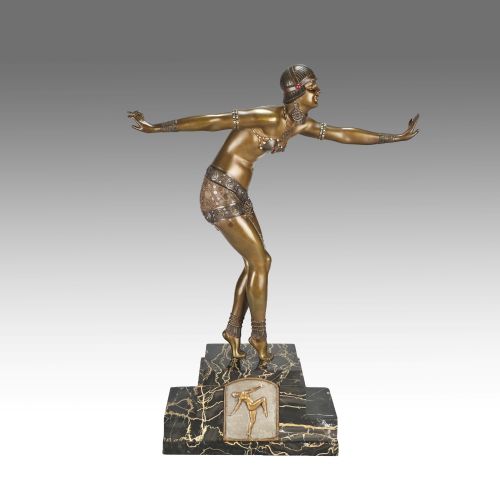
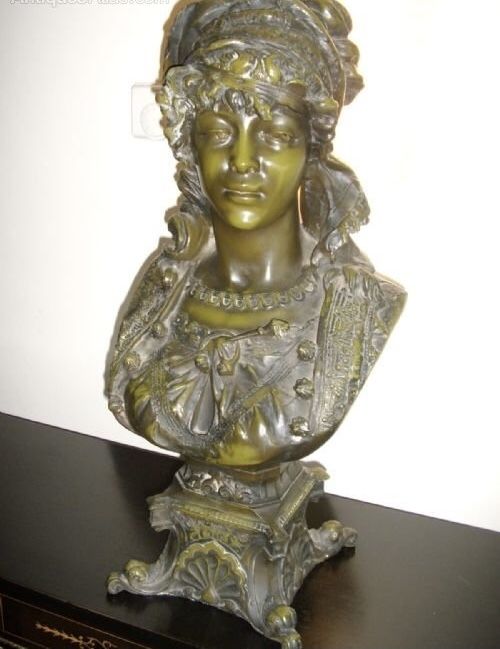
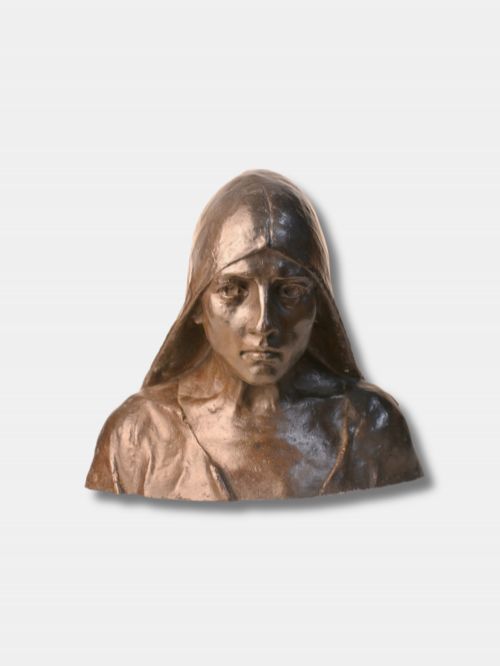
A bronze woman sculpture represents female figures through various historical lenses, ranging from classical studies and medieval busts to stylised Art Deco forms. The pieces span periods from the eighteenth century through to the mid-twentieth century, with nineteenth-century French foundry work and Art Deco creations appearing frequently.
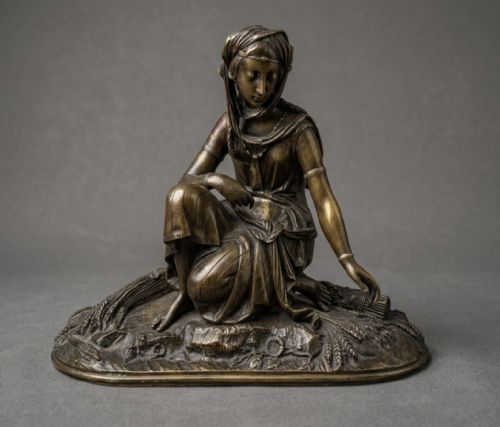
Forms include full-length figures, seated maidens, dancers, and portrait busts. Many figures incorporate stone bases such as marble or onyx, elevating the metalwork and providing structural balance to the composition.
Materials and methods
Foundries shaped these works primarily in bronze, utilising patinated surfaces, cold painting, or gilt treatments to define garments, hair, and facial expressions. Alternative mediums such as spelter, terracotta, and bronzed plaster also appear in the record.
Many works combine metal figures with integral or secondary mounting materials, placing bronze casts onto heavy marble or onyx plinths to secure the stance of the sculpture.
Several ladies on this page share space with mirrors, birds, snakes, and even a steering wheel.
Defining quality in the casting
The integration of the figure with its base also marks distinction, as finely fitted marble or onyx mounts provide stability and proportion that lesser compositions miss.
E Villanis·Demetre Chiparus·Henry Wissen Senior·Jules Dalou·Georges Van Der Straeten·Emile Jespers·Sibylle May·Lucien Madrassi·Jennings Brothers·Maurice Bouval·Paul Joris·Pierre Hebert·Devaulx·Albert Carrier Belleuse·E Laurent·Henri Ple
The Bronze Woman Sculpture Glossary
- Patina
- The chemical colouration applied to the surface of the bronze. This finish deepens the tones of the metal and protects the exterior.
- Spelter
- A zinc alloy commonly utilised as an alternative to bronze. It offers a lighter weight and was frequently painted or bronzed.
- Chasing
- The manual refinement of a cast metal surface using chisels and hammers. This process sharpens details before final patination.
- Terracotta
- Fired clay used for sculptural modelling. It provides a warm, matte finish distinct from cast metal.
Bronze Woman Sculpture: Frequently Asked Questions
How do I clean a bronze sculpture?
Dust the surface gently with a soft, dry cloth to remove particles. Avoid harsh chemical cleaners that strip the original patina.
Apply a very light coat of microcrystalline wax occasionally to protect the metal from atmospheric moisture. Buff the wax off completely with a clean cloth.
What is the difference between bronze and spelter?
Bronze is a copper and tin alloy prized for its strength and ability to hold fine detail during casting. It feels heavy and cool to the touch.
Spelter is a softer zinc-based metal that is lighter in weight and more fragile. It often requires a painted or bronzed surface coating to resemble true bronze.
How can I date a bronze sculpture?
Examine the style of the figure, the clothing, and the signature or foundry mark stamped into the metal. Art Nouveau and Art Deco pieces carry distinct aesthetic markers from their respective decades.
Inspect the base and fixing bolts, as older sculptures often utilise hand-threaded screws or pinned mounts rather than modern Phillips-head screws.
Where should I display these figures?
Place sculptures on stable, level surfaces away from direct sunlight and fluctuating heat sources like radiators. A sturdy mantelpiece or dedicated display cabinet works well.
Ensure the piece is positioned where accidental knocks are unlikely, particularly for figures mounted on delicate marble or onyx bases.