
Vintage Bronze Desk Sculpture
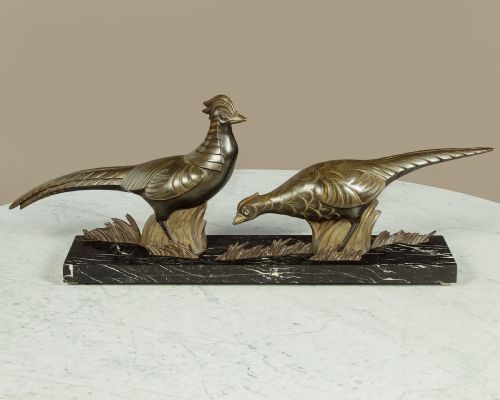
When you search for a vintage bronze desk sculpture, you are looking at tactile animalier studies, geometric Art Deco figures, and heavy desk accessories cast to sit among inkwells and papers.
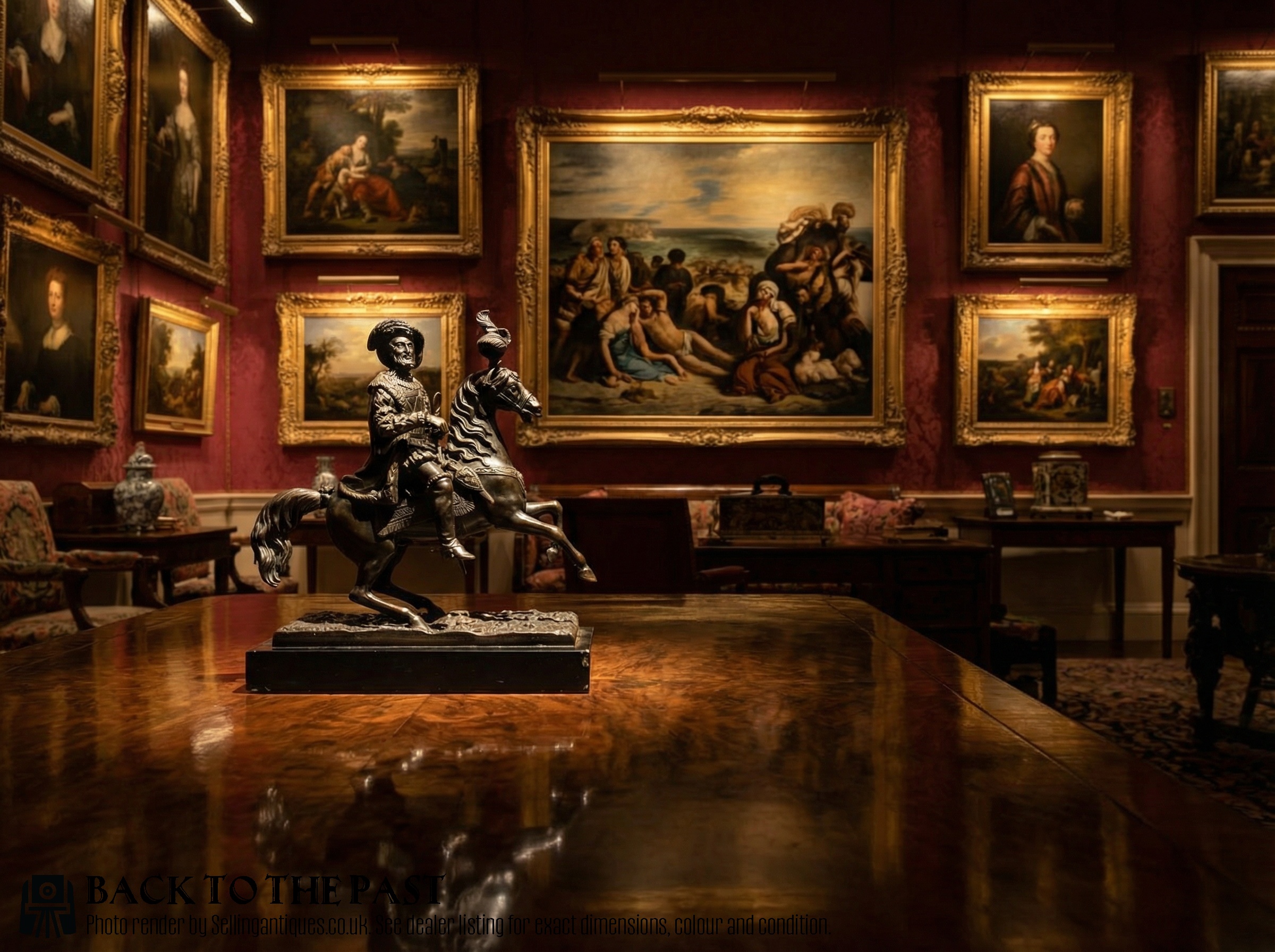
Vintage Bronze Desk Sculpture
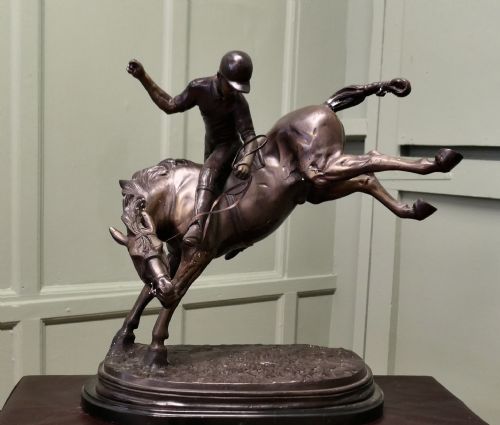
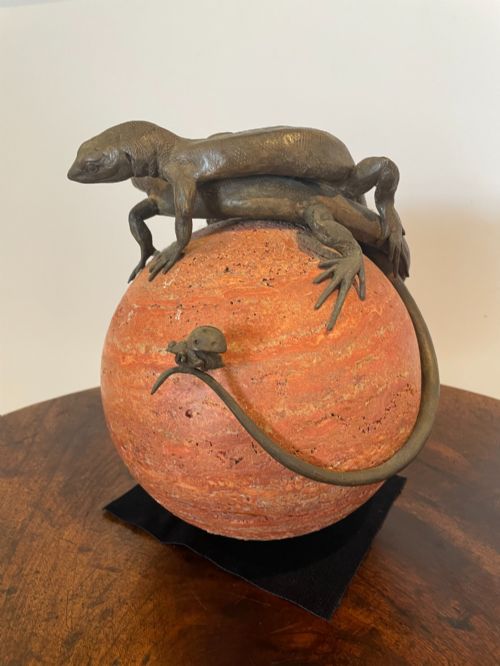
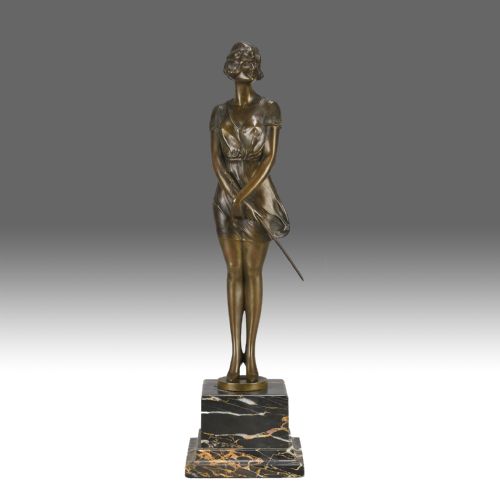
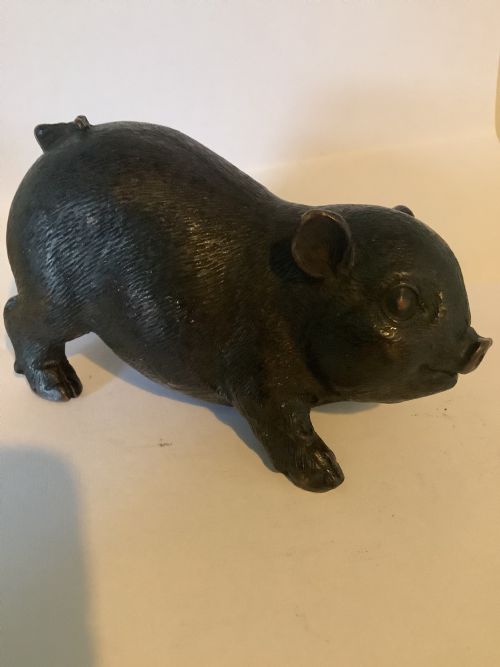
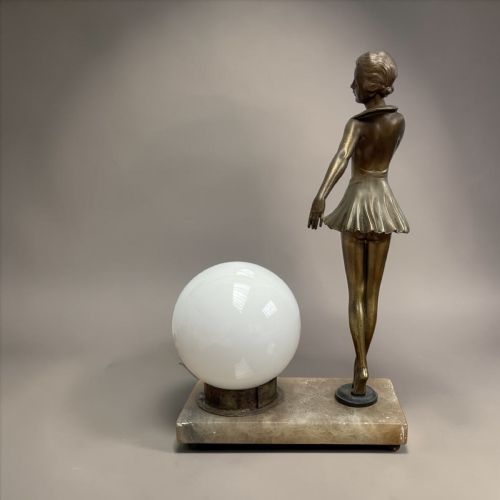
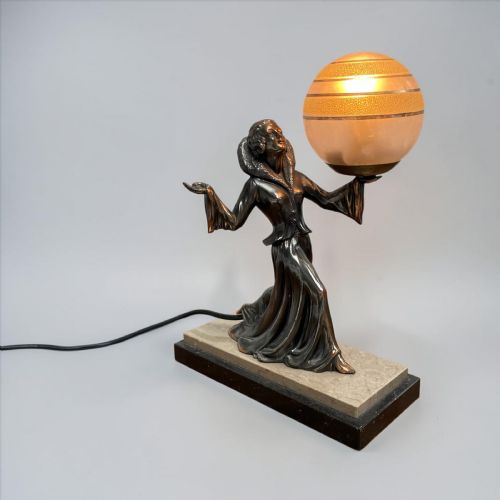
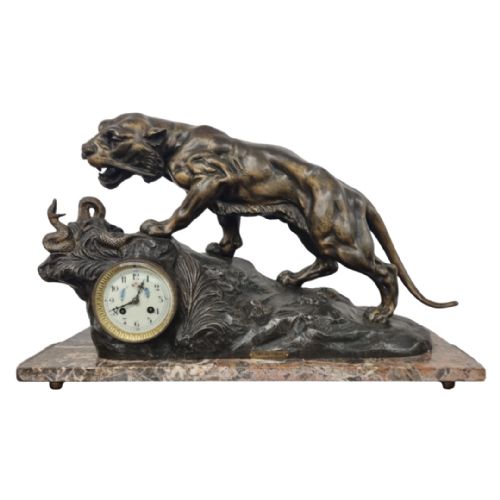
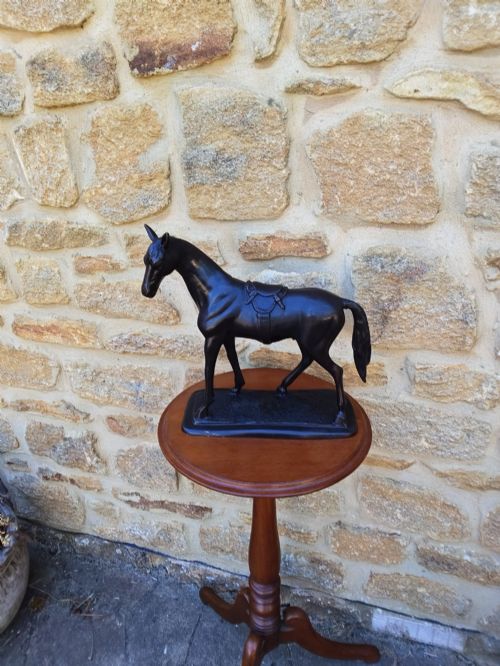
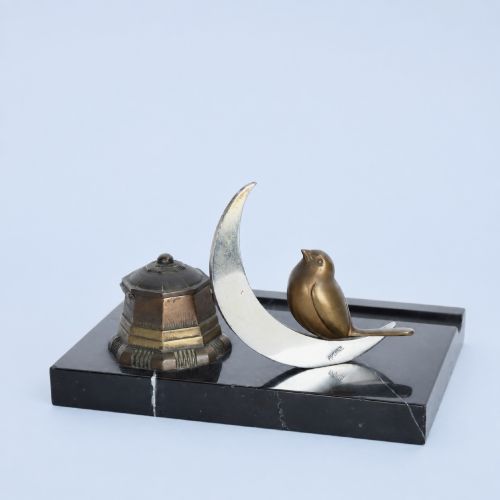
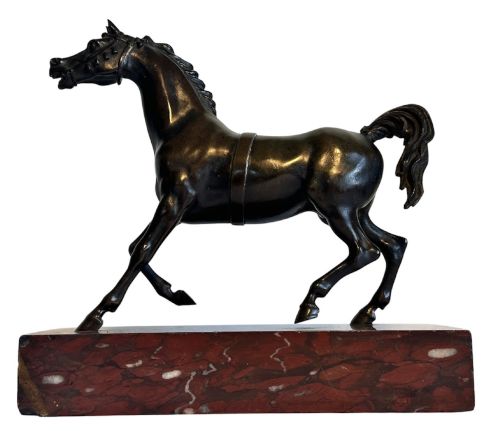
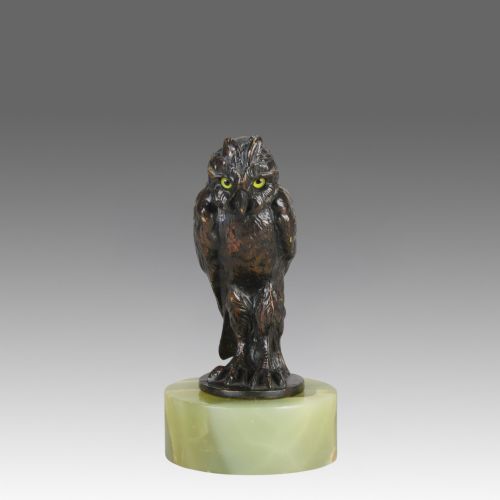
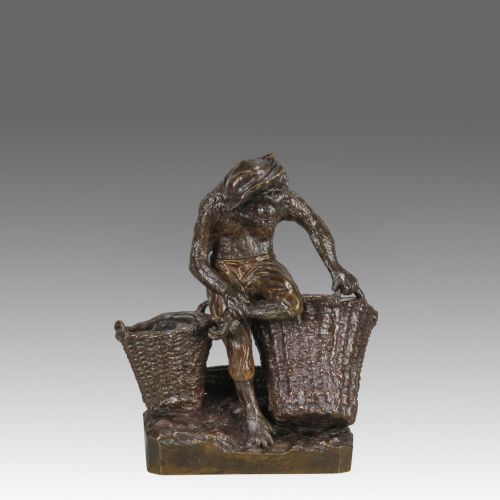
A vintage bronze desk sculpture brings small-scale metalwork into workspaces, taking the form of bookends, desk tidies, mantel clocks, and table lamps alongside standalone figures. These pieces span the nineteenth and twentieth centuries, capturing subjects from domestic animals and birds of prey to human dancers and equestrian riders.
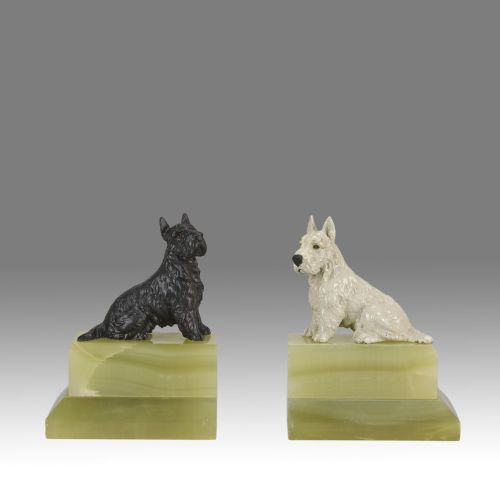
The objects on this page lean heavily into Animalier realism and Art Deco stylisation, reflecting the aesthetic shifts of the Victorian era through to the nineteen-thirties. Many are mounted directly onto contrasting plinths of black marble or green onyx to anchor them securely to a writing surface.
Makers ranged from European foundries producing Grand Tour souvenirs to celebrated sculptors whose signatures appear in the metal. Collectors meet both unsigned French animal studies and Austrian cold-painted works designed specifically for utility and display in a study.
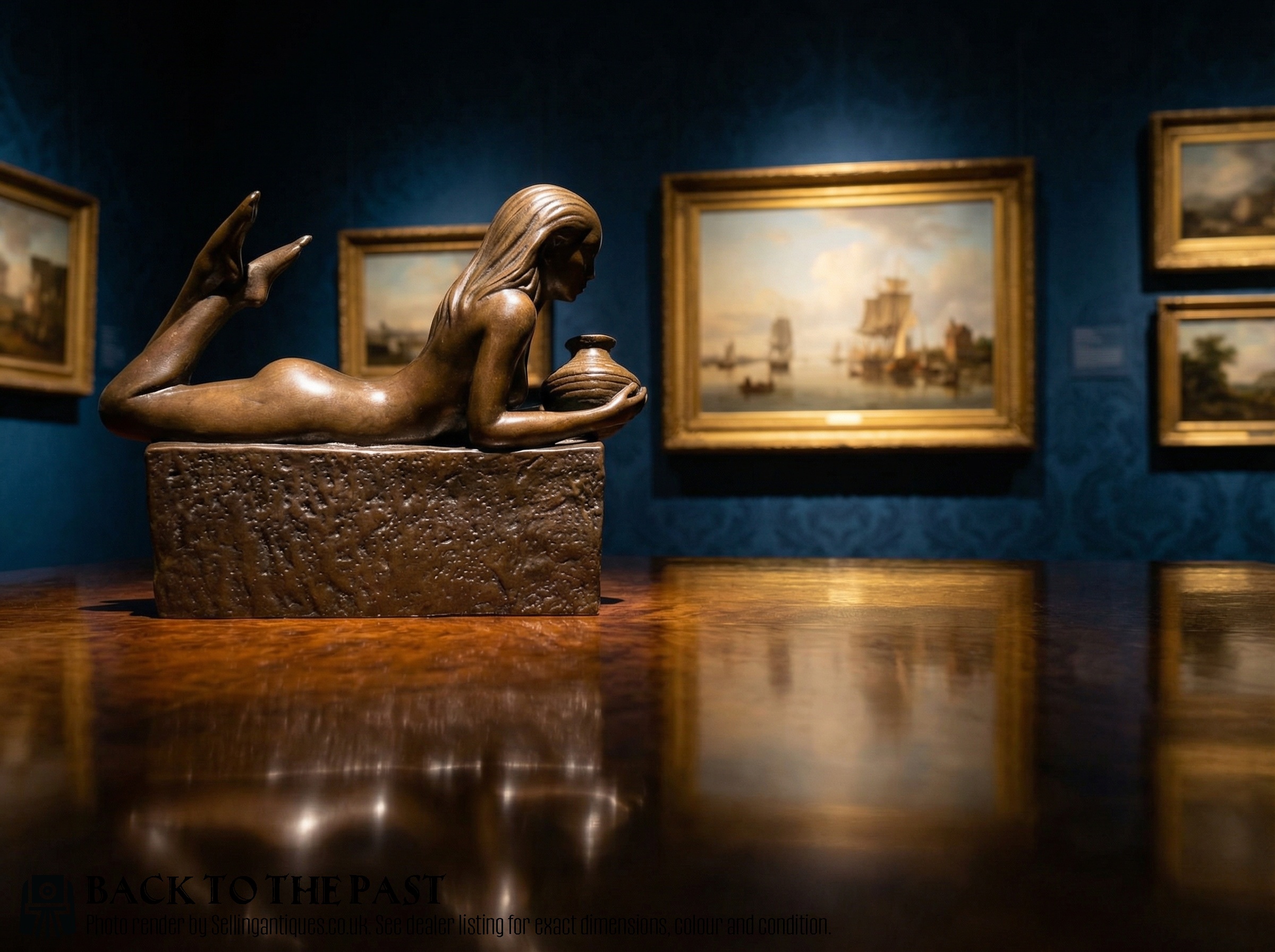
Materials and casting methods
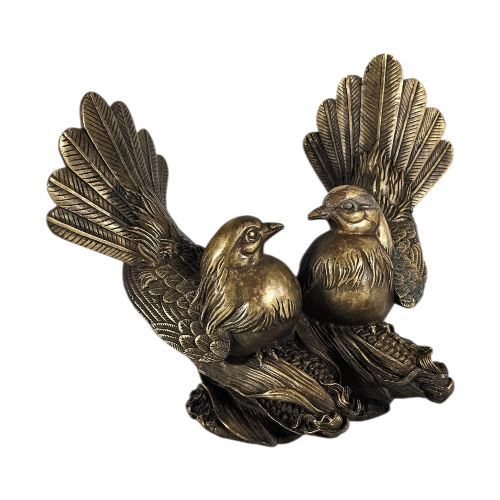
These works rely primarily on cast bronze, sometimes complemented by cold-painted finishes that add polychrome detail to small animal and bird studies. Alternative metals like patinated or cast iron also appear, often paired with heavy stone bases made from marble or onyx.
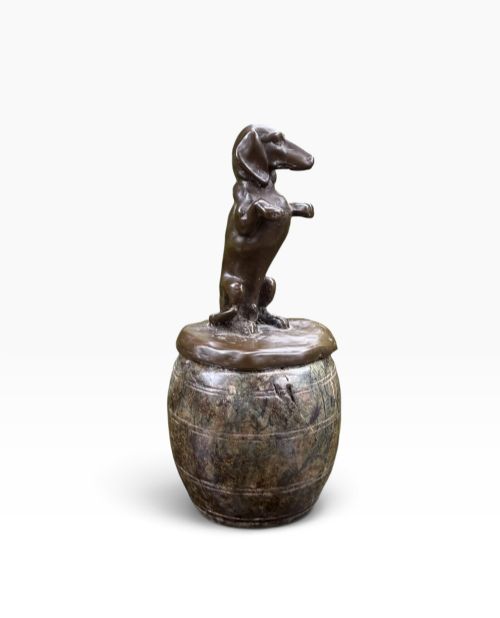
Foundries utilised traditional casting techniques to capture fine textures, from the fur of a dachshund to the sleek drapery of an Art Deco dancer. Surface patination was applied chemically or through paint to achieve aged bronze tones or vivid colour accents.
Listings span the nineteenth and twentieth centuries, featuring bronze, marble, onyx, and cold-painted finishes across desk accessories, clocks, and animal sculptures.
Evaluating craftsmanship and finish
The choice and execution of the base significantly influence the overall composition, where fitted marble or onyx plinths should balance the weight of the metal figure without distracting from the sculpture itself.
Bruno Zach·Franz Bergman·Antoine Louis Barye·Christophe Fratin·Franz Gruber
The Vintage Bronze Desk Sculpture Glossary
- Animalier
- A nineteenth-century artistic movement dedicated to the realistic portrayal of animals, particularly predators, horses, and dogs. Sculptors in this tradition focused closely on anatomical accuracy and movement.
- Cold-painted bronze
- A technique where bronze figures are painted with cold enamel rather than fired in a kiln. This method was widely used by Austrian workshops to render colourful birds and miniature animals.
- Patina
- The surface sheen or colouration developed on bronze over time or applied artificially by the artist. It protects the metal and defines the visual depth of the sculpture.
- Grand Tour
- A nineteenth-century tradition of travel through Europe that yielded miniature bronze copies of classical sculptures. These small bronzes served as decorative desk objects for returning travellers.
- Desk tidy
- A functional desk accessory incorporating compartments, trays, or mounted figures to hold pens, stamps, and small stationery items. They frequently combine bronze castings with heavy stone plinths.
Vintage Bronze Desk Sculpture: Frequently Asked Questions
What is a cold painted bronze?
A cold painted bronze is a metal sculpture finished with un-fired enamel paint rather than a ceramic glaze. This technique allowed Austrian workshops to produce highly detailed, colourful figures of birds and animals.
Over decades, the paint develops a distinct surface wear that collectors use to judge authenticity and age. These pieces were primarily created for ornamental display on desks and mantelpieces.
How do I care for a bronze sculpture?
Bronze requires minimal intervention beyond gentle dusting with a soft, dry cloth to prevent grime accumulation. Avoid using chemical polishes, as these can strip away the original patination and damage the metal surface.
Keep pieces away from direct moisture and extreme temperature fluctuations to preserve the stability of any attached marble or onyx bases.
Why are some figures mounted on marble?
Mounting small bronzes onto heavy bases of black marble or green onyx provided stability for desk accessories and bookends. This practice also created a sharp visual contrast between the dark stone and the patinated metalwork.
In Art Deco pieces, the geometric stone plinth formed an integral part of the overall architectural design.
How can I tell an antique bronze from a modern reproduction?
Antique bronzes display natural patination, subtle casting imperfections, and tooling marks left by hand-finishing in the foundry. The weight, metal composition, and method used to secure the figure to its base offer further clues to age.
Signatures or foundry stamps, when present, provide a direct link to the period and workshop of origin.