




Dark Oak Framed Prints
These dark oak framed prints bring together historic paper subjects and timber mouldings from the nineteenth century and the early decades of the twentieth.
Dark Oak Framed Prints
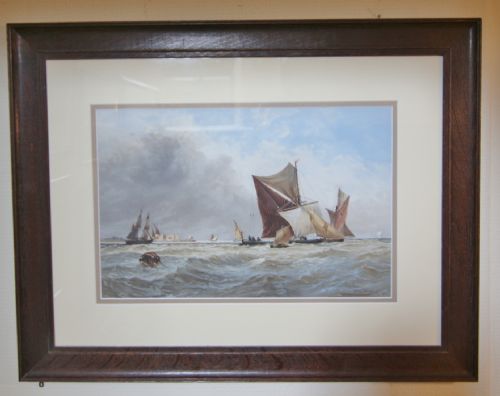
Dark oak framed prints encompass a varied selection of wall art, paintings, photographs, and engravings housed within timber frames. The examples found here span the nineteenth century, the Edwardian period, and the nineteen-twenties, reflecting diverse aesthetic interests from natural history to maritime scenes.
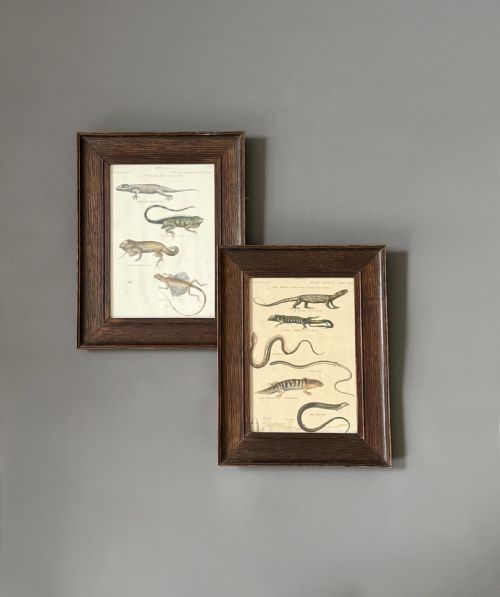
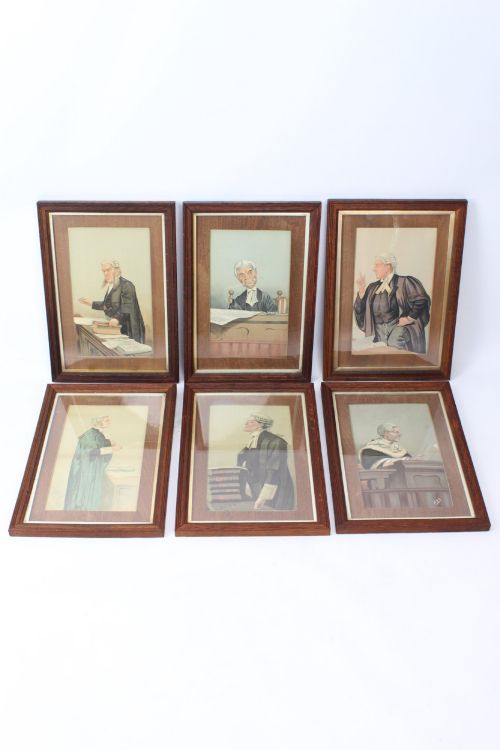
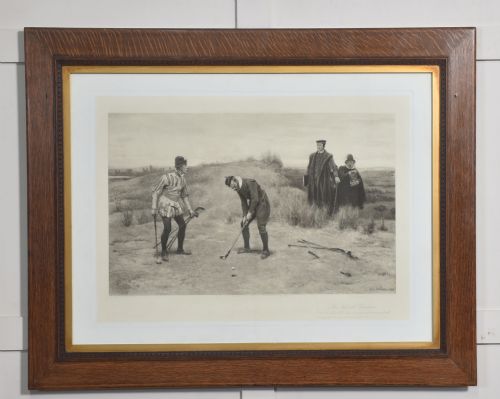
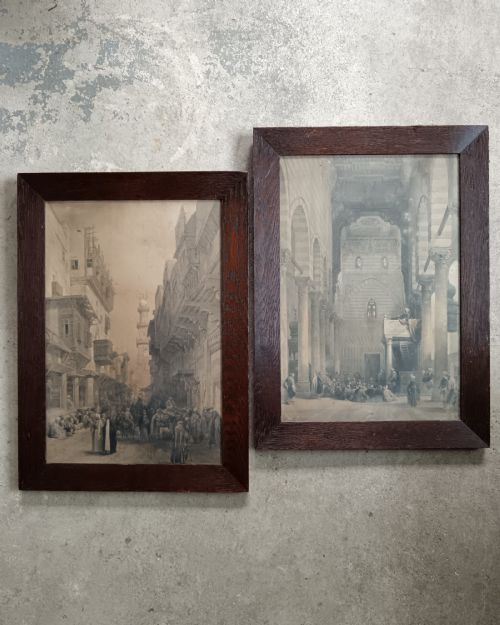
Buyers encountering these dark oak framed prints will notice subjects ranging from coloured reptile engravings and Vanity Fair spy prints to architectural lithographs and sporting sequences. Many pieces utilise traditional framing materials such as wood, glass, and paper to preserve works by notable artists and engravers.
Materials and construction
The physical construction of these pieces relies heavily on solid timber moulding, specifically oak, shaped to enclose works on paper. Glazing protects the delicate surfaces of engravings, watercolours, and photographs against environmental dust and moisture.
Makers utilised techniques spanning traditional engraving, lithography, drypoint etching, and monochrome photography to produce the visual works. These paper items are then secured within timber frames, sometimes augmented by internal mounts or gold leaf detailing.
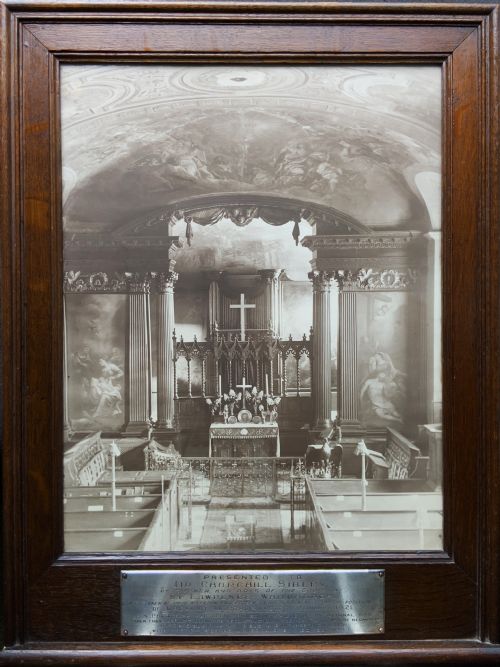
Several items feature unexpected historical detours, including an oak church altar photograph and an antique cartographer's serving tray.
Factors of distinction
Quality within these framed works depends upon the crispness of the original impression on the paper and the preservation of the medium, whether ink, watercolour, or sepia photographic tones. Stronger examples display clear platemarks in engravings and minimal fading across the paper surface.
The construction of the dark oak frame itself contributes significantly to the overall integrity of the piece. Well-joined timber mouldings with original patination and intact glass provide a superior housing for the artwork compared to later or altered replacements.
William Bird MD FLS·TB Hardy·Louis Haghe·Charles Johnson Payne Snaffles·Herbert Dicksee
The Dark Oak Framed Prints Glossary
- Engraving
- A printmaking technique where an artist cuts an image into a metal plate using a burin. The resulting lines hold the ink that transfers to paper under pressure.
- Lithography
- A planographic printing process based on the chemical repulsion of oil and water. Artists draw on limestone or metal plates to produce multiple exact impressions.
- Drypoint
- An intaglio printmaking method where the artist scratches directly into a metal plate with a sharp needle. This action raises a rough ridge of metal called a burr, which holds extra ink for a velvety line.
- Monochrome
- A photographic or printed image rendered in a single hue or shades of a single colour, such as black and white or sepia tones.
Dark Oak Framed Prints: Frequently Asked Questions
How do I date dark oak framed prints?
Dating relies on examining the paper technology, the printing technique used, and the construction methods of the timber frame. Stylistic clues within the subject matter, such as Edwardian fashion or nineteenth-century attire, also help establish a timeframe.
Changes in framing styles from the Victorian era into the nineteen-twenties provide further chronological markers. Original labels or maker stamps on the reverse often confirm the exact period of assembly.
Are these frames original to the prints?
Many pieces retain their original timber surrounds, particularly when the framing matches the period of the artwork or bears historical framing shop labels. Certain items demonstrate period framing techniques consistent with nineteenth-century and Edwardian workshop practices.
Interiors and mounts sometimes show age corresponding to the print date. However, framing combinations can occasionally alter over long spans of ownership.
What subjects appear in these works?
The inventory covers a broad spectrum of historical interests, including natural history subjects like reptile engravings and Alpine landscape photography. Maritime scenes, architectural views of Cairo, and British sporting art also feature prominently.
Portraiture and character studies, such as Vanity Fair prints and historical engravings, represent popular nineteenth-century and early twentieth-century publishing trends.
How should I care for framed paper art?
Protect these pieces from direct sunlight to prevent the fading of inks, watercolours, and photographic tones over time. Maintaining stable indoor humidity levels prevents the timber frame from warping and protects the paper from moisture damage.
Cleaning should involve gentle dusting of the oak frame with a dry cloth. Avoid using liquid cleaners near the exposed paper edges or directly on the glass.