


Sepia Lithograph Prints
These sepia lithograph prints bring monochromatic depth to walls, offering subtle tonal range across historic subjects.
Sepia Lithograph Prints
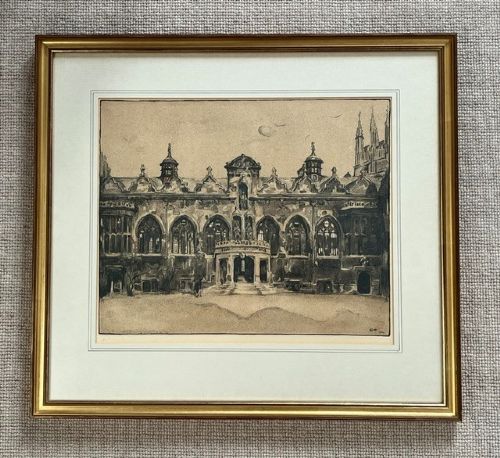
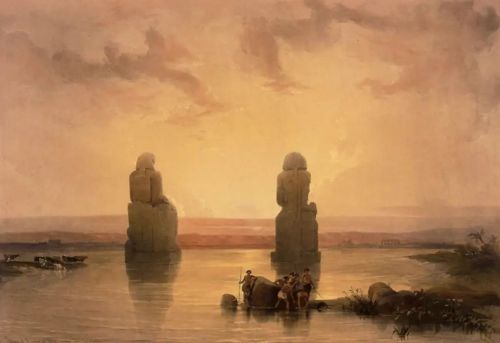
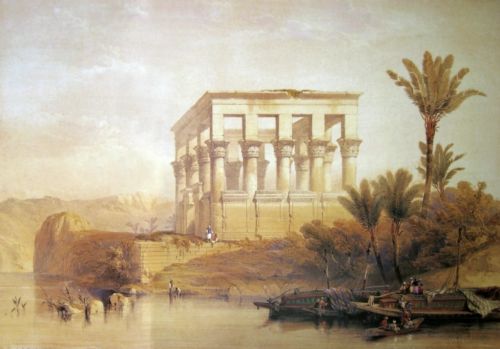
Sepia lithograph prints span architectural scenes, sporting subjects, and portraits from the Regency period through to the mid-twentieth century. Buyers encounter framed artworks depicting Oxford colleges, Egyptian antiquities, and military reviews.
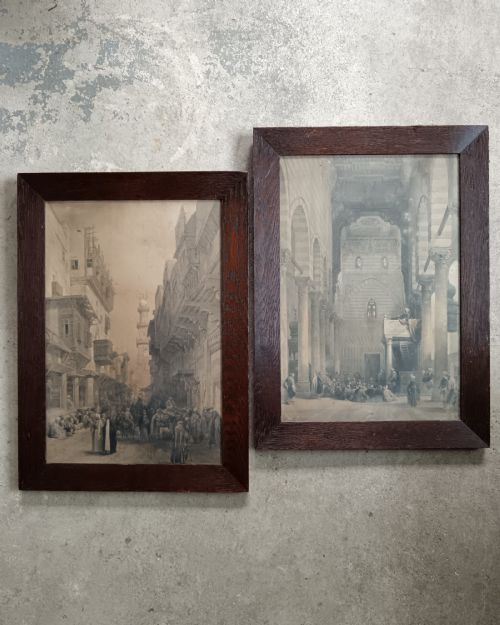
The selection on this page centres on framed prints and wall art executed in nineteenth-century and early twentieth-century contexts. Most examples arrive mounted behind glass within wooden or gilded frames.
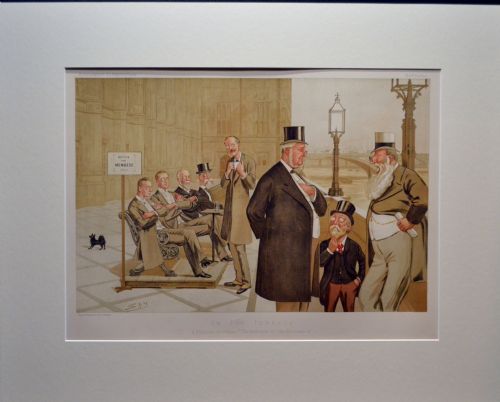
Subject matter ranges from Vanity Fair caricatures and British sporting art to topographical views of Cairo and local cathedrals. These works capture historical moments and architectural landmarks through monochrome ink techniques.
Materials and production
These pieces utilise ink applied to paper surfaces, capturing fine tonal gradations characteristic of nineteenth-century printing techniques. The resulting images present rich brown monochrome palettes.
Framing materials incorporate wood, oak, mahogany, and gilded wood, often retaining original protective glass. Many examples preserve their period framing, including work by regional framers.
Selected works incorporate additional media such as gold leaf alongside the primary ink impression, while signatures appear in pencil or ink on specific artist proofs.
Several Victorian subjects capture runners and Scottish volunteers, proving nineteenth-century citizens enjoyed a brisk jog just as much as we do.
Distinctions in quality
Quality rests in the crispness of the ink impression and the preservation of the paper substrate free from excessive toning or foxing. Stronger tonal contrast distinguishes superior impressions from faded examples.
The integrity of the original frame and glass setup contributes significantly to the standing of a piece. Original maker framing adds contextual value to nineteenth-century and Edwardian prints.
Sir William Nicholson·David Roberts·Louis Haghe·Snaffles·R.P. Phillimore·Sir Muirhead Bone
The Sepia Lithograph Prints Glossary
- Lithograph
- A print made by drawing an image on limestone or a metal plate with a greasy medium, then applying ink to adhere only to the drawn areas. This technique allows for subtle tonal gradations.
- Sepia
- A brownish pigment originally derived from the ink sac of the cuttlefish, widely utilised in historic photographic and printing processes to produce warm monochrome tones.
- Framed Print
- An artwork enclosed within a protective structure of wood or moulding, usually fronted by glass and backed to secure the paper sheet.
- Vanity Fair Print
- A satirical portrait published in the British weekly magazine Vanity Fair, typically featuring prominent public figures executed by artists such as Spy.
- Signed Print
- An impression bearing the autograph of the artist or lithographer, usually inscribed in pencil beneath the image area.
Sepia Lithograph Prints: Frequently Asked Questions
How should I clean the glass on a framed print?
Wipe the glass gently with a soft cloth lightly dampened with water or standard glass cleaner, taking care to avoid spraying liquid directly onto the frame or paper edge.
Moisture can seep beneath the glass margin and damage the historic paper or ink beneath, so spray the cloth rather than the surface.
Are these prints original period impressions?
The pieces listed derive from the specific historic eras stated in their descriptions, ranging from the Regency period through to the mid-twentieth century.
Paper stock, ink consistency, and framing methods align with the production standards of each respective era.
Can I hang these prints in direct sunlight?
Direct sunlight causes sepia ink to fade and paper stock to yellow over time, diminishing the tonal contrast of the image.
Position these artworks on interior walls away from windows or utilise glass with ultraviolet filtering properties to protect the paper.
What framing styles accompany these historic prints?
Many examples retain their period enclosures, including original wooden mouldings, oak frames, mahogany surrounds, and gilded wood profiles.
Some pieces arrive in historic dealer frames bearing trade labels from regional framers active during the nineteenth and early twentieth centuries.