





Traditional British Sporting Prints
Traditional British sporting prints capture the speed and atmosphere of the field, offering a window into historical equestrian pursuits and country life.
Traditional British Sporting Prints
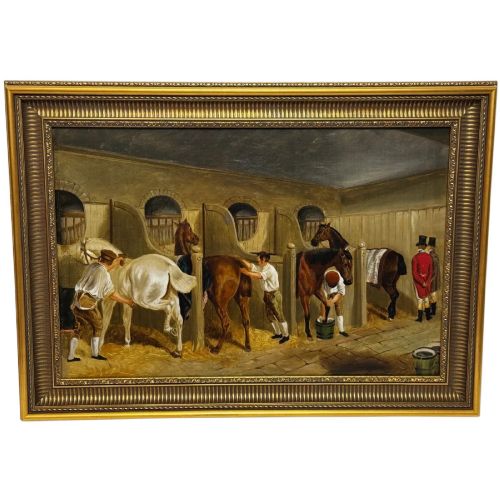
Traditional British sporting prints encompass framed artworks and engravings recording pursuits such as hunting, racing, and shooting from the nineteenth and early twentieth centuries. These pieces reflect the aesthetic of British country houses and early twentieth century sporting art, celebrating rural traditions through dynamic visual narratives.
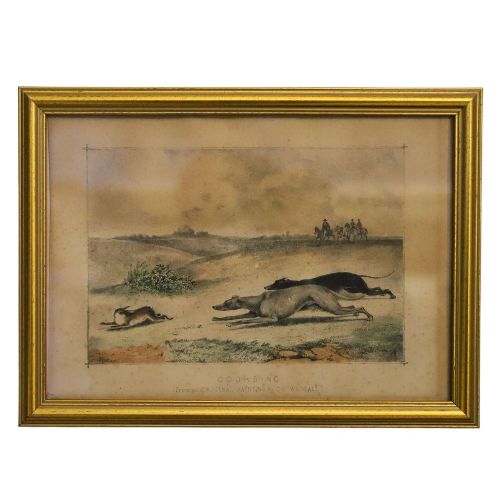
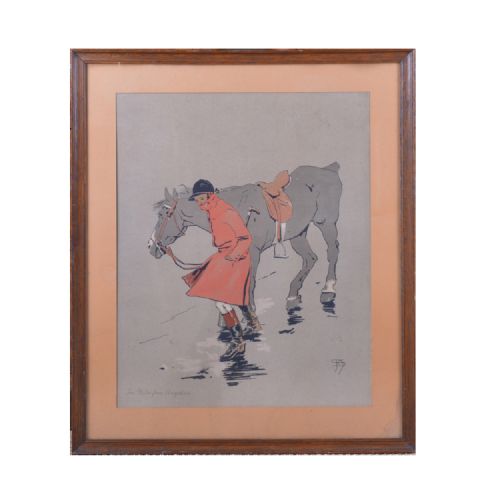
On this page, buyers will most frequently encounter framed prints and original works by notable artists like Charles Johnson Payne, alongside lithographs and watercolours dating from the Victorian era to the 1930s. The selection ranges from focused equestrian scenes to broader depictions of racecourses and field sports.
How they were made
These works rely on traditional graphic and painting techniques executed on paper, canvas, and board. Artisans employed lithography, chromolithography, and engraving alongside watercolour and oil on canvas to render detailed action scenes.
Presentation depended heavily on framing materials such as wood, gilt wood, and oak, often paired with glass to protect the delicate paper surfaces and pigments from environmental damage.
The listings span from the Georgian period through Victorian times and into the 1930s, utilising paper, canvas, oak, and gilt wood.
What varies in quality
Quality in these works rests on the directness of the artist's hand and the vibrancy of the medium, distinguishing mass-produced commercial outputs from original watercolours and signed prints. The vigour of the draughtsmanship in capturing horses and hounds directly influences the artistic merit.
The choice and preservation of the surrounding materials also dictate standard, where period frames utilising gilt wood or oak complement the integrity of the artwork rather than diminishing its historical context.
C. H. Weigall·John Atkinson·Charles Johnson Payne Snaffles·Sam. Howitt·Frank Algernon Stewart
The Traditional British Sporting Prints Glossary
- Lithograph
- A planographic printing process using a stone or metal plate to produce crisp lines on paper. This technique allowed artists to circulate detailed field sports scenes widely.
- Chromolithograph
- A colour lithographic print produced by applying multiple stones, one for each colour. This method created rich, multi-toned hues characteristic of early twentieth century sporting art.
- Watercolour
- A paint medium utilising water-soluble pigments applied to paper. It offers transparent washes that capture the shifting light of outdoor sporting scenes.
- Gilt wood
- Wood carved and coated with gold leaf or a gold-coloured finish. It provides a reflective, ornate border frequently found on traditional frames.
Traditional British Sporting Prints: Frequently Asked Questions
What subjects do these prints show?
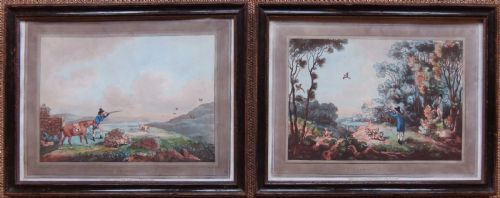
These works depict historical rural pursuits including fox hunting, horse racing, hare coursing, and shooting. The imagery focuses on horses, hounds, and riders engaged in traditional countryside activities.
Scenes range from organised racecourse gatherings to solitary moments in the field, reflecting the broader scope of British sporting culture across different decades.
How should I frame these pieces?
Traditional frames utilising wood, oak, or gilt finishes best suit the aesthetic of these historical artworks. Ensuring proper clearance beneath glass protects the paper from moisture and direct contact.
Original framing materials should be preserved where possible to maintain the historical integrity and character of the piece.
Are these works original prints?
The selection includes a mix of original watercolours, oil paintings, and period print formats such as lithographs and chromolithographs. Each medium represents a distinct method of artistic production popular in its respective era.
Examining the individual listing details clarifies whether a piece is a hand-painted work or a mechanically reproduced graphic edition.
How do I care for old paper prints?
Paper artworks require protection from direct sunlight to prevent the fading of watercolours and printed inks. Keeping them in stable indoor environments limits the risk of humidity damage.
Using acid-free backing materials during any necessary framing updates helps preserve the paper support over time.