


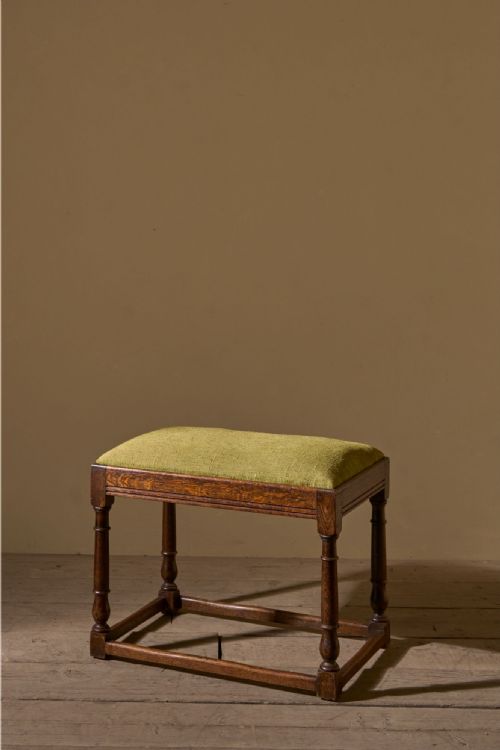

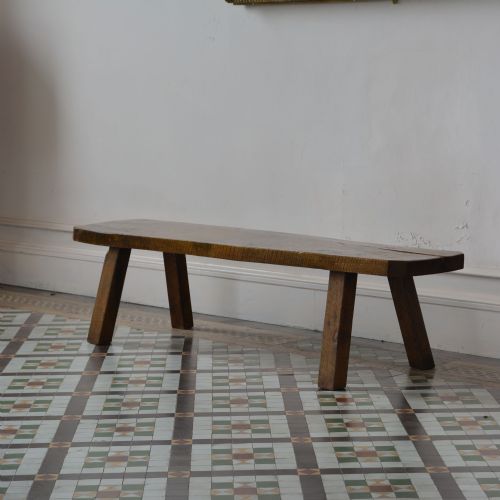
19th Century Oak Stool
A 19th century oak stool brings sturdy domestic utility and rich timber grain to an interior.
19th Century Oak Stool
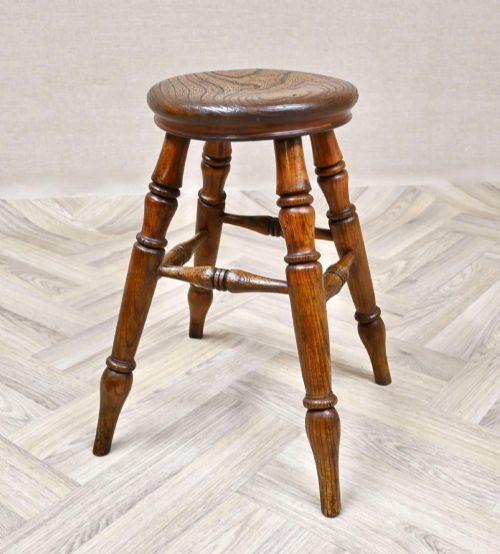
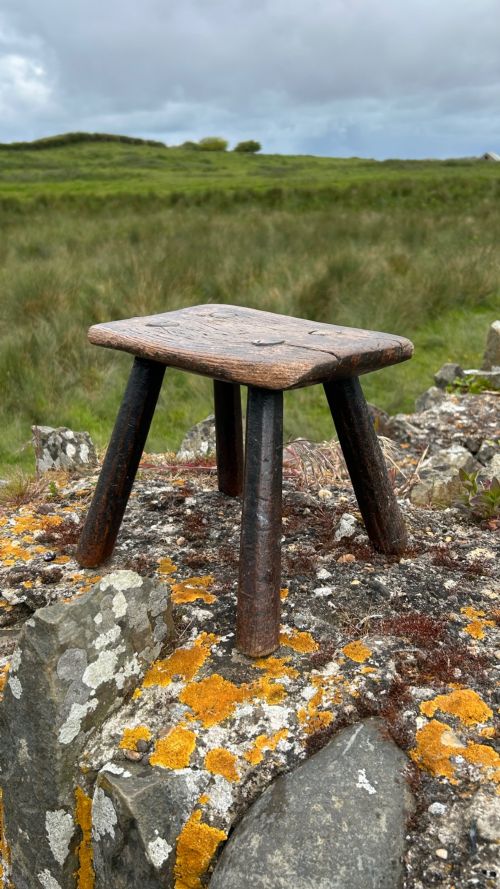
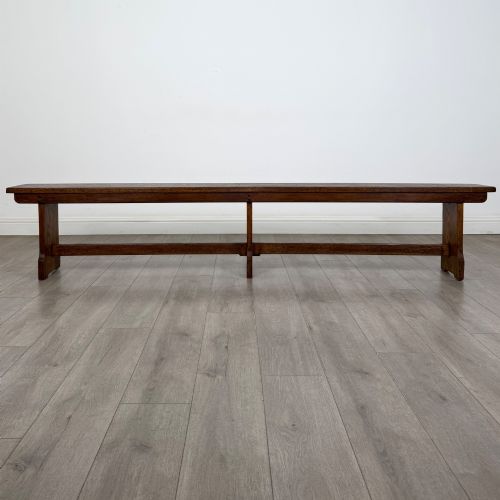
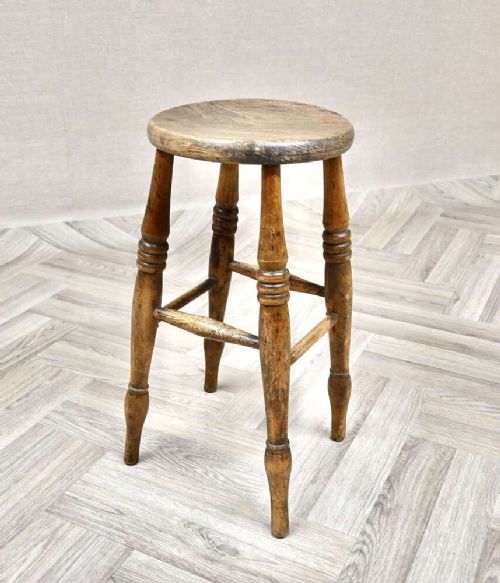
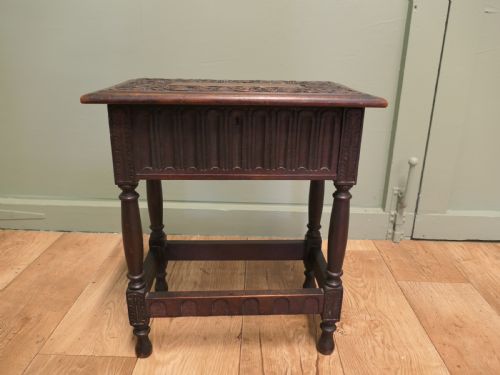
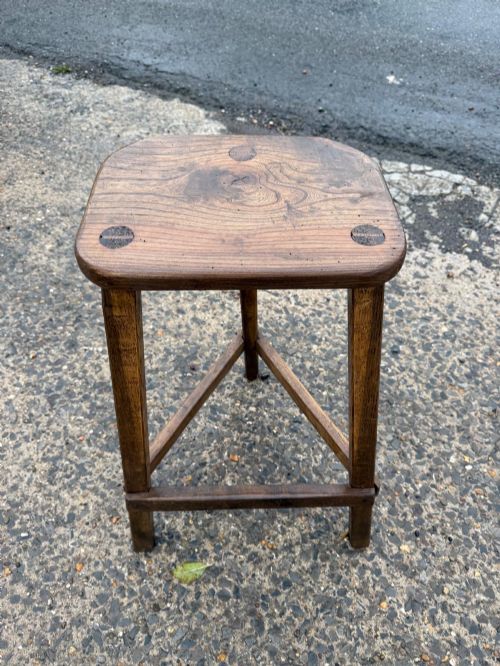
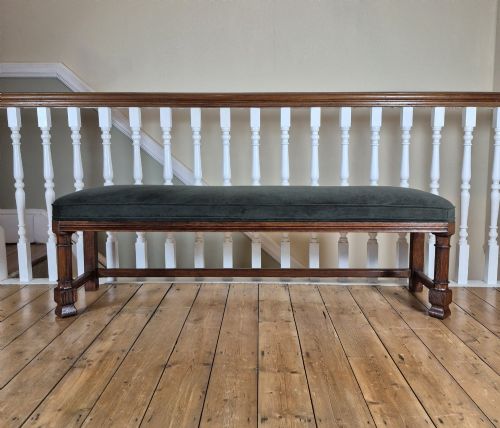
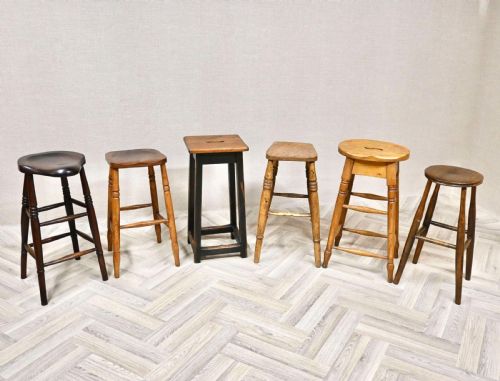
When searching for a 19th century oak stool, buyers encounter a diverse range of vernacular and formal seating types that reflect both rural utility and revivalist tastes. The selection spans low milking seats, tall workshop stools, jointed forms, and long benches designed for taverns and halls.
The pieces on this page originate from English and European workshops, capturing periods from the early decades through the Victorian era and the late 19th-century Arts and Crafts movement. Many exhibit regional vernacular traits, such as Windsor-style saddle seats or joined framing rooted in earlier centuries.
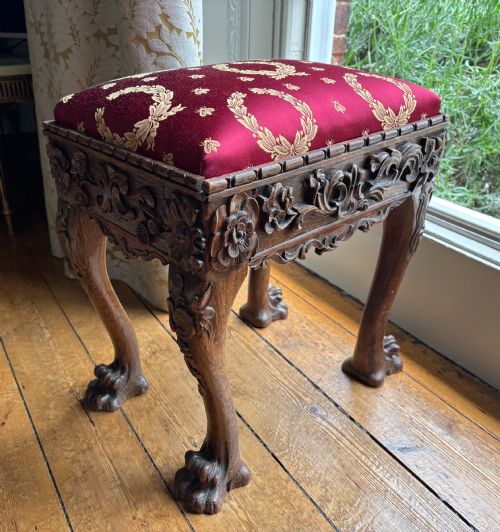
Functional seating forms dominate the offerings, including specialised pieces for clerks, artisans, and chapel attendees alongside domestic footstools and window seats. Oak frequently pairs with secondary timbers like elm, ash, and beech in these utilitarian designs.
Materials and Construction
Makers utilised durable timbers, primarily solid oak supplemented by elm, sycamore, and beech for seats and structural supports. Joinery methods relied heavily on traditional mortise and tenon joints, pegging, and turned underframing.
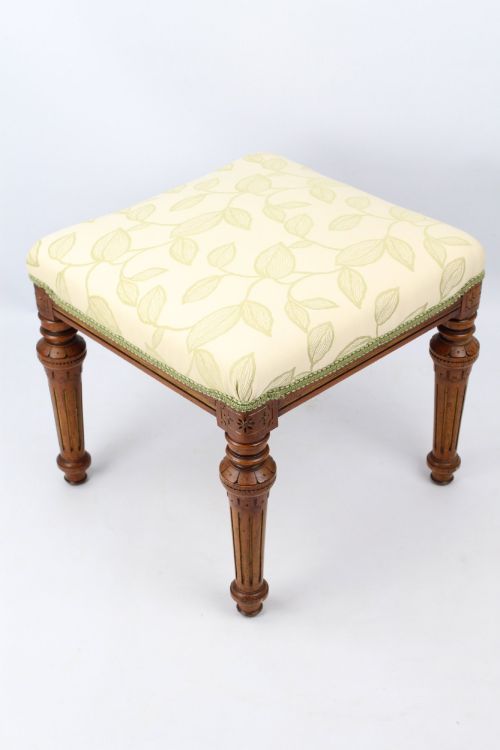
Secondary materials such as brass fittings, woven cane, and upholstered pads in linen or leather appear on specialised domestic and institutional examples. Surface treatments range from polished finishes to traces of original paint and waxed patination.
19th Century Oak Stool Retail Price Guide 2026
Typical asking prices for 19th century oak stool among the pieces listed under this phrase on Sellingantiques today, from the lower quarter to the upper quarter. They describe what is for sale here now, not the wider market.
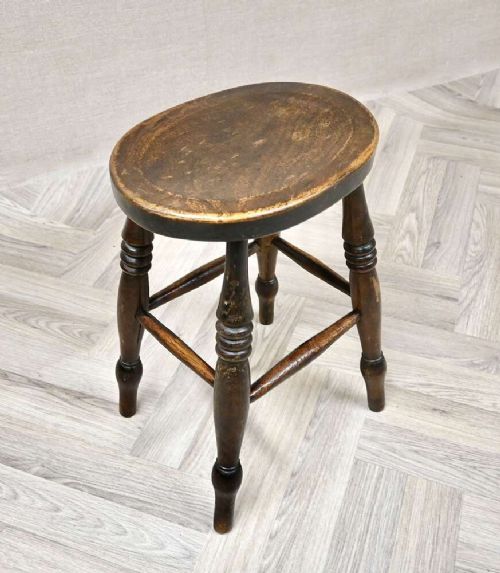
Several listings highlight comfortable bum-shaped seats designed for long hours at tall desks.
Evaluating Quality
Quality rests in the integrity of the timber selection, the tightness of the original joinery, and the degree of honest wear. Dense grain patterns and substantial timber thickness elevate utilitarian pieces, whereas refined carving distinguishes revivalist examples.
Proportion and structural balance dictate the success of a form, separating straightforward regional craftsmanship from mass-produced or heavily altered specimens. Original surfaces carrying deep patination hold greater distinction than stripped or over-restored timber.
James Shoolbred & Co·Liberty·R.Edwards
The 19th Century Oak Stool Glossary
- Joint stool
- A sturdy wooden seat constructed with mortise and tenon joints rather than turned legs alone. These pieces date back centuries in design influence and serve diverse domestic functions.
- Windsor stool
- A seat featuring spindles and legs wedged directly into a thick, saddle-shaped wooden bottom. This form provides ergonomic comfort through shaped timber.
- Clerk's stool
- A tall seating form designed for high desks in offices and counting houses. They often include footrests positioned between the legs.
- Gothic Revival
- A design style drawing inspiration from medieval architecture and ornamentation. Pieces in this manner frequently feature tracery, heraldic motifs, and pointed arches.
- Milking stool
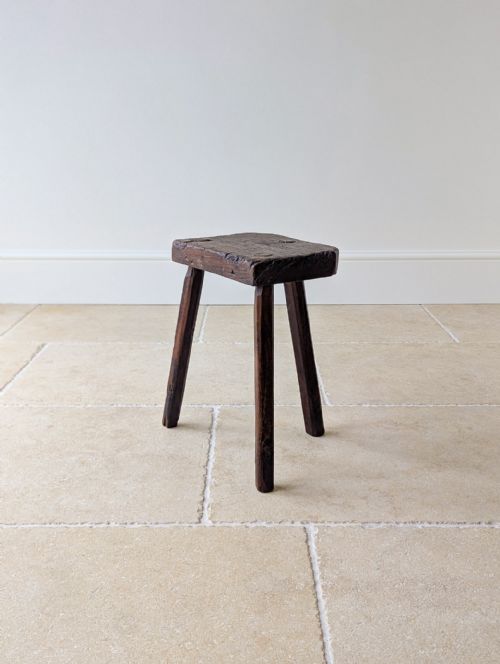
- A low, three-legged seat utilised in agricultural settings for daily chores. Their simple construction prioritizes stability on uneven floors.
19th Century Oak Stool: Frequently Asked Questions
How were these stools used originally?
These seats served daily utilitarian functions in domestic, agricultural, and industrial settings across homes, farms, and workshops. Specialised forms accommodated tradespeople like jewellers, clerks, and artisans during long hours of work.
Other variants provided seating in taverns, churches, and grand halls. Their robust build ensured they could withstand rigorous daily demands.
How do I distinguish regional styles?
Regional characteristics reveal themselves through timber choices, turning profiles, and seat shaping methods. English vernacular pieces often combine oak with native elm or ash.
Revival styles incorporate decorative motifs like heraldic carvings or Gothic tracery that point to specific aesthetic movements. Examining the underframing helps identify local workshop traditions.
How do I care for antique oak?
Maintain the timber by applying natural beeswax periodically to nourish the dry wood and preserve the surface sheen. Avoid placing pieces near direct heat sources or strong sunlight to prevent splitting.
Dust regularly with a soft, dry cloth. Gentle care protects the accumulated patination built up over generations.
Are these pieces comfortable for daily use?
Many examples feature ergonomic saddle-shaped seats designed to support the body during extended periods of sitting. Height variations mean some types suit low fireside seating while others match standard table heights.
Upholstered versions provide softer seating through padded linen or leather surfaces. Buyers should check dimensions carefully to ensure a fit for modern furniture.