

19th Century Oak Seating
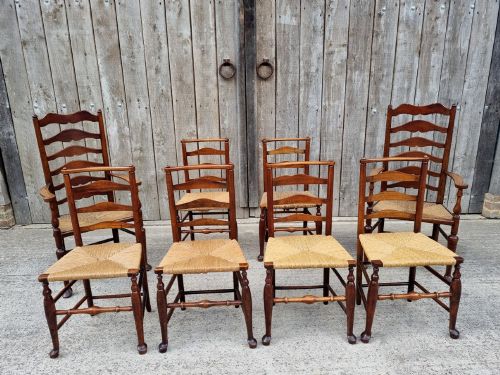
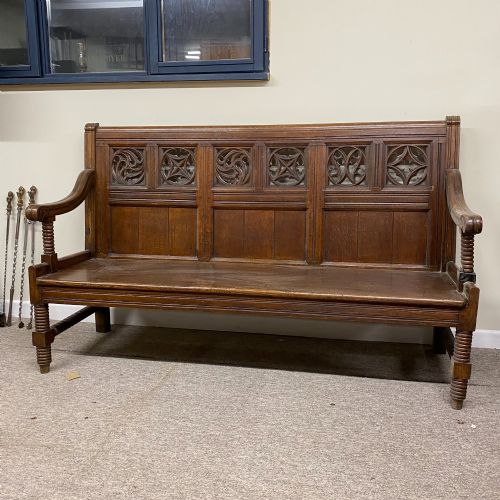
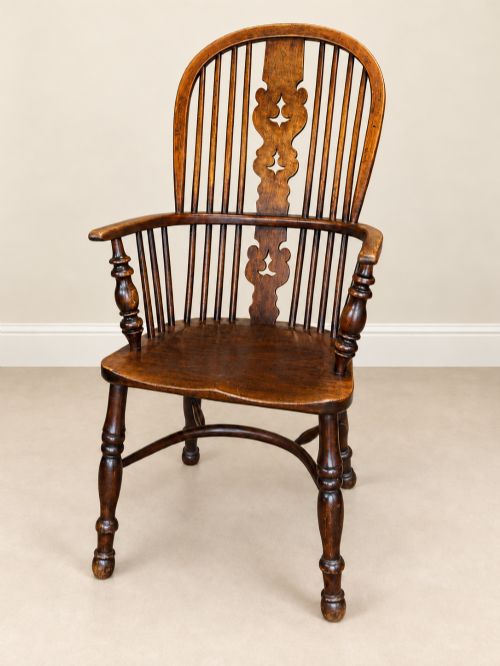
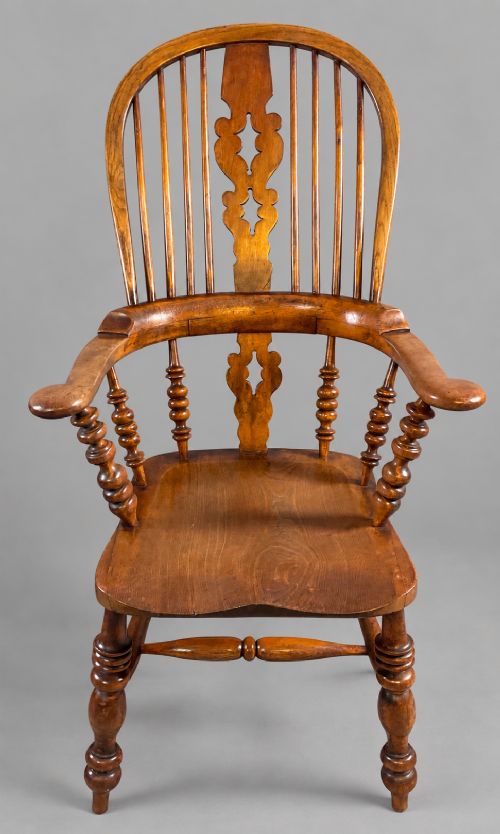
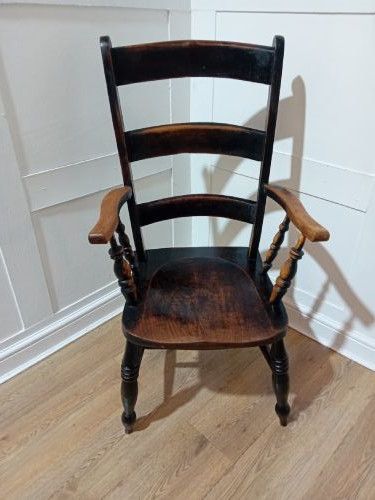
When you examine 19th century oak seating, you find robust tavern benches, dining sets, and Windsor chairs built for daily endurance.
19th Century Oak Seating
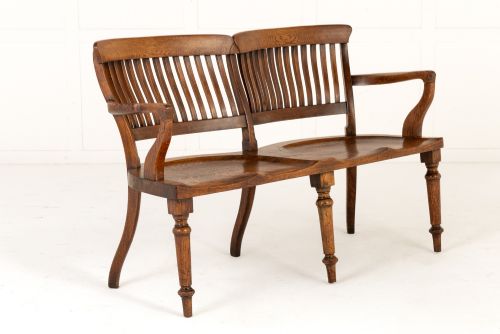
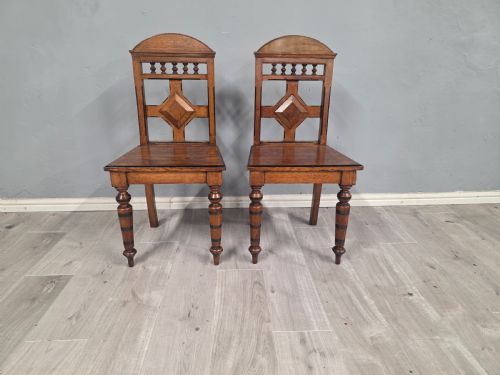
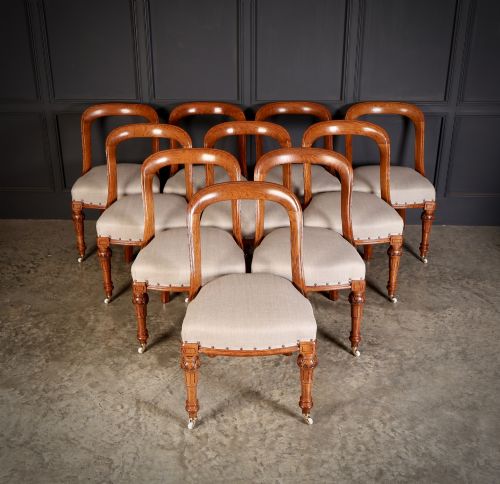
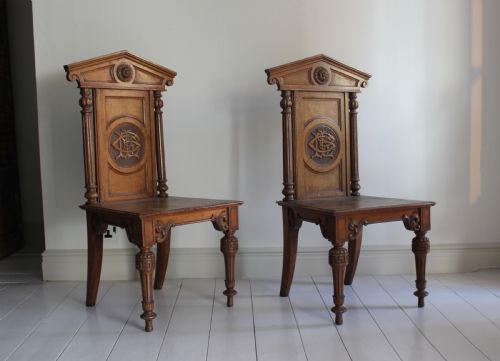
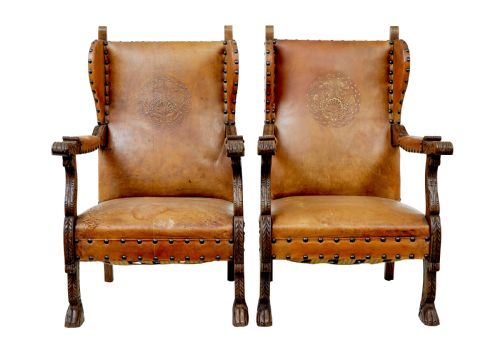
When buyers search for 19th century oak seating, they encounter a diverse array of domestic and public furniture spanning dining chairs, armchairs, benches, and various forms of stools. The selection ranges from formal Victorian dining sets to rustic tavern benches and architectural hall seats.
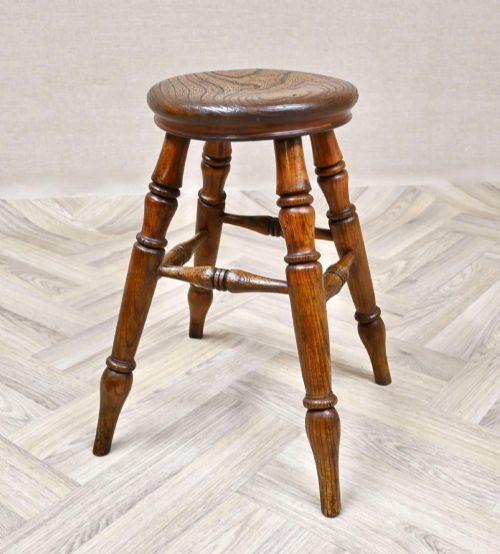
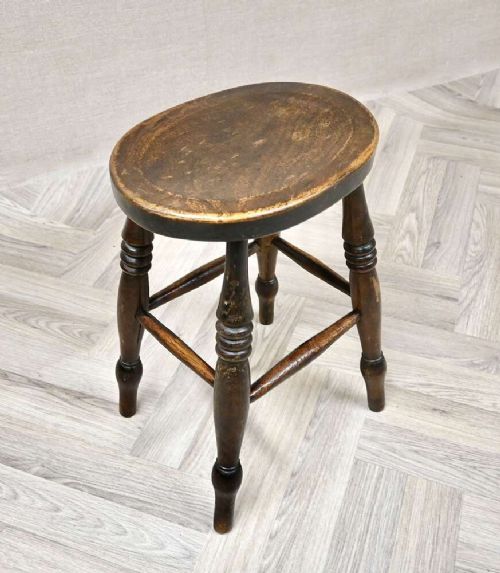
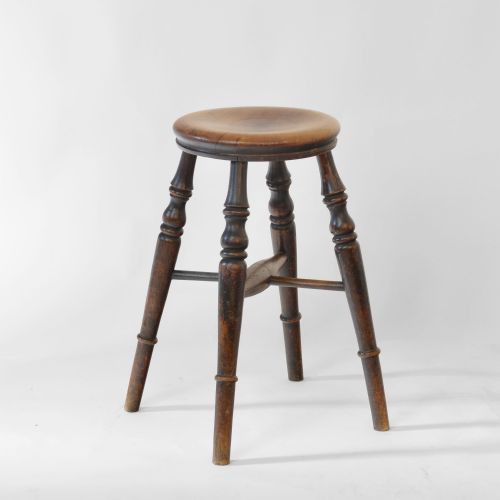
The most common examples on this page are dining chairs and hall chairs from the Victorian era, alongside sturdy country stools and settles. These pieces reflect both formal urban production and regional country craftsmanship across the nineteenth century.
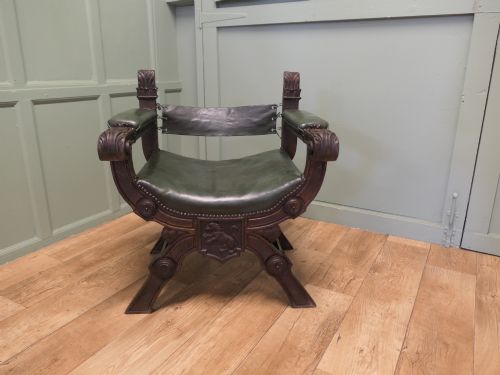
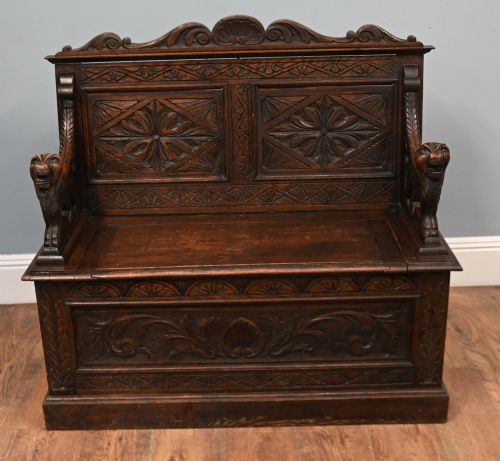
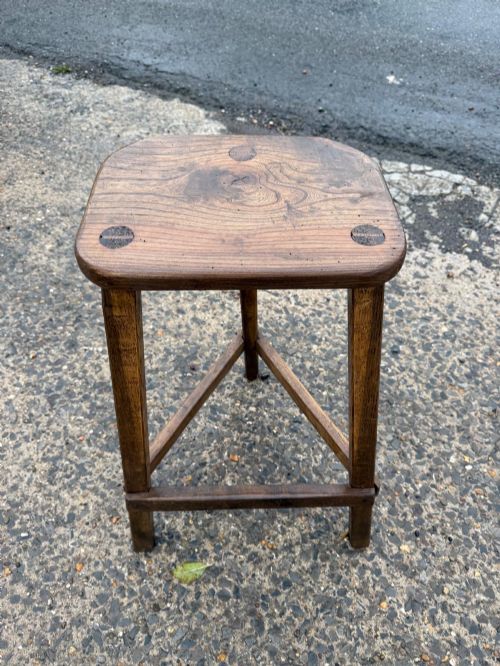
Forms extend from simple kitchen seating and clerk stools to sophisticated Gothic Revival library chairs and substantial oak benches with storage. Each type demonstrates how utilitarian seating evolved to meet specific nineteenth-century domestic and institutional needs.
Materials and Construction Methods
Makers relied primarily on solid oak, frequently paired with secondary woods like elm, beech, ash, and sycamore for seats or structural turnings. Leather and fabric upholstery appear on formal library armchairs and Gothic dining seats, whilst brass details occasionally accent finer frames.
Joinery techniques combined traditional framing with Windsor-style spindle construction, pegged joints, and bobbin turnings. Many pieces preserve original finishes that display the natural grain and colour of the hardwood accumulated over generations.
19th Century Oak Seating Retail Price Guide 2026
Typical asking prices for 19th century oak seating among the pieces listed under this phrase on Sellingantiques today, from the lower quarter to the upper quarter. They describe what is for sale here now, not the wider market.
The inventory ranges from simple rustic tavern seating to Gothic Revival library armchairs and architectural hall seats.
Distinctions in Quality
Quality rests upon the integrity of the timber selection and the retention of original surface finishes rather than decorative elaboration alone. Heavy gauge solid oak construction and well-preserved joinery separate utilitarian workshop output from finer cabinet-made examples.
The harmony of proportion and the survival of authentic upholstery materials or patinated timber surfaces determine the standing of an individual piece. Lesser examples often show indiscriminate timber replacement or heavy modern stripping that obscures the original character.
GIllows·Strahan
The 19th Century Oak Seating Glossary
- Windsor chair
- A chair built with a solid wooden seat into which the legs and back spindles are separately bored and wedged. This form relies on a sturdy hoop or comb back for rigidity.
- Settle
- A wooden bench featuring a high back to block drafts, frequently incorporating a box seat with internal storage beneath the lid. They were standard fixtures in period kitchens and taverns.
- Gothic Revival
- A nineteenth-century design style drawing inspiration from medieval architecture, characterised by pointed arches, tracery, and heavy carved oak frames.
- Hall chair
- A rigid, upright wooden chair positioned in an entrance hall or corridor, often carved with family crests or architectural motifs rather than padded for comfort.
- Lathe back
- A chair back constructed with turned wooden spindles shaped on a lathe, common in regional country seating variants.
19th Century Oak Seating: Frequently Asked Questions
How do I identify a genuine nineteenth-century oak dining chair?
Examine the construction methods underneath the seat, looking for hand-cut joinery, pegged joints, and natural timber shrinkage consistent with age. Genuine examples show authentic surface wear and patination accumulated across the Victorian period.
Check for consistency in the timber grain and the use of secondary woods like elm or beech in the undercarriage, which typifies nineteenth-century workshop practices.
Were oak benches used indoors or outdoors?
Nineteenth-century oak benches and settles were strictly interior furniture, positioned in hallways, dining rooms, taverns, and libraries for domestic or institutional seating. Their heavy solid wood construction was meant for permanent indoor placement.
Exposing such historic hardwood to outdoor elements damages the dry timber and destroys the original patinated surface finish.
What is the difference between a hall chair and a dining chair?
Hall chairs are rigid, upright wooden seats designed for brief occupancy in entranceways, frequently featuring carved crests, solid timber seats, and architectural panels. They prioritised display and heraldic presentation over comfort.
Dining chairs are scaled for prolonged sitting around a table, sometimes featuring upholstered leather or fabric seats and lighter frames suited to domestic dining.
How should I care for antique oak seating at home?
Maintain antique oak by placing seating away from direct heat sources and strong sunlight, which dry out the timber and cause splits. Apply a microcrystalline wax sparingly to nourish the wood surface.
Avoid using modern liquid polishes containing silicone, as they penetrate the historic finish and damage the natural patina built up over generations.