
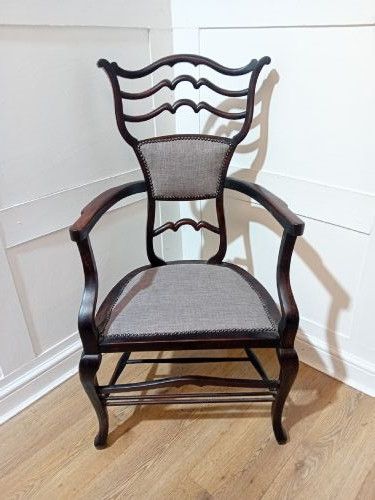
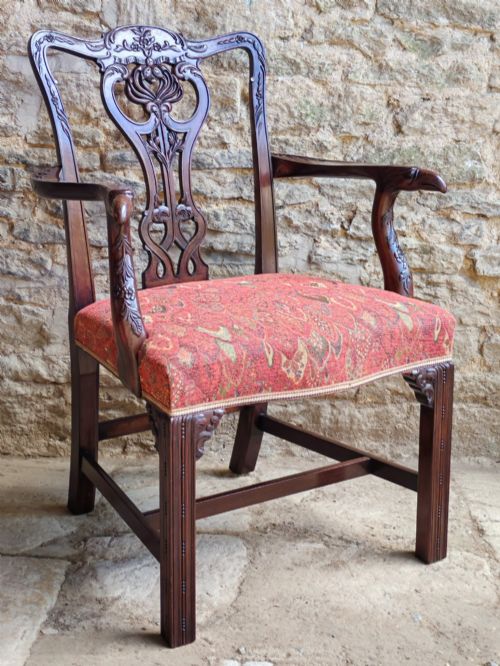

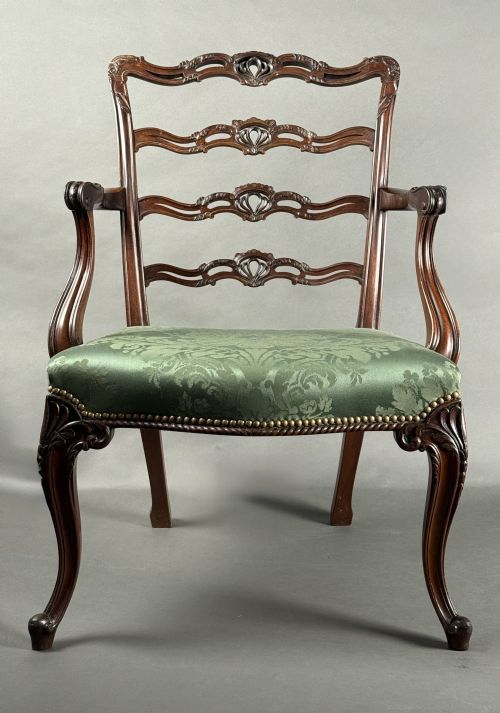
Antique Carved Carver Chair
An antique carved carver chair brings architectural weight to a room, offering sturdy elbow support and hand-carved detail honed by centuries of cabinet-making.

Antique Carved Carver Chair
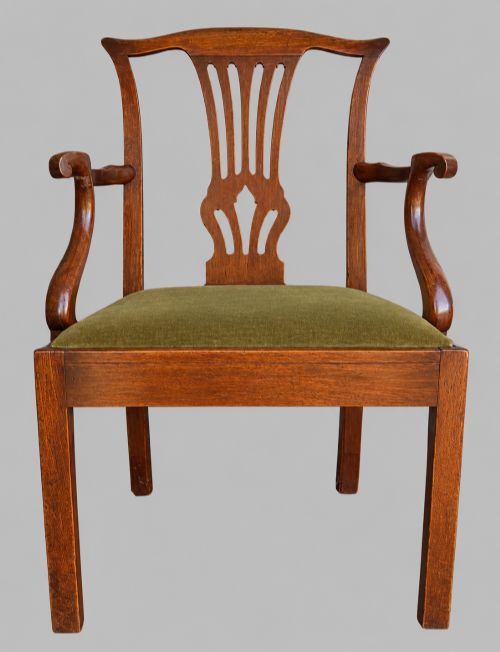
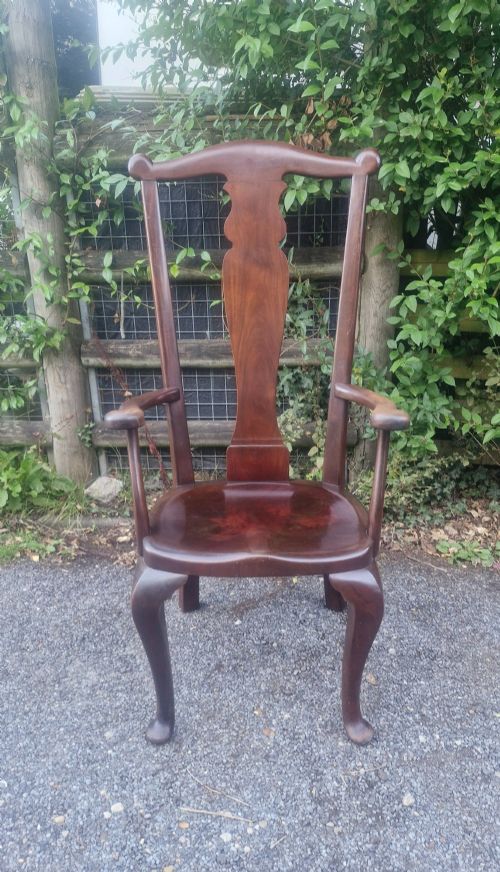
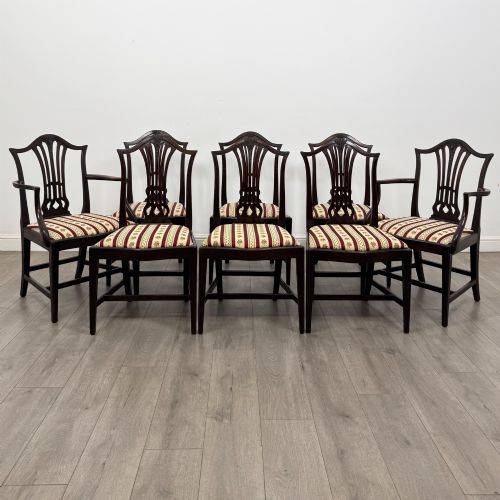
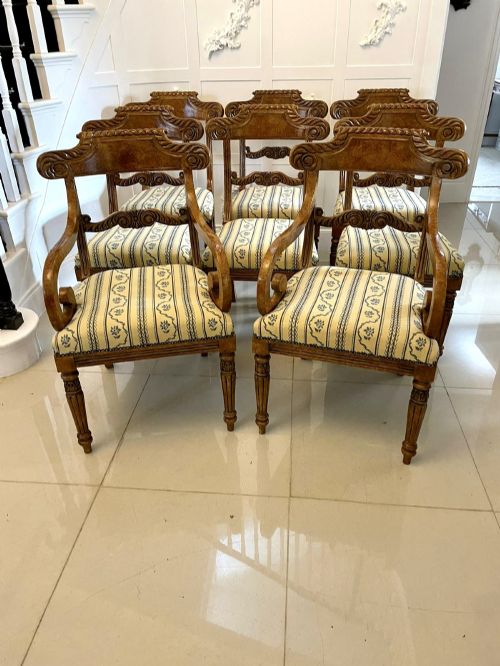
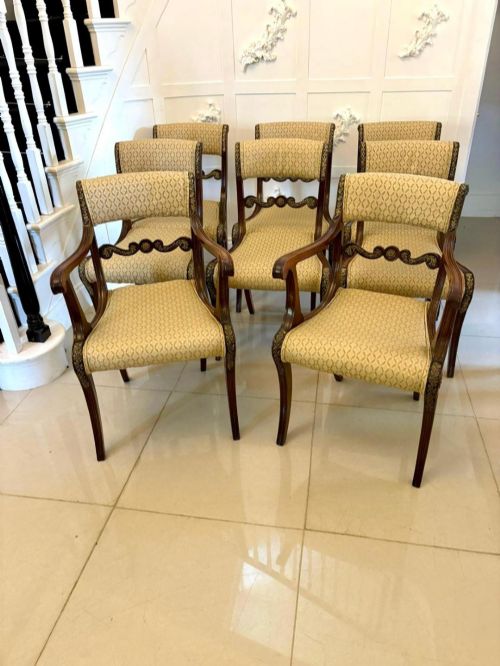
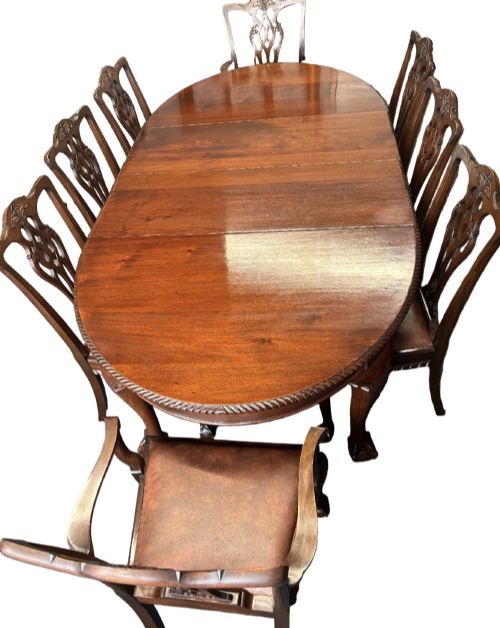
An antique carved carver chair functions as an armed seat designed to sit at the head of a dining table or serve as a desk armchair. The pieces meeting this search phrase span centuries from the seventeenth through to the early twentieth, drawing on styles such as Regency, Chippendale, and Victorian.
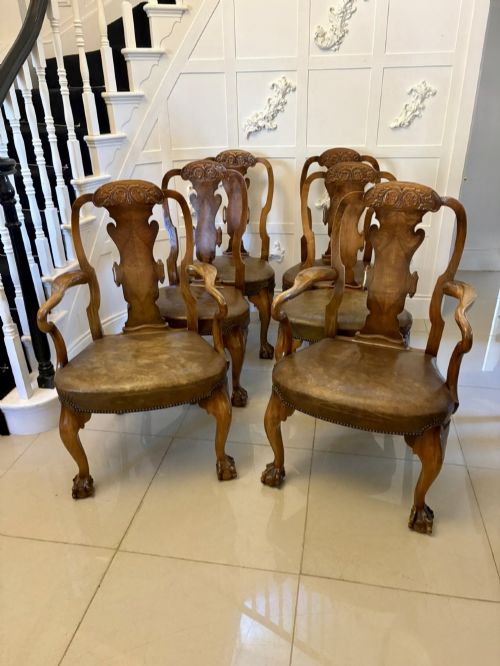
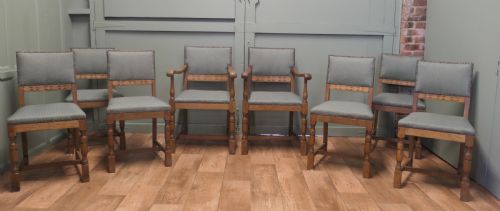
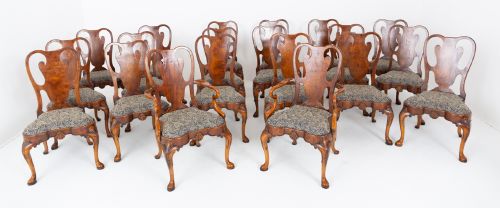
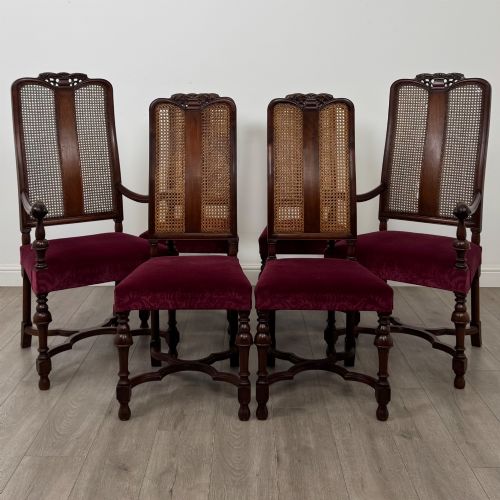
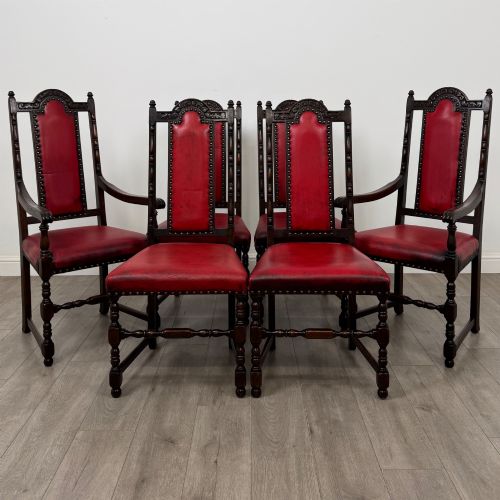
The dominant forms recorded in the evidence include mahogany elbow chairs, oak dining sets with carved backs, and walnut library seats. Buyers encounter single armchairs alongside matched sets that incorporate carvers alongside side chairs.
Origins stretch across English workshops, Scottish makers, and Swedish design influences, utilising timber frames built for daily domestic use.
Materials and construction methods
Makers built these carvers primarily from dense hardwoods like mahogany, oak, and walnut, complemented by secondary timbers for internal framing. Craftspeople shaped the wood using hand tools, executing pierced splats, scroll arms, and relief carving directly into the solid timber.
Upholstery materials such as leather, velvet, brass nails, and woven fabric appeared on padded seats, secured to frames joined by traditional mortise and tenon methods.
Some nineteenth-century carvers feature secret faux birds-eye maple surfaces designed to trick the eye.
Factors that define the grade
The standard of a carver rests on the crispness of the hand-carving and the integrity of the timber framing. Crisp undercut foliage and sharply defined splats distinguish superior workshop output from simpler production.
Proportion and structural soundness dictate the tier of the piece, with heavier gauge timbers and integrated arm joints commanding attention over later replacements.
Howard and Sons·Warings·Maple and Co·Alfred Allen of Birmingham
The Antique Carved Carver Chair Glossary
- Carver chair
- An armchair designed with open sides to accommodate voluminous historical clothing, typically used at the head of a dining table.
- Splat
- The vertical wooden strip down the centre of a chair back, frequently pierced or carved in revival styles.
- Elbow chair
- An alternative term for an armchair, referencing the supportive wooden rests framing the sides of the seat.
- Shield back
- A chair back shaped like a heraldic shield, popularized during the eighteenth century and revived later.
- Scroll arm
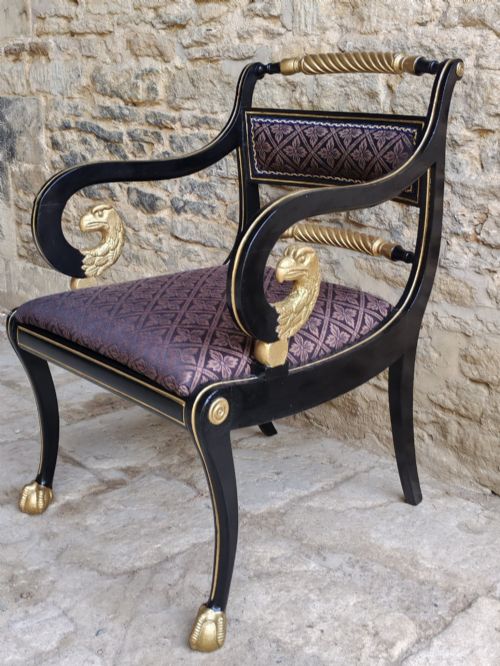
- An arm terminal curved outward in a spiral scroll shape, seen on Regency and Victorian carvers.
Antique Carved Carver Chair: Frequently Asked Questions
Where should I place an antique carver?
These armchairs suit desk spaces, reception rooms, or paired at opposite ends of a dining table. Their sturdy wooden frames and carved backs provide a focal point against plain walls.
Ensure the arm height clears the underside of your desk or table before positioning the chair for daily sitting.
What woods were used for these chairs?
Cabinet-makers relied heavily on mahogany, oak, and walnut for structural durability and rich grain patterns. Elm and maple also appear in specific regional or decorative pieces.
Surface finishes range from polished mahogany patination to waxed oak and burr walnut veneers.
How do I care for antique upholstery?
Maintain fabric or leather seats by keeping them away from direct sunlight and artificial heat sources. Regular dusting with a soft cloth preserves the surrounding carved woodwork.
Avoid harsh chemical cleaners on antique leather or velvet surfaces to prevent drying and fibre degradation.