




Victorian Oak Elbow Chair
A victorian oak elbow chair brings honest nineteenth-century timber and sturdy joinery straight into a room, offering both a commanding seat and a practical desk or fireside perch.
Victorian Oak Elbow Chair
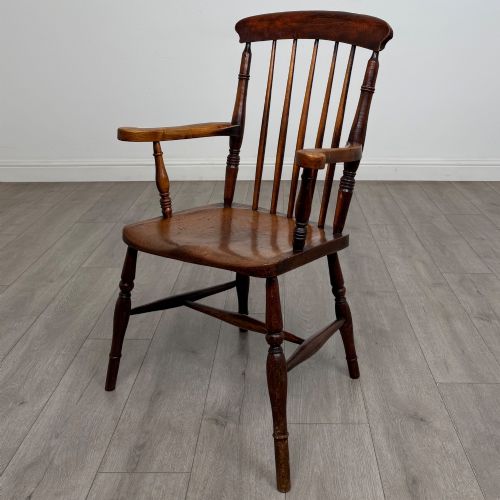
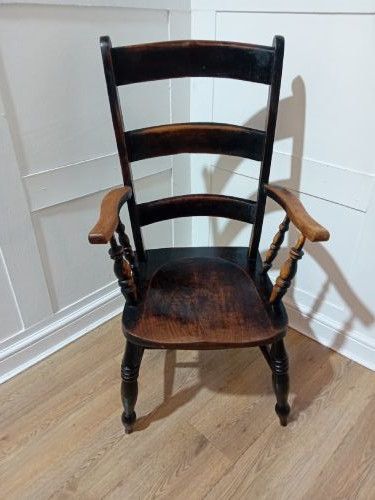
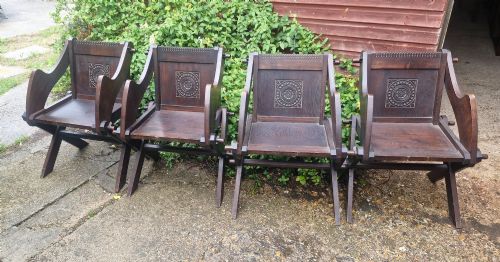
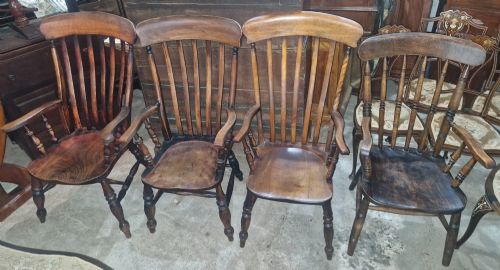
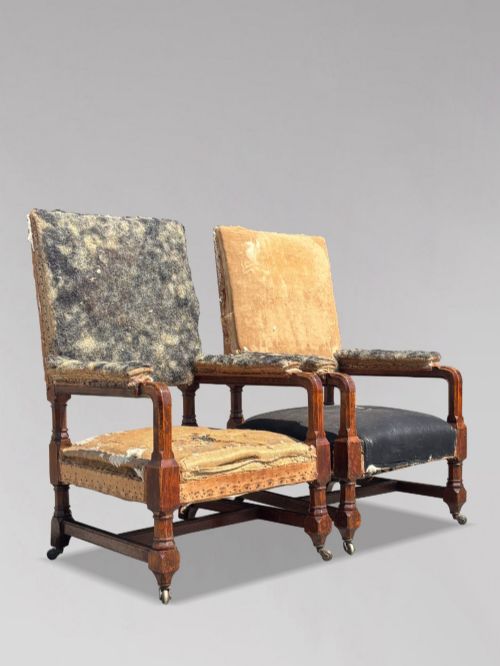
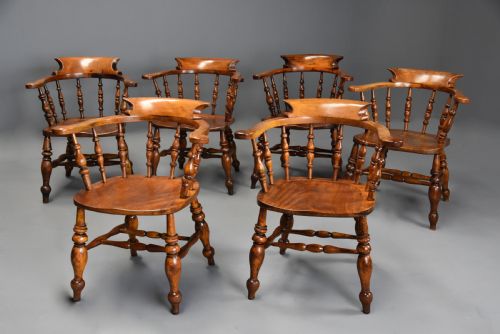
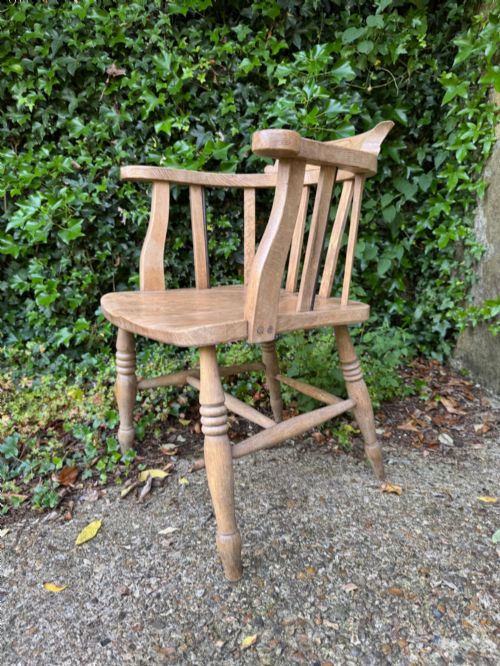
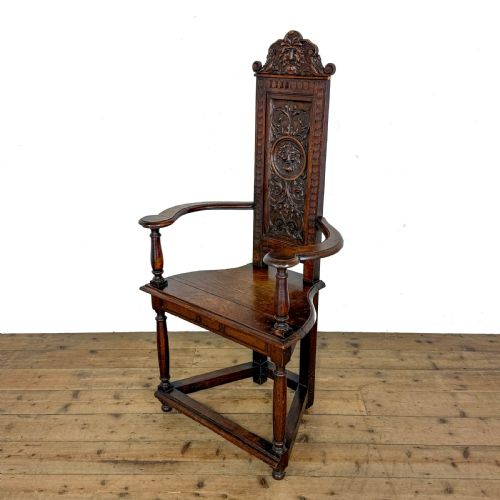
A victorian oak elbow chair encompasses a diverse range of nineteenth-century seating forms, from robust farmhouse windsors and smokers bows to ecclesiastical gogthic revival styles and heavy carved library carvers. Buyers seeking this phrase encounter sturdy timber frames designed for daily utility, often featuring low armrests, supportive spindles, or upholstered leather seats.
The selections span country workshops and urban revival movements, showing regional variations such as Thames Valley oxfords, Yorkshire armchairs, and Welsh glastonbury seats. Many examples date from the mid to late nineteenth century, reflecting periods like the Victorian, Edwardian, and arts and crafts eras.
How they were made
Craftsmen built these chairs predominantly using solid oak, frequently paired with secondary woods like elm, beech, and ash for seats, spindles, or structural turnings. Construction methods relied on traditional joinery, including pegged mortise and tenon joints, steam-bent armbows, and turned spindles fitted into shaped timber seats.
Surface treatments incorporated natural wax finishes, carved details in gothic or jacobean revival styles, and occasional upholstery in leather, rush, or woven hide. Brass tacks and iron fixings secured pads and upholstery where specified, while turned elements utilised pole lathes and traditional woodturning techniques.
Several armchairs incorporate woven leather seats that whisper quietly whenever someone shifts weight.
What varies in quality
Quality rests on the integrity of the timber, the crispness of hand-carved ornamentation, and the preservation of original surfaces and patination. Superior examples retain matching timber components across sets and exhibit tight, untampered joints rather than extensive structural replacements.
The presence of regional vernacular character, such as well-turned spindles and deeply sculpted elm or oak seats, separates everyday utility seating from finer exhibition or revival pieces. Workshop precision in historical turnings and original leather or rush work elevate an individual chair above standard workshop production.
The Victorian Oak Elbow Chair Glossary
- Elbow chair
- A seating term describing any chair fitted with armrests, frequently used interchangeably with carver, arm chair, or captain's chair. These pieces often served at desks, dining tables, or firesides.
- Windsor
- A traditional wooden chair construction featuring a solid saddle-shaped seat into which legs and back spindles are directly wedged. Regional variations include stick back, lathe back, and high back forms.
- Gothic Revival
- An architectural and decorative style popular during the nineteenth century that reinterpreted medieval pointed arches, trefoils, and heavy carved tracery. Chairs in this style display structural pointed motifs.
- Smokers bow
- A low-backed Windsor variant with a continuous curved armrail supported by turned spindles, often recognised as a captain's chair. They were common in nineteenth-century public houses and parlours.
- Turner's chair
- A sturdy arm chair constructed entirely from cylindrical and triangular turned wooden members, sometimes referred to as an old saxon chair. These historic forms experienced revivals during the Victorian period.
- Carver
- A dining or hall chair featuring arms, typically manufactured as part of a larger set that included matching side chairs without arms. They sat at the heads of tables or along hallways.
Victorian Oak Elbow Chair: Frequently Asked Questions
Where should I put a victorian oak elbow chair?
These chairs suit studies, hallways, and living rooms where sturdy seating is needed. Their proportions make them practical desk companions or accent pieces beside a fireplace.
Because the timber tones and revival styles vary from gothic to arts and crafts, they anchor both traditional and contemporary interiors as functional focal points.
How do I identify a gogthic revival elbow chair?
Look for pointed arch motifs, trefoils, and carved architectural tracery integrated into the back splat or crest rail. These design cues reflect nineteenth-century reinterpretations of medieval architecture.
They often appear heavier and more formal than country Windsor or spindleback counterparts, utilising solid oak construction.
Are these chairs comfortable for daily sitting?
Most models offer supportive wooden saddle seats or padded leather upholstery designed for upright posture at desks or tables. Nineteenth-century ergonomics prioritized sturdy support over deep modern cushioning.
Adding a loose period-appropriate cushion can adjust the seating height and comfort level for extended use.