

19th Century Carved Armchairs
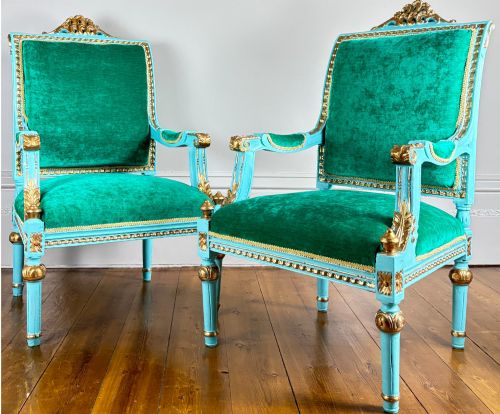
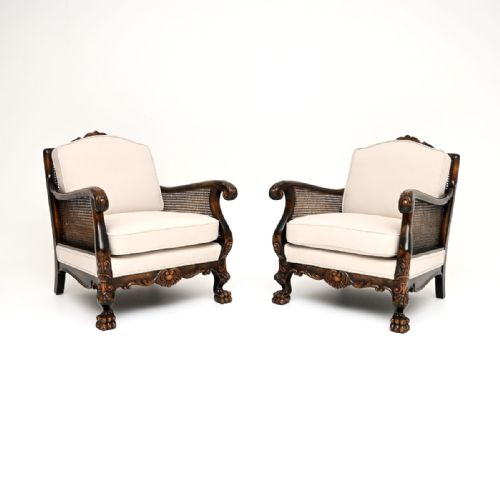
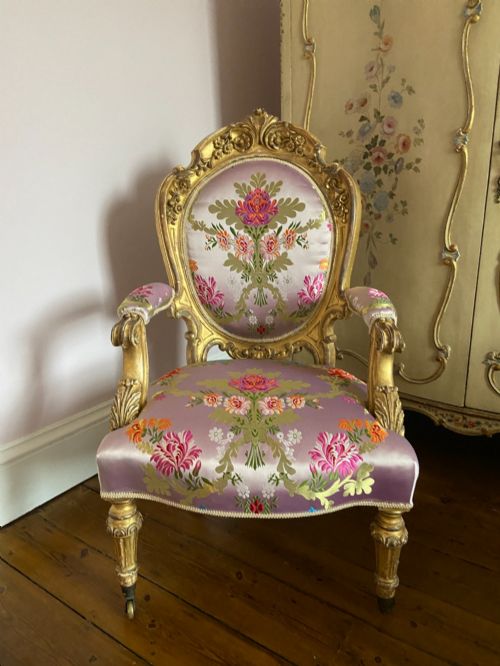
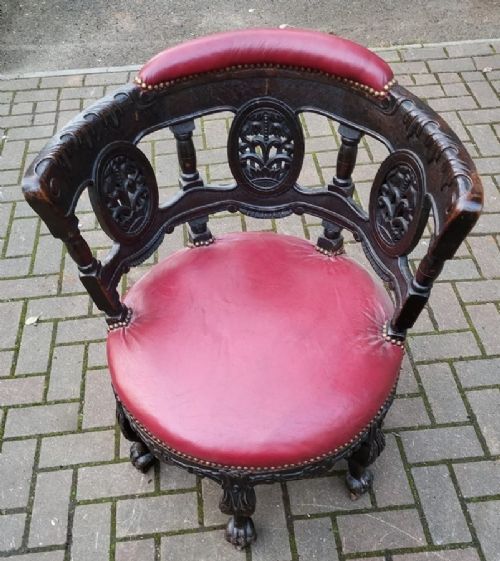
These 19th century carved armchairs range from heavy oak library seats to giltwood salon chairs, offering distinct historical character for daily seating.
19th Century Carved Armchairs
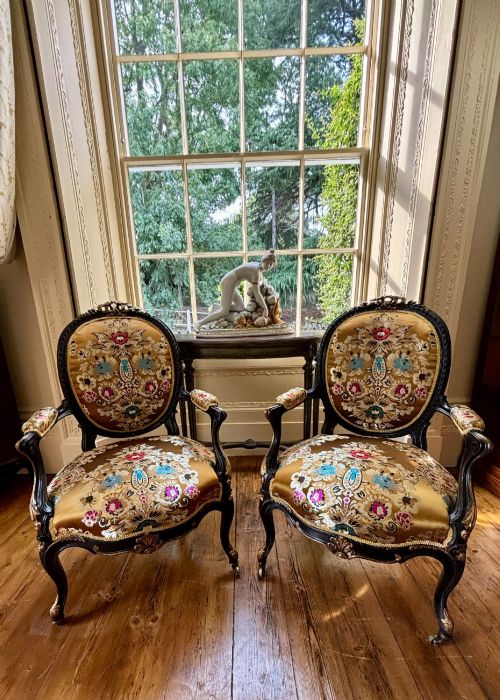
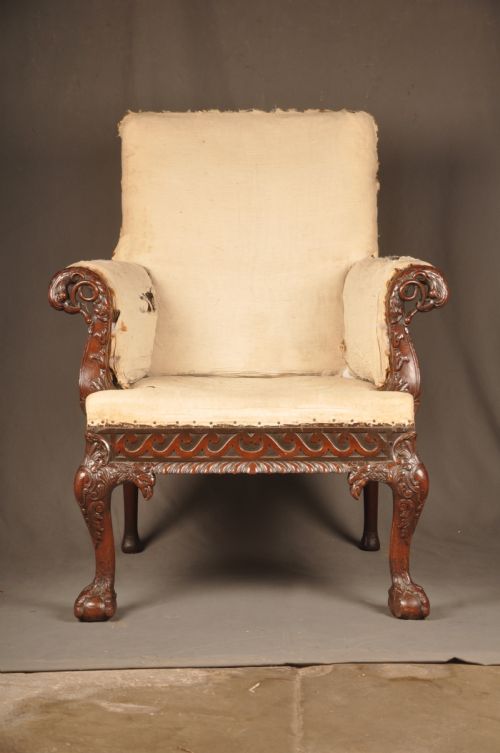
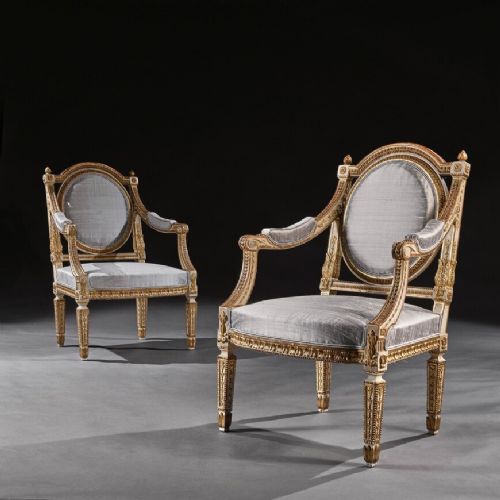
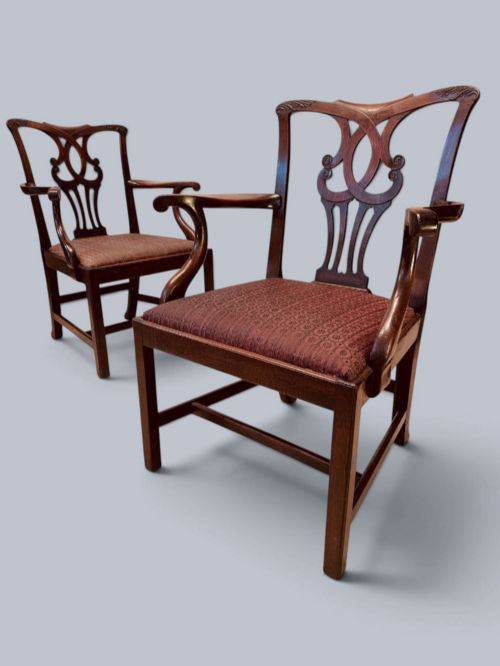
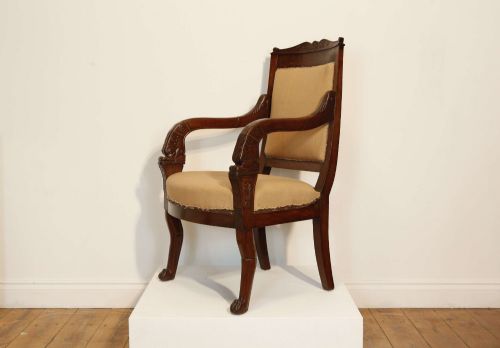
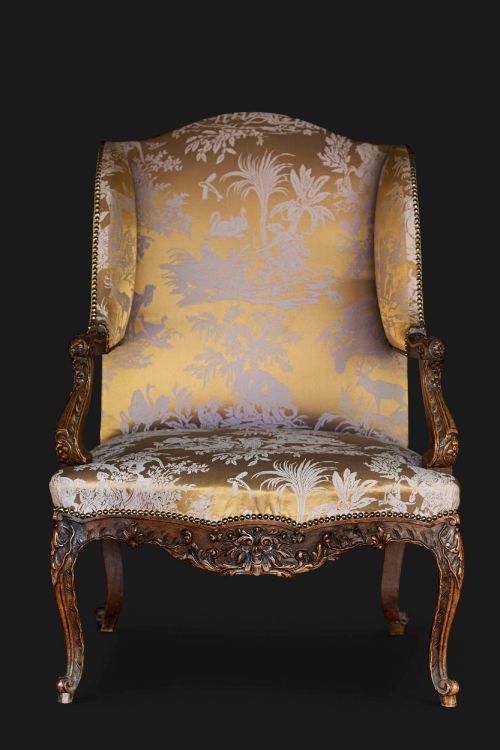
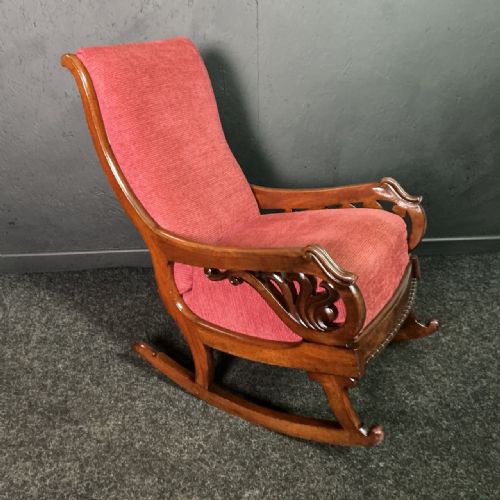
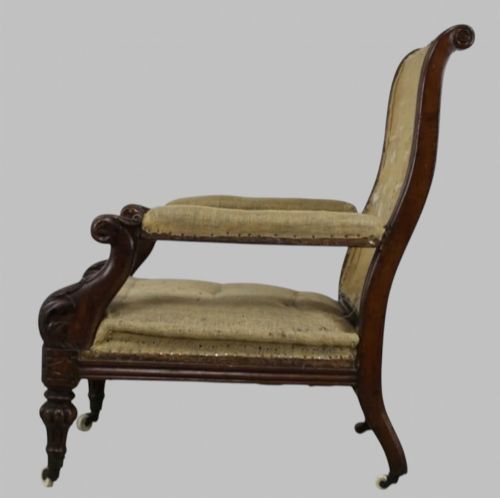
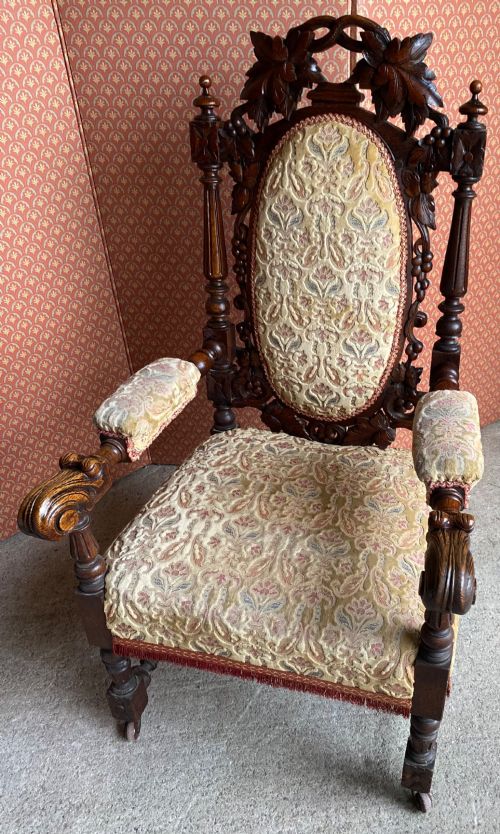
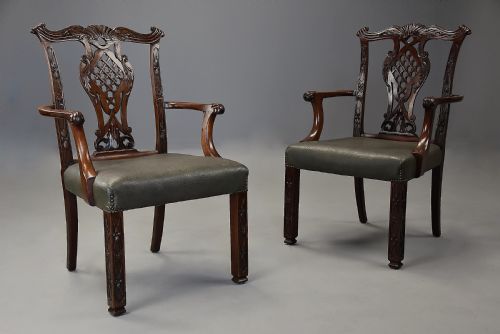
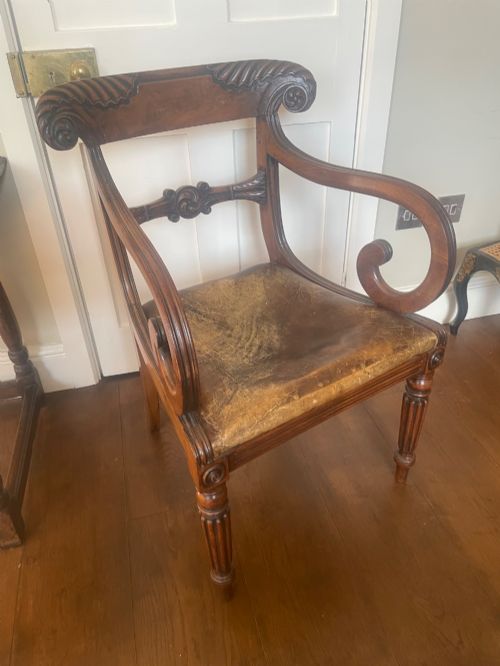
When searching for 19th century carved armchairs, a buyer explores a broad selection of seating shaped by Victorian, Regency, and Georgian influences. The most common versions met on this page include mahogany dining carvers, walnut library chairs, and French-style giltwood salon seats.
The assortment spans diverse regional workshops, encompassing English oak and mahogany designs alongside continental walnut pieces, Anglo-Indian hardwoods, and Ceylonese ebony. These forms function as practical library chairs, desk seats, and formal armchairs.
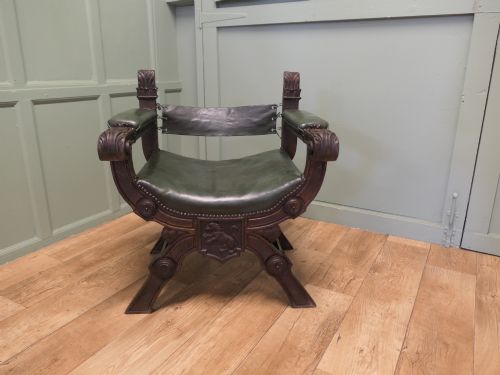
Makers of the period adapted earlier historical styles, creating pieces that reflect Gothic Revival, Louis XV, and Renaissance Revival aesthetics. Buyers encounter everything from sturdy elm Windsor chairs to heavily carved throne seats.
How they were made
Cabinetmakers constructed these frames using dense timbers such as mahogany, walnut, oak, and rosewood, which supported deep relief carving and structural joints. Giltwood pieces utilised applied gold leaf over gesso and carved wood bases, while other frames incorporated parcel gilt highlights.
Upholstery techniques involved traditional stuffing secured beneath fabric, leather, needlework, velvet, or tapestry covers, sometimes finished with decorative buttons. Caned panels also appeared in seat backs and frames, particularly on French-influenced seating.
19th Century Carved Armchairs Retail Price Guide 2026
Typical asking prices for 19th century carved armchairs among the pieces listed under this phrase on Sellingantiques today, from the lower quarter to the upper quarter. They describe what is for sale here now, not the wider market.
Listings feature walnut, mahogany, oak, and rosewood frames paired with leather, velvet, tapestry, and cane surfaces.
What varies in quality
The standard of carving defines the upper tier of these armchairs, distinguishing crisp, deep hand-chiselled detail from softer, repetitive machine finishing. Timber selection and grain figure further separate standard production from exhibition pieces.
Original upholstery methods and the survival of primary decorative surfaces, such as untouched giltwood or patinated leather, determine the integrity of a piece. Structural stability within the joints and the crispness of applied ornamentation indicate superior workshop output.
Jacob-Desmalter
The 19th Century Carved Armchairs Glossary
- Carver
- An armchair designed to match a set of dining chairs, usually featuring open arms. These pieces often sat at the head of a dining table.
- Giltwood
- Wood coated with a thin layer of gold leaf. This finish was common on formal European salon and reception armchairs.
- Fauteuil
- An open-armed French armchair with upholstered back and seat, exposed wooden frame, and padded armrests. Originating in the seventeenth century, these frames saw heavy revival production throughout the nineteenth century.
- Library armchair
- A sturdy, deep-seated chair designed for reading rooms, frequently finished in leather or heavy fabric. They often incorporate revolving mechanisms or upholstered arm supports.
- Windsor armchair
- A wooden chair constructed with turned legs and spindles slotted into a solid contoured seat. Regional variations include high backs and elm or birch construction.
19th Century Carved Armchairs: Frequently Asked Questions
How do I identify a Victorian armchair?
Victorian armchairs typically display heavier proportions and deeper carving than their Georgian or Regency predecessors. They often utilise walnut, mahogany, or oak with Revival styles such as Gothic or Rococo influences.
Look for original upholstery methods like buttoning and sprung seats, which became widespread during this period. Makers frequently incorporated turned legs, scroll arms, and heavy castors.
Where were these armchairs used?
These seating pieces served specific functions across nineteenth-century interiors, from formal drawing rooms and libraries to private dressing rooms and halls. Smaller armchairs functioned as nursing seats or desk chairs, while large throne and library chairs anchored main reception spaces.
Dining carvers stood at the ends of tables, matching sets of single chairs. Salon suites provided coordinated seating for entertaining guests.
Are French and English armchairs different?
French armchairs from this era generally follow Louis XV or Louis XVI revival styles, featuring exposed giltwood or painted frames, cabriole legs, and elaborate floral carving. English versions tend to emphasise the natural grain of mahogany, oak, or walnut with structural restraint.
English designs often prioritize utility in libraries and dining rooms, whereas continental pieces leaned toward decorative display in formal salons.
How do I care for antique upholstery?
Preserving original needlework, leather, or tapestry requires shielding the fabric from direct sunlight and maintaining stable room humidity. Gentle vacuuming with a soft brush attachment removes surface dust without stressing fragile fibres.
Leather surfaces benefit from periodic treatment with appropriate conservation waxes or balms to prevent cracking. Professional restoration should handle any structural repairs to internal webbing or stuffing.