
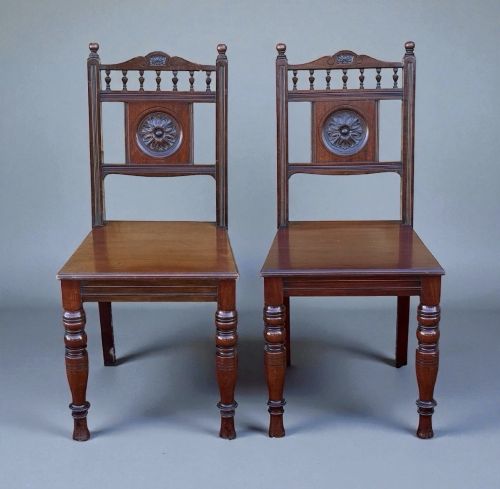
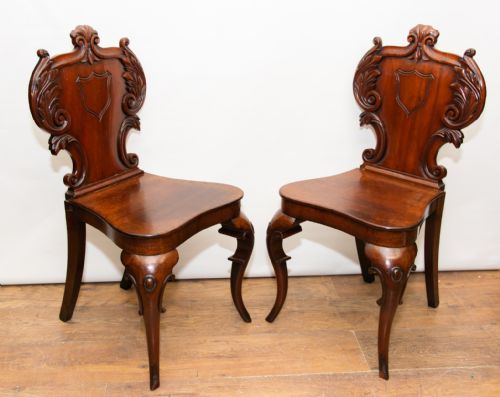


Brown Wooden Entry Chair
A brown wooden entry chair offers a practical and striking seat for a hallway, combining period timber craftsmanship with functional design.
Brown Wooden Entry Chair
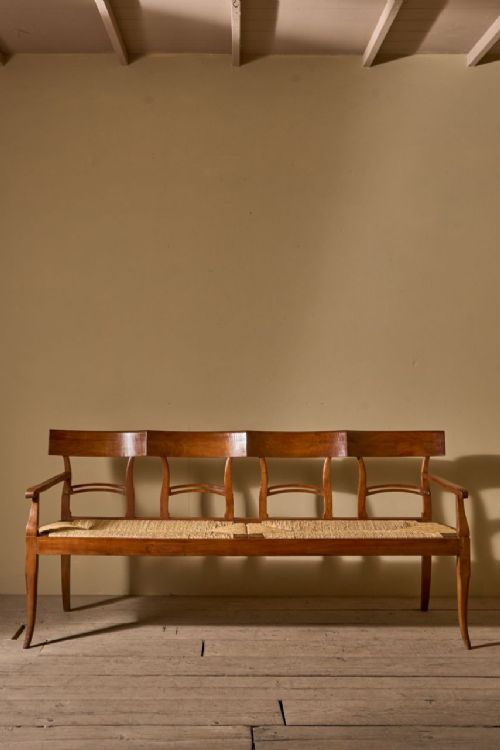
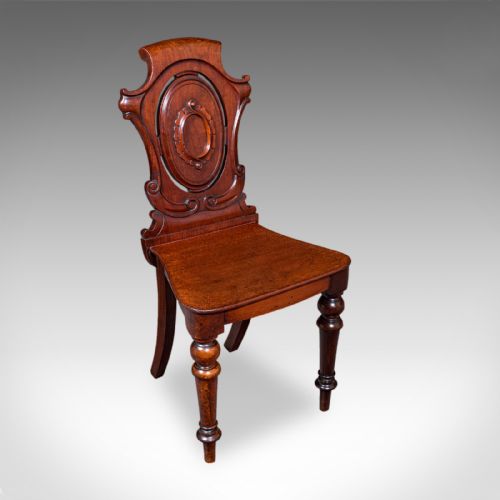
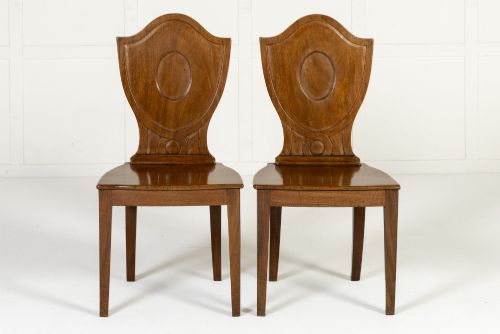
A brown wooden entry chair primarily comprises historical hall chairs and benches designed for reception spaces and corridors. These pieces originate across the Georgian, Regency, and Victorian eras, bringing architectural presence to an entrance.
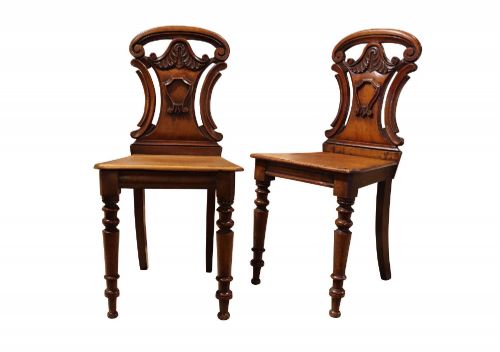
Makers focused these seating forms for passages and porches where durability and formal appearance mattered. The survival of pairs and sets highlights their original placement flanking a hallway or entrance.
Materials and Construction
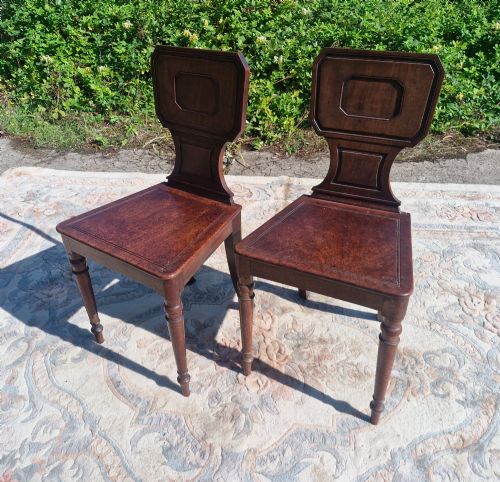
Cabinet makers utilised dense hardwoods such as mahogany, oak, and walnut to build these robust entrance seats. Pitch pine and cherrywood also appear, sometimes paired with rush seating or enhanced by paint finishes.
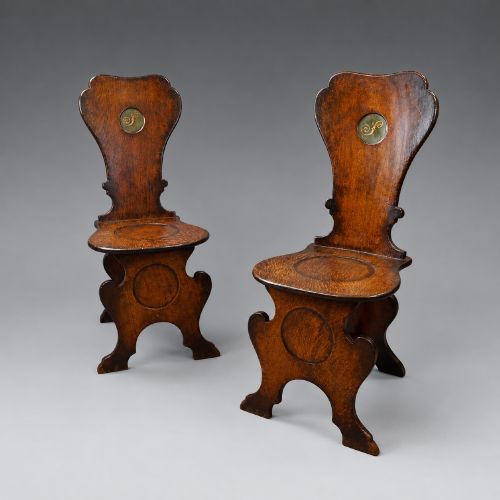
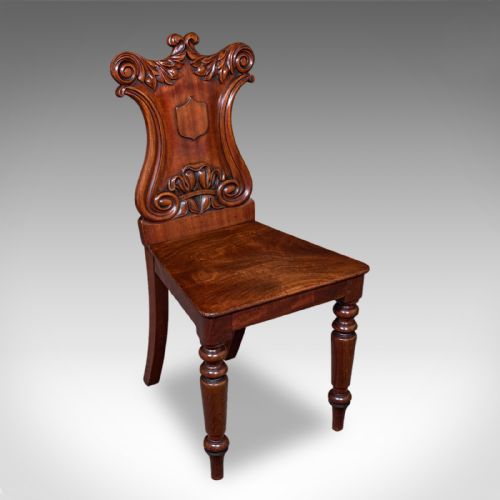
Carpenters shaped solid timber panels for carved shield backs, oval forms, and shell motifs characteristic of Regency and Victorian design. Frame construction relied on sturdy joinery to withstand daily use in busy corridors.
Some hall chairs feature carved wooden grooves specifically designed to keep visiting top hats from rolling onto the floor.
Assessing Craftsmanship and Detail
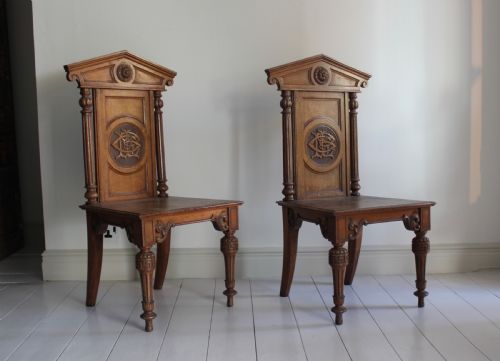
Quality rests in the crispness of the carved wood details, from deeply sculpted shell backs to intricate Gothic tracery. Finer examples display superior timber selection with rich grain figures across solid seats and backboards.
Proportion and structural integrity distinguish standard production from workshop pieces attributed to prominent cabinet makers. The depth of the relief carving and the weight of the timber dictate the overall distinction of each seat.
Gillows·Holland & Sons
The Brown Wooden Entry Chair Glossary
- Hall Chair
- A rigid wooden seat traditionally placed in an entrance hall or corridor, often featuring a solid carved wood seat and a decorative back. These pieces were designed for brief seating rather than prolonged lounging.
- Shield Back
- A chair back shaped in the outline of a heraldic shield, popular during the Georgian and Regency periods. This form allowed carvers to display prominent crests or carved wood details.
- Gothic Revival
- An architectural and decorative style drawing inspiration from medieval design, featuring pointed arches and heavy tracery. This aesthetic strongly influenced Victorian oak and pitch pine hall seating.
- Sgabello
- A Renaissance style of chair featuring a wooden seat supported by trestle-like slab legs and a high back. This form appears in nineteenth century revival pieces meant for grand entries.
Brown Wooden Entry Chair: Frequently Asked Questions
Where should I place a brown wooden entry chair?
These pieces suit narrow hallways, boot rooms, and porches where a striking silhouette matters more than deep cushioning. Their upright stance makes them practical for pulling on shoes or welcoming guests.
Pairs look particularly balanced flanking a console table or positioned against a long corridor wall. They function well as standalone accent seats in wider landings too.
How do I care for antique wooden hall seats?
Maintain the timber by applying a traditional beeswax polish occasionally to nourish the dry wood grain. Avoid placing the chair in direct sunlight or close to heat sources which can cause the timber to split.
Dust the carved wooden details regularly with a soft cloth to prevent grime settling into the crevices. Solid wood surfaces respond best to gentle cleaning without harsh chemical sprays.
Were these chairs meant to be comfortable?
Historical hall chairs were designed primarily for formal reception spaces rather than long periods of sitting. Their rigid wooden seats and upright backs encouraged correct posture for callers waiting briefly in the entrance.
Makers prioritised decorative carving and architectural presence over soft upholstery. Consequently, buyers value them for their visual impact and historic form.
How can I tell the period of an entry chair?
Examine the wood selection, carving style, and construction methods to determine the era of manufacture. Regency examples often feature mahogany with classical shield backs, while Victorian pieces frequently incorporate heavier oak and Gothic revival motifs.
Tool marks on the underside and the natural ageing of the timber provide further clues to age. Comparing the carved details against documented workshop styles helps narrow down the decade.