


19th Century Nomadic Weaving
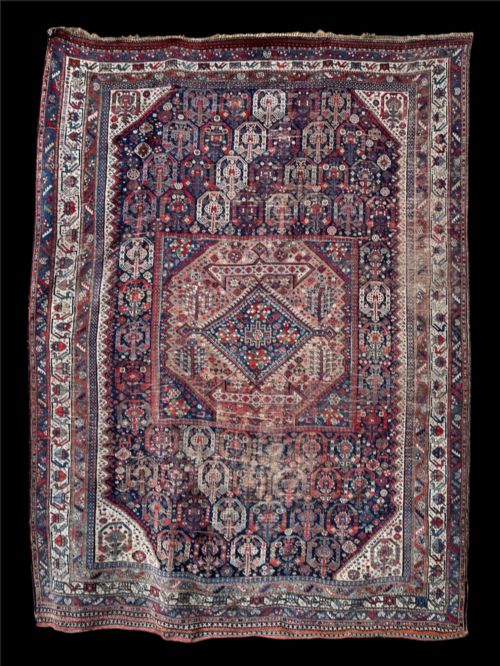
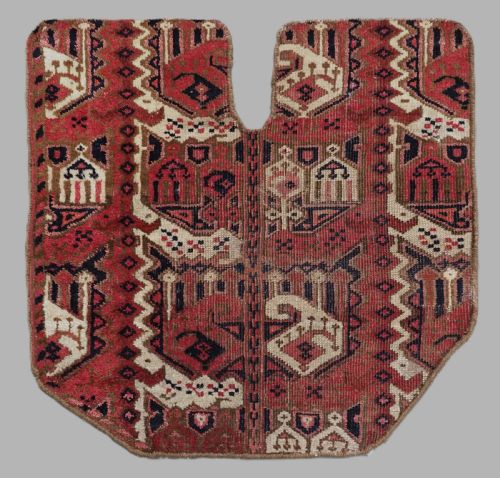
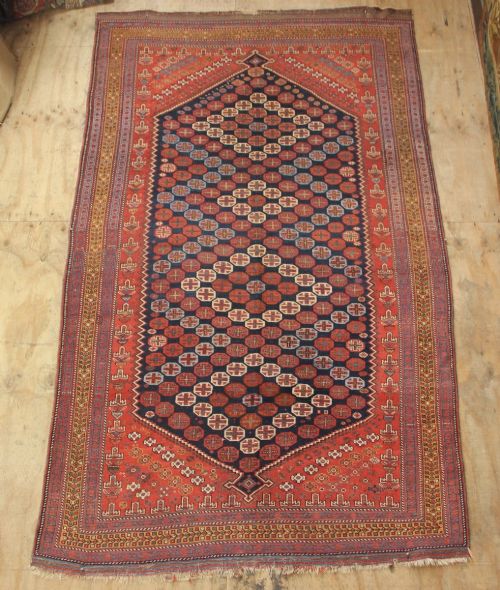
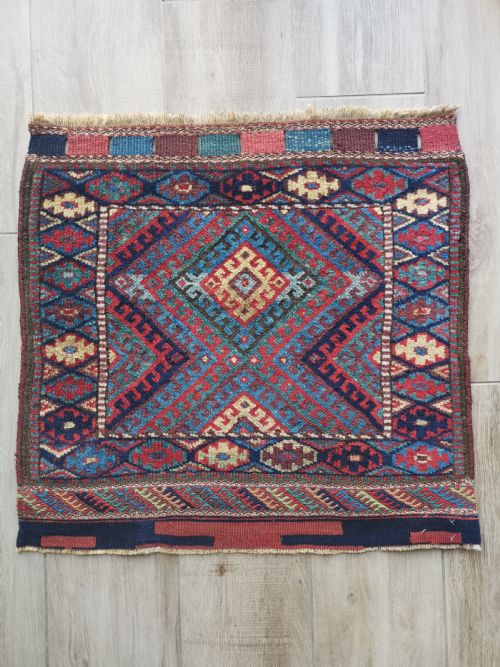
19th century nomadic weaving comprises hand-knotted bags, rugs, and tent trappings created by tribal groups across Central Asia and Persia.
19th Century Nomadic Weaving
When exploring 19th century nomadic weaving, collectors encounter portable tribal art created by confederacies and tribes such as the Tekke, Yomut, Ersari, Afshar, and Baluch. These pieces served practical domestic functions within nomadic and semi-nomadic encampments, functioning as storage bags, animal trappings, and floor coverings.
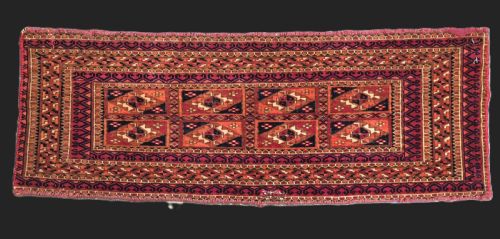
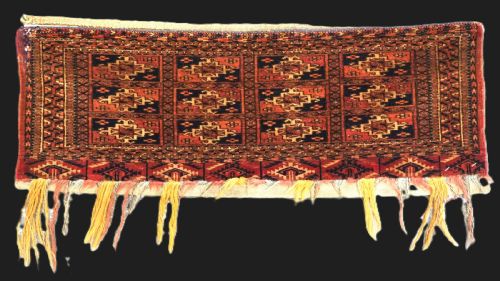
The objects most frequently met on this page include torbas, chuvals, and bagfaces alongside larger main carpets and runners. Smaller utility bags often survive with greater structural integrity because they spent their functional lives inside tents rather than on the ground.
Regional groups imparted distinct geometric vocabularies to their textiles, allowing specialists to attribute pieces to specific areas like the Caucasus, Western Afghanistan, or Central Asia. Tribal identity dictated the structural layout, specific guls, and secondary ornament deployed across each textile.
Materials and construction methods
Weavers relied primarily on hand-spun wool for pile and foundation yarns, frequently incorporating cotton for white details or structural contrast. Goat hair and horsehair appear in foundations or selvedges to provide extra durability along high-stress edges of utilitarian bags and main carpets.
Natural dyes supplied the palette, yielding deep madder reds, indigos, and yellows that soften gracefully over decades of light exposure. Silk appears occasionally in specific flatweaves or decorative accents, offering contrasting lustre against matte wool piles.
Listings feature structural forms including saddle bags, main carpets, torbas, and chuvals created across Central Asia, Afghanistan, and Persia using hand-spun wool and natural dyes.
Elements of quality and execution
Knot density and handling of wool separate standard utility pieces from exceptional dowry examples. Finer structures permit crisper rendering of intricate tribal motifs such as the kepse, ertmen, or ashik guls.
Colour saturation and the vibrancy of natural dye mixtures dictate visual success across the surface. Pieces retaining original backings, hanging loops, or complete formats command greater appreciation among traditional textile collectors.
The 19th Century Nomadic Weaving Glossary
- Gul
- A primary octagonal or repeating medallion motif used extensively in Turkmen and Central Asian tribal weaving. Each major tribe utilised distinct forms of these medallions to signal lineage and identity.
- Torba
- A small horizontal storage bag traditionally hung inside a yurt or tent to hold household possessions. These pieces frequently display meticulous knotting on the face combined with plain-weave backs.
- Chuval
- A large tent bag used for storing bedding, clothes, or provisions during seasonal migrations. They typically feature multiple rows of major guls across the field.
- Soumac
- A flat-weave technique where coloured weft threads wrap over and under warp threads in a herringbone pattern. This method creates a thicker, structurally sound textile without a cut pile.
- Mafrash
- A rectangular storage bale or container face produced in pairs by tribal weavers for transport on pack animals. Their designs often incorporate bold geometric compartments or hooked motifs.
19th Century Nomadic Weaving: Frequently Asked Questions
What is a torba used for?
Torbas functioned as storage receptacles inside nomadic tents, housing small personal possessions, utensils, or documents.
Nomads hung these bags against the lattice walls of their dwellings using integrated loops or woven attachments.
How do you identify a Baluch rug?
Baluch rugs typically feature darker indigo and madder palettes combined with camel hair elements and distinctive tree-of-life or boteh motifs.
Weavers from Western Afghanistan and surrounding regions created these sturdy pieces with dense wool foundations.
What does gul mean on a rug?
A gul is a repeating medallion pattern that acts as an emblem for specific Central Asian tribes.
Variations in these octagonal motifs help specialists distinguish between Tekke, Yomut, Saryk, and Ersari work.
Are these rugs made with natural dyes?
Nineteenth-century nomadic weavers relied exclusively on plant and insect extracts such as madder and indigo for their colour palettes.
These natural colourants produce complex, harmonious tones that age with a distinctive patina.
What is a tent band?
Tent bands are long, narrow structural textiles used to secure the lattice framework and felt coverings of nomadic yurts.
Surviving fragments display intricate brocaded or flat-woven geometric patterns created by tribal artisans.