


19th Century Minton Porcelain
These 19th century minton porcelain pieces span delicate cabinet plates to sculptural parian figures, offering fine ceramic artistry for your home.
19th Century Minton Porcelain
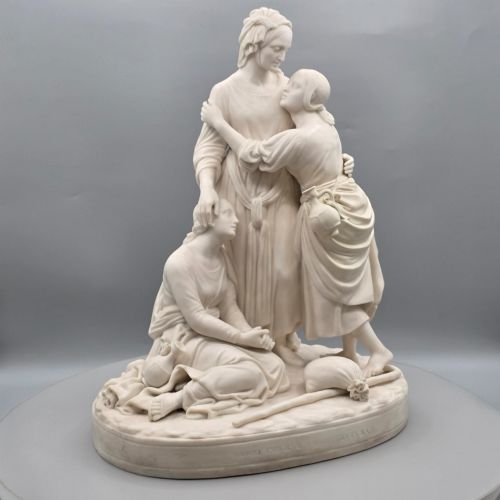
When you search for 19th century minton porcelain, you encounter a diverse range of ceramics produced during the Georgian and Victorian eras. These items include dessert plates, decorative vases, sculptural parian groups, and detailed figurines.
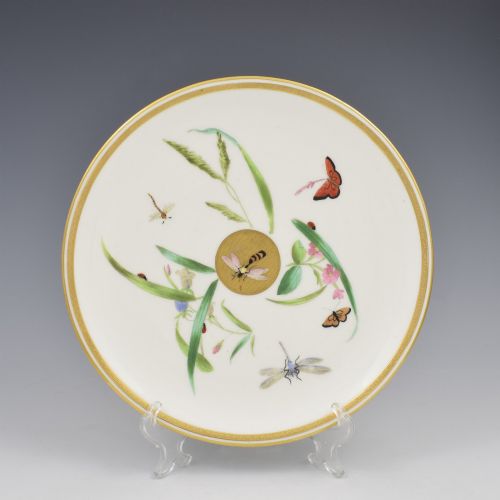
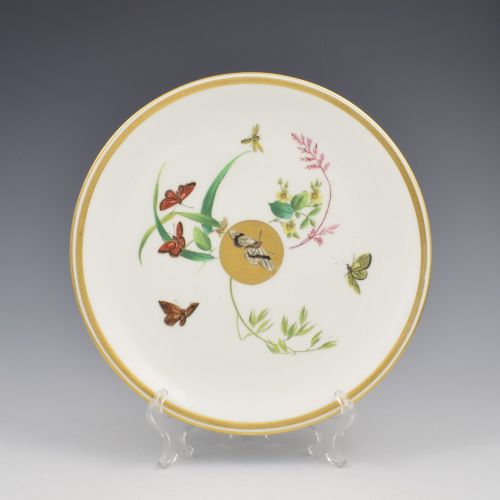
The selection ranges from early bone china tea caddies and floral encrusted scent bottles to later Aesthetic Movement plates featuring Japanese style motifs. You also find intricate armorial plates and pieces decorated with gilt suns and insects.
Cabinet plates and decorative tableware dominate the selection, often showcasing hand-painted landscapes, botanical studies by artists like Thomas Steel, or striking pate-sur-pate work. Functional items like chambersticks and inkstands appear alongside pure display pieces.
How they were made
Potters shaped these objects using porcelain, bone china, and unglazed parian ware to achieve different textural effects. Many items incorporate delicate basketweave mouldings or complex moulded forms like the Newcastle shape.
Decoration relied heavily on meticulous hand-painting, enamel colours, and rich gilding using gold leaf and gilt accents. Artisans also utilised specialised techniques such as pate-sur-pate, building up raised porcelain reliefs on coloured grounds, alongside floral encrustations.
What varies in quality
The fineness of the hand-painted details sets exceptional cabinet plates and garniture vases apart from simpler wares. Precise brushwork in floral motifs, landscapes, and armorial crests indicates superior craftsmanship.
The crispness of the porcelain moulding and the delicacy of applied elements, such as flower encrustations or parian figures, dictate the overall standard. Rich, well-preserved gilding and sophisticated glaze applications further elevate the piece.
Thomas Steel·Christopher Dresser
The 19th Century Minton Porcelain Glossary
- Parian Ware
- A fine white unglazed biscuit porcelain resembling marble, developed in the nineteenth century for sculptural figures and groups. It gained popularity for its smooth matte finish that highlights anatomical and drapery details.
- Pate-sur-Pate
- A French ceramic technique meaning paste on paste, where liquid white porcelain slip is painted layer by layer onto a darker coloured body. This creates a low relief cameo effect with translucent qualities.
- Garniture
- A set of matching vases or ornamental vessels designed to be displayed together on a mantelpiece or cabinet. Typically consisting of three or five pieces, they share coordinated decorative schemes.
- Chamberstick
- A low candlestick fitted with a pan to catch dripping wax and a handle for carrying from room to room. These portable lighting devices often feature decorative saucer bases and matchholders.
- Armorial
- Decorated with a heraldic coat of arms or family crest, usually commissioned by aristocratic patrons. These designs make the porcelain specific to particular historical lineages.
19th Century Minton Porcelain: Frequently Asked Questions
How do I date these pieces?
Dating relies on stylistic shifts, such as moving from early Georgian floral patterns to mid-Victorian Sèvres styles or late Aesthetic Movement Japanese motifs. Shape names and manufacturing marks also help narrow down the production decade.
Material choices like parian ware or specific porcelain body types provide further chronological clues.
Were these items meant for daily use?
Many items like dessert plates, tea caddies, and inkstands served functional roles in wealthy households. However, heavily gilt cabinet plates and delicate parian figures were primarily intended for visual display.
Even functional tableware often featured intricate hand-painting that reserved them for special dining occasions.
How should I display my porcelain?
Keep delicate items away from direct sunlight to preserve the vibrancy of hand-painted enamels and gold leaf gilding. Secure sturdy placement in cabinets or on stable surfaces to protect fragile elements like flower encrustations.
Allow adequate space around sculptural figures and garniture sets to appreciate their craftsmanship.