



Landscape Painted Cabinet Plate
A landscape painted cabinet plate turns a room's wall or display cabinet into a gallery of pastoral and architectural views.
Landscape Painted Cabinet Plate
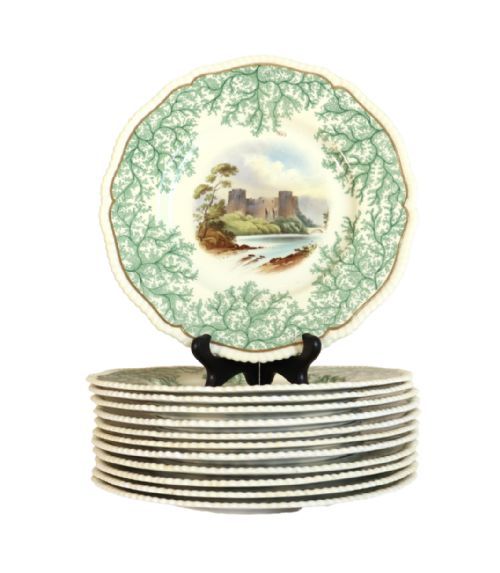
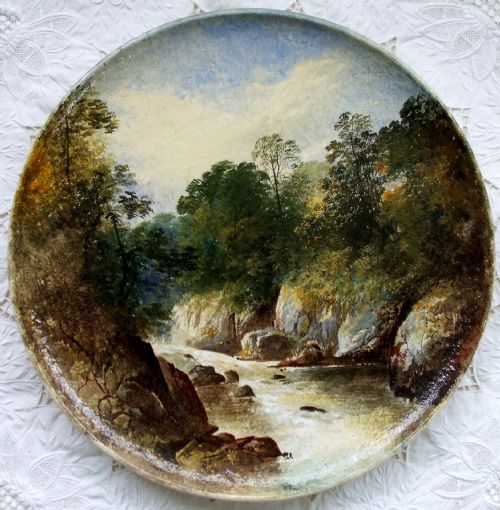
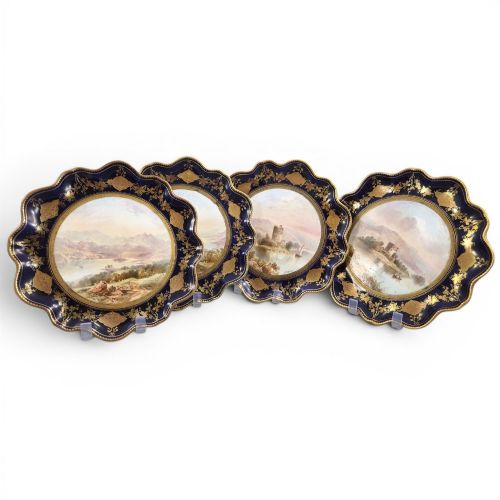
A landscape painted cabinet plate is an ornamental ceramic dish bearing a detailed pictorial scene rather than serving food. Collectors seek these pieces for their miniature painted views, which capture specific lakes, castles, and valleys across various periods.
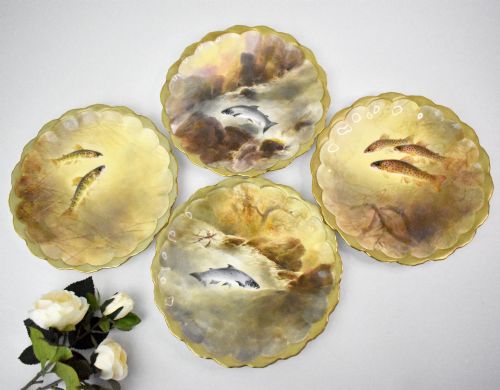
The pieces on this page appear primarily in Victorian and nineteenth-century forms, alongside Regency and Art Deco examples. They take the shape of cabinet plates, decorative plaques, dinner plates, and dessert dishes.
Makers recorded in the evidence range from Spode and Copeland to Minton, Royal Worcester, and Aynsley. Many of these items were created as pairs or matched sets, often featuring named topographical scenes.
Materials and manufacture
These items rely on porcelain, bone china, and earthenware bodies shaped into plates or plaques. Ceramic grounds receive hand-painted enamel decoration depicting natural and architectural scenery.
Finishing touches often involve gold leaf detailing, pearl jewelling, and coloured glazes that frame the central painted landscape. Kiln firing sets the pigments permanently into the ceramic surface.
Recorded periods stretch from the Regency era through Victorian times up to the Art Deco period of nineteen thirty.
Assessing quality
The sophistication of the surrounding ceramic body and border ornamentation dictates the tier of the piece. Fine gilding, jewelled enamel accents, and named views indicate superior production from established potteries.
Spode·Copeland Pottery·Aynsley·Royal Doulton·Darte Brothers·Pucher Deroche·Coalport·Derby·Minton·Barr Flight Barr Worcester·Clarice Cliff·Royal Worcester
The Landscape Painted Cabinet Plate Glossary
- Cabinet plate
- An ornamental ceramic plate intended for display in a cabinet or on a wall rather than for dining. These items usually feature detailed artistic decoration such as landscape painting.
- Named view
- A painted scene on ceramics that identifies a specific geographical location or landmark. Collectors value these for their topographical accuracy and historical interest.
- Bone china
- A type of porcelain incorporating bone ash for added strength and a bright white appearance. It provides a smooth ground for detailed enamel painting.
- Enamel
- Vitreous coloured glass fused to the ceramic surface during firing. It forms the vibrant pigments used in landscape painting.
- Gilding
- The application of gold leaf or gold paint to ceramic edges and borders. It adds a decorative metallic finish to frame the central scene.
Landscape Painted Cabinet Plate: Frequently Asked Questions
How were cabinet plates displayed?
These plates were typically shown in glazed display cabinets or mounted on walls using specialised wire hangers. They served as decorative art rather than functional tableware.
Well-to-do households used them to bring miniature landscape art into drawing rooms and parlours.
Are these plates meant for dining?
Cabinet plates and decorative plaques are strictly ornamental pieces. Their delicate enamel painting and gold leaf borders are easily damaged by cutlery and washing.
Displaying them safely preserves the hand-painted landscapes for future collectors.
How do I identify the landscape?
Many plates include hand-written inscriptions on the reverse naming the specific view or ruin. Others depict well-known British and European rivers, castles, and mountain valleys.
Comparing the scenery to historical topographical prints often reveals the exact location.
How can I tell the period?
Makers' marks stamped or painted on the underside provide the primary clue to dating a ceramic piece. Stylistic elements such as Victorian floral borders or Art Deco geometry also point to specific eras.
The weight, glaze characteristics, and ceramic body further distinguish nineteenth-century examples from later ones.