


19th Century Marble Tazza
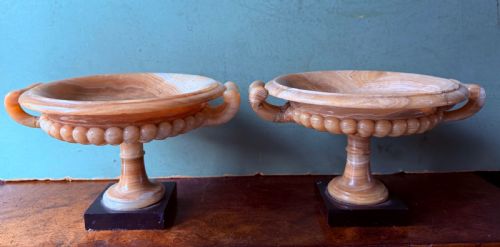
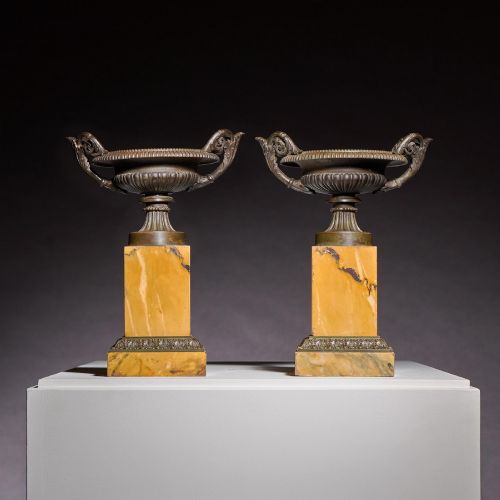
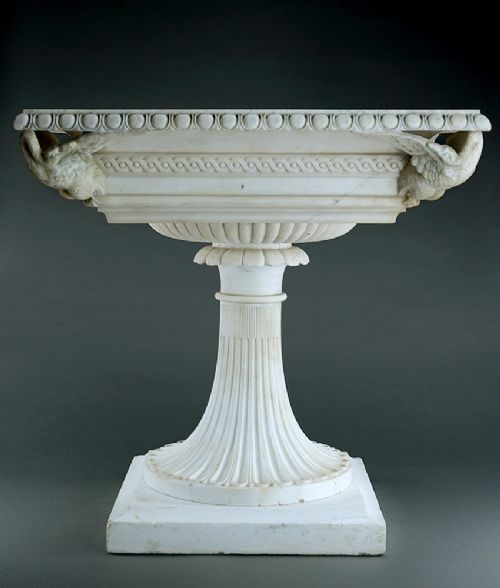
A 19th century marble tazza brings classical proportion and substantial stone weight into a room, serving as a distinct centrepiece or display vessel.
19th Century Marble Tazza
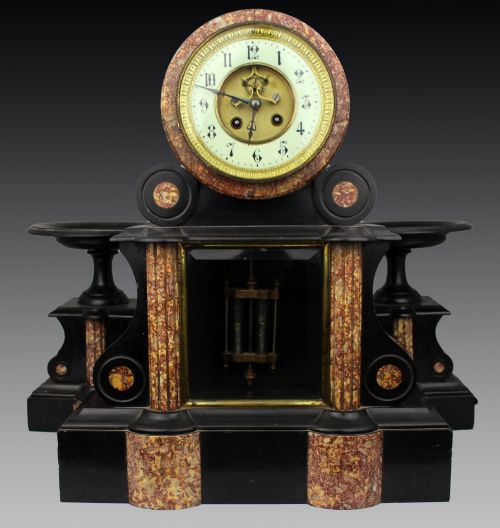
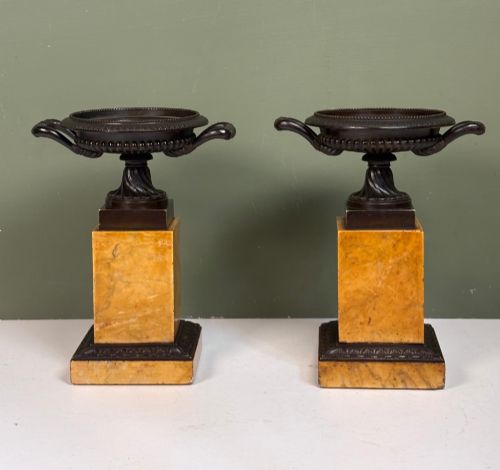
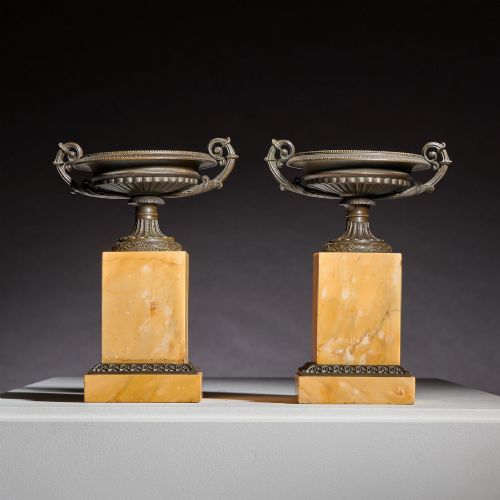
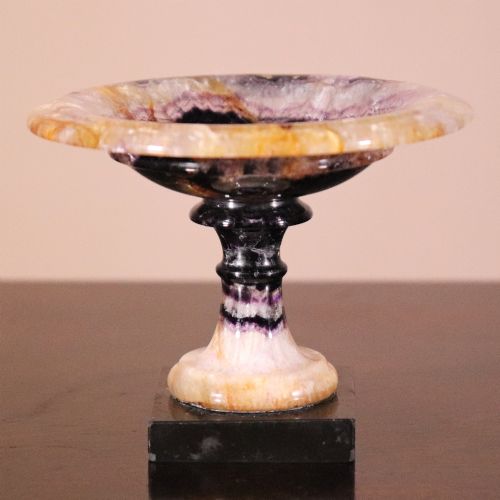
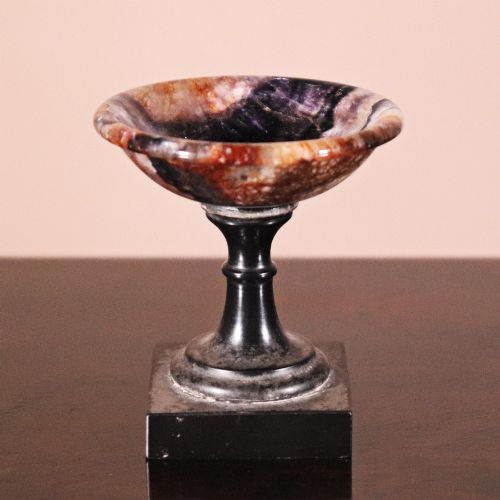
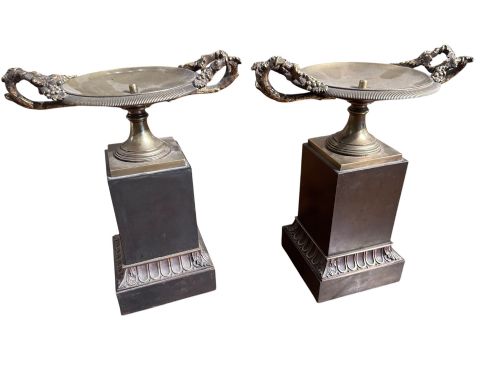
The inventory on this page leans heavily towards pairs, often combining turned marble bowls with contrasting bronze or ormolu mounts. Single examples also feature specialised stones such as Blue John, malachite, and Ashford coral, alongside monumental architectural forms.
Materials and Technique
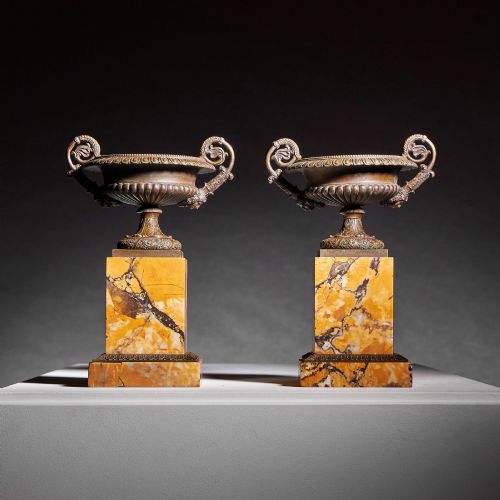
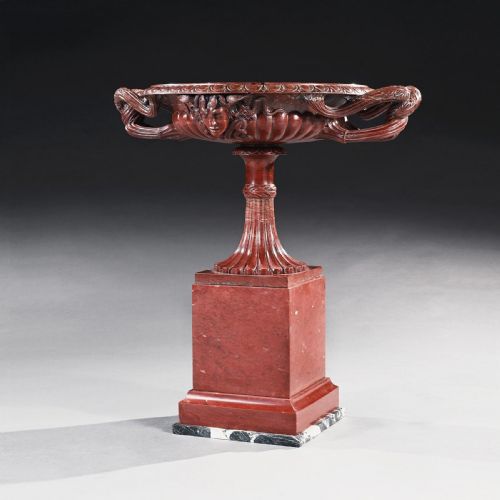
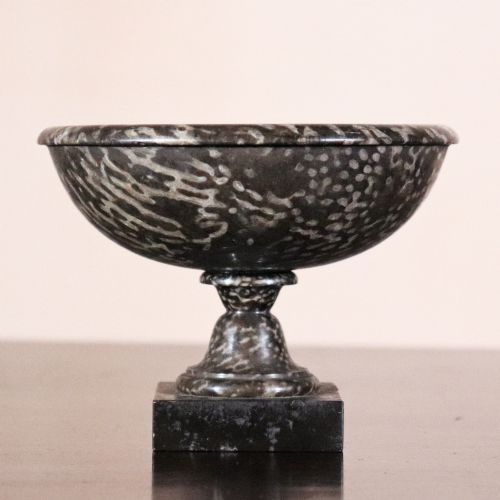
Makers utilised distinct regional marbles including Siena, Rosso Antico, Giallo Antico, and black marble, turning them on lathes and carving details by hand. Many pieces integrate cast bronze or gilt ormolu components, attaching handles, rims, and pedestals to the stone bodies.
Italian workshops and French ateliers employed classical casting and stone-polishing techniques to mimic archaeological finds. Some specimens incorporate decorative inlays such as pietra dura or mounted Limoges enamel plaques within the marble structure.
Some Grand Tour souvenirs were cleverly hollowed out to serve as lidded cups rather than open fruit bowls.
Quality Variations
The standard of a piece rests upon the choice and figure of the marble itself, alongside the crispness of any bronze or ormolu chasing. Highly-figured stones and substantial scale command attention, separating standard decorative items from works of exceptional sculptural ambition.
Attribution to known workshops or prominent makers elevates certain examples. The precision of the turning, the integration of bronze mounts, and the fidelity to antique models dictate the overall refinement of the object.
Benedetto Boschetti·Japy Frères
The 19th Century Marble Tazza Glossary
- Tazza
- A shallow bowl on a pedestal foot, used in antiquity and later revived as a decorative centrepiece. The plural form is tazze.
- Grand Tour
- A traditional trip through Europe undertaken by upper-class young men in the 18th and 19th centuries to absorb classical art and culture.
- Ormolu
- Gilded bronze, produced by applying a mercury-gilding process to cast bronze mounts on furniture and decorative objects.
- Pietra dura
- An artistic technique using cut and fitted, highly polished coloured stones to create geometric or figural images.
- Siena marble
- A distinctive yellow-to-ochre Italian marble with dark grey or purple veining, popular in neoclassical decorative arts.
19th Century Marble Tazza: Frequently Asked Questions
What is a 19th century marble tazza used for?
These vessels functioned primarily as decorative ornaments, display pieces, or souvenir items reflecting classical antiquity during the Victorian and Regency eras. In contemporary settings, they sit upon mantelpieces, side tables, or pedestals as sculptural objects.
Their shallow bowl design makes them suitable for holding small collections or simply standing alone to display the natural figure and colour of the stone.
How do I identify a Grand Tour tazza?
Grand Tour pieces typically derive their forms directly from excavated Roman antiquities, such as antique vases, altars, or architectural fragments seen in Italy. They frequently combine carved stone like alabastro egiziano or rosso antico with patinated bronze elements.
Many bear the hallmarks of 19th-century Italian souvenir workshops catering to travellers documenting their European education and travels.
What stones are common in these tazze?
Makers selected a wide variety of decorative stones, ranging from standard black marble and Siena marble to rarer mineral specimens. Blue John, malachite, Ashford coral, and Giallo Antico frequently appear across the available inventory.
The choice of stone often dictates the visual weight and regional style of the piece, whether French Empire or Italian neoclassical.
Are these pieces usually sold as pairs?
A significant portion of the inventory consists of matched pairs, which were originally intended to balance a mantelpiece or anchor either end of a console table. Single examples also appear, particularly when the stone is of unusual rarity or monumental scale.
Pairs often feature symmetrical bronze handles, such as rams' heads or cornucopias, flanking the central stone bowls.