


19th Century Mantel Mirror
A 19th century mantel mirror brings historic scale and reflective light to a room, anchoring a fireplace with period presence.

19th Century Mantel Mirror
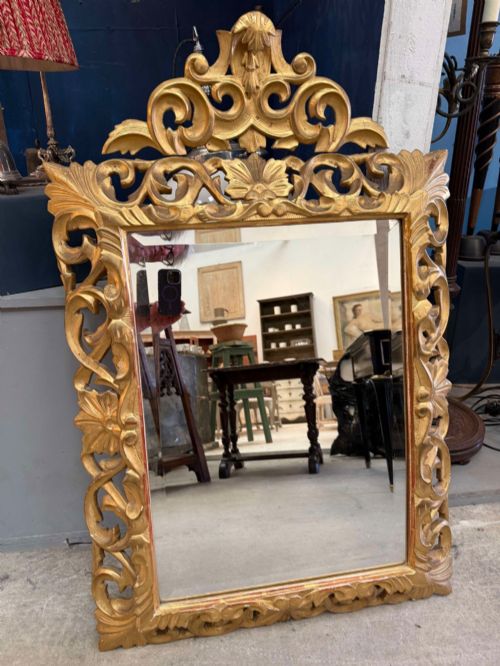
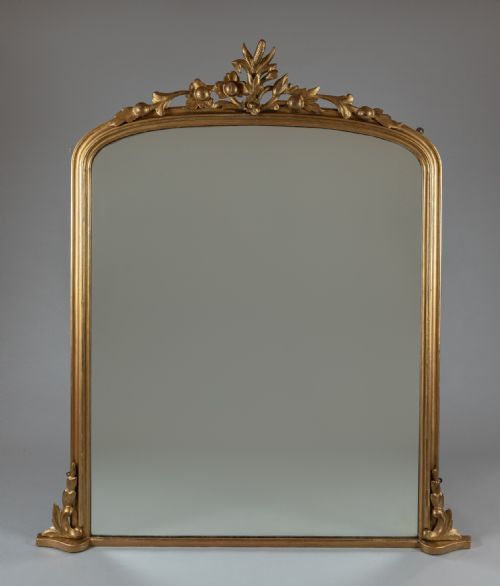
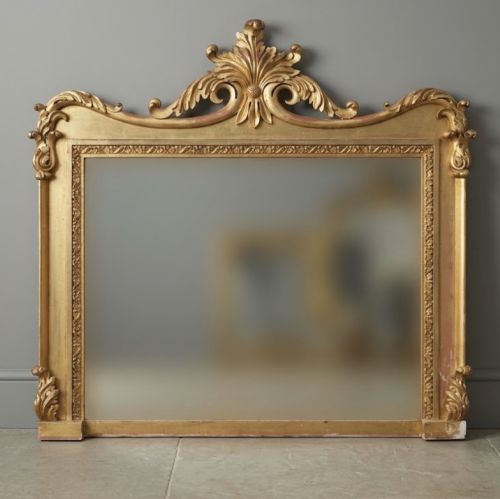
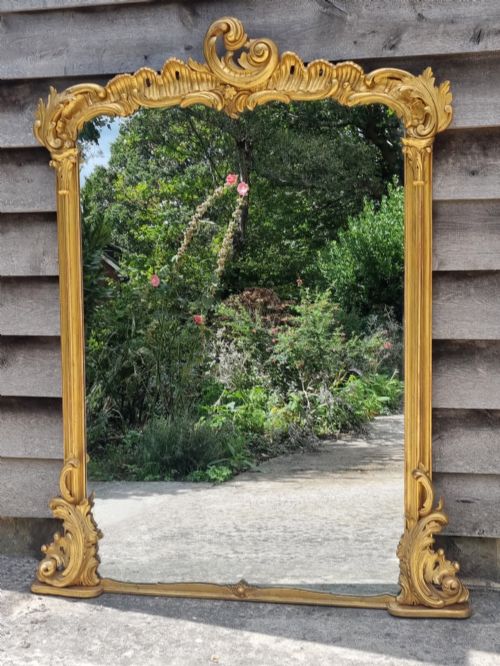
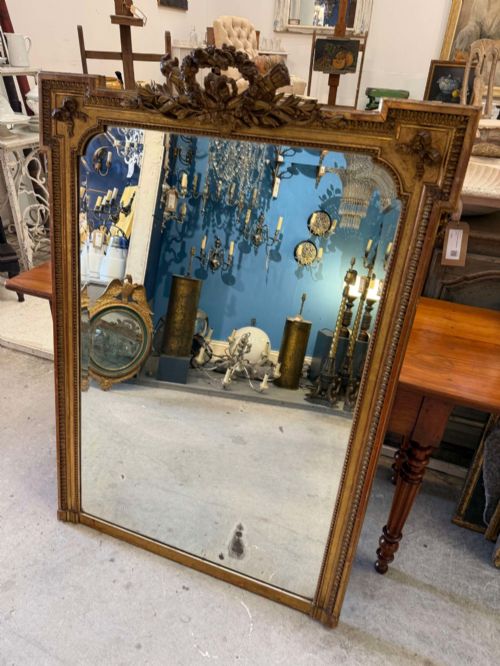
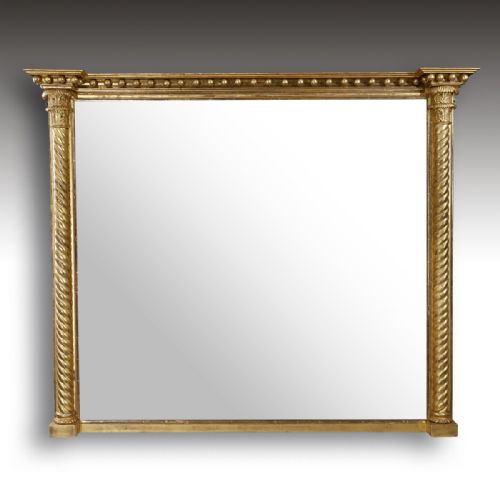
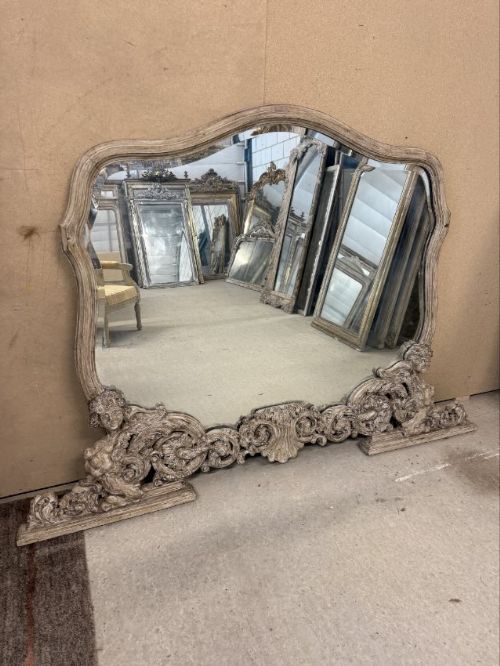
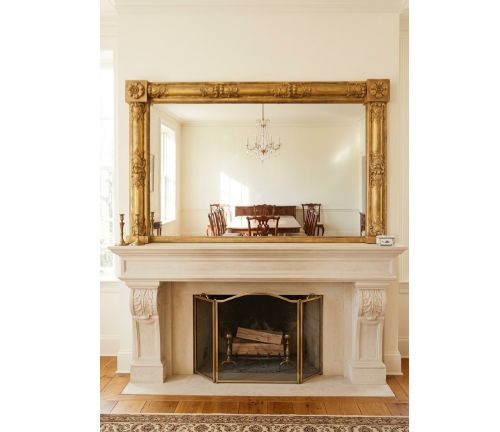
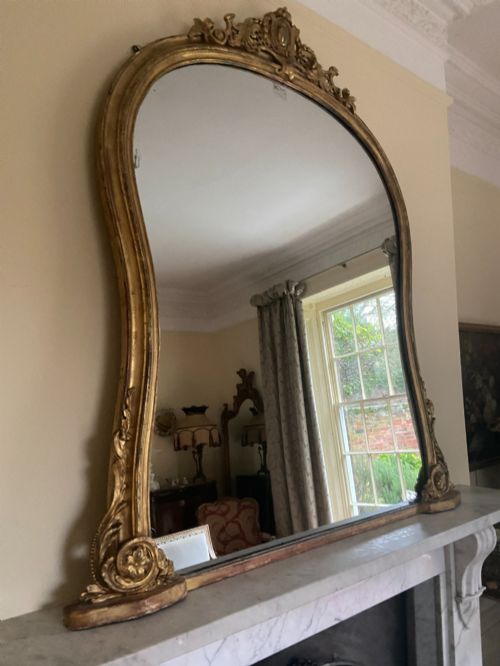
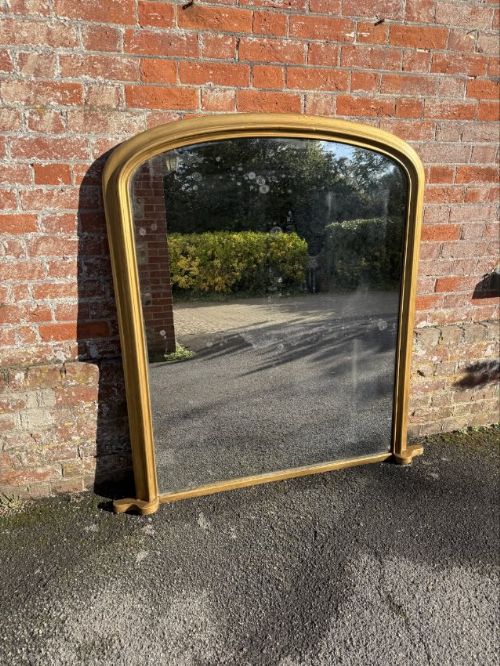
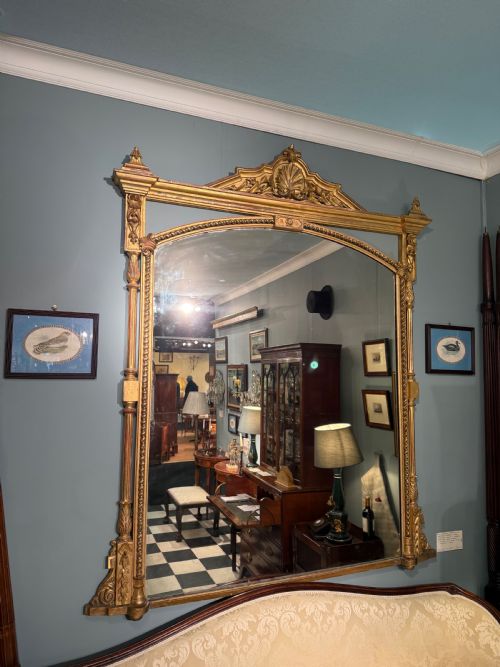
A 19th century mantel mirror serves as a grand focal point above a fireplace, taking the form of large overmantel mirrors designed to reflect light and expand the sense of space in a room. The items found here span the Victorian era, Regency period, and French provincial designs, capturing the heavy architectural weight required for traditional interiors.
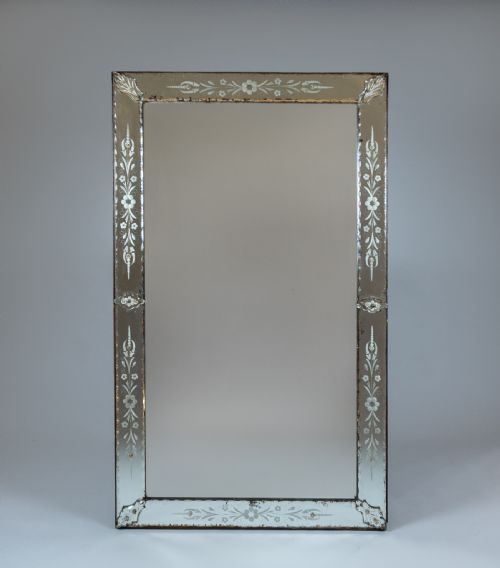
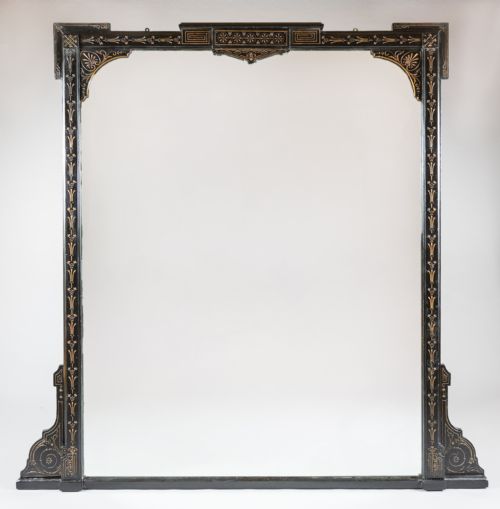
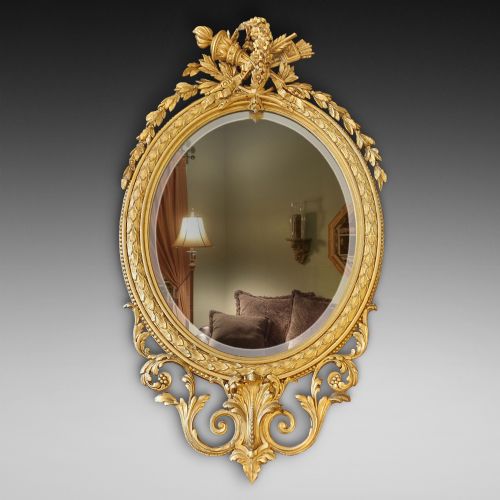
Most pieces on this page appear as substantial giltwood or gesso frames with arched or shaped tops, reflecting English and French decorative tastes from the decades between 1800 and 1890. Alongside these large overmantels, buyers encounter pier mirrors and smaller wall-hung formats utilising mahogany, walnut, ebonised wood, and paint.
The stylistic range encompasses ornate Rococo Revival curves, restrained architectural Louis Philippe lines, and occasional Chinese Chippendale fretwork. These mirrors were built to dominate chimney breasts, functioning simultaneously as functional glass and sculptural wooden furnishings.
How They Were Made
The construction of a 19th century mantel mirror relies on a sturdy timber carcass of pine, mahogany, or walnut, which provides the deep structural support needed for heavy glass plates. Artisans applied layers of gesso - a mixture of plaster and size - onto the carved wooden base to build up smooth surfaces and crisp relief decoration.
Gilding was achieved by laying thin sheets of gold leaf over the prepared gesso ground, then burnishing portions to create varied reflectivity against matte backgrounds. Alternatively, frames were finished with simple paint, silver gilt, ebonising, or parcel-gilt details to suit changing interior fashions.
19th Century Mantel Mirror Retail Price Guide 2026
Typical asking prices for 19th century mantel mirror among the pieces listed under this phrase on Sellingantiques today, from the lower quarter to the upper quarter. They describe what is for sale here now, not the wider market.
Materials recorded on this page include giltwood, gesso, mahogany, walnut, ebonised wood, and original mirror glass.
What Varies in Quality
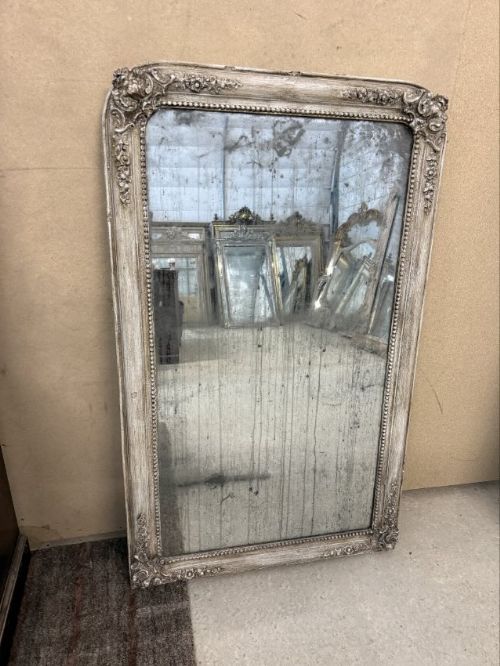
Quality in these mirrors rests upon the depth and crispness of the hand-carved woodwork and the refined application of the gesso and gold leaf. Superior examples display sharply defined ornamentation along the arched crests and borders, whereas lesser pieces show softer, shallower moulding details.
The preservation of the original glass plate heavily influences the character of the piece, with authentic silvering displaying age-related foxing and minor oxidisation. Frames that retain their original gilded surfaces without heavy modern intervention demonstrate greater historical integrity.
The 19th Century Mantel Mirror Glossary
- Gesso
- A plaster-like preparation spread over a wooden frame to act as a base for carving and gilding. This mixture allows artisans to achieve sharp, intricate decorative reliefs.
- Giltwood
- Timber that has been coated with gold leaf or metallic paint. It provides the bright, reflective surface characteristic of formal period frames.
- Overmantel Mirror
- A large mirror specifically proportioned to hang on the wall directly above a mantelpiece. These pieces often feature wide horizontal or tall arched formats.
- Pier Mirror
- A tall, narrow mirror designed to hang on the wall space between two windows. They reflect additional natural light into dark rooms.
- Foxing
- The natural degradation of the reflective silver backing behind the glass, appearing as dark spots and cloudy patches. This chemical ageing process proves authenticity.
- Fretwork
- Ornamental woodwork cut out by hand using a fret saw or scroll saw. It creates delicate, interlaced patterns seen on specific styles like Chippendale.
19th Century Mantel Mirror: Frequently Asked Questions
How do I hang a heavy overmantel mirror?
These large frames require secure fixing directly into masonry or heavy wall studs using substantial brackets. Professional installation is strongly advised due to the combined weight of the thick wooden frame and glass plate.
Position the mirror at a height that balances the mantel shelf below and the ceiling height above. Ensuring the weight rests safely on load-bearing fixings protects both the antique and the wall structure.
What is an overmantel mirror?
An overmantel mirror is a wide or tall looking glass specifically built to sit on the chimney breast above a fireplace. They were proportioned to match the width of the hearth and draw candlelight or daylight across the room.
Throughout the nineteenth century, these mirrors formed a central part of interior decoration. They ranged from simple rectangular painted frames to monumental giltwood arched designs.
How do I clean an antique mirror?
Dust the carved wooden or gilt frame gently with a dry, soft brush to avoid damaging delicate gesso or gold leaf layers. Moisture can ruin old gilding and accelerate frame deterioration.
Clean the glass plate sparingly using a soft cloth and minimal cleaning fluid, taking care not to let liquid seep behind the edges of the frame. Preserving the original glass and its silvering maintains the historical character.
How can I tell the period of a mirror?
Dating relies on identifying the prevailing stylistic cues, such as the curved asymmetry of Rococo Revival or the clean, simple lines of Louis Philippe frames. Examining the construction methods at the back of the wooden carcass also reveals period-specific joinery.
Materials offer further clues, as certain woods and gilding techniques rose and fell in popularity across the decades. Comparing the frame characteristics with documented historical designs clarifies the likely decade of manufacture.