
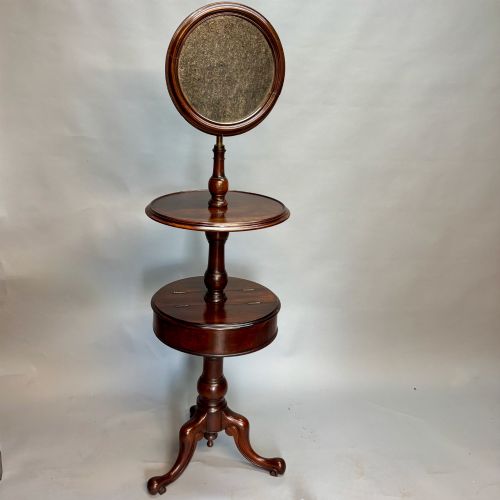
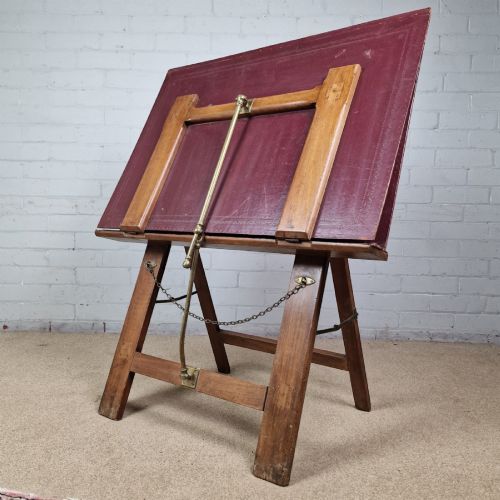
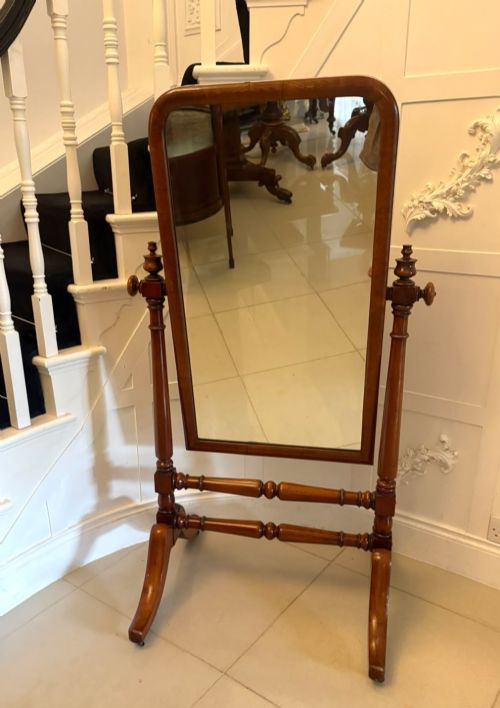
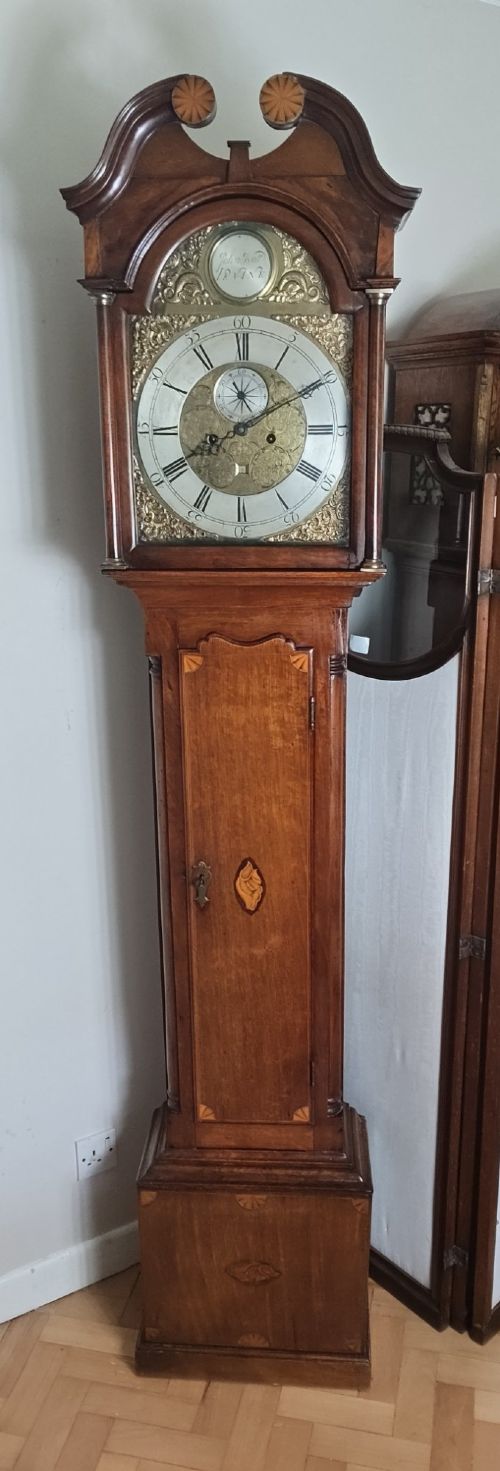
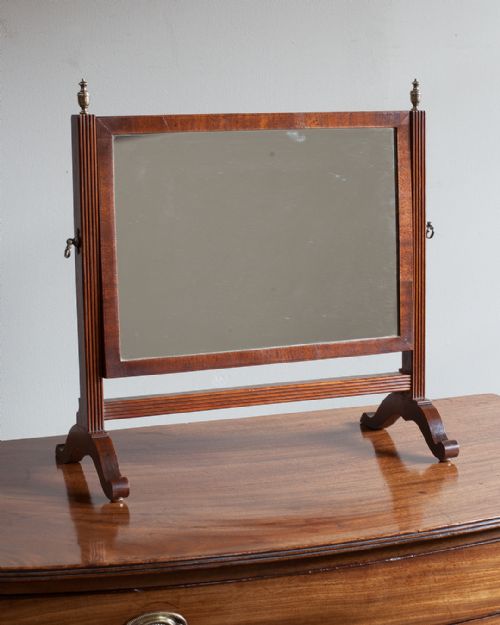
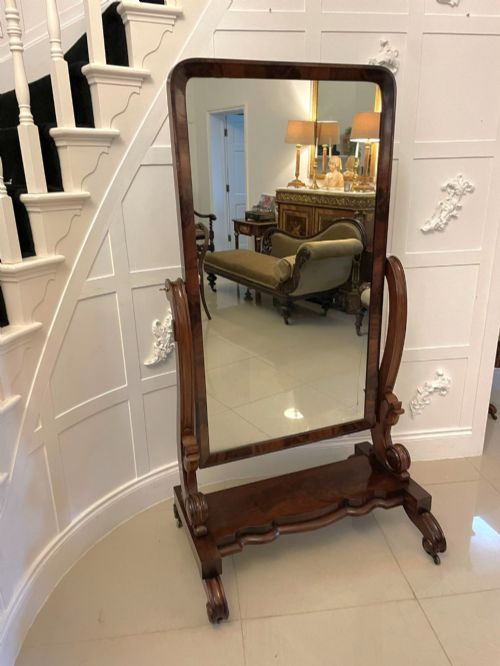
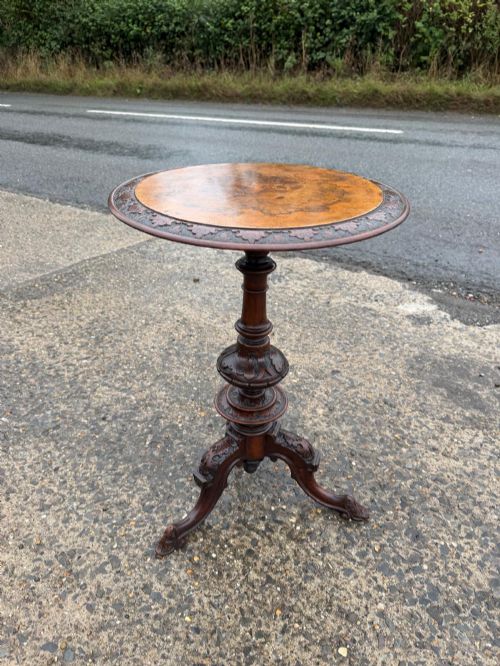
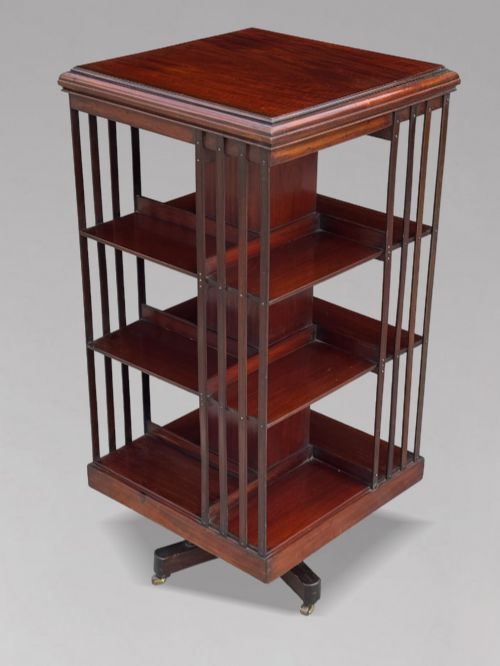
19th Century Mahogany Stand
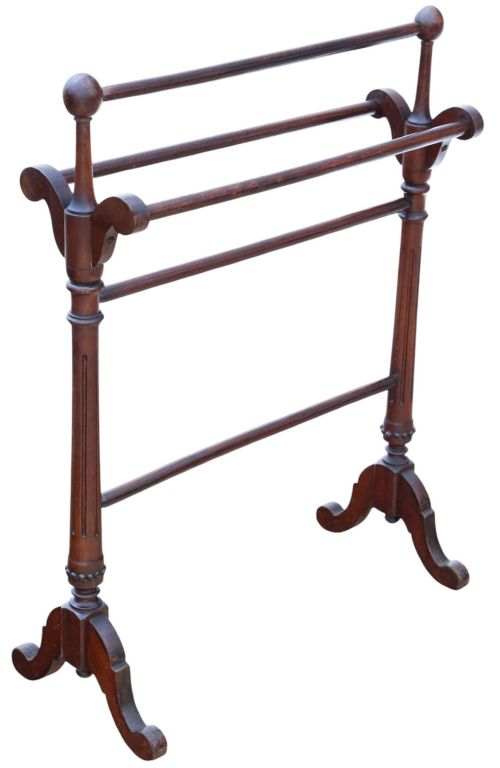
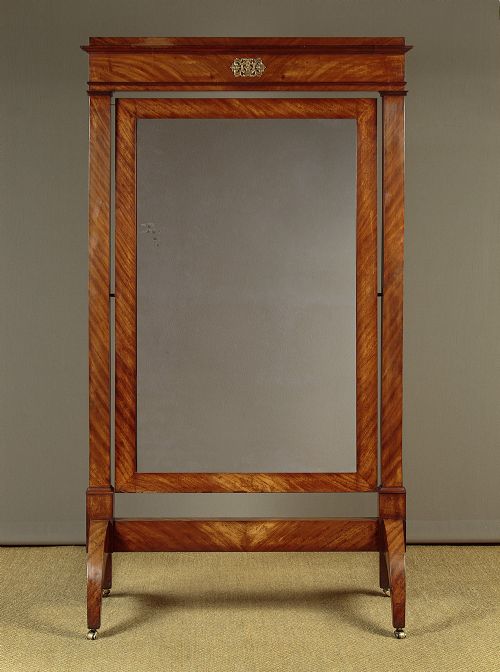
A 19th century mahogany stand brings domestic utility and rich timber grain into a room, offering functional display surfaces shaped by decades of traditional craftsmanship.
19th Century Mahogany Stand
A 19th century mahogany stand encompasses a diverse group of functional domestic items designed for specific household tasks, ranging from hall and plant display to washstands and reading tables.
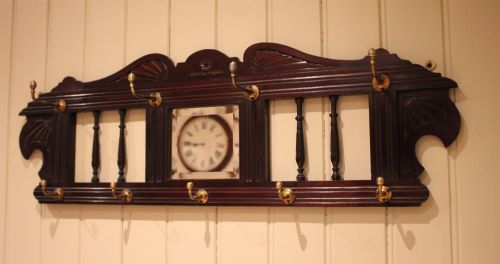
Buyers encountering this search phrase frequently meet washstands, plant stands, lamp tables, and hall stands spanning the Georgian, Regency, and Victorian periods.
These forms reflect the changing domestic requirements of nineteenth-century interiors, utilising durable hardwoods to support everyday objects.
Materials and Construction Techniques
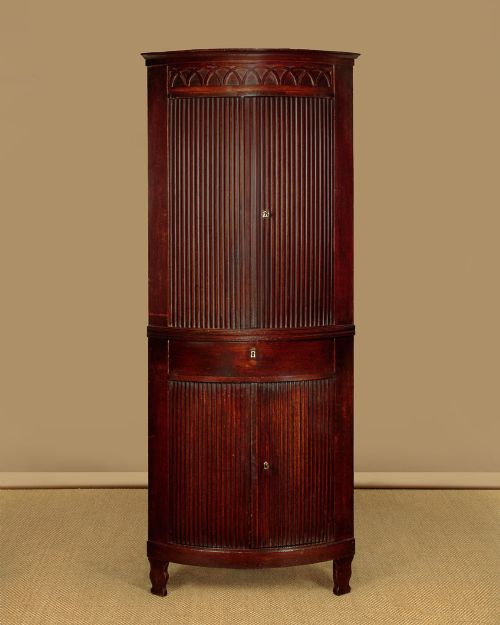
Makers relied primarily on solid and veneered mahogany, frequently complemented by secondary timbers, brass fittings, and occasional marble tops on washstand surfaces.
Construction methods involved traditional joinery such as dovetails for drawers and sturdy tripod or pedestal bases to ensure stability for heavier items.
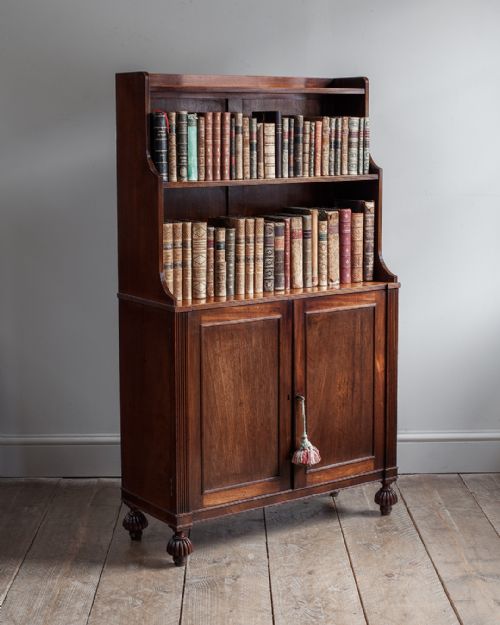
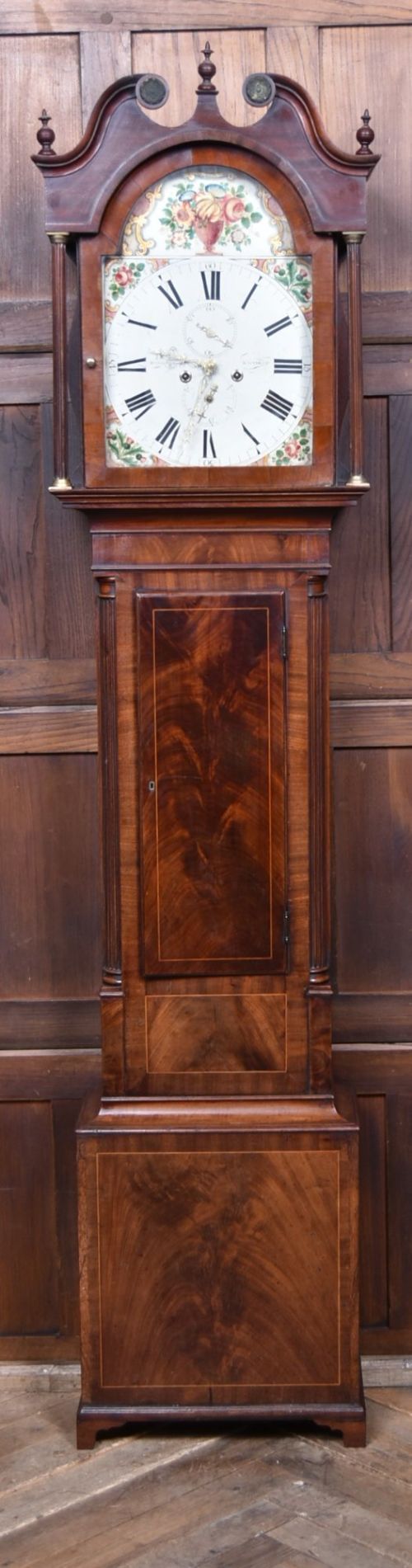
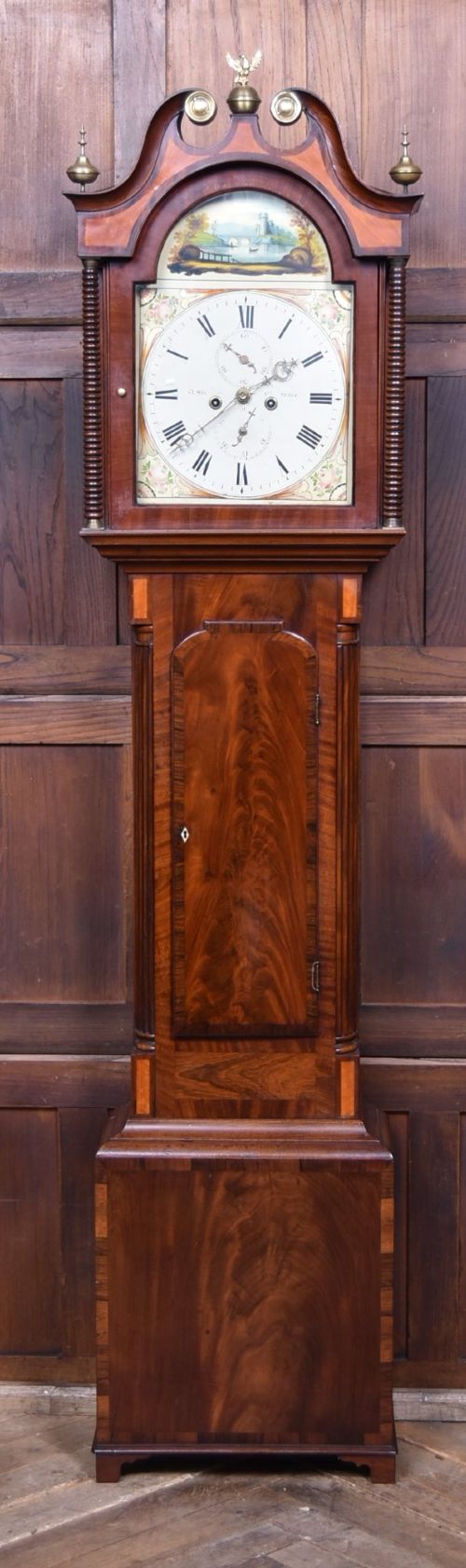
The inventory records functional forms including longcase clocks, waterfall bookcases, music stands, and wig stands.
Assessing Craftsmanship and Distinction
Superior examples display careful timber selection, such as figured mahogany or burr wood tops, matched with crisp carving and robust structural joinery.
Simpler utility pieces exhibit straightforward construction without decorative embellishment, while finer iterations incorporate parcel gilt details, turned columns, or documented maker signatures.
Hendrie Ogg·D. Straiton·Marsh, Jones & Cribb·Edwards & Roberts
The 19th Century Mahogany Stand Glossary
- Mahogany
- A durable tropical hardwood prized for its rich reddish-brown colour and smooth grain. It served as the primary material for high-end cabinetmaking throughout the nineteenth century.
- Washstand
- A dedicated piece of furniture designed to hold a basin and pitcher for personal hygiene. Many surviving examples feature marble tops to protect the wood from water damage.
- Torchere
- A tall, slender stand designed specifically to support a lamp or candle. These pieces typically feature tripod bases to maintain stability at height.
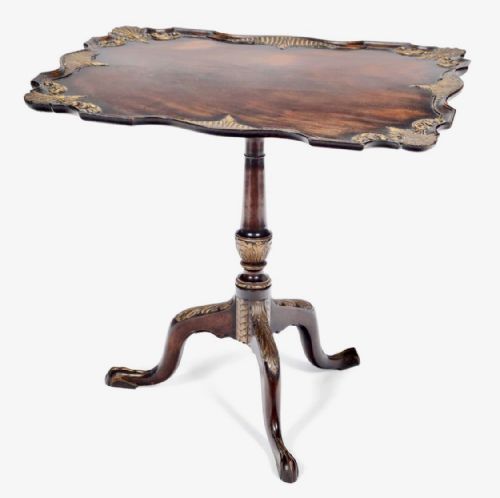
- Tripod Table
- A small occasional table supported by a pillar above three spreading feet. This construction allows the table to stand steady on uneven floors.
- Tilt Top
- A tabletop mechanism that pivots vertically for compact storage when not in use. It is commonly found on wine tables and occasional stands.
19th Century Mahogany Stand: Frequently Asked Questions
What was a 19th century mahogany stand used for?
These stands served practical domestic purposes, functioning as washbasins, plant pedestals, reading desks, or umbrella holders in hallways and parlours. Their specific form dictated whether they held ceramics, books, or outerwear.
Over time, many adapted to new living arrangements, moving from functional utility spaces to decorative display areas in modern sitting rooms.
How do I identify a Regency period stand?
Regency pieces often display classical revival motifs, such as reeded legs, brass paw feet, and clean geometric lines influenced by ancient Greek and Roman design. The timber choice frequently shows deep, dark tones with straight grain patterns.
These items usually date from the early decades of the nineteenth century, aligning with the Regency and George III crossover styles.
How do I care for a mahogany stand?
Maintain the timber by keeping the piece away from direct heat sources and strong sunlight, which can dry out the wood and fade the polish. Regular dusting with a dry, soft cloth preserves the natural lustre of the surface.
Avoid placing wet items directly on unsealed mahogany surfaces, particularly on washstands where marble inserts or protective trays were originally intended to manage moisture.
What is the difference between a torchere and a plant stand?
A torchere is traditionally built to elevate a light source like a lamp or candle, resulting in a slender, highly decorative profile. Plant stands share a similar tall silhouette but were constructed with water-resistant considerations for holding potted greenery.
Both utilise vertical space effectively, though plant stands frequently feature tiled or marble inserts to handle damp soil and pots.