



Revolving Serving Tray Table
These revolving serving tray table pieces are rotating dining aids and tiered stands designed to pass food with ease, combining practical utility with period craftsmanship.
Revolving Serving Tray Table
A revolving serving tray table groups together rotating dining accessories, tiered dumb waiters, and supper sets designed for the dining room. When you search for this phrase, you encounter rotating mechanisms atop tables or trays intended to make sharing dishes straightforward during meals.
The versions most commonly met on this page span the 18th century, Georgian, Regency, and Victorian periods, alongside Edwardian and Art Deco examples. These range from simple oak lazy susans to multi-tiered mahogany dumb waiters and porcelain supper sets.
Forms vary from rotating tabletop trays to standing tiered structures intended to hold afternoon tea, supper, or party food. Their origins reflect English craftsmanship across successive historical styles.
How they were made
Makers utilised solid timbers such as mahogany and oak, shaping them into rotating trays, tiers, and circular table tops. Brass fittings often provided the central pivot or movement mechanisms, ensuring smooth rotation for the tiers.
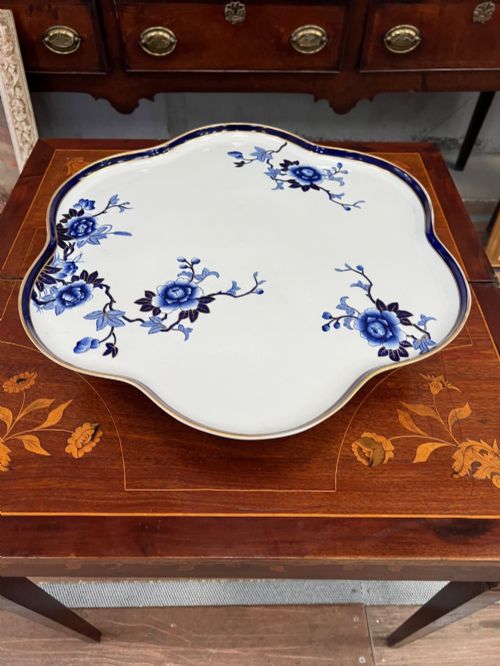
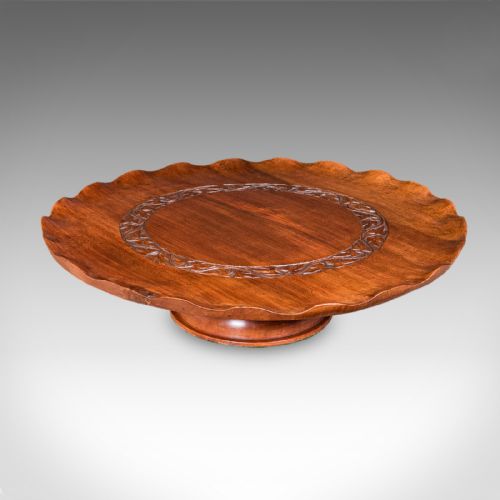
Surfaces feature carved details, polished wood finishes, and in some instances, inset porcelain dishes as seen in the coalport porcelain supper set. Metal components like silver plate and aluminium appear alongside ebony accents in specific pieces.
Revolving Serving Tray Table Retail Price Guide 2026
Typical asking prices for revolving serving tray table among the pieces listed under this phrase on Sellingantiques today, from the lower quarter to the upper quarter. They describe what is for sale here now, not the wider market.
Materials represented across the selection include mahogany, oak, porcelain, brass, and aluminium.
What varies in quality
Quality rests in the precision of the rotating mechanism and the integrity of the timber used for the tiers and trays. Finer examples display carefully turned mahogany columns, balanced tiers, and robust joints that withstand regular rotation.
Materials elevate the distinction of a piece, separating straightforward utilitarian oak from sophisticated George III mahogany constructions or detailed porcelain supper sets with integrated rotating sections.
The Revolving Serving Tray Table Glossary
- Lazy Susan
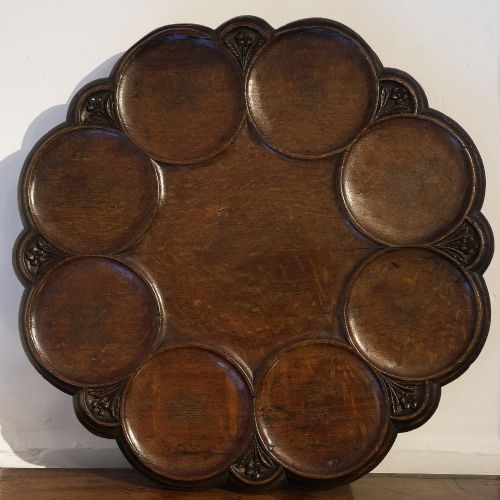
- A rotating tray placed on a table to allow easy sharing of food and condiments. This form appears across oak, mahogany, and porcelain iterations.
- Dumb Waiter
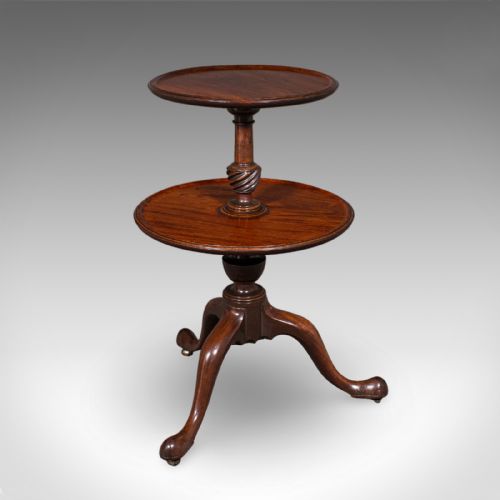
- A tiered serving stand designed to hold dishes and drinks near a dining table without requiring servant attendance. These structures feature multiple graduated circular tiers.
- Supper Set
- A fitted collection of dishes, often incorporating a central rotating element for shared dining. The Coalport example demonstrates this form.
- Regency
- An English design period spanning the early 19th century characterised by classical influence and refined cabinetmaking. Pieces from this era often utilise figured mahogany.
Revolving Serving Tray Table: Frequently Asked Questions
What is a revolving serving tray table used for?
These pieces function as dining room aids designed to hold and pass food, condiments, and afternoon tea without excessive reaching.
They allow diners to rotate dishes smoothly across the table or keep multiple courses accessible on tiered stands.
How do I identify a Georgian dumb waiter?
Georgian dumb waiters typically feature graduated circular mahogany tiers supported by a central turned column and tripod legs.
Cabinetmakers of the 18th and early 19th centuries focused on sturdy timber construction and balanced proportions.
What materials were used for these rotating trays?
Primary materials include mahogany and oak, supplemented by brass mechanisms, glass, and porcelain dishes.
Finer versions incorporate details like ebony, silver plate, or aluminium depending on the period and style.
Are these pieces suitable for modern dining rooms?
These items integrate naturally into contemporary spaces as functional centrepieces for serving meals or displaying items.
Their rotating designs remain as practical for sharing food today as they were during the Georgian and Victorian eras.