




19th Century Lustres
These 19th century lustres bring metallic finishes and cut crystal drops to mantelpieces and tables, offering the decorative brilliance collectors want for period interiors.
19th Century Lustres
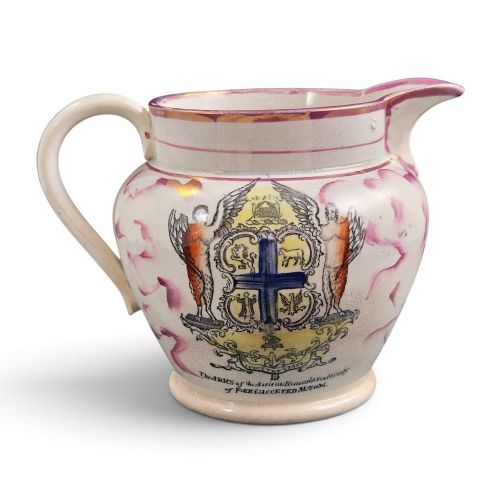
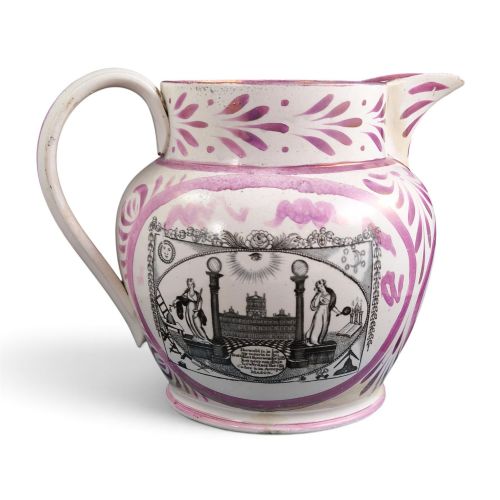
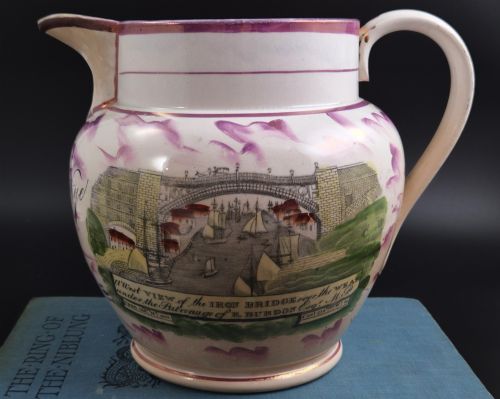
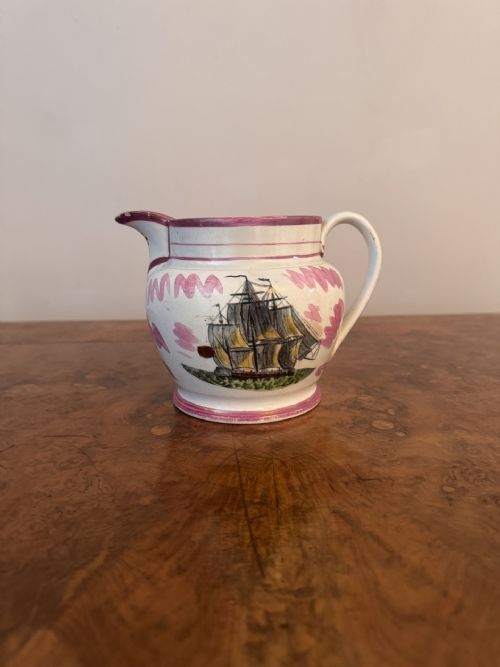
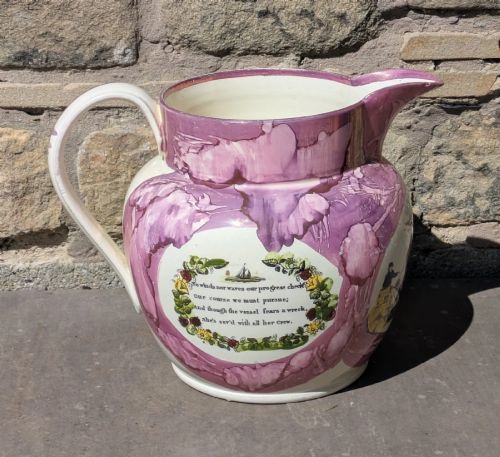
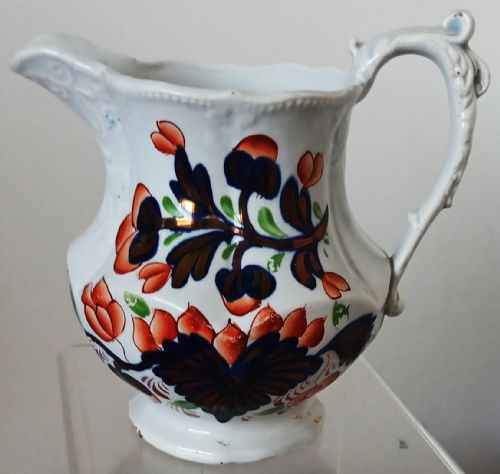
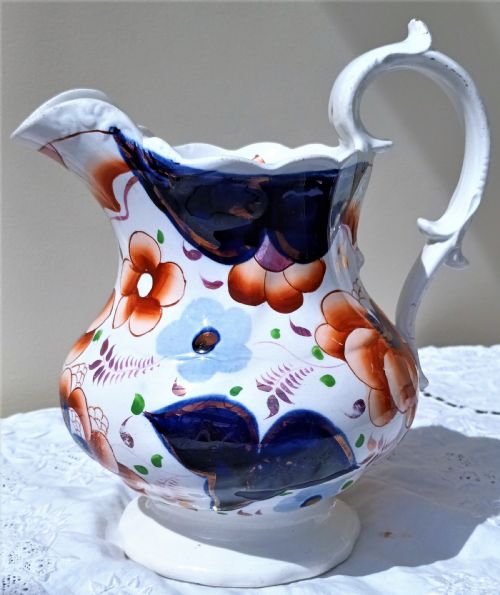
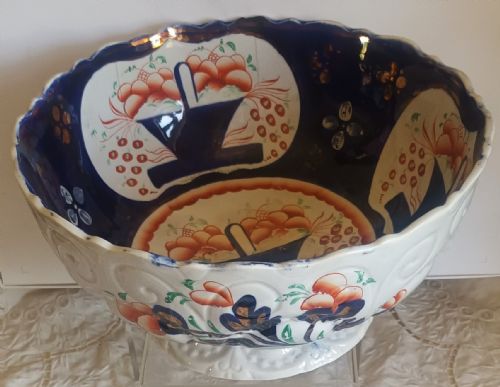
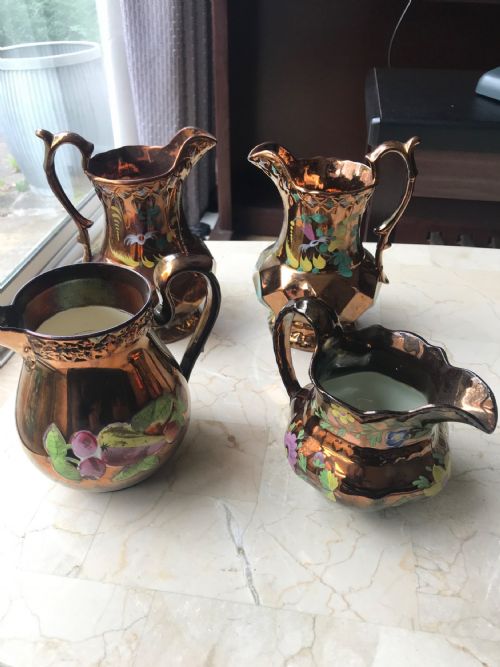
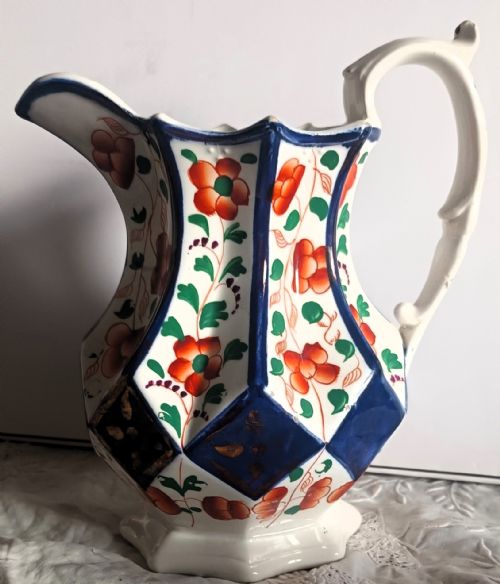
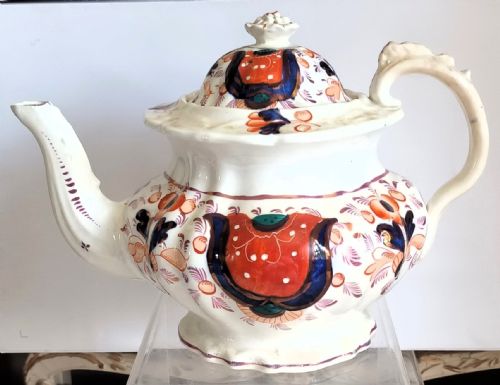
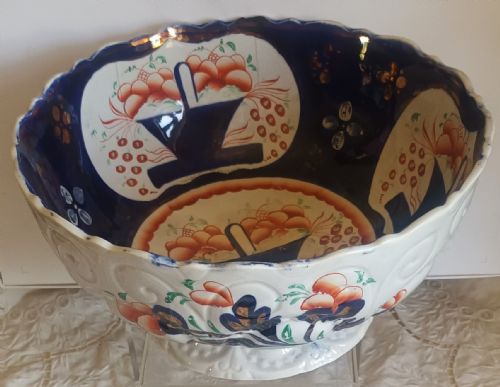
When searching for 19th century lustres, buyers encounter two distinct traditions: ceramic earthenware jugs finished with metallic glazes and glass or bronze mantelpiece ornaments hung with prismatic drops. The ceramic examples typically take the form of Sunderland pink splash jugs or Gaudy Welsh earthenware decorated with maritime scenes, Masonic emblems, and poetic panels. These pieces trace their origins to Georgian and Victorian potteries where workers applied copper, pink, or silver lustre washes.
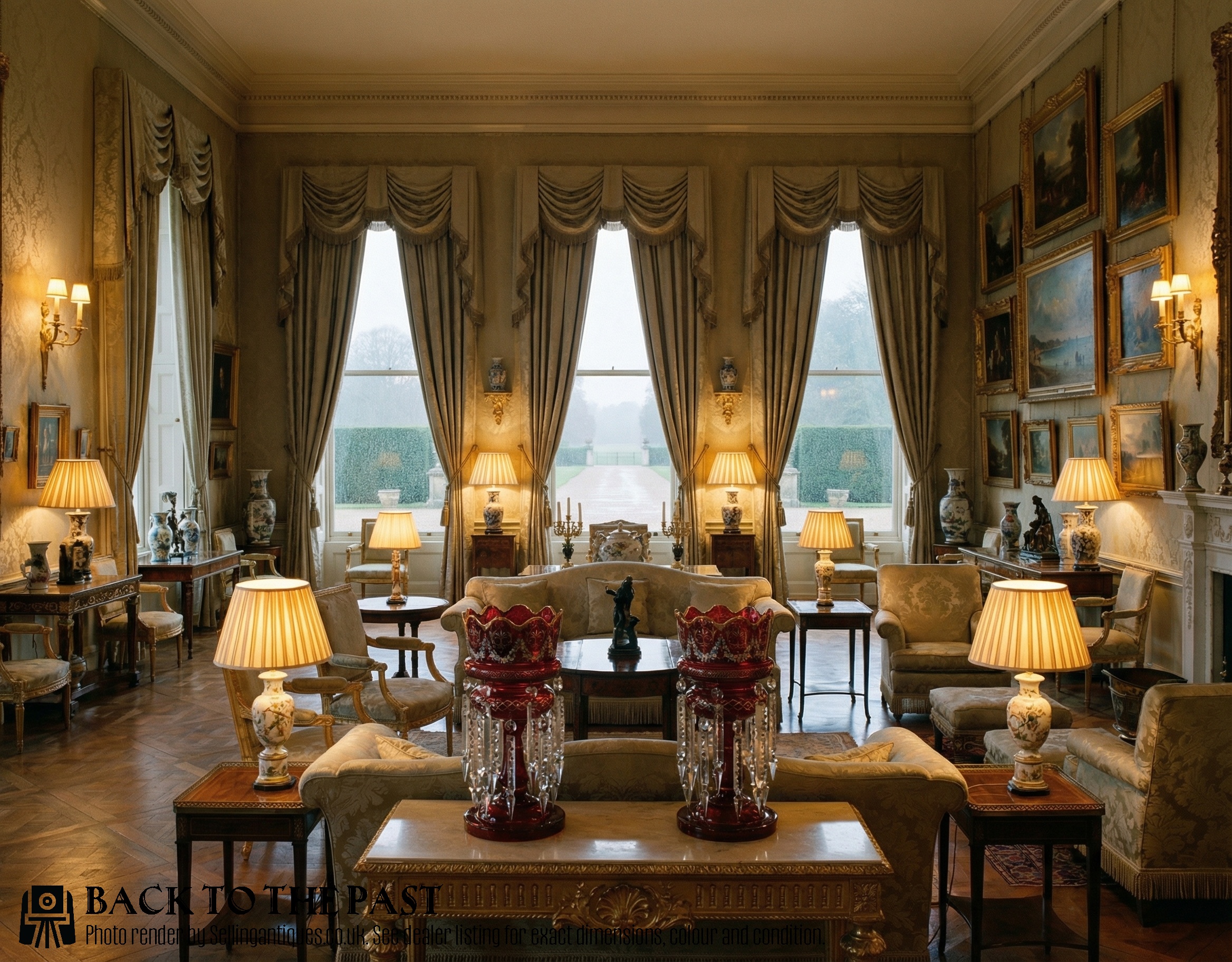
Mantelpiece lustres appear frequently as pairs of green, ruby, or opaline glass table ornaments, alongside bronze and ormolu candelabra fitted with crystal droplets. These glass and metal versions function primarily as decorative lighting accessories designed to reflect candle or daylight through cut glass prisms. The selection spans earthenware bowls, basins, and cream jugs alongside French Empire chandeliers and Swedish glass table pieces.
How they were made
Potters created the metallic sheen on earthenware by applying thin metallic solutions containing copper, gold, or silver to the clay body before a second firing. This process produced the characteristic pink splash and copper lustre finishes seen on Staffordshire and Sunderland pottery.
Glass table lustres relied on blown and flash glass techniques, often employing ruby, green, or opaline layers that artisans cut back to reveal contrasting colours underneath. Makers then suspended lead glass prismatic drops from the rims using metal pins to complete the optical effect.
Listings feature earthenware jugs, glass table lustres, and bronze candelabra spanning the Georgian and Victorian periods.
What varies in quality
The sophistication of the metallic glaze application distinguishes standard utility vessels from exhibition-grade pieces, particularly in the depth and coverage of the pink splash or copper sheen. Hand-painted transfers on Sunderland jugs show varying degrees of registration and hand-colouring precision.
For glass and bronze examples, the completeness of the original prismatic drop complement and the crispness of the cast ormolu mounts determine the grade of the piece. Matching pairs with intact, uniform glass drops command greater interest than mismatched or incomplete sets.
Sunderland Garrison Pottery·Wedgwood
The 19th Century Lustres Glossary
- Pink lustre
- A ceramic glaze technique incorporating gold or platinum to produce a metallic pink colouration, often applied in marbled or splash patterns on earthenware. This finish characterises many Sunderland jugs from the Georgian and Victorian periods.
- Prismatic drop
- A cut glass pendant hung from the rim of a lustre or chandelier to refract light. These glass drops are suspended by wire or pins through small holes drilled in the glass body.
- Gaudy Welsh
- A style of brightly decorated pottery featuring cobalt blue, copper lustre, and iron-red enamel patterns on white earthenware. It was produced extensively during the nineteenth century for domestic use.
- Pearlware
- A fine-grained earthenware developed by Josiah Wedgwood that featured a pale bluish glaze to mimic Chinese porcelain. It served as a common body for early nineteenth-century painted jugs.
- Ormolu
- Gilded bronze ornamentation used on nineteenth-century French and English decorative metalwork. The technique involves applying a mercury and gold amalgam to cast brass or bronze.
19th Century Lustres: Frequently Asked Questions
What are 19th century lustres?
These pieces comprise ceramic jugs finished with metallic glazes and glass or bronze mantelpiece ornaments decorated with hanging crystal drops. They were produced across British and European workshops during the Georgian and Victorian eras.
Earthenware examples often feature transfer-printed maritime scenes and pink lustre washes, while glass versions act as decorative candle furniture designed to catch and refract light.
How were lustre jugs used?
Sunderland and Staffordshire lustre jugs served both commemorative functions and daily domestic tasks like pouring milk or water. Many recorded maritime themes, Masonic symbols, and poetic verses tailored for sailors and local communities.
Larger bowls and jugs displayed prominent inscriptions or transfer prints celebrating trade unions, naval victories, and family milestones.
How do you style glass lustres?
Table lustres sit best in pairs on mantelpieces, sideboards, or console tables where daylight can pass through their glass bodies and hanging prisms. They add height and reflective texture to traditional room schemes.
Matching them with period candlesticks or placing them near mirrors enhances their original purpose as light-reflecting ornaments.
How to tell periods apart?
Early nineteenth-century pieces often utilise pearlware bodies with hand-painted details and copper or silver lustre washes. Victorian examples tend to feature bolder transfer prints, pink splash glazes, or heavier moulded glass.
French and Swedish glass lustres from the latter half of the nineteenth century frequently employ opaline or flash glass alongside gilded bronze mounts.