


19th Century Lantern
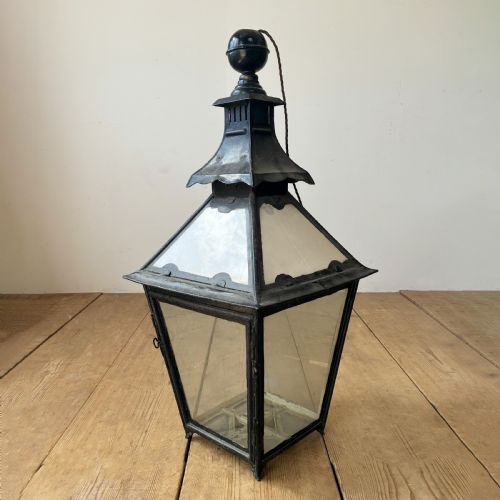
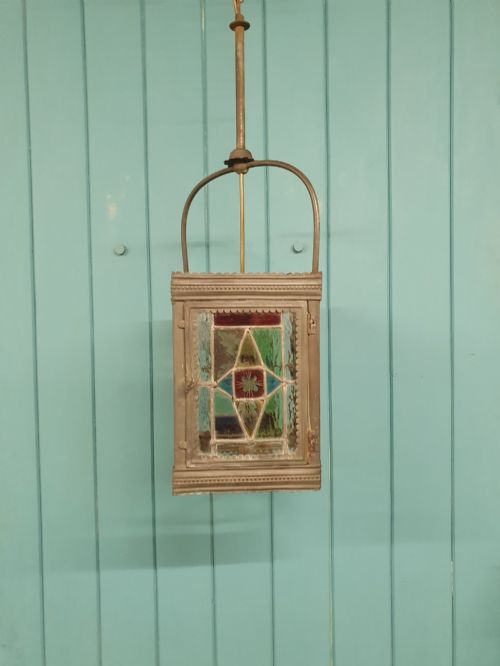
A 19th century lantern brings period illumination to a hall or porch with brass, copper and glass.
19th Century Lantern
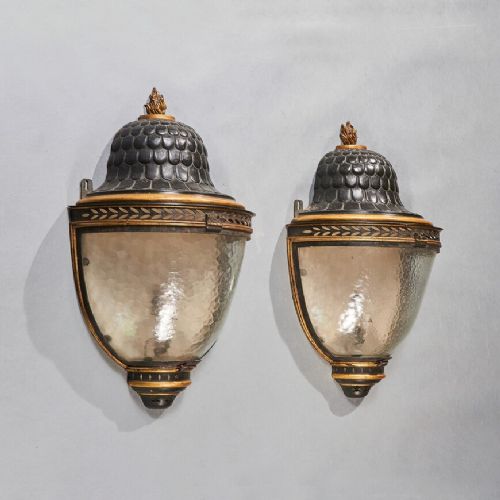
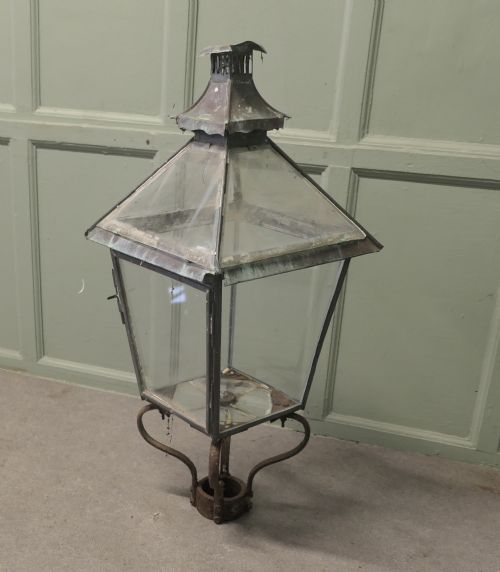
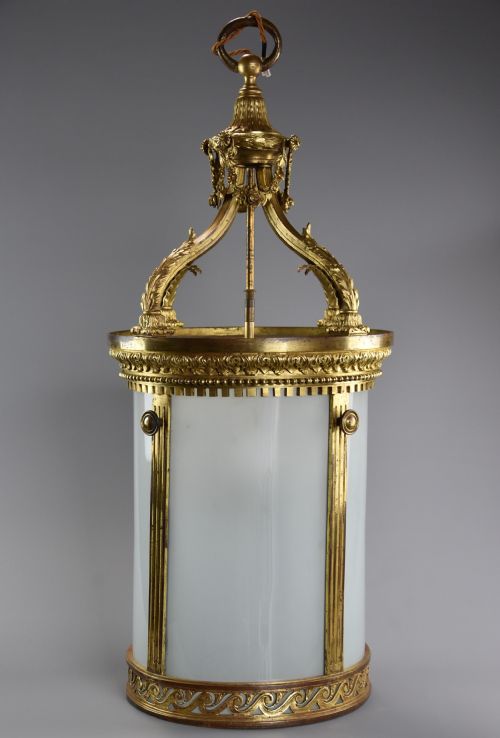
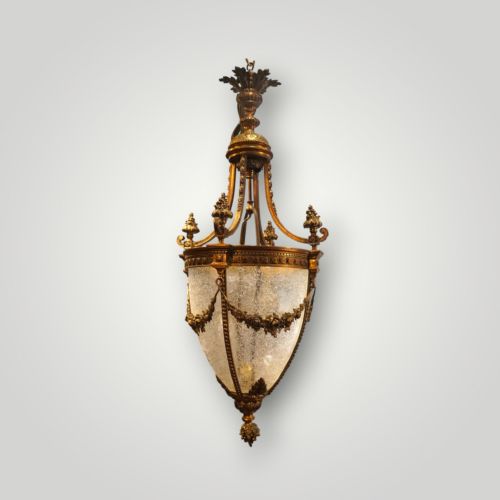
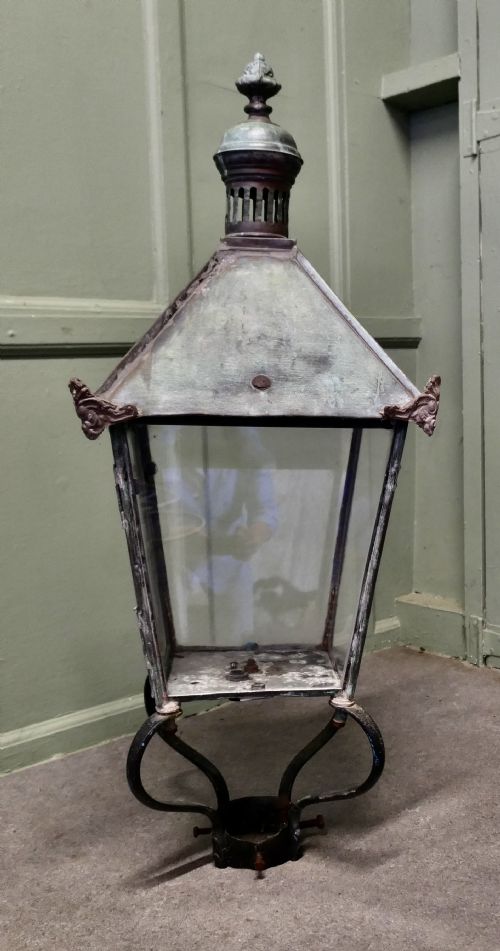
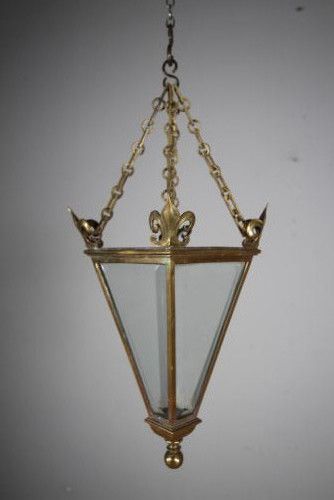
A 19th century lantern encompasses hanging hall lights, wall-mounted carriage lamps and heavy outdoor street fixtures originating from the Victorian era and adjacent periods. Buyers will frequently encounter brass and bronze hexagonal hall lanterns alongside robust copper street and porch designs.
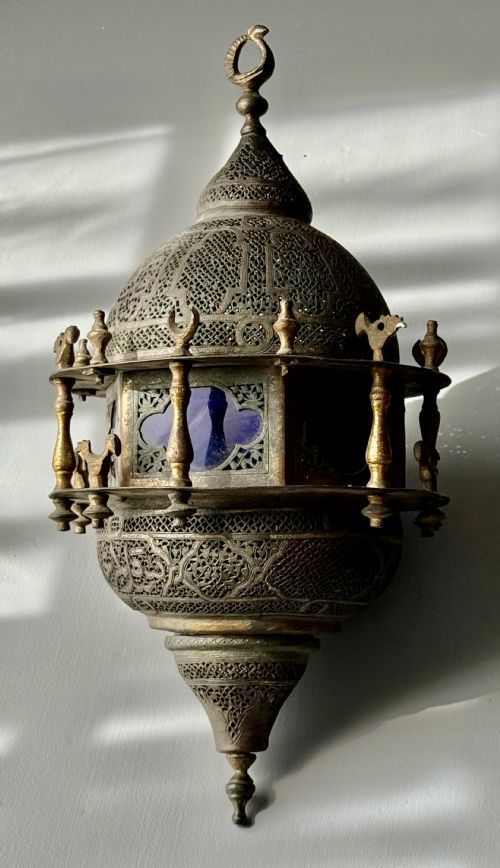
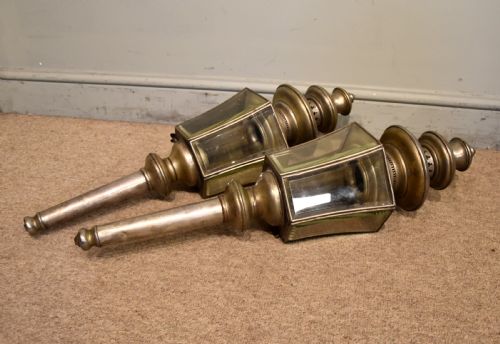
The selection ranges from interior ceiling pendants with glass panels to carriage lamps designed for transport and exterior architectural mounting. French and English workshops dominate the origins, spanning styles from Louis XVI revival to Moorish pierced brass.
Domestic hall lanterns served to light entranceways and corridors, while robust iron and copper iterations stood outside or mounted to coaches. Surviving examples reflect both grand interior decoration and utilitarian municipal or transit lighting.
How they were made
Metalworkers formed these pieces using cast and sheet brass, copper, bronze and wrought iron, frequently joining components with rivets or solder. Glass panels were hand-cut to fit frames, sometimes featuring leaded sections or intricate piercing.
Gilt bronze and ormolu finishes applied chemical or gold leaf treatments to base metals, while tole peinte incorporated painted metal surfaces. Wrought iron stands and cast iron structures provided heavy support for large outdoor models.
19th Century Lantern Retail Price Guide 2026
Typical asking prices for 19th century lantern among the pieces listed under this phrase on Sellingantiques today, from the lower quarter to the upper quarter. They describe what is for sale here now, not the wider market.
Two delicate glass autochromes preserve female nudes in oriental scenes from early nineteenth century archives.
What varies in quality
The distinction between standard utility items and finer pieces lies in the crispness of the casting, the weight of the metal gauge, and the intricacy of hand-pierced or chased ornamentation. Elaborate French gilt bronze and rococo detailing require significantly greater skill than plain sheet copper construction.
Proportion and material thickness dictate the presence of a piece, with heavy cast brass and integrated glass glazing holding more visual weight than lighter tin or plated alternatives.
John Walker
The 19th Century Lantern Glossary
- Tole peinte
- Painted sheet metal used for decorative objects and lighting fixtures. This technique allowed makers to introduce rich colour and pattern.
- Ormolu
- Gilt bronze ornamentation applied to furniture and lighting. The process involves coating base metal with a mercury and gold amalgam.
- Autochrome
- An early colour photography process developed by the Lumière brothers. These glass plates capture historic scenes in natural hues.
- Carriage lamp
- A specialised lantern mounted to horse-drawn vehicles for travel illumination. They feature sturdy brackets and heat-resistant glass.
- Pierced brass
- Metalwork perforated with decorative patterns to let light filter through. Moorish and revival styles frequently utilise this technique.
19th Century Lantern: Frequently Asked Questions
Where were hall lanterns hung?
These fixtures typically illuminated entrance halls, stairwells and high-ceilinged corridors of Victorian and Edwardian homes. Their primary purpose was greeting visitors with adequate light before gas or electric lighting reached every corner.
Today, hanging one in a modern hallway recreates that traditional welcoming atmosphere while serving as a strong architectural focal point.
How do carriage lamps differ?
Carriage lamps were built specifically to mount onto the exterior sides of horse-drawn vehicles to guide transport at night. They feature heavy brackets, ventilation cowls for oil flames, and robust frames to withstand travel.
In contemporary spaces, they work well mounted beside exterior doors or interior library passages as wall lanterns.
Can these lanterns use electricity?
Most surviving pieces have been adapted over time to house electrical wiring rather than burning oil or candles. Conversion allows them to function safely as modern ceiling lights or wall fixtures.
Rewiring preserves the original metal frame and glass while meeting current household electrical standards.
What metals are most common?
Brass, copper and bronze appear most frequently across domestic and municipal lighting from this era. Brass and gilt bronze suited formal interiors, while copper and iron served exterior or utilitarian roles.
Each metal develops a distinct patina over decades of exposure and handling.