
19th Century Ladies Desk
A 19th century ladies desk offers refined proportions and compact writing spaces tailored for intimate correspondence.

19th Century Ladies Desk
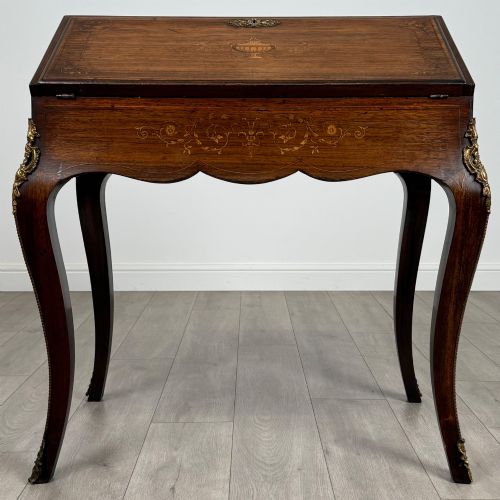
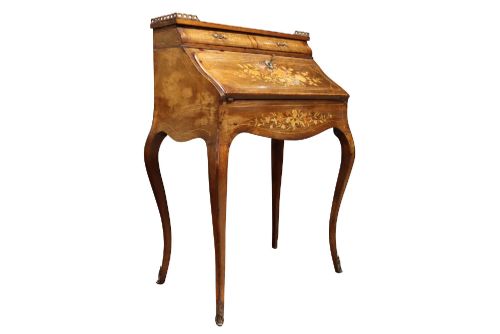
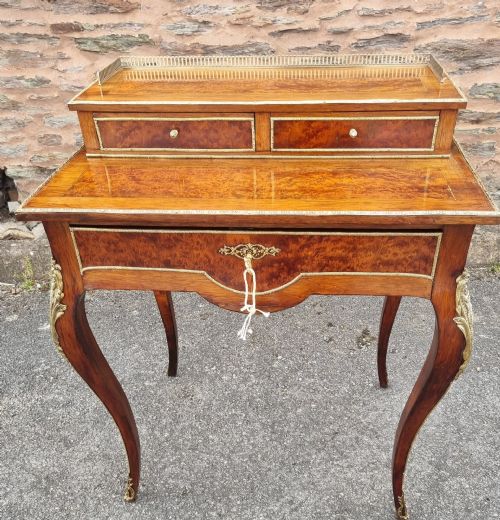
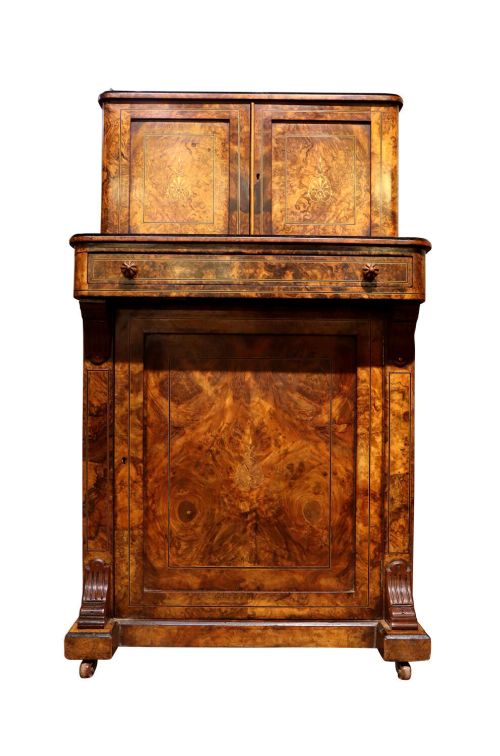
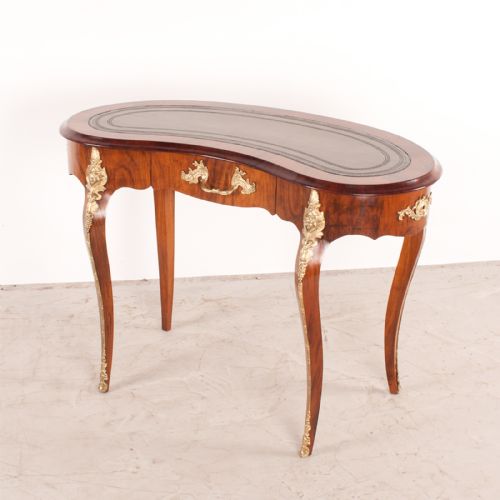
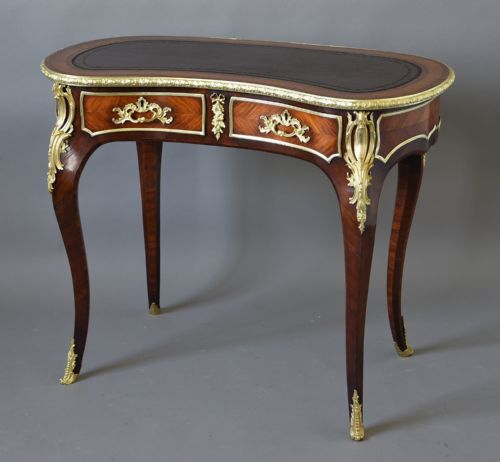
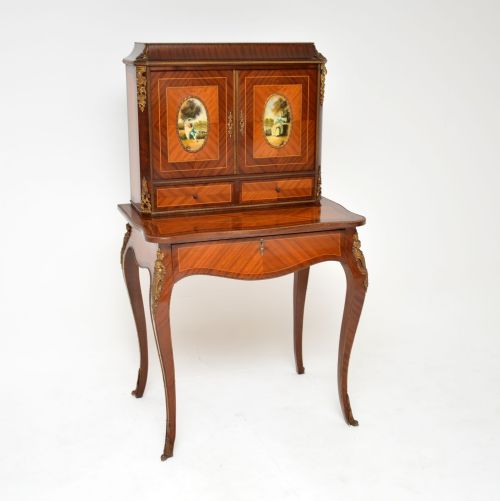
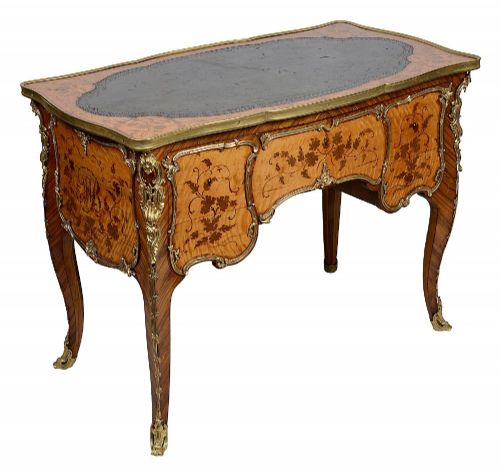
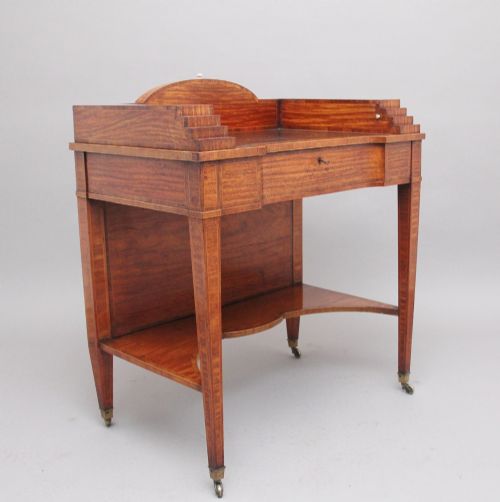
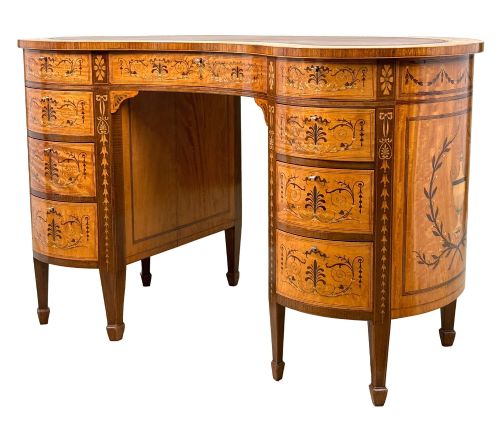
A 19th century ladies desk encompasses compact writing furniture designed specifically for personal correspondence and domestic accounts. These pieces appear frequently as bonheurs-du-jour, Davenport desks, and kidney-shaped writing tables originating from both English and French workshops. The forms range from simple Victorian walnut variants to elaborate marquetry pieces influenced by French Louis XV and Louis XVI revivals.
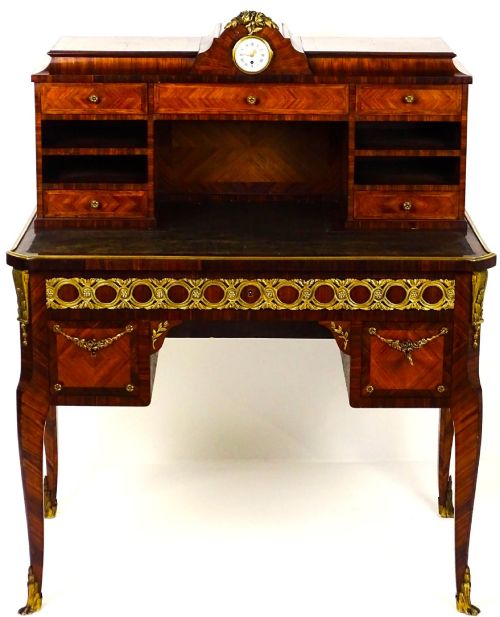
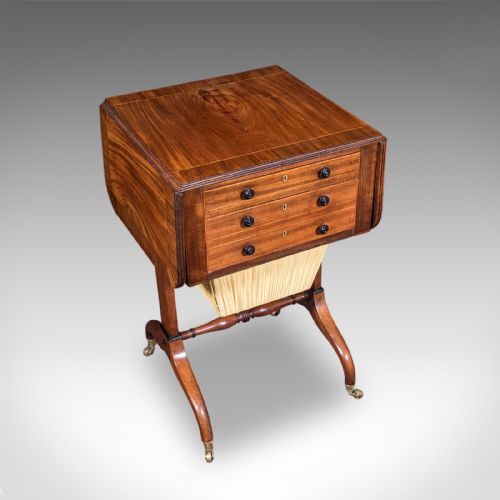
Buyers will encounter various configurations on this page, including cylinder desks, drop-leaf sewing tables adapted for writing, and compartmentalised escritoires. Many incorporate tiered superstructures with small drawers, pigeonholes, and cupboards above the main writing surface. The prevailing aesthetic leans towards delicate scale, making these smaller desks suitable for drawing rooms and boudoirs.
Materials and construction
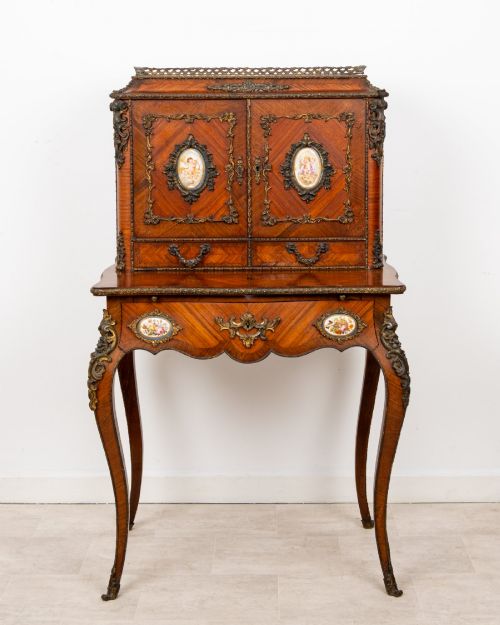
Cabinet makers utilised a rich palette of timbers, pairing structural carcases of mahogany, walnut, and satinwood with exotic veneers like kingwood, rosewood, amboyna, and tulipwood. Marquetry and parquetry patterns created intricate geometric or floral surface designs across tabletops and fall-fronts. In addition, many pieces incorporate brass stringing, mother-of-pearl, or painted porcelain plaques set into the wood.
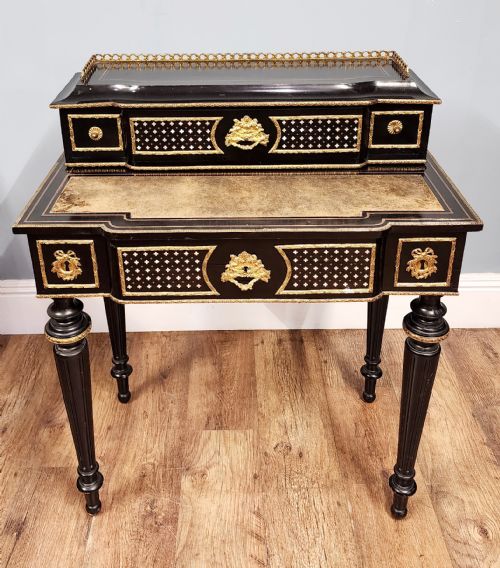
Ormolu mounts, cast and gilt bronze details, and pierced brass galleries embellish many French and English examples from the period. Writing surfaces frequently feature inset panels of tooled leather or velvet to provide a suitable medium for ink work. Internal fittings often showcase secondary timbers such as satinwood drawers and concealed secret compartments.
Listings feature frequent examples of Victorian walnut and French kingwood, alongside satinwood and mahogany frameworks.
Distinctions in craftsmanship
The degree of refinement in the parquetry, marquetry, and bronze casting separates standard production from exceptional examples. Finer pieces demonstrate meticulous hand-cut veneer matching and precise joinery that remains tight across seasonal humidity shifts. The quality of the ormolu mountings - specifically their sharpness of chiselling and depth of gilding - marks the distinction between workshop grades.
Internal execution also reveals the maker's hand, seen in the seamless operation of secret drawers, dovetailed drawer linings, and the choice of secondary woods. Retaining original fittings such as porcelain plaques, painted decoration, and leather writing surfaces elevates the integrity of the piece. Workshops known for high output, such as Edwards & Roberts or Paul Sormani, often display a superior level of finish in every structural detail.
Paul Sormani·Edwards & Roberts·John MaClean
The 19th Century Ladies Desk Glossary
- Bonheur-du-jour
- A small light-standing lady's desk featuring a raised cabinet or tiered section with drawers and shelves above a writing surface. This French form became highly popular during the Victorian era.
- Davenport desk
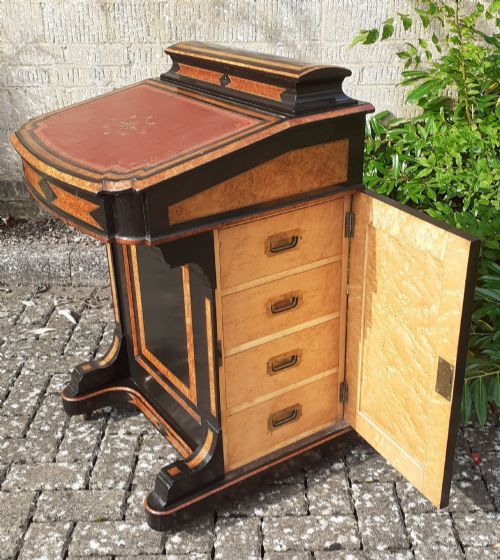
- A compact desk featuring a sloping, hinged writing lid that lifts to reveal a small interior, set above a pedestal of side drawers. They often incorporate a hinged pen tray on the top.
- Ormolu
- Gilded bronze used extensively for decorative mounts, feet, and gallery rails on 19th century furniture. The technique involves applying a mercury and gold amalgam to cast bronze.
- Marquetry
- The art of applying pieces of veneer to a structural structure to form decorative patterns and pictorial designs. Cabinet makers used various tinted woods to achieve tonal shading.
- Vernis Martin
- A type of decorative furniture finish resembling Japanese lacquer, developed in France to imitate Asian screens. It uses multiple layers of transparent varnish over painted scenes.
19th Century Ladies Desk: Frequently Asked Questions
What is a bonheur-du-jour?
A bonheur-du-jour is a petite writing desk featuring a small cabinet or set of shelves built onto the rear of the writing surface. These pieces were designed for lighter correspondence and display in private chambers.
They emerged in France before becoming widespread in English Victorian parlours. The upper section typically includes small drawers and pigeonholes for stationery.
How do I identify a Davenport desk?
A Davenport desk is distinguished by its compact box-like shape, featuring a sloping hinged lid for writing over a pedestal of drawers. Many examples include a small pen compartment affixed to the top right.
Cabinet makers often built these with pull-out slides on the sides to hold inkwells and provide extra surface area. Their small footprint made them practical for tighter nineteenth-century rooms.
Where were these desks placed?
These desks were typically kept in private sitting rooms, boudoirs, or drawing rooms rather than formal libraries. Their finished backs often allowed them to sit away from the wall in the centre of a room.
Because they were designed for personal use, they frequently incorporated locking mechanisms to secure private correspondence and journals. Their modest scale ensured they blended with domestic seating arrangements.
How do I care for leather writing surfaces?
Leather writing surfaces benefit from gentle cleaning with a damp cloth, avoiding excess moisture that can warp the underlying timber. Conditioning treatments help maintain flexibility and prevent the leather from drying out over time.
Many antique desks retain their original tooled borders, which require careful handling around the gilt edges. Using a blotter helps protect the historic hide from ink stains and daily wear.
What distinguishes French revival styles?
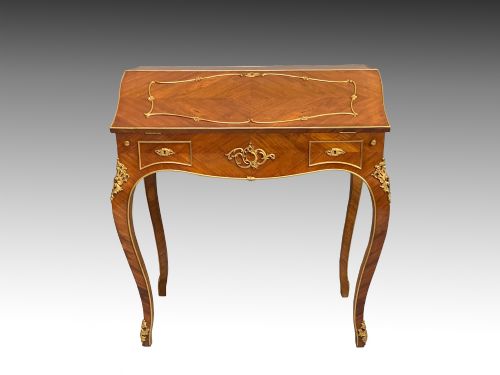
French revival styles incorporate Louis XV and Louis XVI design elements, featuring serpentine outlines, cabriole legs, and asymmetrical floral marquetry. Makers combined these sweeping contours with lavish ormolu mounts and exotic wood veneers.
English interpretations often blend these continental flourishes with native cabinetry traditions, such as Sheraton revival satinwood framing. The overall effect remains decorative and lighter in visual weight than earlier heavy Victorian furniture.