

French Rococo Writing Table
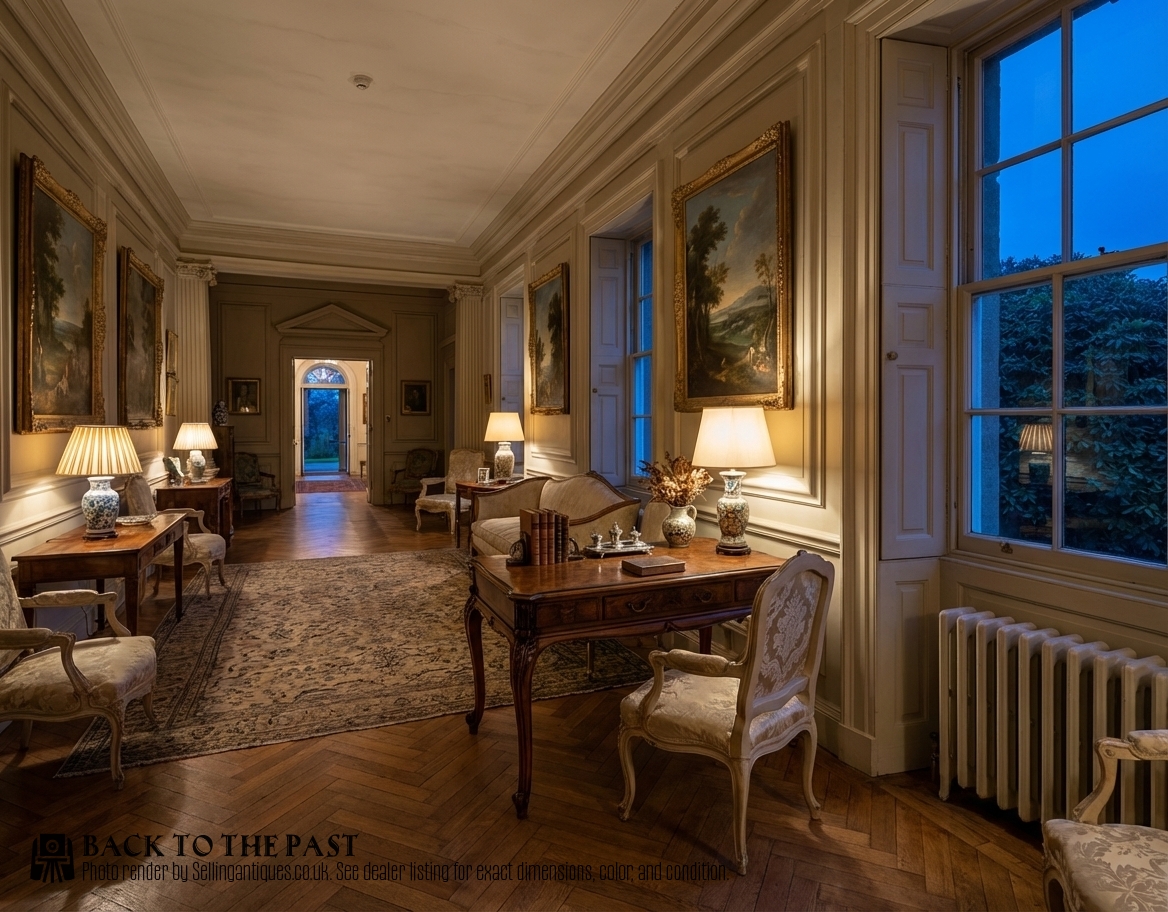
A french rococo writing table brings sweeping curves and elaborate mounts to any room, offering a functional surface rooted in centuries of cabinetmaking tradition.
Identifying a french rococo writing table
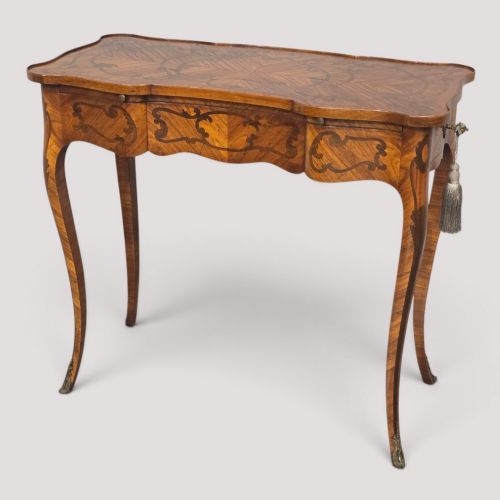
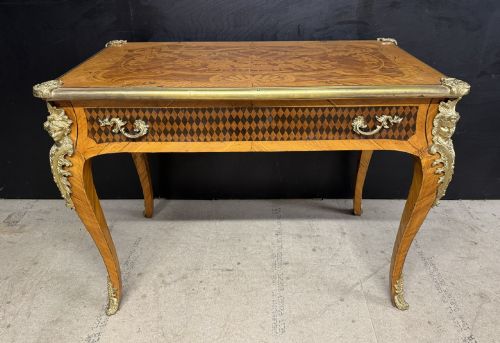
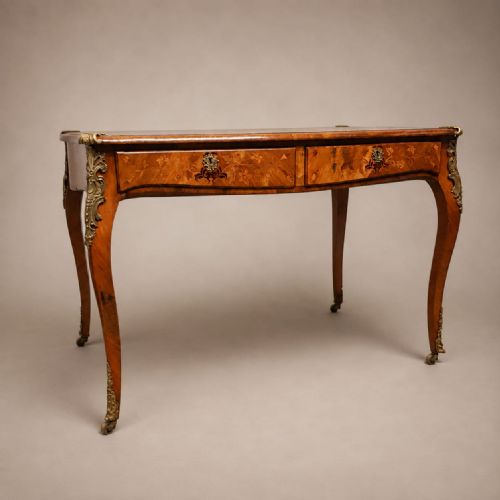
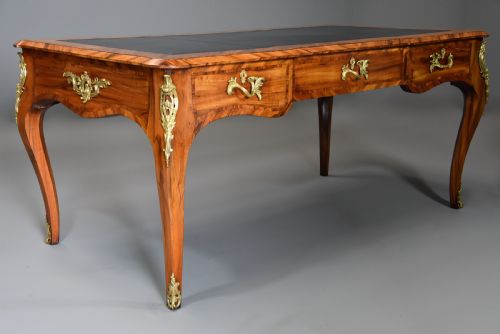
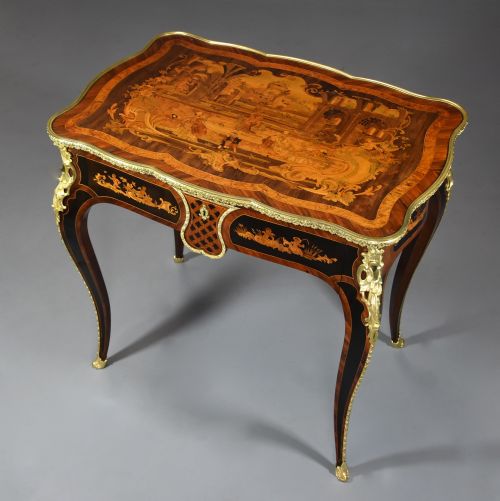
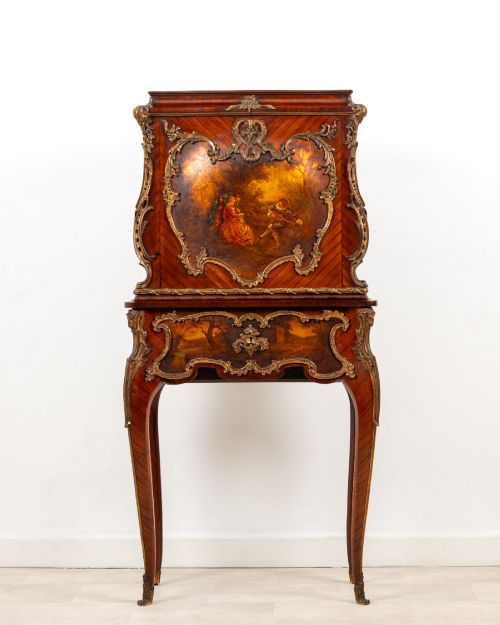
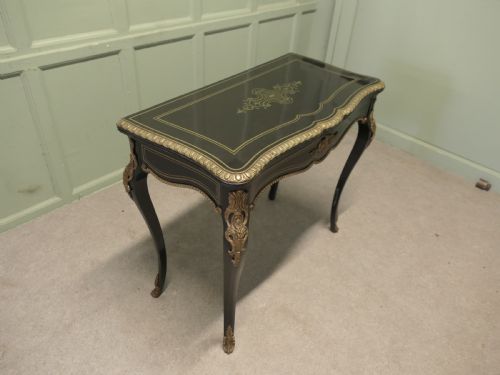
A french rococo writing table represents a distinct form of antique desk that prioritizes ornate shaping over strict geometric lines. When exploring french rococo writing table options, buyers encounter pieces primarily originating from the nineteenth century, including specific items dated around eighteen-eighty, nineteen-twenty, and eighteen-sixty.
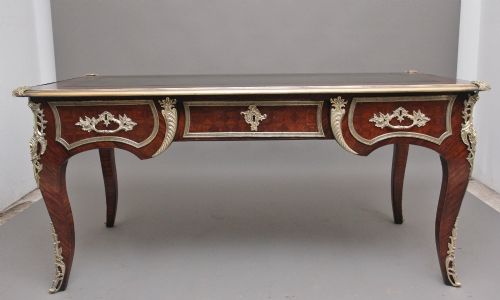
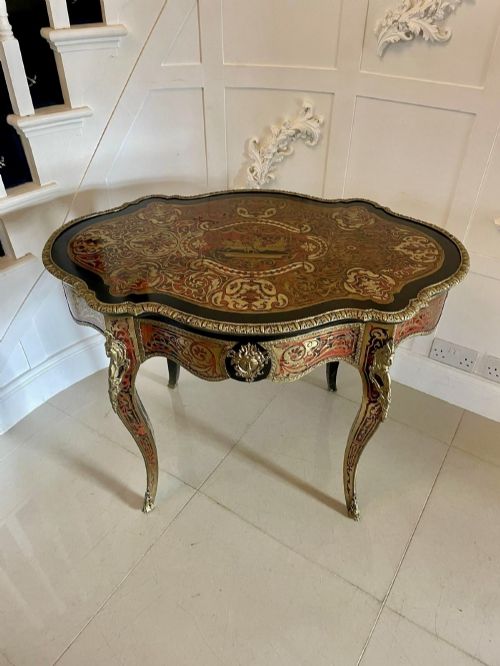
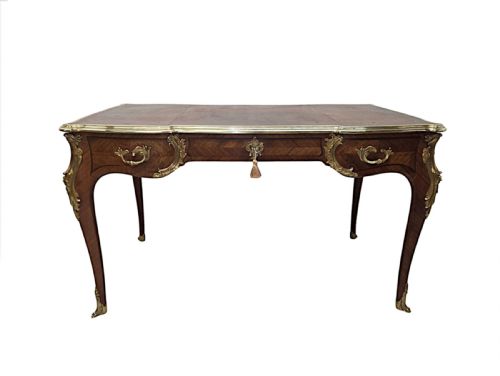
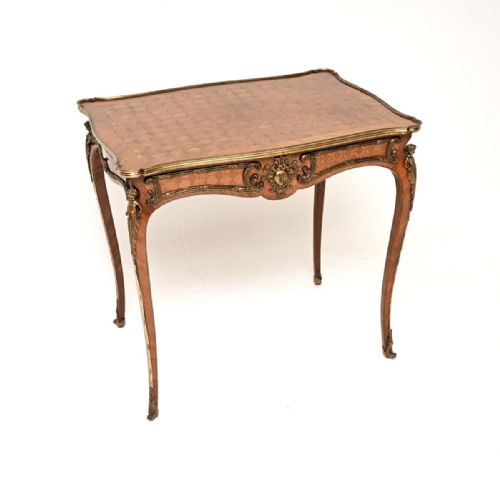
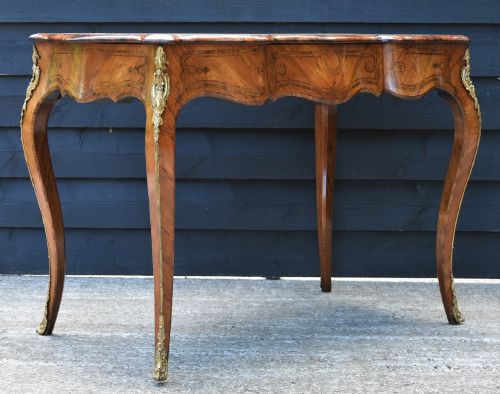
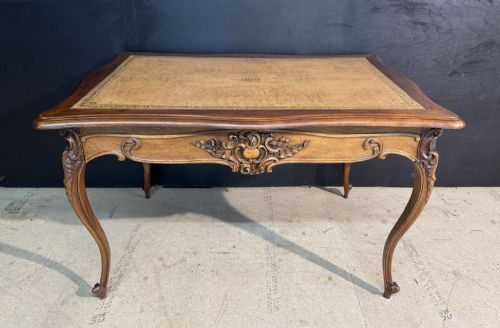
The selections span several related designations within the listings, such as bureau plat, kidney shape desks, centre tables, and ladies desks. These variations provide different proportions and drawer configurations while maintaining the characteristic silhouette associated with the style.
Revival aesthetics heavily influence the available inventory, with pieces categorized under French Rococo Revival, Louis XV Revival, Louis XV, French Louis XV Style, and French Chateau. This means buyers typically acquire later nineteenth-century interpretations rather than original eighteenth-century productions.

Materials and construction
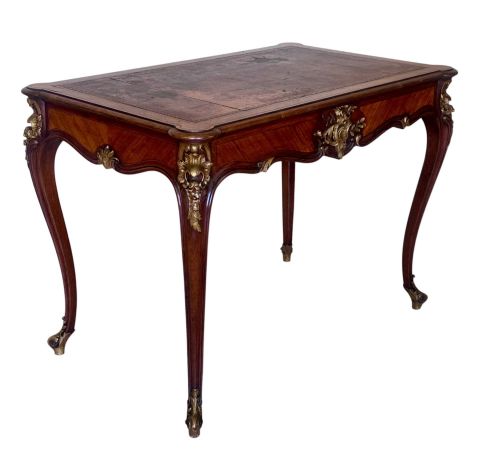
Cabinetmakers constructed these tables using specific hardwoods and decorative veneers, notably kingwood and burr walnut, laid over solid timber frameworks. Marquetry inlay frequently decorates the surfaces, creating intricate floral or geometric patterns that contrast with the surrounding grain.
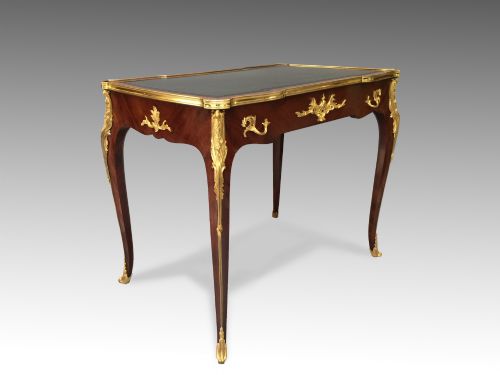
Metalwork forms an essential component of the physical structure, utilising ormolu and gilt-bronze for decorative mounts on corners and legs, alongside brass detailing. Working surfaces often incorporate inset leather panels to provide a smooth writing area framed by timber borders.
Retail Price Guide 2026
Typical UK retail prices for french rococo writing table, calculated from the Sellingantiques database of over a million retail prices indexed since 2003. This retail price guide relies exclusively on Sellingantiques data; no external sources or auction records are used, so the figures do not describe the wider market.
Assessing quality in design and execution
The distinction between standard and exceptional pieces lies in the precision of the marquetry and the crispness of the cast metal mounts. Finer examples display meticulous hand-chasing on the ormolu and seamless integration of veneers across curved drawer fronts and cabriole legs.
Structural integrity depends on the joinery within the framework and the stability of the timber over time. Superior tables maintain rigid alignment in their kidney or rectangular shapes despite seasonal humidity changes acting on the underlying wood.
Durand
The French Rococo Writing Table Glossary
- Bureau plat
- A flat-topped writing desk, usually freestanding with drawers across the frieze. This term frequently applies to formal library tables from the nineteenth-century revival periods.
- Ormolu
- Gilded bronze applied as decorative mounts to furniture frames and corners. The material gives a bright golden finish that defines the rococo aesthetic.
- Marquetry
- Decorative veneer work arranged in pictorial or abstract patterns on the surface of timber. Craftsmen cut contrasting woods together to achieve tight fits.
- Kingwood
- A dense, heavily figured timber valued for its rich brown and dark violet tones. It appears extensively on nineteenth-century French revival desks.
- Cabriole leg
- A furniture leg that curves outward and then tapers inward with a pad or scroll foot. This shape mimics animal legs and is central to the style.
Frequently Asked Questions
What is a bureau plat?
A bureau plat is a formal writing desk designed to stand away from the wall with drawers fitted into the frieze beneath the top.
These pieces typically feature leather-lined writing surfaces and elaborate bronze mounts along the legs and edges.
How do I care for kingwood veneer?
Kingwood veneer requires stable indoor humidity and protection from direct sunlight to prevent the timber from drying and splitting.
Regular dusting with a soft cloth preserves the polish without introducing moisture or silicone residues to the antique surface.
Where were these desks placed?
These tables were historically positioned in the centre of private studies, drawing rooms, or salons as freestanding furniture.
Because they are finished on all sides, they did not need to be pushed against a wall.
Are nineteenth-century revival pieces authentic?
Nineteenth-century revival furniture is authentic to its own period of manufacture, reproducing eighteenth-century Louis XV designs with contemporary nineteenth-century skill.
These items reflect the high standards of Victorian and Second Empire cabinetmakers rather than the original royal courts.