

19th Century Lacquer Table
When you select a 19th century lacquer table, you bring home a surface layered in history, decorative depth and enduring craft.
19th Century Lacquer Table
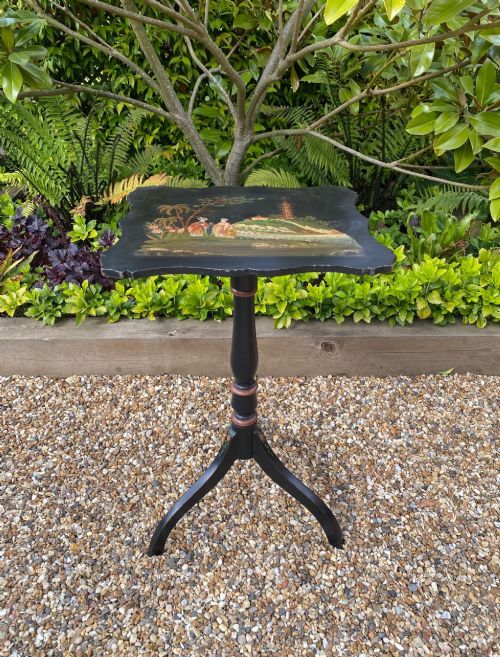
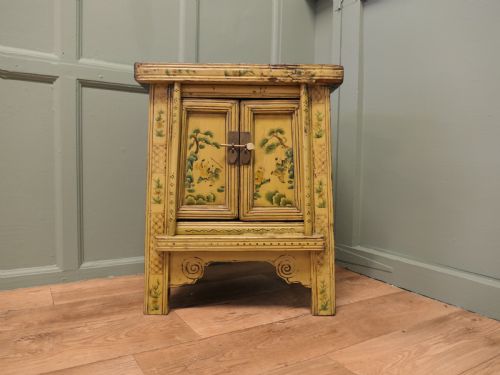
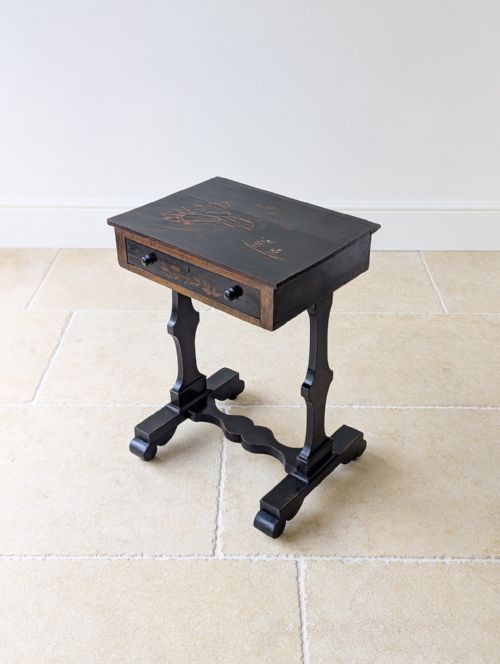
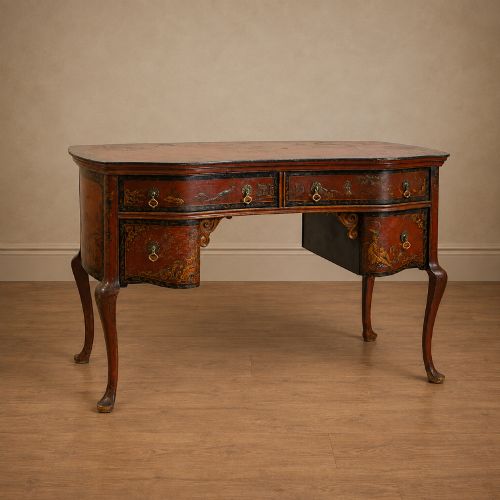
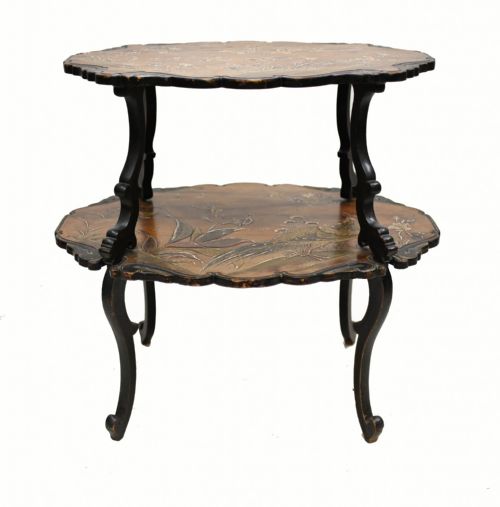
A 19th century lacquer table encompasses various forms designed for utility and display, ranging from tripod side tables and games tables to low coffee tables and console tables. These pieces emerge from diverse traditions, including English Regency interpretations, Chinese Export workshops, and Japanese Meiji production.
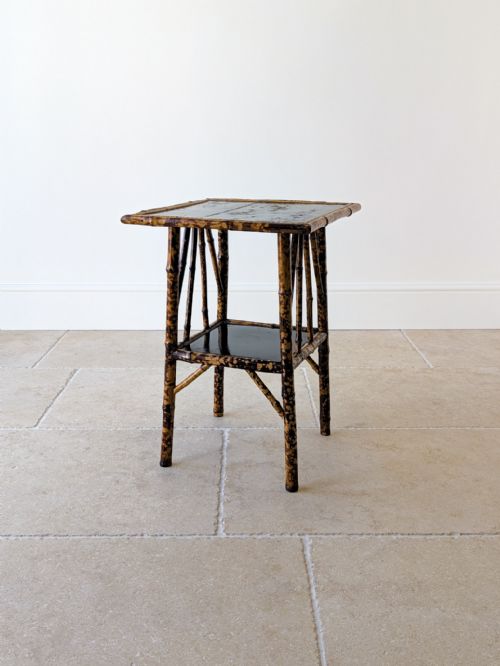
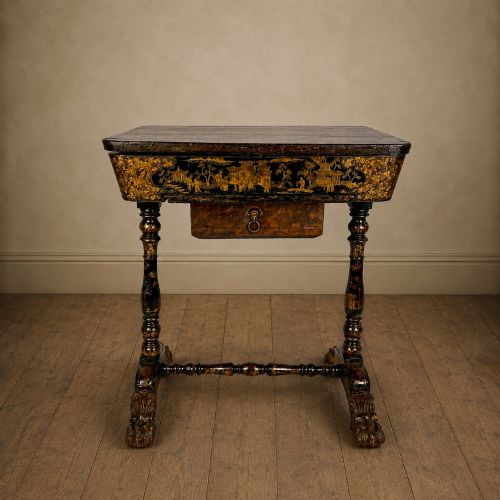
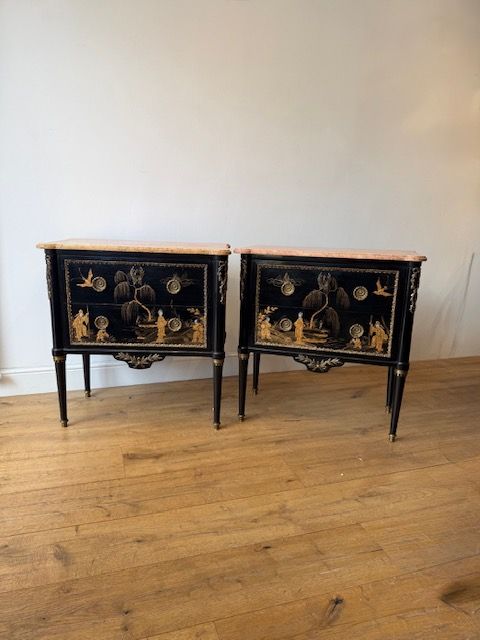
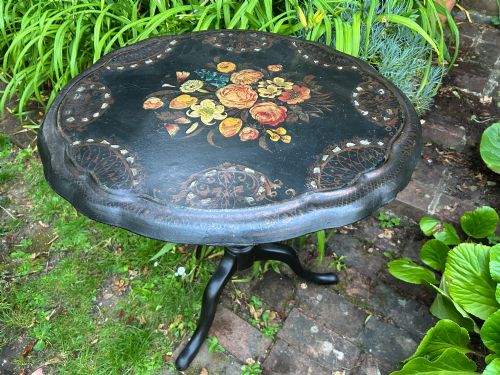
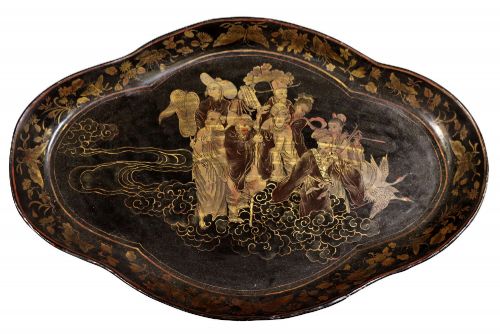
The most common examples encountered on this page include black or red lacquered occasional tables decorated with Chinoiserie motifs, alongside papier-mâché tray tables adapted for modern living. Makers utilised regional woods such as elm or bamboo as foundations, applying heavy coats of lacquer to create smooth, lustrous top surfaces.
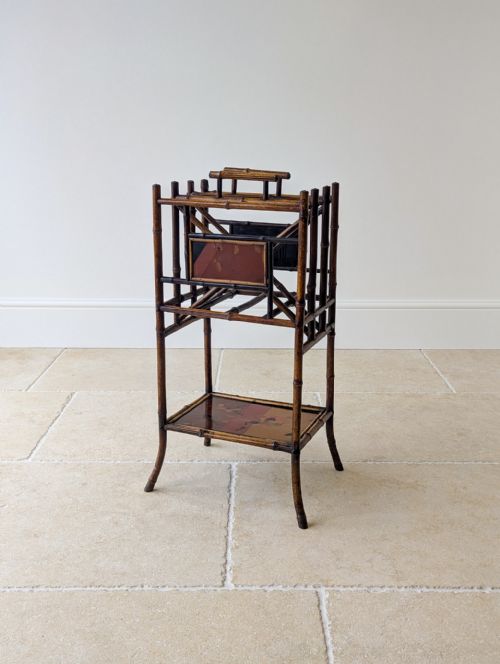
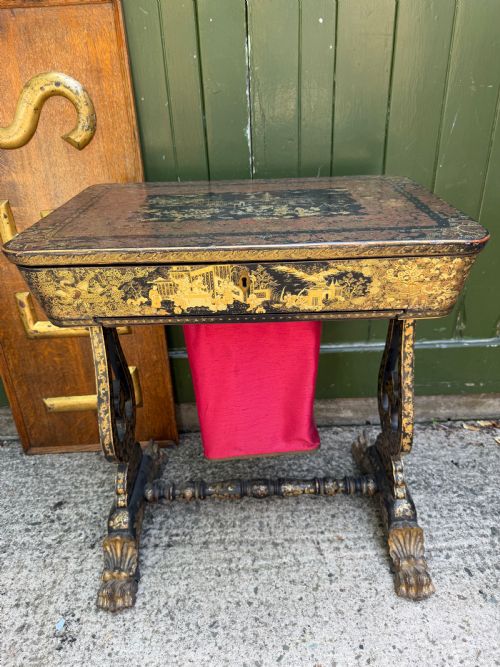
Objects frequently feature detailed gilt decoration depicting landscapes, figures, or floral patterns, reflecting global trade and aesthetic fascination across the Victorian era. Whether configured with tilt-top mechanisms or standing on delicate bamboo legs, each piece serves as a functional centrepiece.
Materials and construction
Constructed from solid timbers such as Chinese elm, kingwood, or natural bamboo, these tables rely on stable joinery to support heavy layers of resin or varnish. Artisans built up the surface through repeated applications of lacquer, sometimes utilising papier-mâché for moulded components like trays and small stands.
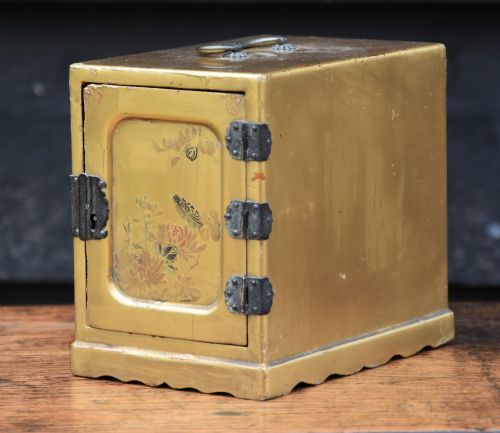
Decoration involved hand-painting and the application of gold leaf, gilt, or brass mounts to accentuate the dark or brightly coloured background. Techniques varied from the intricate brushwork of Vernis Martin panels in European ateliers to the dense, layered red and black finishes of Asian export workshops.
Some tables double as sewing companions, hiding compartments for thread while looking entirely serious.
Assessing the workmanship
Quality rests upon the depth and stability of the lacquer finish, as well as the precision of the hand-painted or gilded ornamentation. Superior examples display crisp details in the decorative motifs without excessive wear or modern repainting across the primary surfaces.
The underlying carpentry distinguishes high-grade items from simpler utilitarian wares, evident in the snugness of joints, the stability of tripod bases, and the selection of secondary woods. Pieces retaining original brass galleries, mounts, or functioning tilt mechanisms command greater appreciation among collectors.
Jennens and Bettridge
The 19th Century Lacquer Table Glossary
- Chinoiserie
- European artistic style reflecting Chinese motifs and decorative techniques. Artisans applied these imaginative landscapes and figures to furniture throughout the Georgian and Victorian periods.
- Japanning
- European imitation of East Asian lacquerwork. Craftsmen layered varnishes and heat-cured the finish before adding gilt details to emulate imported wares.
- Vernis Martin
- European carriage varnish adapted for furniture decoration. Developed in France, this translucent finish allowed intricate painted scenes to show through with great clarity.
- Papier-mâché
- Composite material made from paper pulp mixed with glue and resin. Pressed into moulds and dried, it provided a smooth, durable base for lacquer and tray tops.
- Tilt-top
- Table construction featuring a mechanism allowing the surface to pivot vertically. This design enabled easy storage against walls when not in use.
19th Century Lacquer Table: Frequently Asked Questions
How were these tables used originally?
Many of these surfaces served specific domestic functions such as serving tea, holding candles, or accommodating needlework and games. Smaller tripod and occasional forms moved easily around drawing rooms to suit the needs of the household.
Larger console and altar tables remained stationary against walls to display decorative objects or anchor formal room layouts. Their durable lacquered finishes protected the wood from moisture and daily wear during routine domestic activities.
How do I care for a lacquer surface?
Keep these pieces away from direct sunlight and extreme temperature fluctuations to prevent the lacquer from drying out or cracking. Dust gently with a soft, dry cloth and avoid using chemical cleaners or abrasive polishes.
Use coasters or mats beneath any objects placed on the surface to protect the historical finish from scratches and moisture rings. Gentle handling ensures the delicate gilt and painted details survive for decades to come.
How do I distinguish regional styles?
English and French interpretations often incorporate European structural forms like bamboo frames, papier-mâché trays, or Vernis Martin panels. These frequently reflect Regency or Victorian aesthetic movements through ebonised woods and classical brass mounts.
Asian export pieces typically utilise native timbers such as Chinese elm, featuring deep red or black lacquer layered over carved wood. Their motifs directly reference Qing Dynasty designs and traditional Eastern iconography.
What is the difference between lacquer and japanning?
True lacquer utilises natural resin harvested from specific trees native to East Asia, dried slowly in humid conditions to create an extremely durable finish. The process requires immense skill and multiple cured layers.
Japanning is a European technique developed to imitate Asian lacquer using resin-based varnishes and heat-cured paints. While sharing a similar visual appearance, European japanned pieces rely on distinct resin mixtures and local carpentry methods.