



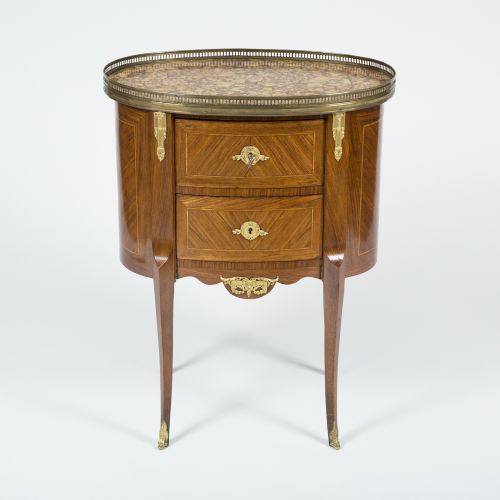


Gilt Bronze Gallery Table
A gilt bronze gallery table combines molten metalwork with fine timber to bring continental refinement into any room.
Gilt Bronze Gallery Table
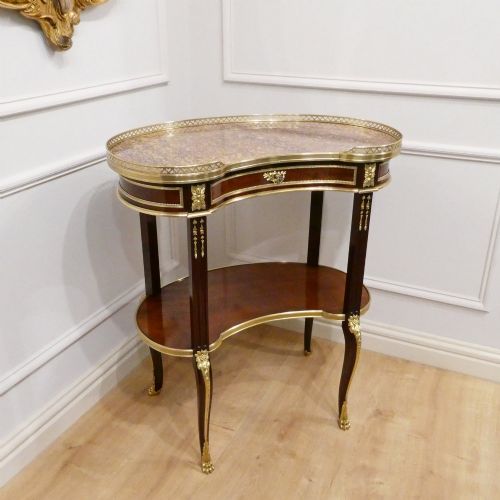
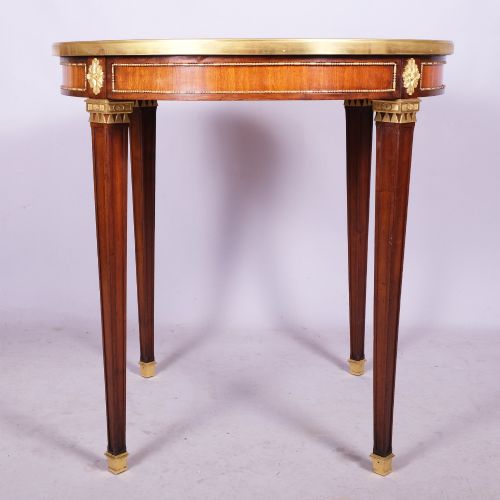
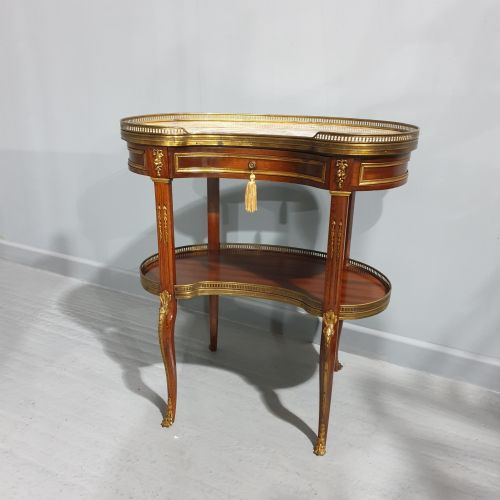
A gilt bronze gallery table is a refined surface framed by a decorative metal rail, appearing most frequently in nineteenth-century French designs. These pieces span forms such as side tables, occasional tables, centre tables, and jardinières.
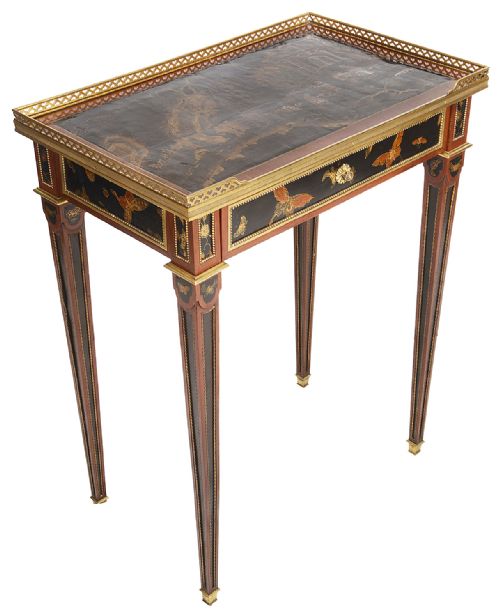
The aesthetic draws heavily on Louis XV and Louis XVI styles, alongside French Empire and Chinoiserie influences. Makers utilised timber frameworks of mahogany, kingwood, and burr wood, finished with marble or glass tops.
How they were made
Craftsmen built timber carcasses from mahogany, kingwood, and burr wood, often embellishing the surfaces with parquetry and marquetry inlay. Ormolu and gilt bronze mounts were cast and chased by hand before being fixed to the frames.
Marble tops, including breche d'alep varieties, were cut and polished to fit snugly within the pierced metal galleries. Glass panels and porcelain plaques were also integrated into tables such as bureaus and etageres.
Some occasional tables doubled as wine stands, ensuring refreshment remained within arm's reach during long nineteenth-century evening conversations.
What varies in quality
The definition and depth of the hand-chased ormolu mounts separate standard production from superior work. Crisp casting in the bronze indicates greater skill by the artisan.
Timber selection and the precision of the parquetry or marquetry patterns dictate the refinement of the piece. Well-fitted marble tops and robust structural joinery denote higher craftsmanship.
Maison Millet·François Linke
The Gilt Bronze Gallery Table Glossary
- Ormolu
- Gilded bronze used for decorative mounts and decorative hardware. It involves applying a gold amalgam to a bronze base.
- Gallery
- A raised pierced metal rim running along the edge of a table top to prevent items from sliding off. These are typically cast in brass or gilt bronze.
- Marquetry
- Decorative veneer patterns applied to furniture using various woods. Craftsmen cut contrasting timbers to form pictorial or geometric designs.
- Parquetry
- Geometric wood inlay used to create repeating patterns on tabletops and furniture surfaces. Squares, triangles, and diamonds form the motifs.
Gilt Bronze Gallery Table: Frequently Asked Questions
What is a gilt bronze gallery table?
A gilt bronze gallery table is an occasional or side table featuring a decorative metal railing around its upper surface. These pieces often originate from nineteenth-century French workshops and utilise fine hardwoods.
The raised gallery serves both a decorative purpose and a practical one, historically keeping small objects or glassware secure on the surface.
How do I care for marble and ormolu?
Marble surfaces require gentle cleaning with a damp cloth and mild soap, avoiding acidic substances that can etch the stone. Ormolu mounts should be dusted carefully with a soft brush without harsh chemical polishes.
Maintaining a stable room temperature helps protect the underlying timber frame and prevents the veneer from lifting over time.
What styles are common for these tables?
The listings show a strong presence of Louis XV and Louis XVI styles, alongside French Empire and Chinoiserie influences. These designs reflect continental European tastes from the nineteenth and early twentieth centuries.
Details like kidney shapes, cabriole legs, and elaborate marquetry frequently accompany these particular stylistic periods.
Where were these tables used originally?
These tables functioned as versatile furniture in formal drawing rooms, boudoirs, and libraries of grand houses. They held items such as writing materials, decorative objects, or plants.
Jardiniere versions specifically accommodated interior planting, lined with materials suitable for containing moisture near the woodwork.