




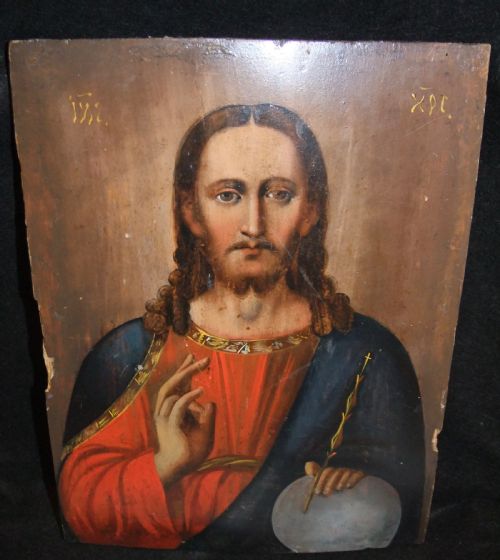


19th Century Icon
A 19th century icon brings sacred art into domestic spaces through painted wood panels and cast bronze devotional objects.
19th Century Icon
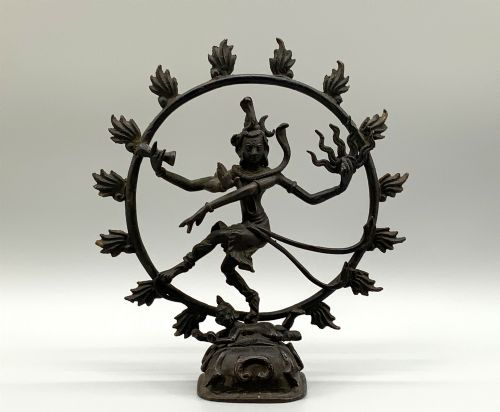
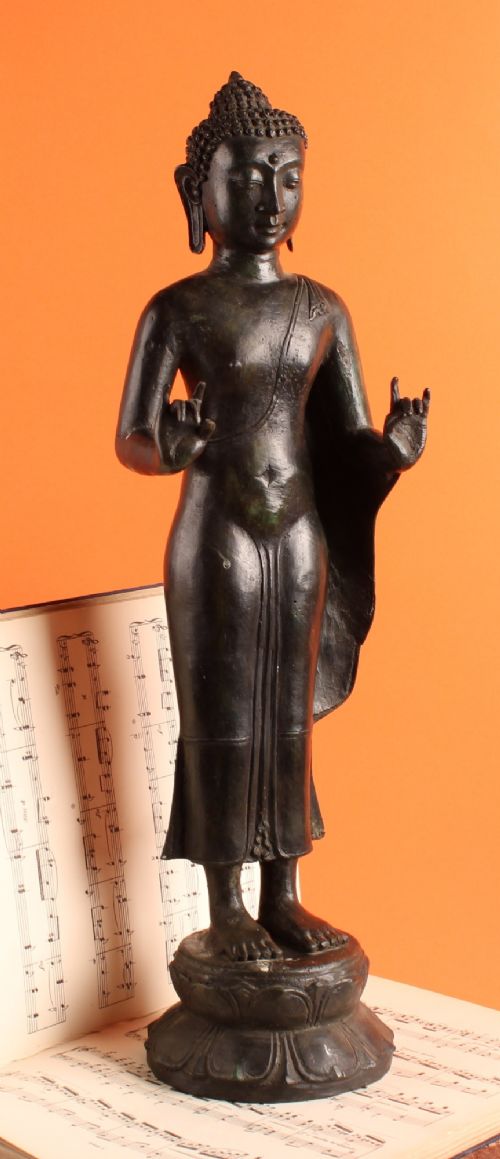
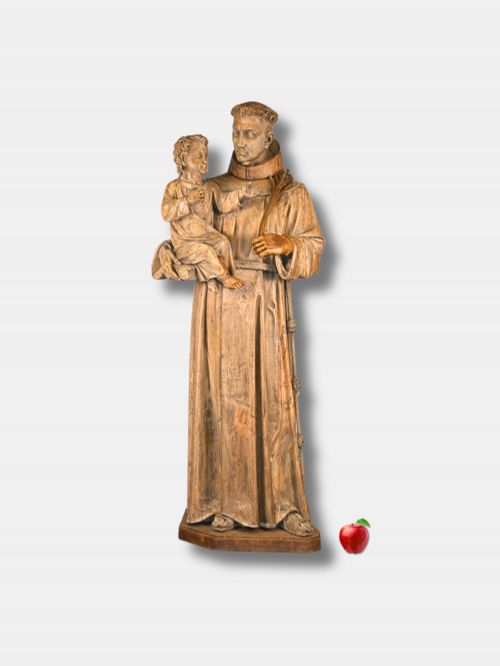
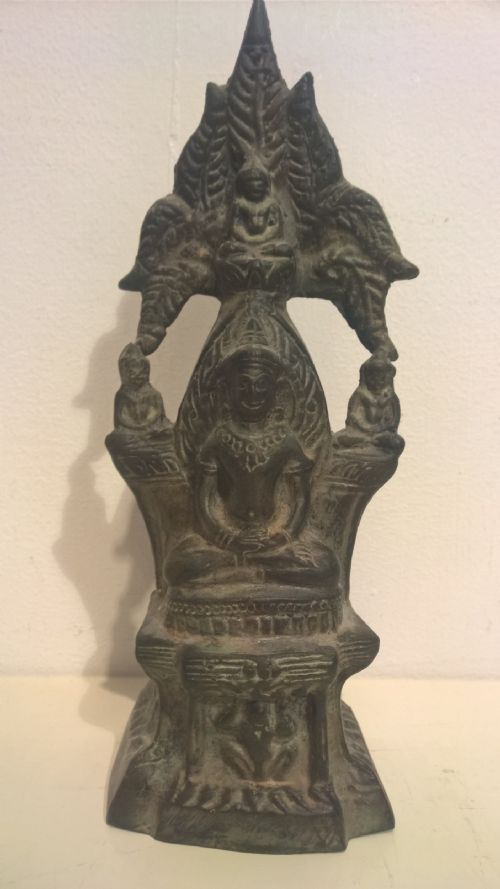
Beyond the Russian tradition, the inventory includes Southeast Asian bronze Buddha figures from Thailand and Burma, alongside French and Indian devotional sculptures. These objects functioned as focal points for private prayer, monastic devotion, and domestic shrines across different cultures.
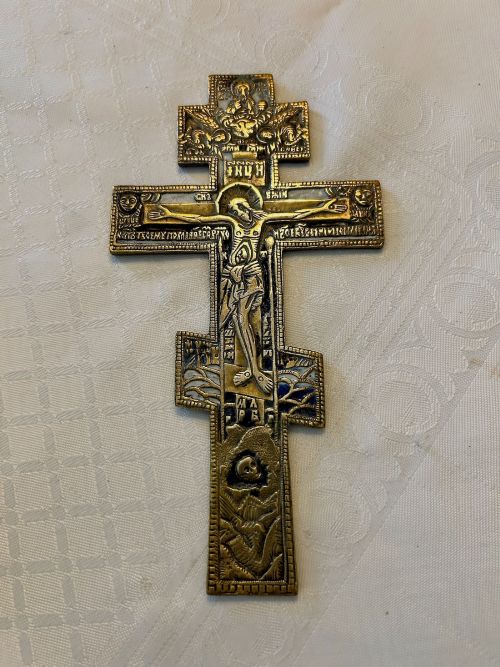
The variety extends to specific forms such as altar crosses, crucifixes, and Santos figures representing saints and deities. Each piece reflects the traditional iconography and spiritual requirements of its specific region and faith.
Materials and construction
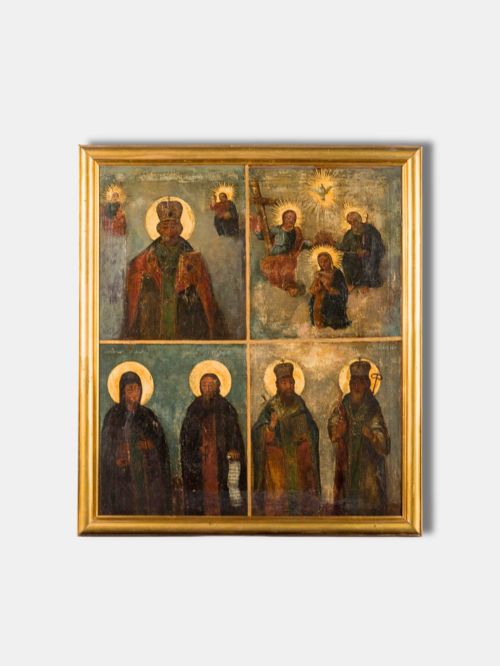
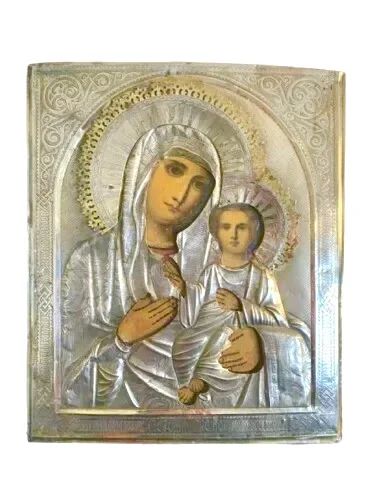
Many painted examples utilise tempera, oil, and gold leaf applied to prepared wood panels, frequently incorporating gesso grounds for the pigment. Artisans built up these layers carefully to achieve the luminous backgrounds and detailed drapery characteristic of religious paintings.
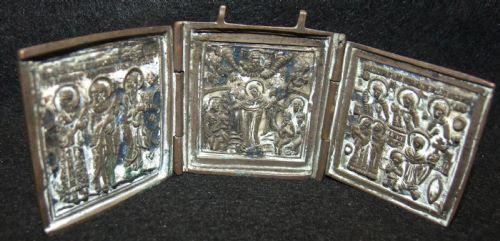
Metal versions rely on cast bronze and brass, sometimes enhanced with blue enamel work to highlight liturgical details on crosses and folding triptychs. Carved wood figures demonstrate traditional woodworking techniques, utilising surface finishes like gold leaf and paint.
Listings feature wood, bronze, brass, tempera, and gold leaf applied across Russian Orthodox, Southeast Asian, and European traditions.
Assessing craftsmanship and condition
The refinement of the painting or casting dictates the distinction between standard items and superior examples. Finer painted works display meticulous brushwork in the faces and garments, while better bronzes maintain sharp detail in the cast ornament and clean enamel application.
Preservation of the original surface layers, including the gold leaf and tempera on wood or the patination on bronze, influences the integrity of the piece. Evidence of original gilding and undisturbed pigment layers marks a higher standard of preservation.
The 19th Century Icon Glossary
- Tempera
- A permanent, fast-drying painting medium consisting of coloured pigments mixed with a water-binder such as egg yolk. This technique creates durable matte surfaces seen on many painted wood panels.
- Gesso
- A paint mixture consisting of a binder mixed with chalk, gypsum, or pigment used to prepare wood surfaces for painting or gilding. It provides a smooth base for tempera and gold leaf application.
- Triptych
- A picture or relief carving on three hinged panels that can be folded together. Folding bronze examples served as portable shrines for travellers.
- Mudras
- Symbolic hand gestures used in Buddhist sculpture to convey specific meanings such as teaching or meditation. These gestures help identify the specific deity or posture in statues.
- Giltwood
- Wood that has been treated with a thin layer of gold leaf or gold paint. This finish adds a reflective quality to frames, panels, and carved figures.
19th Century Icon: Frequently Asked Questions
How were these icons used?
These items served primarily as focal points for prayer and meditation in domestic settings, churches, or personal travel. People placed them in household shrines or carried portable versions during journeys for spiritual protection.
They functioned as tangible connections to the divine, often venerated through candles, incense, and prayer within daily religious observance.
What materials are most common?
Wood panels painted with tempera and decorated with gold leaf appear frequently, particularly within Russian Orthodox traditions. Bronze and brass also feature prominently, especially for portable crosses, folding triptychs, and Southeast Asian Buddha figures.
Additional materials include gesso grounds, enamel insets, and carved wood finished with paint or gilding.
How do I care for a painted panel?
Painted wood panels require stable environmental conditions away from direct sunlight, excessive heat, and moisture fluctuations. Maintaining consistent indoor humidity prevents the wood from warping and protects the delicate tempera and gesso layers from cracking.
Cleaning should remain minimal, avoiding liquid solvents or abrasives that might damage the original pigment and gold leaf surface.
Are bronze and brass icons durable?
Cast metal objects generally withstand handling better than painted wood panels, making bronze and brass pieces resilient examples of sacred art. Over time, these metals develop a natural patination that reflects their age and history.
Enamel insets and delicate surface details still require gentle handling to prevent chipping or loss.