


Antique Christian Painting
When you seek an antique christian painting, you explore centuries of devotional art spanning Italian old masters, Russian icons, and European school canvases.
Antique Christian Painting
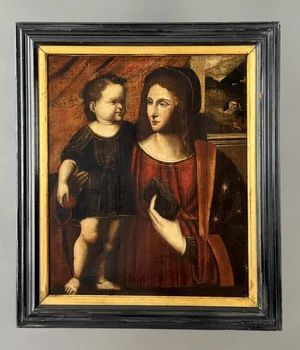
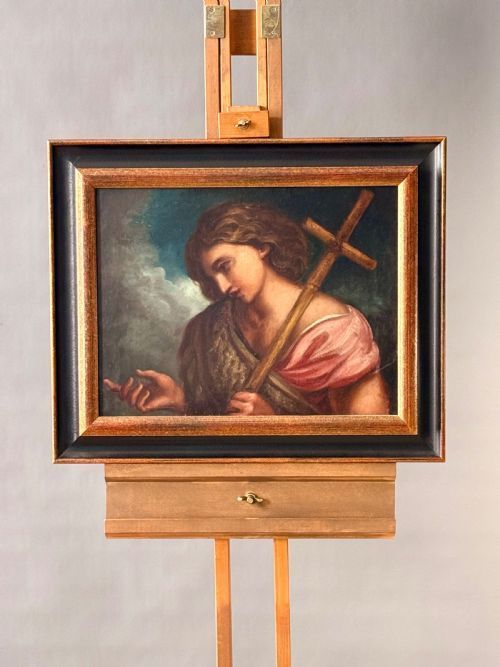
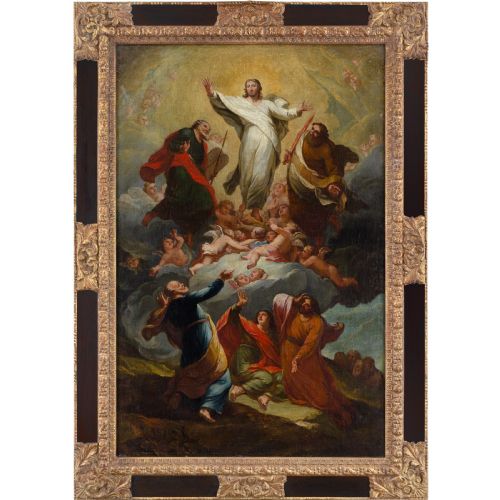
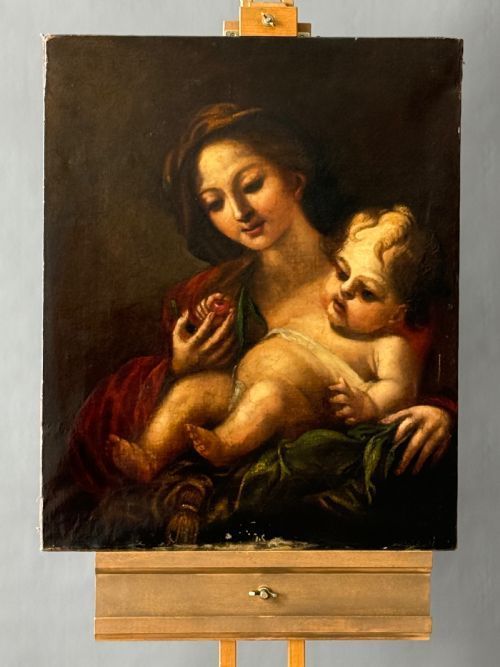
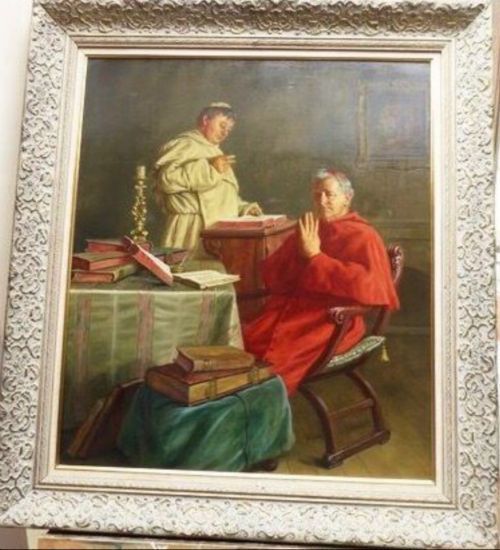
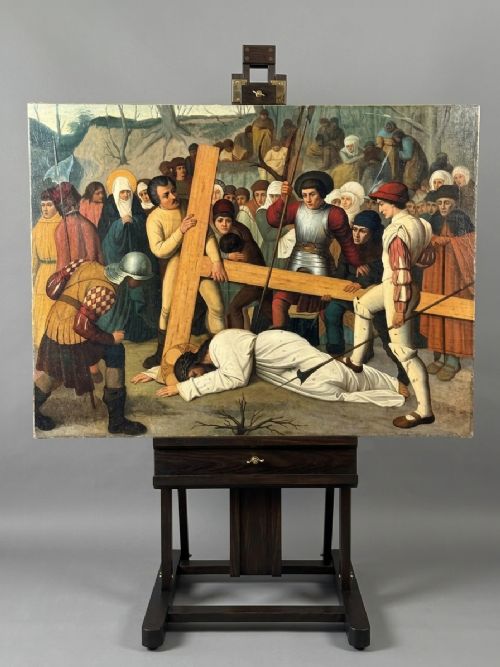
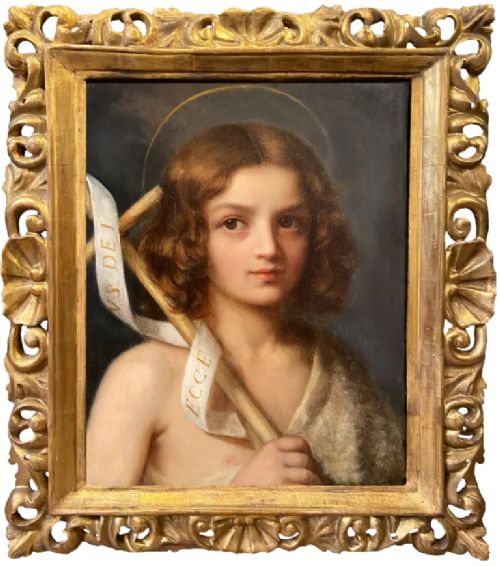
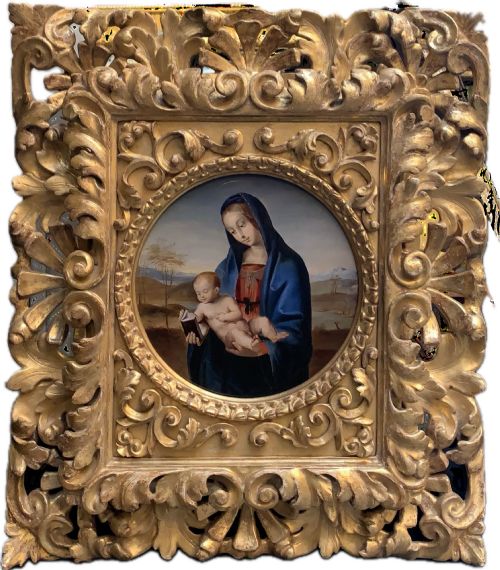
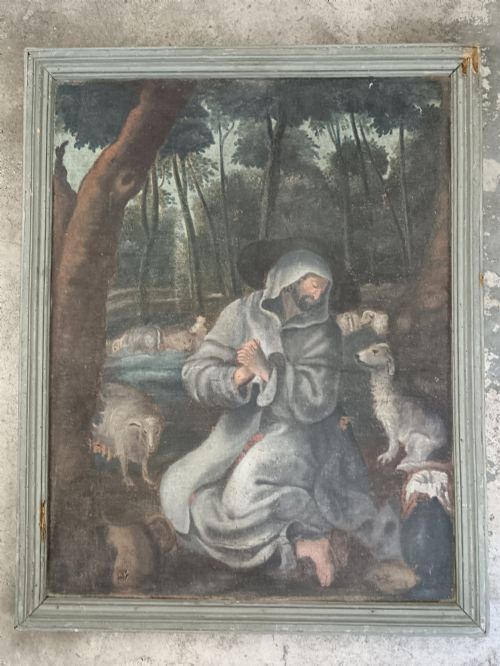
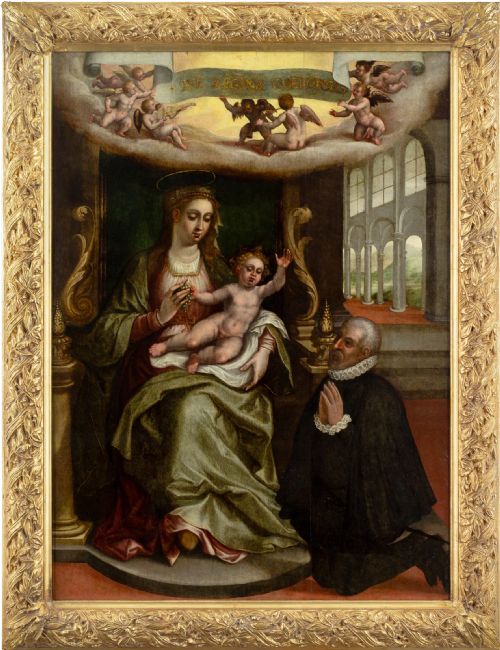
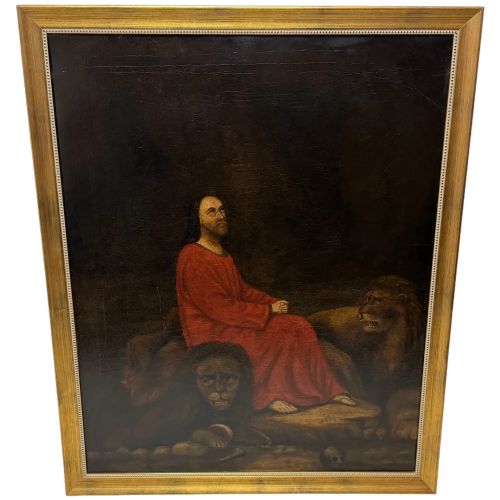
An antique christian painting comprises sacred works on canvas, wood panel, and copper, often originating from Italian, Spanish, Dutch, and Russian traditions. Collectors encounter devotional depictions of the Madonna and Child, biblical narratives, and representations of saints produced across the sixteenth, seventeenth, eighteenth, and nineteenth centuries.
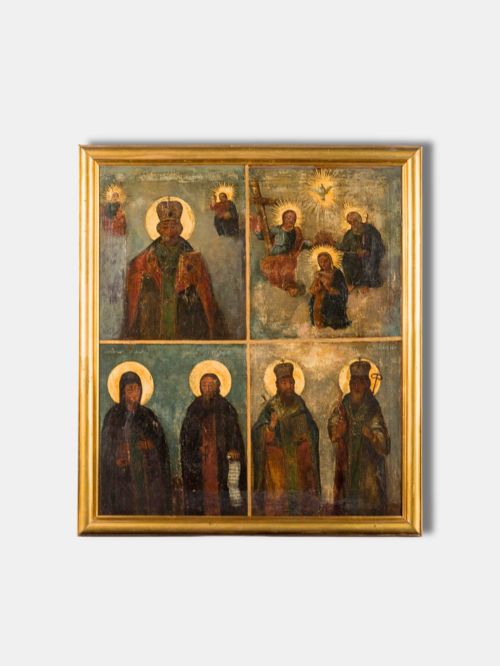
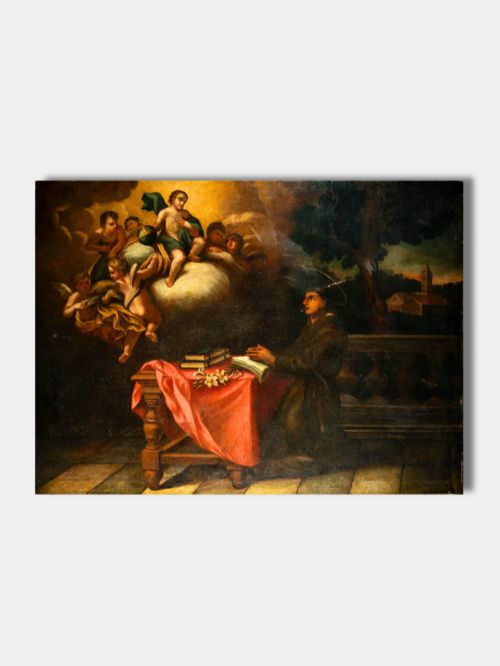
The selection ranges from monumental Spanish canvases of Saint Anthony and intimate Italian oil paintings of the Holy Family to Russian tempera and gold leaf icons. Many works reflect the lasting influence of Renaissance masters like Raphael and Baroque painters through period copies and follower pieces.
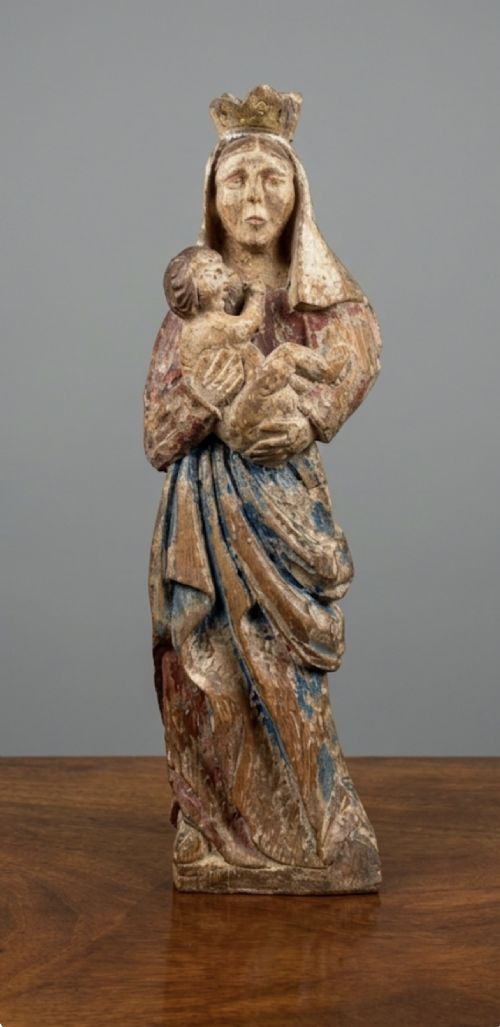
Beyond paintings, the category encompasses carved wooden figures, Limoges enamel plaques, reverse glass pictures, and portrait miniatures. These devotional objects served private prayer and ecclesiastical spaces alike, capturing centuries of theological interpretation through diverse regional styles.
How They Were Made
Artisans built these works on prepared wooden panels, stretched canvases, and copper plates using traditional ground layers of gesso or chalk. Painters applied oil paints, tempera, and enamel, frequently incorporating gold leaf to illuminate sacred figures and backgrounds.
Techniques varied from the delicate brushwork of miniature portraits and enamel plaques to the bold impasto of Baroque compositions. Master workshops and regional schools relied on preparatory sketches, underdrawings, and transparent glazes to achieve depth and luminosity.
Look closely for hidden animals, as artists frequently tucked loyal pets and symbolic lambs into the corners of holy family scenes.
What Varies in Quality
The distinction between standard workshop output and exceptional works rests on the handling of anatomy, expression, and drapery. Superior paintings exhibit confident brushwork and emotional resonance, whereas lesser pieces rely on rigid formulas and stiff proportions.
Condition and originality heavily influence a piece, with undisturbed surfaces and early framing retaining greater integrity. Evidence of the artist's hand, such as pentimenti where underlying compositions were altered during creation, signals authentic historical depth.
The Antique Christian Painting Glossary
- Pentimento
- An alteration in a painting evidenced by visible traces of previous work beneath the current layer. This phenomenon demonstrates the artist's evolving process during the creation of the composition.
- Tempera
- A permanent, fast-drying painting medium consisting of coloured pigment mixed with a water-soluble binder material, such as egg yolk. It was widely used for icons and panel paintings before oil paint gained dominance.
- Giltwood
- Wood that has been treated with a thin layer of gold leaf or gold paint for decoration. It frequently frames altarpieces and devotional panels.
- Icon
- A religious work of art, most commonly depicting Jesus Christ or saints, from the Eastern Orthodox tradition. These panels are typically painted on wood using egg tempera and gold leaf according to strict canonical rules.
- Old Master
- A term for a European painter of skill who worked before about eighteen hundred. These artists operated within distinct regional schools such as the Italian Baroque or High Renaissance.
Antique Christian Painting: Frequently Asked Questions
What is an antique christian painting?
An antique christian painting is a historical artwork depicting sacred figures, biblical narratives, or devotional scenes created before the twentieth century. These pieces reflect the spiritual beliefs, theological priorities, and artistic styles of their respective periods.
Such works encompass everything from large Italian old master canvases and Spanish altarpiece fragments to Russian religious icons and intimate domestic devotional panels.
How were these religious paintings used?
Historically, these artworks served both public worship within churches and private prayer in domestic spaces. Icons and small devotional panels were placed in homes for daily contemplation, while monumental canvases adorned chapels and ecclesiastical interiors.
Commissioned by patrons, donors, and religious orders, the paintings acted as visual aids for scripture and meditation, bridging the earthly and the divine.
How do I live with an antique painting?
Living with these works involves placing them away from direct sunlight and maintaining stable room temperatures to protect fragile wood panels and old canvases. Proper framing and hanging secure the physical safety of the piece while allowing it to serve as a focal point in a room.
Many collectors pair historical religious art with modern interiors to create a striking contrast between contemporary living spaces and centuries-old craftsmanship.
How can I tell different periods apart?
Distinguishing periods relies on observing stylistic markers, such as the balanced geometry of Renaissance art compared to the dynamic movement and dramatic lighting of Baroque compositions. Material choices, such as tempera on gold leaf for earlier icons versus oil on canvas for later works, also indicate the era.
Examining the preparation of the canvas, panel construction, and regional school characteristics helps narrow down whether a piece originates from the seventeenth, eighteenth, or nineteenth century.