

19th Century Green Glass
19th century green glass brings striking depth and colour to interiors through vessels, tableware and decorative items.
19th Century Green Glass
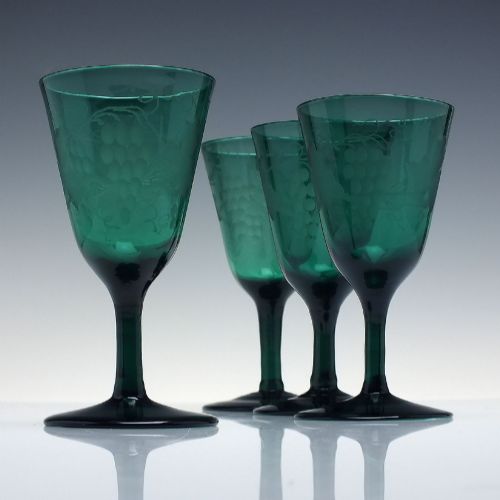
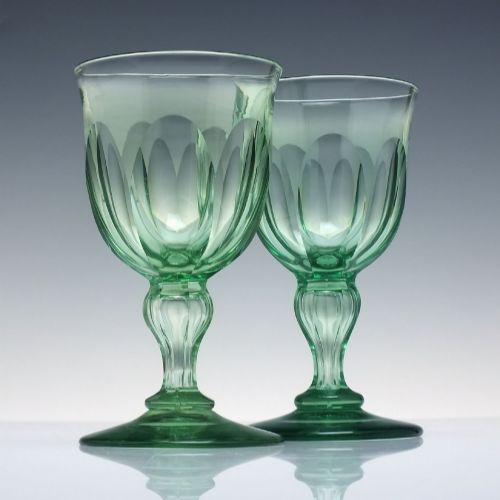
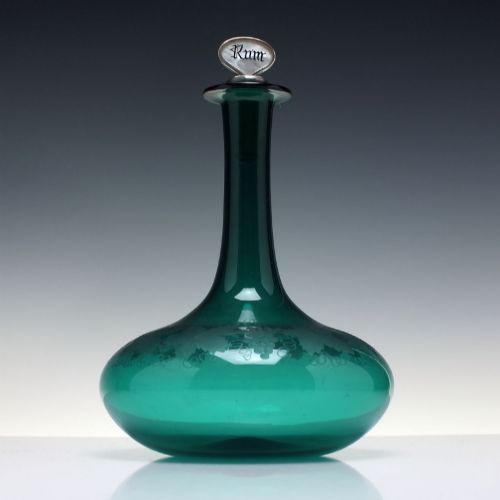
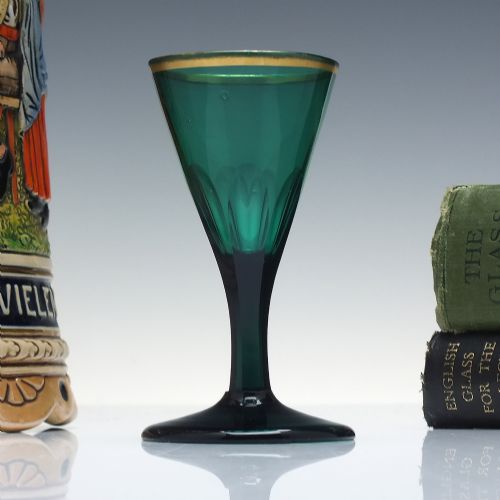
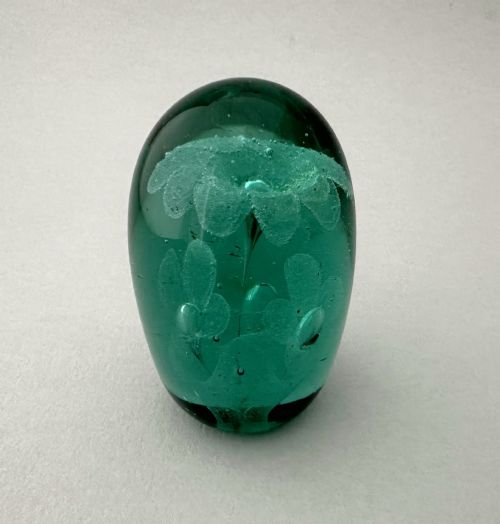
19th century green glass spans domestic tableware, grand table centerpieces and practical display vessels originating from England, France, Bohemia and Austria. Buyers encounter wine glasses, decanters, vases and multi-trumpet epergnes alongside apothecary jars and carboys.
The objects date from the Georgian era through the Victorian period, touching upon Arts and Crafts and early Art Nouveau movements. Everyday drinking vessels sit alongside decorative table lustres and enamelled trinket boxes.
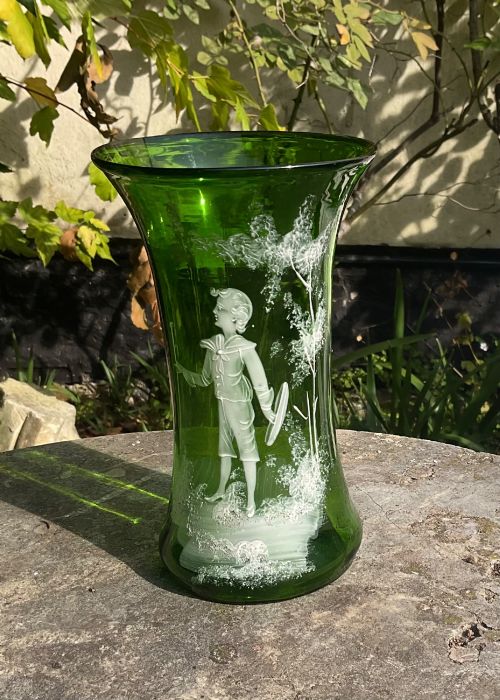
Makers and glassworks such as Stuart, Lobmeyer and Kralik contributed to the varied output, utilising techniques ranging from simple hand blowing to intricate cameo overlays and enamel painting.
Materials and Techniques
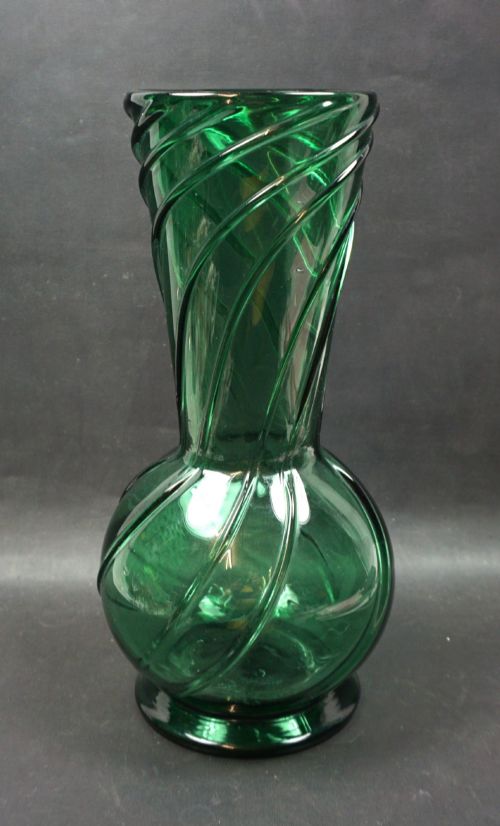
The production of 19th century green glass relies on metal oxides added to the molten batch, creating shades from deep forest tones to bright uranium and Vaseline hues. Craftsmen shaped these vessels using free blowing, mould blowing and wrythen twisting.
Surface decoration frequently involves enamel painting, gold leaf detailing, and chemical etching. Certain pieces employ an overlay technique, cutting through a layer of green glass to reveal clear glass beneath.
Fittings and mounts incorporate brass, silver plate, or enamel, whilst related items utilise applied glass trails or double-walled construction.
19th Century Green Glass Retail Price Guide 2026
Typical asking prices for 19th century green glass among the pieces listed under this phrase on Sellingantiques today, from the lower quarter to the upper quarter. They describe what is for sale here now, not the wider market.
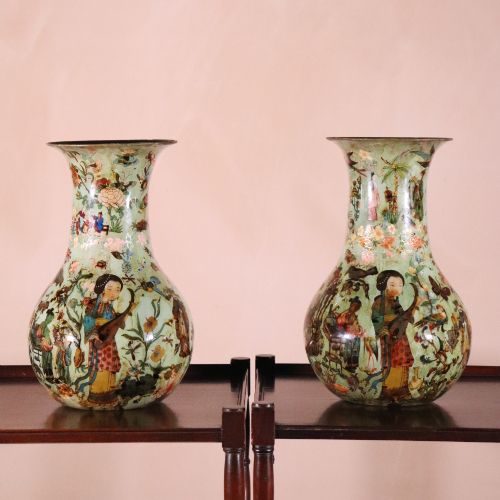
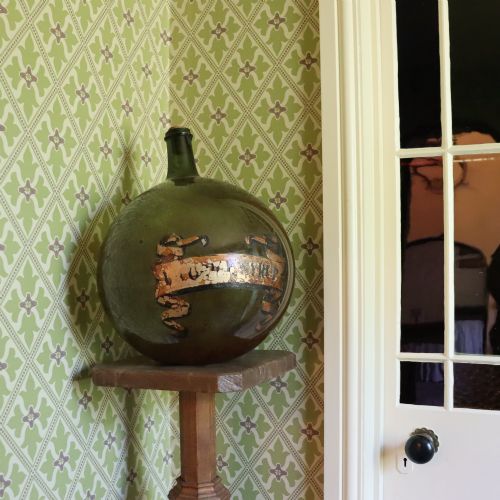
The object types found across these listings range from delicate wine glasses and Mary Gregory vases to large apothecary carboys and oil lamps.
Judging Quality
Quality rests upon the purity of the metal, the precision of the hand-cut facets or applied decoration, and the crispness of any enamelling. Superior pieces display even colour distribution without intrusive bubbles or imperfections in the vessel walls.
Artistic execution differentiates standard production wares from masterworks by known makers such as Lobmeyer or Kralik. The complexity of the form, such as multi-trumpet epergnes or detailed armorial painting, elevates the standing of an individual piece.
The integration of metal mounts, such as silver necks on wine bottles or brass fittings on lighting, demonstrates the original tier of manufacture.
P Spicer of Leamington Spa·Stuart·Gillows Of Lancaster·Kralik glassworks·Lobmeyer
The 19th Century Green Glass Glossary
- Uranium glass
- Glass containing trace amounts of uranium dioxide to impart a yellow-green colour that glows under ultraviolet light. This material appears frequently in Victorian tablewares and decorative ornaments.
- Vaseline glass
- A transparent or translucent yellow-green variety of uranium glass resembling the petroleum jelly of the same name. It gained popularity during the Victorian period for decorative items and glassware sets.
- Epergne
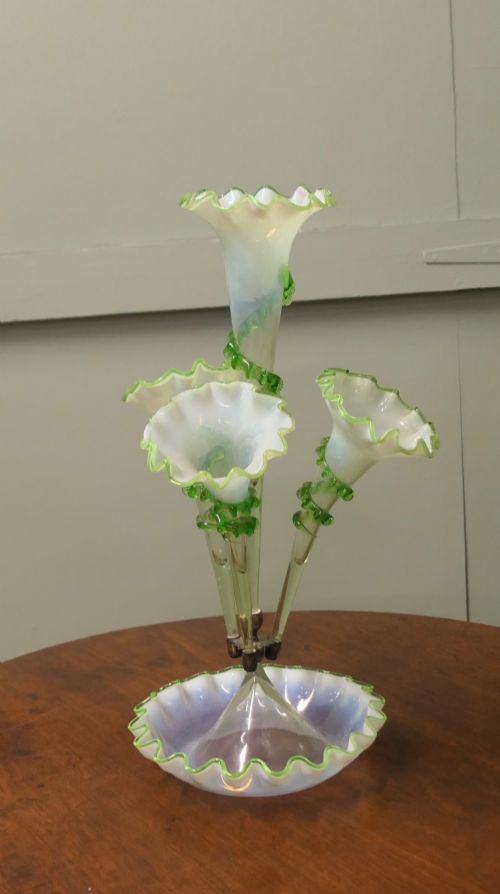
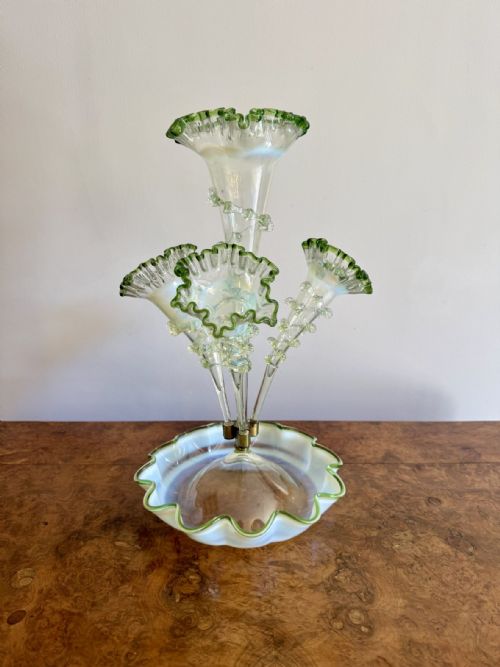
- A large table centrepiece featuring a central bowl with multiple detachable trumpets or arms used for holding fruit or flowers. 19th century examples often utilise green glass or Vaseline glass.
- Table lustre
- A decorative glass vase hung with cut glass pendants, designed to reflect candlelight from a mantelpiece or side table. Victorian pairs frequently employ vibrant green glass.
- Wrythen
- A decorative spiral pattern moulded into the body of glassware while hot. This technique creates a twisting optical effect across the surface of vases and jugs.
- Bristol glass
- A term historically applied to coloured glass produced in the Bristol area, particularly deep green wine glasses and decanters. It denotes a specific regional tradition of glassmaking.
19th Century Green Glass: Frequently Asked Questions
How do I identify uranium glass?
Uranium glass contains mineral oxides that react strongly to ultraviolet light by emitting a vibrant green glow. This property serves as a reliable indicator for collectors examining 19th century pieces.
Under natural light, the glass typically exhibits a transparent yellow-green or Vaseline tint. The glow confirms the presence of the uranium content used by period glasshouses.
What is an epergne used for?
An epergne functions as an elaborate table centrepiece designed to hold fruit, sweetmeats or floral displays across its multiple trumpets and bowls. Victorian dining rooms utilised these centrepieces to add height and colour to formal tables.
Many surviving examples feature green or Vaseline glass branches supported by a central dish. They served both a decorative and a practical hosting purpose during grand meals.
How should I clean antique green glass?
Wash antique green glass gently in warm water using a mild, non-abrasive detergent. Avoid soaking pieces with painted enamel, gold leaf or mounted metal collars to prevent damaging the historic surfaces.
Dry the glass immediately with a soft lint-free cloth to avoid water spots. Harsh chemicals and modern dishwashers must be avoided entirely.
Were all green wine glasses made in Bristol?
The term Bristol glass is often applied generally to 19th century coloured tableware, though production occurred across England and the continent. Bohemia and France also manufactured substantial quantities of green wine glasses and decanters during the same period.
Provenance depends on specific manufacturing traits, weight and form rather than a single geographic origin. Examining the pontil mark and metal composition helps clarify where a piece was made.