



19th Century Glass Vase
A 19th century glass vase brings Victorian colour and craftsmanship into a room, offering rich enamelling, cut crystal, and vibrant opaline tones.

19th Century Glass Vase
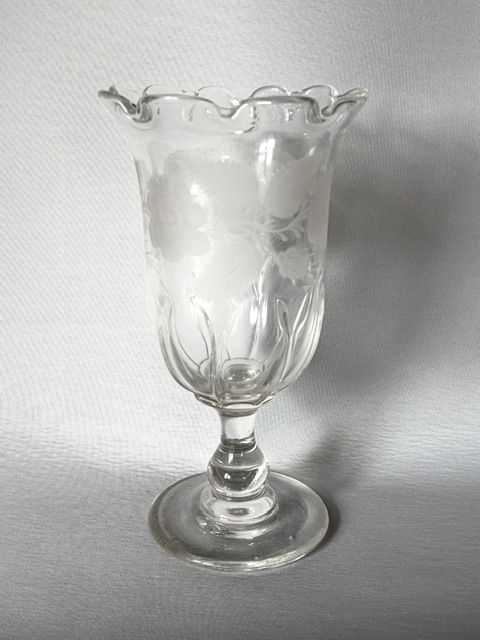
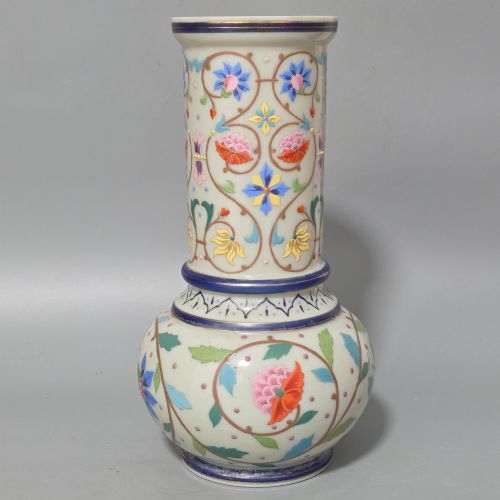
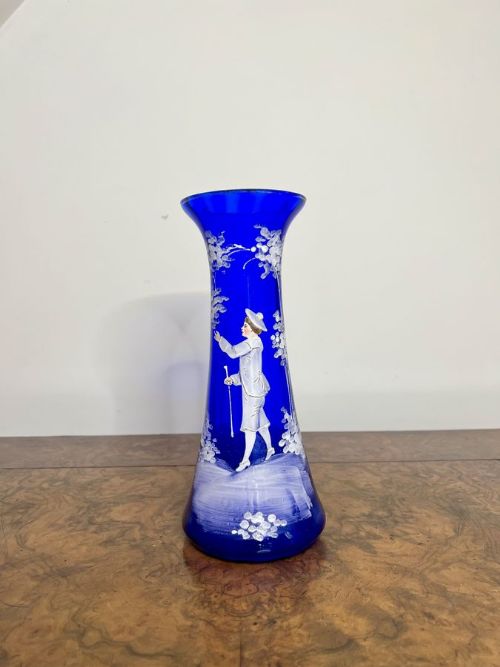
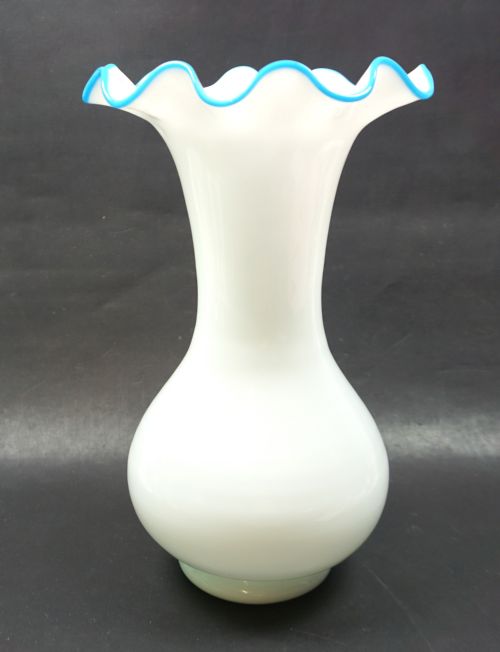
When searching for a 19th century glass vase, collectors encounter a diverse array of decorative vessels spanning from the Regency period through to the late Victorian era and the dawn of Art Nouveau. The selections available typically range from tall cranberry glass trumpet shapes and cobalt blue cut-to-clear designs to delicate opaline pieces and richly enamelled Bohemian works.
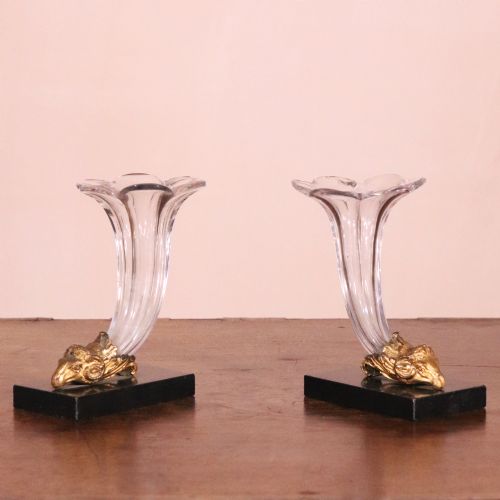
Makers and workshops from England, France, and Bohemia dominate the offerings, showcasing distinct regional techniques such as Stourbridge wheel engraving or French hand-painting. Buyers frequently discover matched pairs alongside singular statement pieces, including table lustres, cornucopias, and ewers intended for opulent nineteenth-century interiors.

Assessing Quality
Quality rests upon the crispness of the glass-cutting, the depth and clarity of the base metal or crystal, and the skill evident in hand-painted or enamelled details. Superior examples display balanced proportions, meticulous gilding that retains its burnished finish, and unclouded glass free from accidental impurities.
The hand of the decorator defines the upper tier, where delicate brushwork on subjects like figures or botanical studies shows genuine artistry rather than mechanical repetition. Furthermore, documented works from established glassworks command greater attention due to their traceable provenance and superior technical execution.
19th Century Glass Vase Retail Price Guide 2026
Typical asking prices for 19th century glass vase among the pieces listed under this phrase on Sellingantiques today, from the lower quarter to the upper quarter. They describe what is for sale here now, not the wider market.
Some Victorian households proudly displayed glass cornucopias shaped like curling horns, designed to spill out endless visual cheer upon the mantelpiece.
Thomas Webb·Baccarat·Kralik glassworks·Moser·Harrach·John Walsh
The 19th Century Glass Vase Glossary
- Cranberry glass
- A rich red transparent glass coloured with gold chloride, widely popular during the Victorian period for tableware and ornamental vessels.
- Opaline glass
- An opaque or translucent pale glass, often tinted in shades of blue or green, frequently embellished with gilt and floral enamel.
- Decalcomania
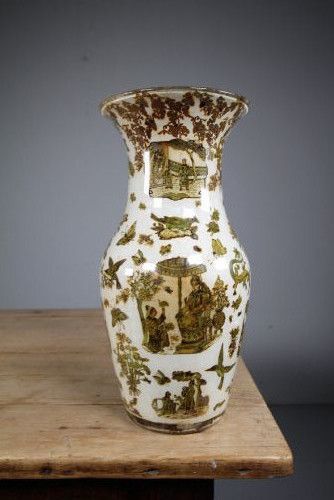
- A decorative technique involving the transfer of printed paper designs onto the interior or exterior of glass surfaces before sealing.
- Table lustre
- A decorative glass vase fitted with a matching rim hung with prismatic cut crystal drops, designed to reflect candle or gas light.
- Cased glass
- A vessel composed of two or more distinct layers of glass, often in contrasting colours, allowing the outer layer to be cut away.
19th Century Glass Vase: Frequently Asked Questions
How do I clean an antique glass vase?
Wash the vessel gently by hand using lukewarm water and mild soap, avoiding harsh scrubbing on gilt or enamelled surfaces.
Allow the piece to air dry on a soft towel, keeping it away from sudden temperature changes that might stress the historic material.
Were these pieces used for flowers?
Many vessels served as decorative garnitures or mantel ornaments rather than utilitarian flower holders, particularly the more delicate opaline and enamelled examples.
Heavier celery vases and trumpet shapes were functionally designed for dining tables, while others existed purely to display colour and form.
How can I distinguish Bohemian glass from English glass?
Bohemian pieces often feature heavy cased or flash layers, rich ruby or amber tones, and deep wheel-engraved botanical or architectural motifs.
English production frequently highlights refined lead crystal, delicate acid-etching, and distinct regional styles associated with Stourbridge or Birmingham manufactories.
What is cased glass?
Cased glass consists of two or more fused layers of differing glass colours, creating a layered body that can be carved or cut through.
This method exposes the contrasting inner colour beneath, resulting in striking two-tone optical effects popular in nineteenth-century decorative arts.