




19th Century Glass Goblets
These 19th century glass goblets bring weight, colour and remarkable visual presence to the table, exactly what a collector of period glassware seeks.
What 19th century glass goblets are
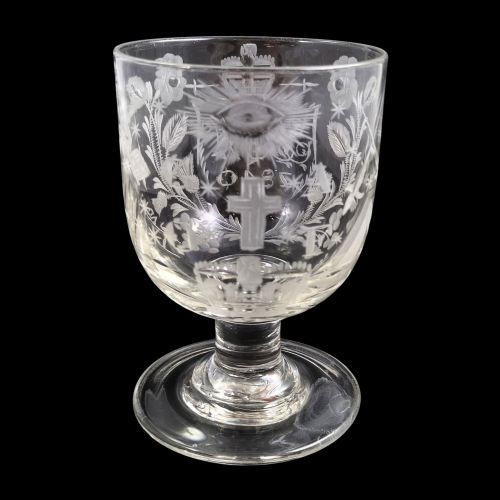
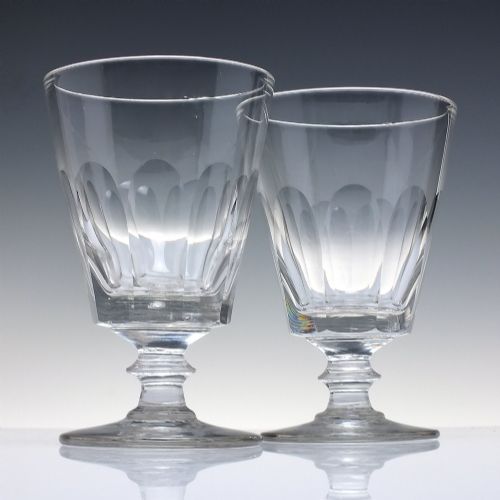
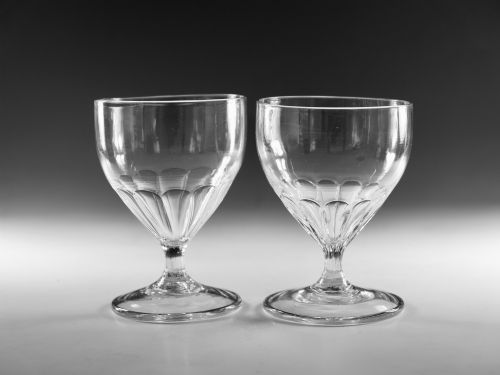
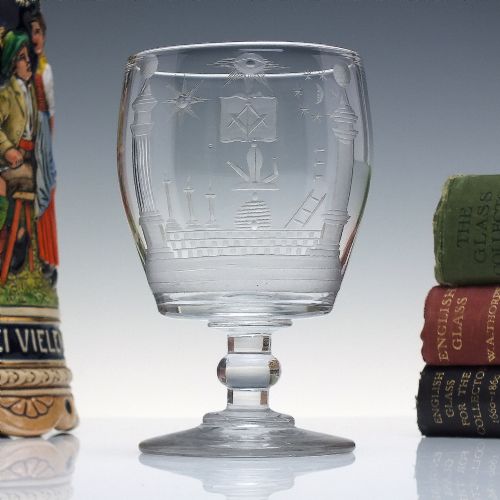
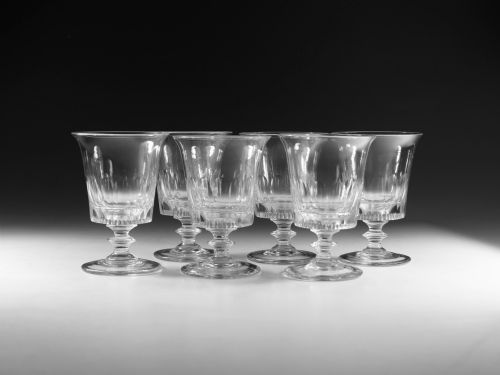
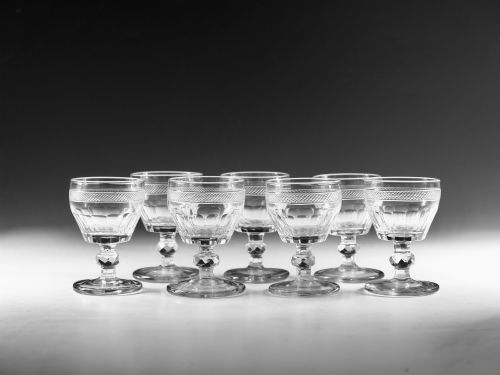
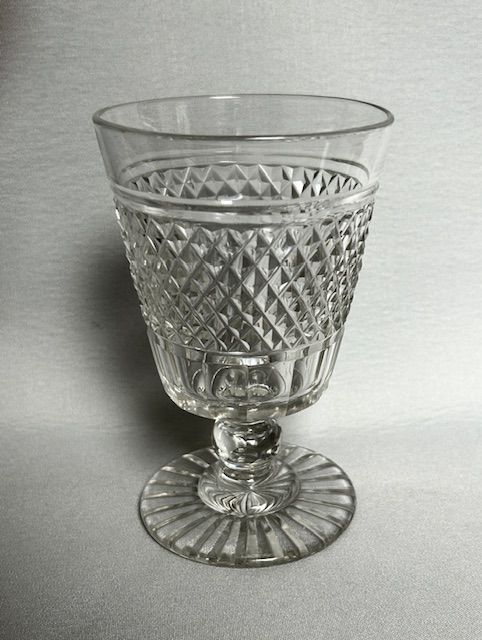
When you search for 19th century glass goblets, you encounter drinking vessels and tableware spanning the Georgian and Victorian eras. These pieces range from robust rummers to richly coloured wine glasses and matching carafes.
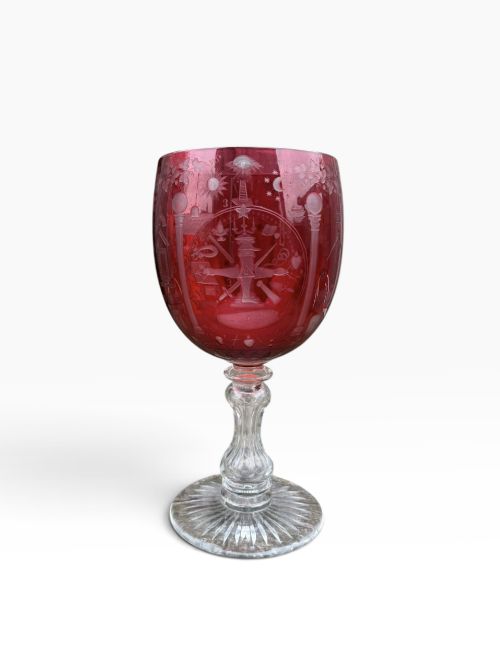
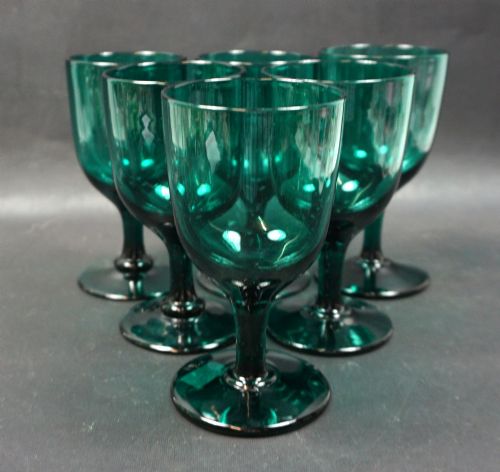
You are most likely to meet Victorian examples in vibrant hues such as cranberry and aqua green, alongside clear lead crystal and engraved pieces. Sets appear alongside pairs, offering options for both display and actual use.
How they were made
The makers of these drinking vessels utilised lead crystal, cranberry glass, clear glass, and coloured glass. Molten metal was blown and manipulated by hand, often shaping substantial bowls upon thick stems and sturdy feet.
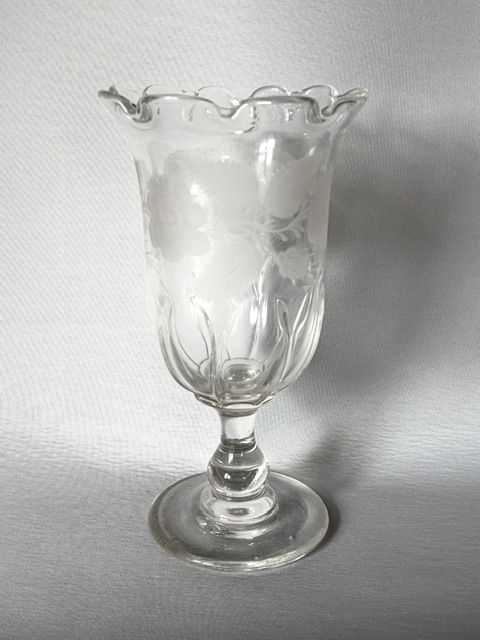
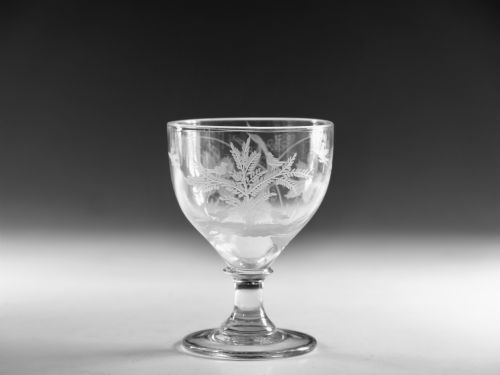
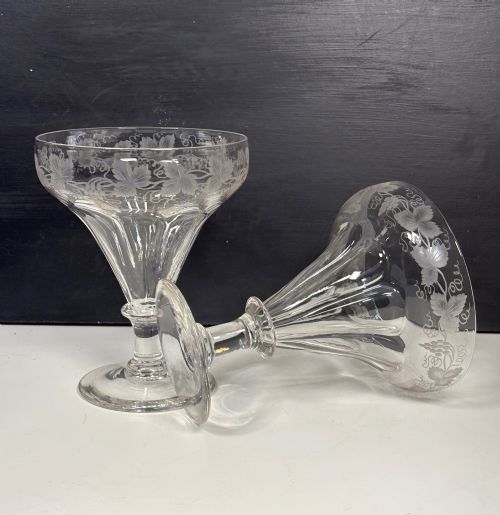
Decoration involved skilled wheel engraving to create detailed patterns upon the surface of the vessel. Individual components such as bowls and stems were formed with traditional glassblowing techniques before assembly.
Retail Price Guide 2026
Typical UK retail prices for 19th century glass goblets, calculated from the Sellingantiques database of over a million retail prices indexed since 2003. This retail price guide relies exclusively on Sellingantiques data; no external sources or auction records are used, so the figures do not describe the wider market.
Listings feature Georgian and Victorian eras, utilising materials such as cranberry glass, clear glass, lead crystal, and coloured glass.
What varies in quality
The distinction between ordinary production and finer work lies in the clarity of the metal and the precision of the engraving. Master glasshouses achieved superior weight, depth of colour, and crispness in cut or engraved details.
Consistency across a matched set elevates the standing of the glassware, whereas minor variances in hand-blown pieces reveal the individual touch of the maker. The richness of the cranberry or aqua colouration also indicates the skill of the glasshouse.
Richardson·Stevens and Williams
The 19th Century Glass Goblets Glossary
- Goblet
- A large drinking vessel with a foot and stem, used throughout the nineteenth century for wine and heavier beverages.
- Cranberry Glass
- Transparent red glass produced by adding gold chloride to the molten batch, highly popular during the Victorian era.
- Lead Crystal
- Glass containing lead oxide, which increases brilliance, weight, and clarity.
- Rummer
- A heavy, short-stemmed glass originating in the Georgian period, often utilised for ale or wine.
- Engraving
- The technique of cutting decorative designs into the glass surface using rotating wheels.
Frequently Asked Questions
What defines a nineteenth century goblet?
These drinking vessels combine hand-blown lead crystal or coloured glass with traditional forms suited for wine or rum. They reflect the shifting styles of the Georgian and Victorian periods.
Craftsmen produced them in sets or pairs, often featuring engraved ornamentation or rich hues like cranberry and aqua green.
How do I care for antique glass?
Wash these pieces gently by hand in warm water using mild soap, avoiding sudden temperature changes that might stress the material. Store them securely on stable shelving away from the edge of the table.
Proper handling preserves the delicate engraved surfaces and the integrity of the lead crystal or coloured glass.
Can I use these goblets today?
Many collectors enjoy using their period glassware for special dinners and gatherings, connecting directly with nineteenth century dining traditions. Their sturdy construction, particularly in rummers and heavier wine glasses, accommodates careful modern use.
Hand washing remains essential to maintain the condition of older glass over time.
How do I distinguish Georgian from Victorian pieces?
Georgian examples often include heavy rummers with simpler, robust profiles, while Victorian pieces frequently showcase vibrant colours and detailed engraving. The transition of styles spans decades, shifting from early nineteenth century forms to later colourful glassware.
Examining the weight, colour palette, and decorative techniques helps identify the period of manufacture.