



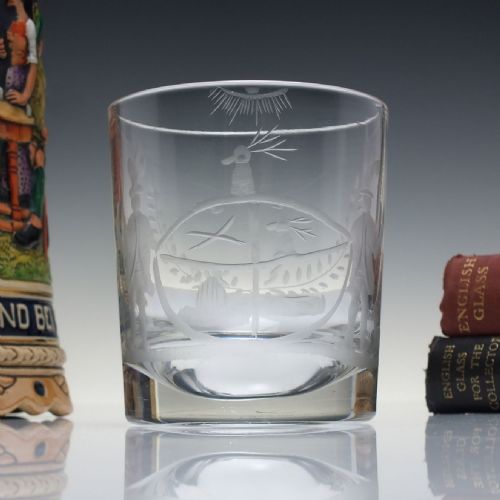
Victorian Drinking Glasses
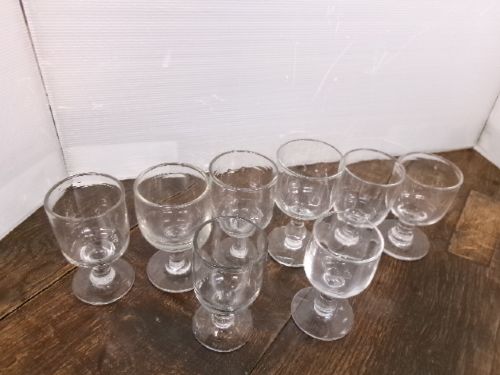
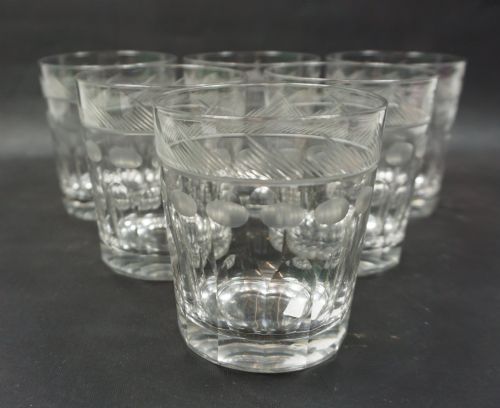
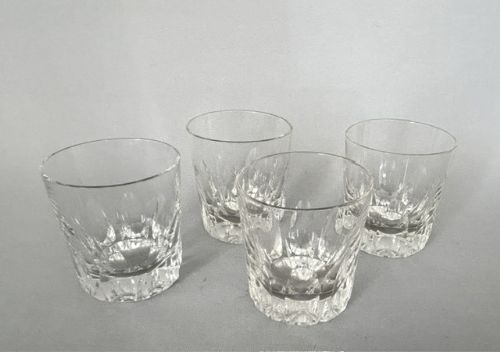
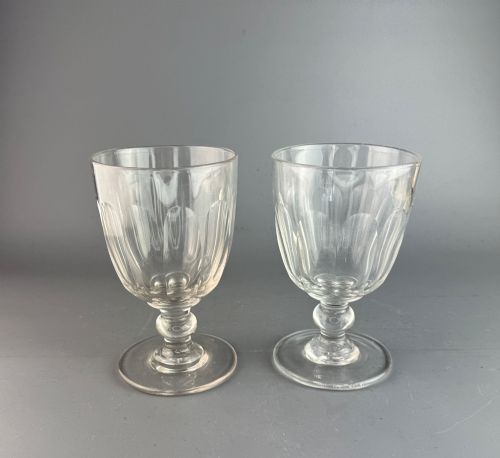
These Victorian drinking glasses bring tangible weight and colour to the table, spanning rummers, tumblers, and stemmed wine vessels made for daily hospitality.
Victorian Drinking Glasses
When you search for victorian drinking glasses, you encounter a diverse array of forms shaped by nineteenth-century social habits, ranging from robust pub glasses to delicate hand-blown wine stemware. The selection frequently includes rummers, tumblers, and decorated goblets spanning periods from Georgian survivals through late Victorian production.
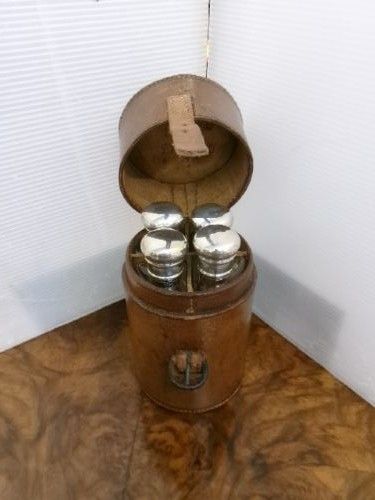
Vessels appear in distinct colours including cranberry, ruby red, green, vaseline, and clear lead crystal, sometimes paired with decanter sets, tantalus units, and spirit flasks. Sets often comprise pairs, fours, sixes, or larger gatherings intended for communal dining and entertaining.
Origins stretch across English workshops, Bohemian houses, Venetian glassmakers, and French makers, offering both utilitarian barware and highly ornate, engraved or enamelled presentation pieces.
Materials and Making
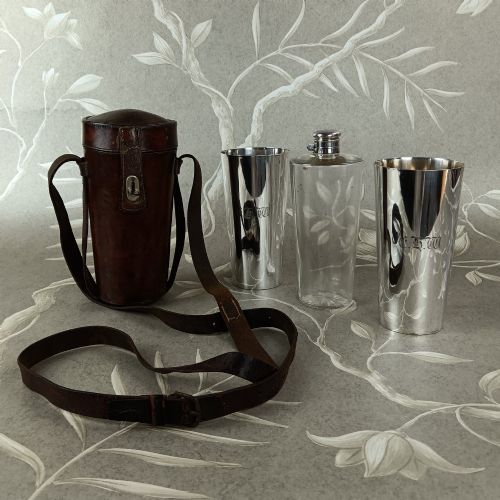
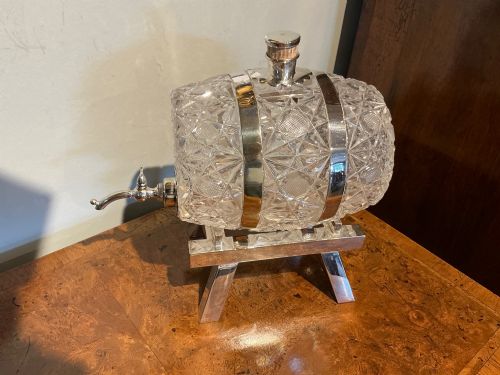
Makers utilised heavy lead glass and clear crystal alongside coloured glass formulas, shaping pieces through hand-blowing and mould-blowing techniques before finishing them with wheel-cutting, engraving, or acid-etching. Metal mounts in silver plate, sterling silver, and brass frequently complemented the glass bodies on flasks, barrels, and tantalus frames.
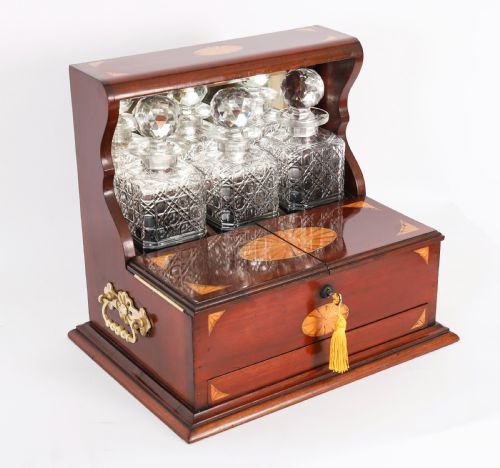
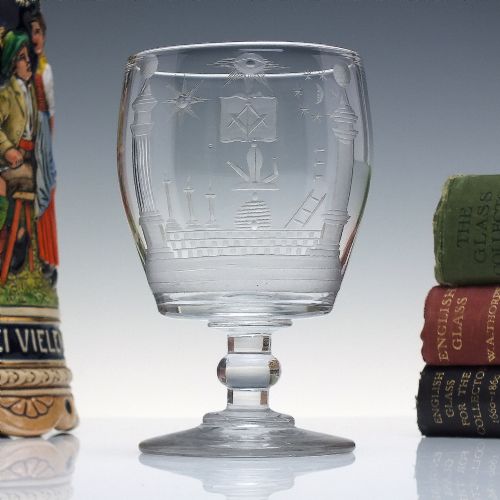
Surface decoration involved intaglio carving, wheel engraving, enamelling, and gilding, requiring steady hands and specialised abrasive wheels to achieve crisp floral, Masonic, or geometric motifs. Wood elements in associated tantalus sets relied on oak, satinwood, and blonde oak with marquetry inlay.
Listings feature lead crystal, cranberry glass, vaseline glass, and cut glass alongside oak tantalus frames and silver-mounted flasks.
Distinctions in Quality
The refinement of the metal content and the clarity of the lead crystal establish the foundational standard of a piece, where heavier, more resonant metal indicates superior formulation. Hand-cut facets show absolute geometric precision and crisp edges, whereas lesser examples display softer, rounded transitions from hurried wheel work.
The finesse of the engraving or enamelling separates standard production from exceptional studio output, visible in the depth of intaglio cuts and the secure adhesion of gilt highlights. Complete matching sets or pairs maintain higher structural integrity and visual harmony than assembled groups.
James Dixon & Sons·Lobmeyer·Salviati
The Victorian Drinking Glasses Glossary
- Rummer
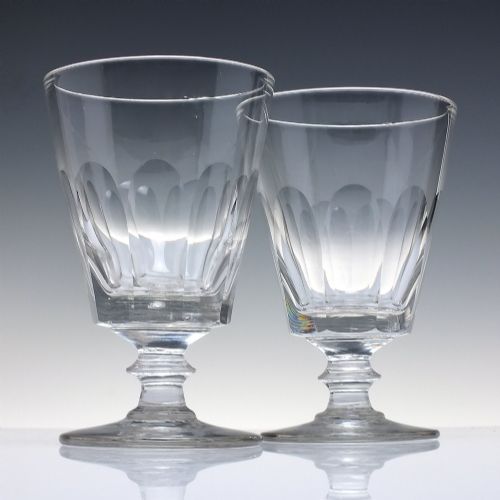
- A large, sturdy drinking glass featuring a thick stem and a capacious bowl, traditionally used for punch, beer, or wine during the nineteenth century. These vessels typically sit lower and feel heavier than standard wine glasses.
- Tantalus
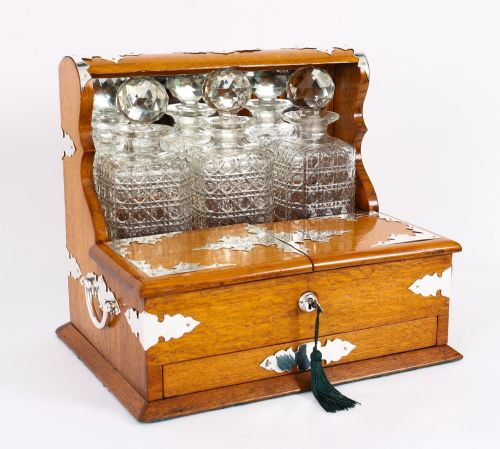
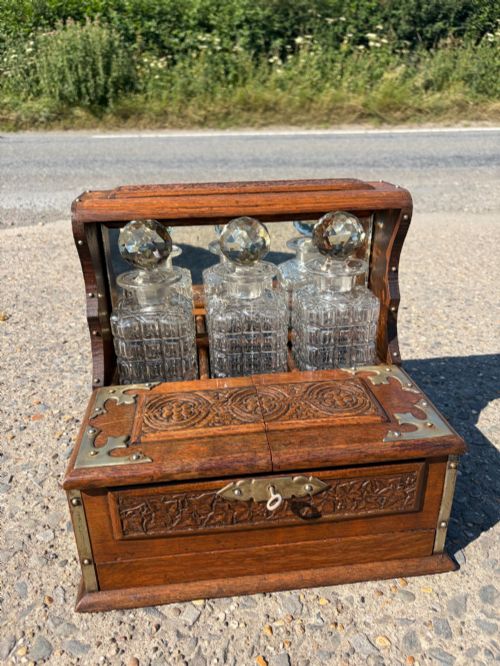
- A locking wooden cabinet fitted with a brass handle and mechanism that secures decanters of spirits while leaving them visible. This device allowed hosts to restrict access to valuable liquor supplies.
- Vaseline glass
- A transparent or translucent yellow-green glass produced by adding uranium dioxide to the batch, creating a distinctive hue that glows under ultraviolet light. Victorian makers favoured this material for decorative tableware and stemware.
- Intaglio
- A technique where designs are sunk below the surface of the glass by wheel-engraving, creating frosted or polished recesses. This method contrasts sharply with cameo carving where the background is removed.
- Lead crystal
- Glass containing a significant proportion of lead oxide, which increases the weight, refractive index, and musical ring of the material. This composition allows for deeper, sharper facet cutting.
Victorian Drinking Glasses: Frequently Asked Questions
What is a rummer used for?
Rummers served as everyday drinking vessels for larger volumes of ale, cider, or punch during the nineteenth century. Their sturdy stems and generous bowls accommodated hearty toasts at the table or tavern.
Over time, these versatile glasses transitioned into general dining use, and today they function well for water, casual wine, or as decorative cabinet pieces.
How were tantalus cabinets used?
A tantalus held two or three decanters securely within a wooden frame fitted with a locking metal bar across the stoppers. This design prevented guests or household staff from pouring spirits without the key.
Displayed on sideboards or in games compendiums, these locking frames combined practical security with handsome oak or satinwood presentation.
Can I use antique glassware daily?
Historic drinking vessels tolerate careful, deliberate handling and gentle hand-washing in lukewarm water. Avoiding sudden thermal shocks prevents stress fractures in older lead crystal and blown glass.
Storing pieces safely away from busy table edges ensures these nineteenth-century items remain intact for future enjoyment.