
19th Century Gilt Pedestals
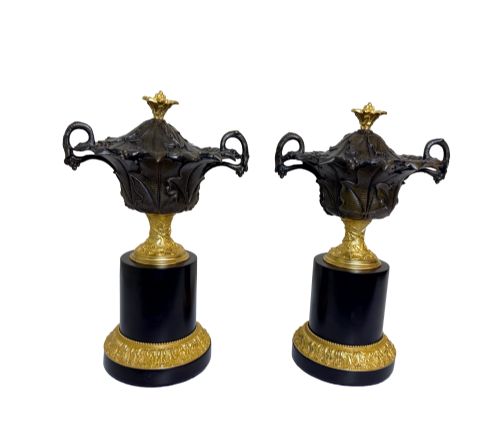
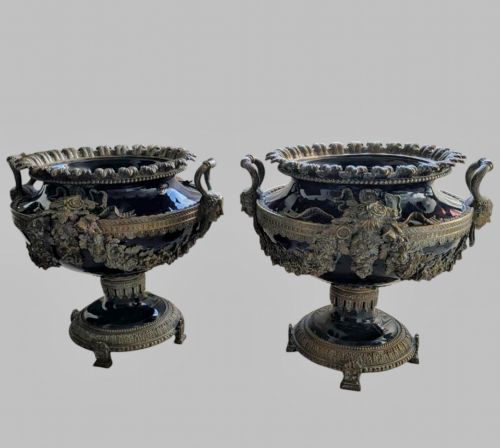
These 19th century gilt pedestals bring sculptural presence and golden warmth to a room, holding urns and lamps aloft with distinct interior authority.
19th Century Gilt Pedestals
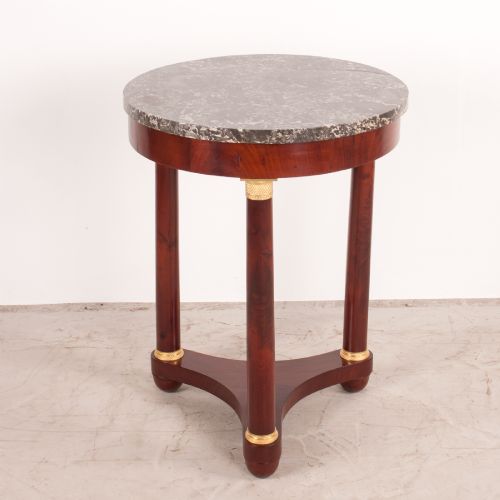
When searching for 19th century gilt pedestals, buyers encounter decorative columns, stands, and occasional supports designed to elevate objects of interest. The selection spans Victorian, Regency, and French Empire periods, reflecting diverse stylistic interpretations from neoclassical severity to ornate revivalism.
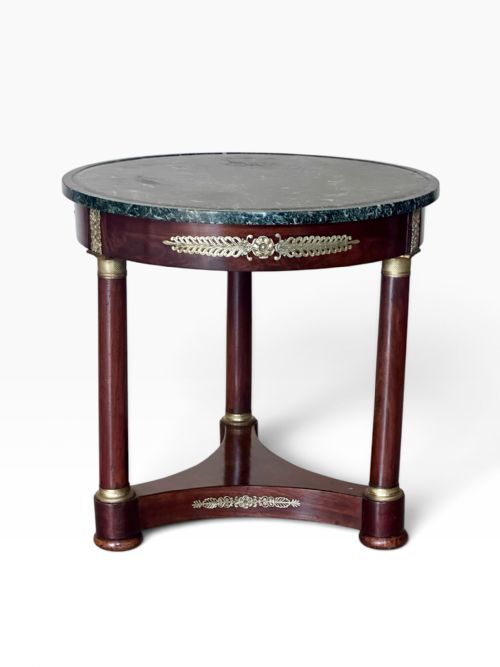
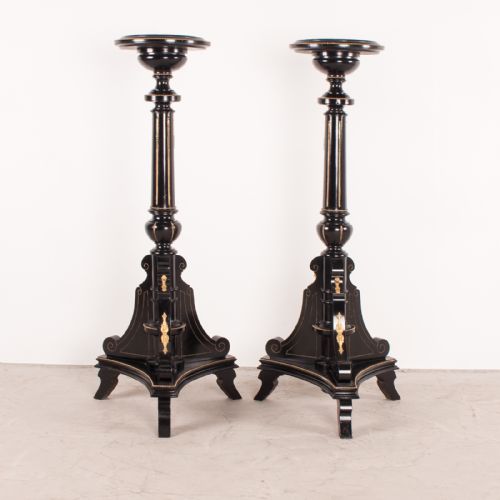
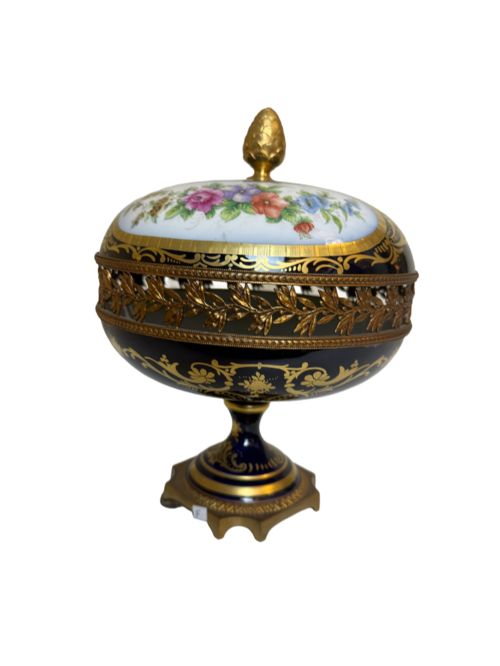
Most examples combine timber or stone frameworks with gilded finishes, functioning as independent display plinths or structural supports for lamps and urns. The forms range from ebonised wood torcheres to marble columns with ormolu collars.
How they were made
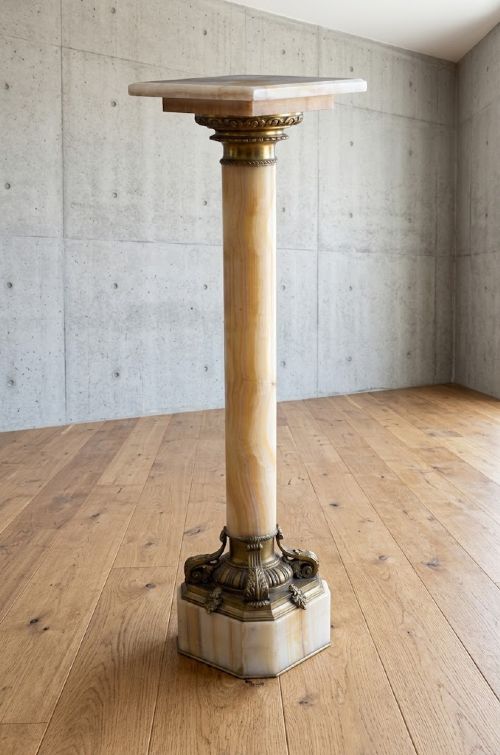
Maker's workshops utilised traditional timber framing, cast bronze, and natural stone, applying gold leaf or liquid gilt to create rich metallic surfaces. Ormolu mounts and cast brass elements were frequently combined with carved wood or polished onyx columns.
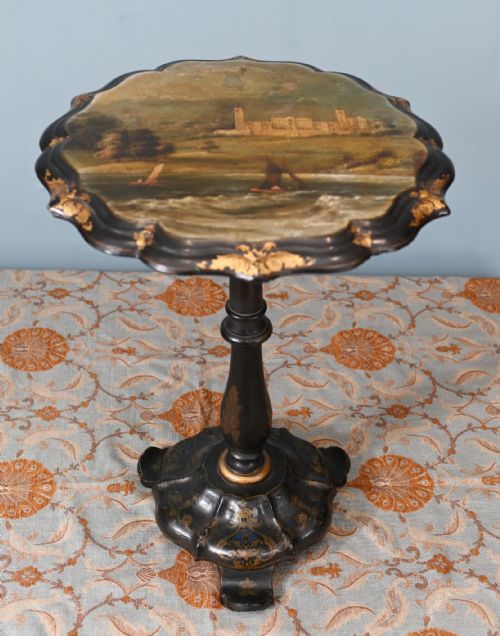
Surface decoration often involved ebonising, hand painting, or polychrome finishing to complement the primary gilding. These layered techniques ensured a durable yet opulent appearance suited to formal nineteenth-century interiors.
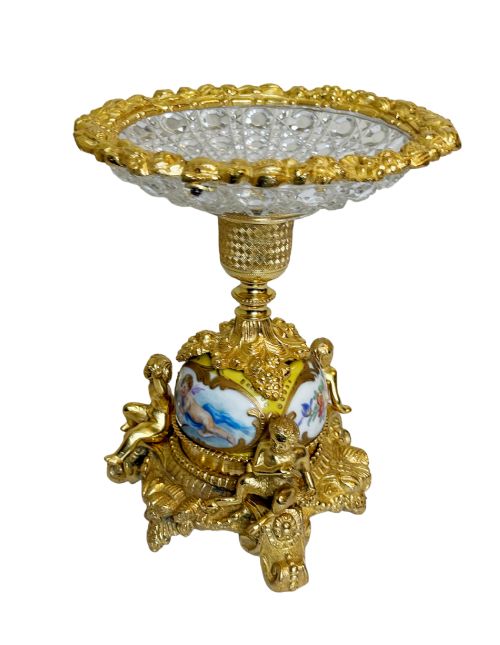
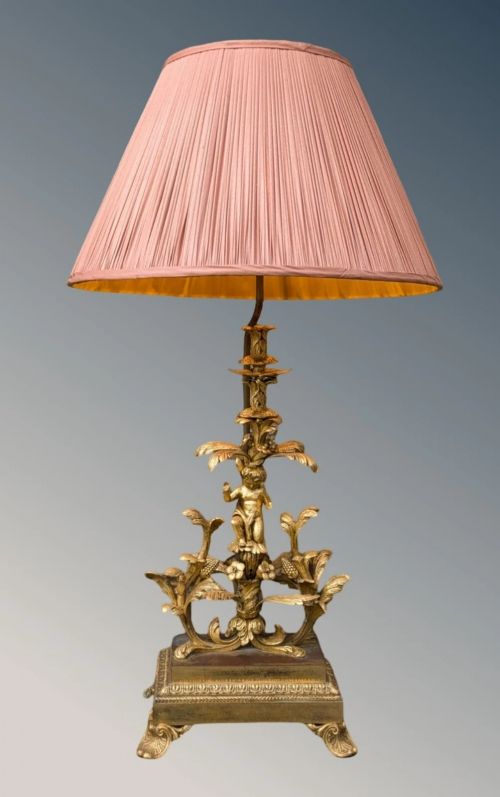
Cherubs frequently peer out from gilt bronze centerpieces, keeping silent company on nineteenth-century tables.
What varies in quality
Quality rests in the crispness of the cast bronze or carved wood details and the integrity of the original gilding. Finer pieces demonstrate precision in the joining of marble and metal components, whereas simpler items rely on painted rather than leaf-gilded finishes.
The choice of primary material also dictates the standard of the piece, with genuine ormolu and imported onyx elevating an object above standard turned wood frameworks.
Wylie & Lochead·George Bullock·Helena Wolfsohn·Messenger
The 19th Century Gilt Pedestals Glossary
- Ormolu
- Gilt bronze, where finely ground high-carat gold is applied to a bronze base using a mercury amalgam. This technique creates a rich, matte yellow finish characteristic of high-end French and English decorative arts.
- Torchere
- A tall ornamental stand or floor candelabrum designed to hold a light source. In nineteenth-century interiors, these functioned as sculptural pillars or plant stands.
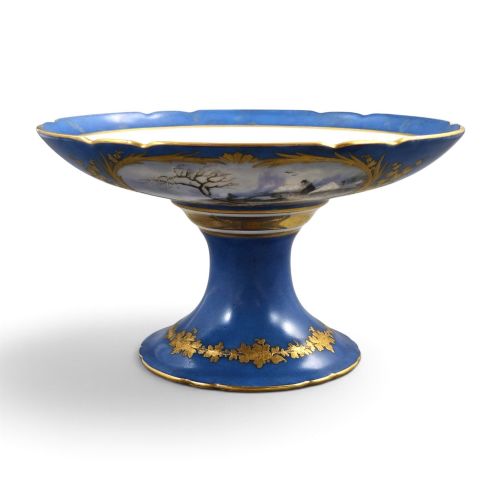
- Tazza
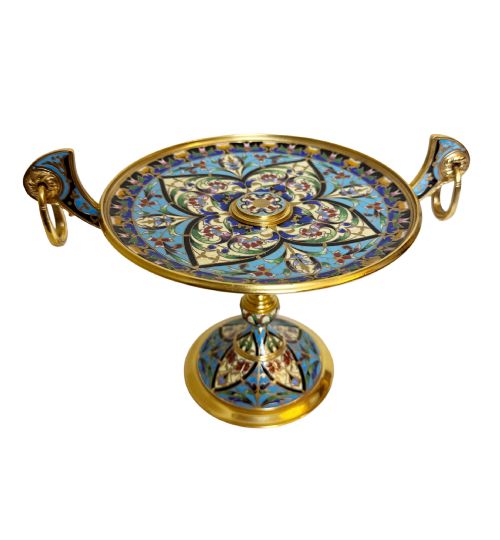
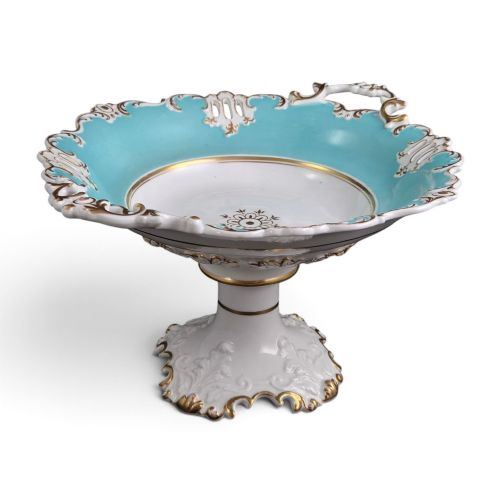
- A wide, shallow saucer-like dish or cup mounted on a stem and foot. They frequently appear in porcelain, glass, or gilt bronze on pedestals.
- Ebonised
- Wood finished with a dark stain or polish to imitate genuine ebony. It provided a stark, fashionable contrast against bright gilding in Victorian design.
19th Century Gilt Pedestals: Frequently Asked Questions
Where should I place a pedestal?
These pieces suit corners, hallways, or focal points in a drawing room where an elevated display surface creates height and balance.
They work particularly well when topped with decorative urns, lamps, or sculptural figures to draw the eye upward.
How do I clean gilded surfaces?
Dust gently with a soft, dry brush or feather duster to avoid disturbing delicate gold leaf or patinated bronze.
Water and chemical cleaning agents must be avoided, as moisture strips gold leaf and damages nineteenth-century timber substrates.
Can these columns support heavy items?
Stands built with stone, marble, or solid mahogany cores offer robust structural support for heavy bronze urns or porcelain pieces.
Lighter torcheres or timber pedestals suit lamps and smaller decorative vessels rather than substantial stone sculptures.
How do I identify the period?
Stylistic clues such as neoclassical symmetry, Regency rosewood accents, or Victorian ebonising help narrow down the decade of manufacture.
Material combinations like ormolu collars on onyx shafts typically point toward mid-to-late nineteenth-century production methods.