
19th Century Gilt Ceramic
These 19th century gilt ceramic pieces bring together metallic brilliance and fired clay, offering a refined focal point for any room.
19th Century Gilt Ceramic
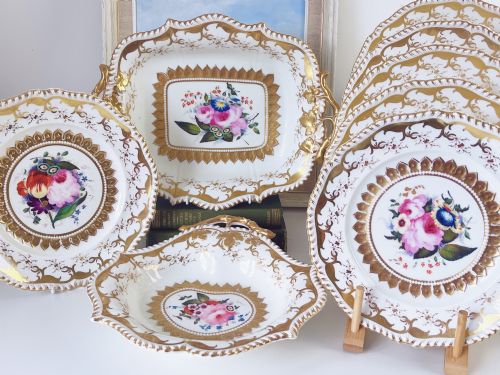
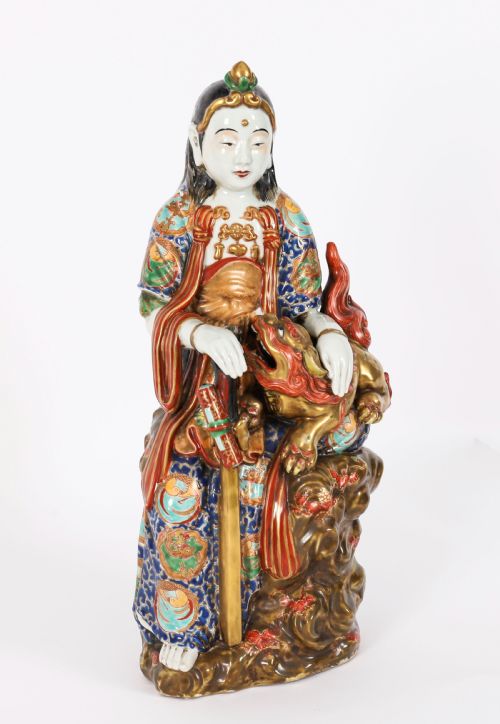
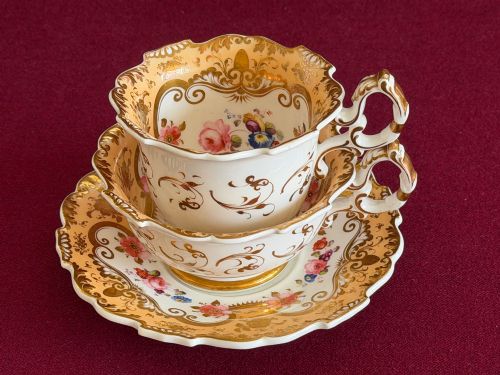
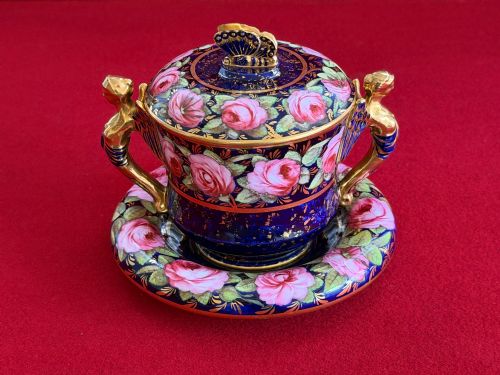
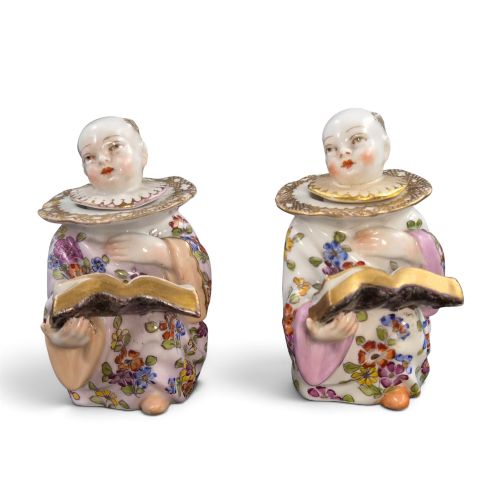
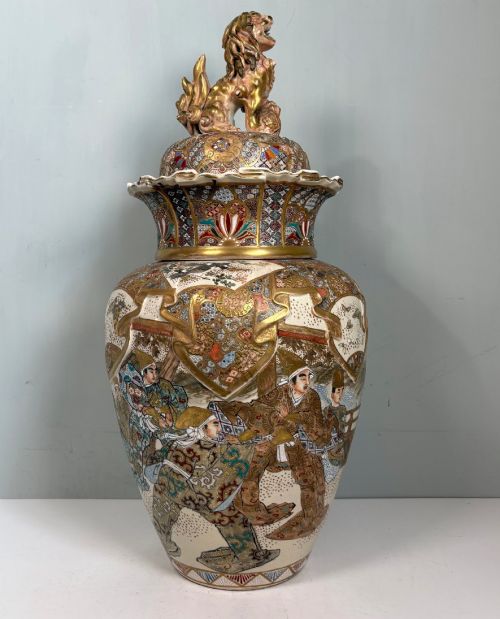
When you search for 19th century gilt ceramic, you enter a diverse field spanning utilitarian tableware and decorative display items. The pieces here range from cabinet plates and tea services to large vases and figures, originating from English, French, German, and Japanese makers.
You are most likely to encounter bone china, porcelain, and earthenware bodies enriched with metallic surface work, often created across the Georgian, Regency, and Victorian periods. Forms vary from simple cups and saucers to elaborate campana urns and jardinieres.
Stylistic influences shift from neoclassical restraint and regency elegance to exuberant rococo revivals and aesthetic movement japonisme. This variety reflects changing European and global tastes in ceramic decoration across the hundreds of years represented.
Materials and production methods
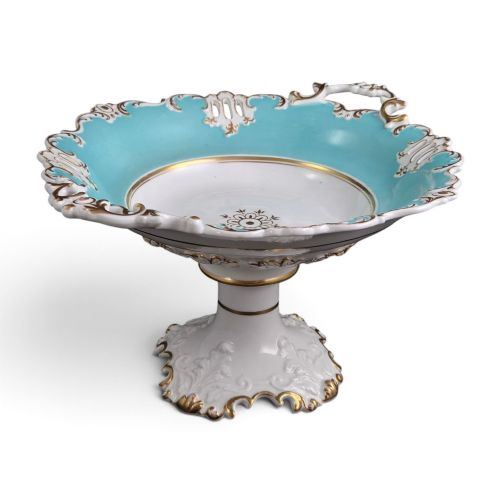
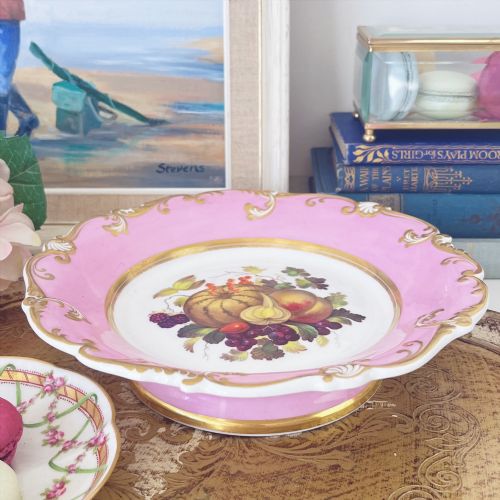
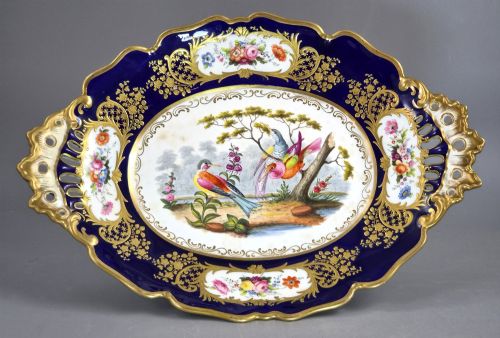
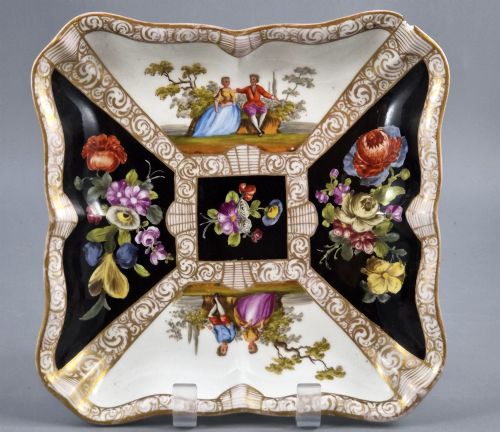
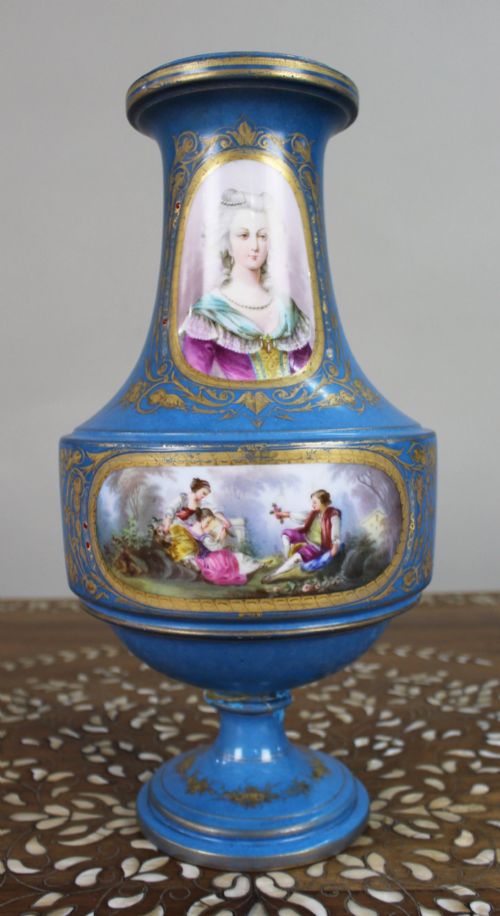
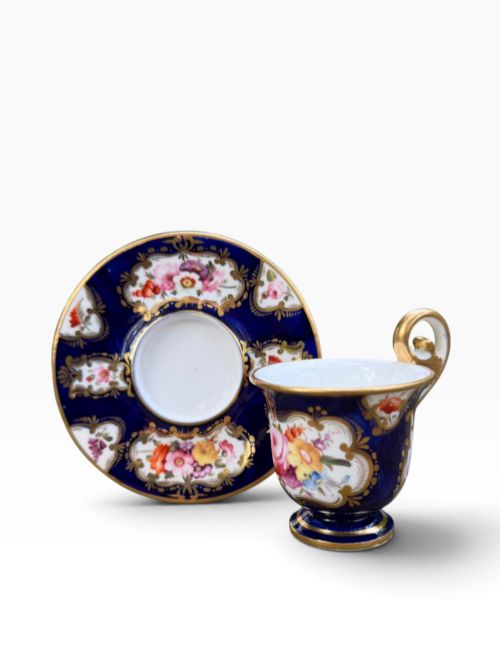
Makers shaped refined pastes of bone china, porcelain, and earthenware before kiln firing the bodies to create durable ceramic foundations. These vessels often received cobalt blue, turquoise, or pink ground colours alongside handpainted botanical, figurative, or topographical scenes.
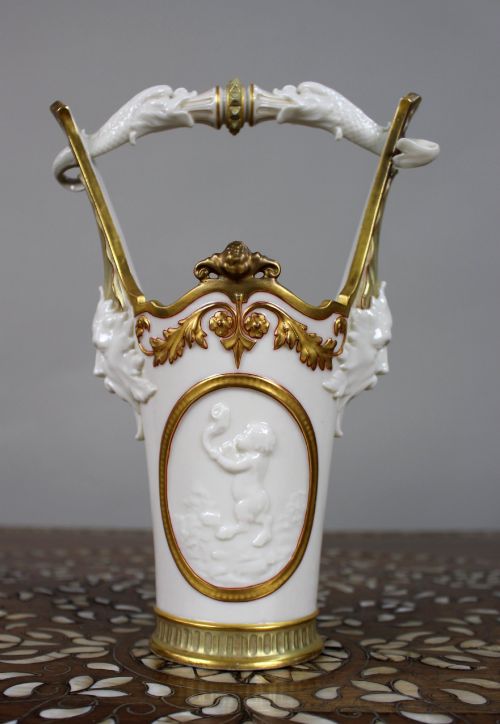
Guilders applied gold leaf or liquid gilding by hand onto the ceramic surface, frequently highlighting raised porcelain scrolls, handles, and borders. Subsequent low-temperature firings bonded the metal to the glaze, producing a durable metallic sheen that contrasts with the white or coloured body underneath.
Listings feature periods spanning the Georgian, Regency, and Victorian eras, utilising porcelain, earthenware, bone china, and gilt bronze.
Distinctions in quality and execution
The precision of the handpainting dictates the upper tier of these objects, where detailed floral sprays, landscape views, and facial expressions display accomplished brushwork. Lesser examples rely on printed transfers or simpler geometric borders with minimal hand finishing.
The weight, purity, and burnishing of the gilding separate standard production from exceptional studio work. Thick, neatly chased gold leaf that retains its burnished lustre indicates superior craftsmanship compared to thin, worn metallic paint.
Coalport·H and R Daniel·Spode·Meissen·Royal Worcester·Davenport·Berlin·Derby·Minton·Barr Flight and Barr·Chamberlains Worcester
The 19th Century Gilt Ceramic Glossary
- Bone china
- A type of soft-paste ceramic incorporating bone ash, resulting in a strong, slightly translucent white body used extensively by English potteries.
- Tazza
- A shallow ornamental cup or plate mounted on a stem and foot, commonly utilised for serving fruit or as a decorative centrepiece.
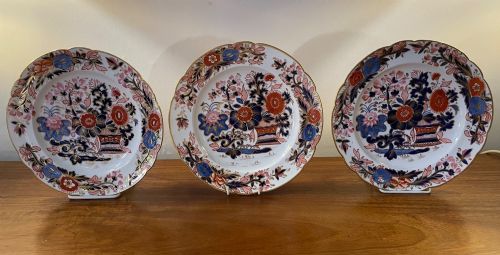
- Imari palette
- A distinctive decorative scheme utilising underglaze blue, iron red, and dense gilding, inspired by Japanese export porcelains.
- Gilding
- The application of gold leaf or powdered gold to the surface of a ceramic object for ornamentation.
- Comport
- A large standing dish or bowl used during the nineteenth century for dessert courses on formal dining tables.
19th Century Gilt Ceramic: Frequently Asked Questions
How were these items used originally?
Many of these ceramic objects served functional roles in wealthy households, including tea consumption, dessert services, and formal dining displays. Others functioned purely as decorative cabinet pieces or mantel ornaments to demonstrate household status.
Over time, utility gave way to display, as fragile gilded surfaces and handpainted scenes made pieces less practical for daily dining and better suited for drawing rooms.
How can I tell the period?
Dating relies on factory marks, pattern numbers, ceramic bodies, and the prevailing artistic style of the decoration. Regency pieces often favour neoclassical motifs, while later Victorian items lean towards heavy gilding and eclectic revivals.
Backstamps stamped or painted on the underside provide the most reliable clues, though many early nineteenth century wares relied entirely on pattern numbers or distinct shapes.
What is gilt bronze trim?
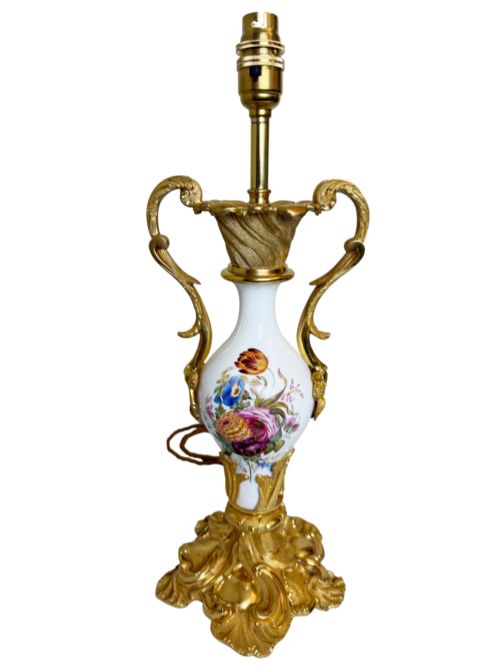
Gilt bronze trim involves cast bronze mounts finished with gold plating, attached to ceramic bodies to provide structural handles, feet, or decorative collars. This combination appears frequently on French and English ornamental vases and lamps.
The metalwork adds weight and architectural structure to the ceramic vessel, merging the skills of bronze-founders and ceramicists into a single decorative object.