

19th Century Genre Art
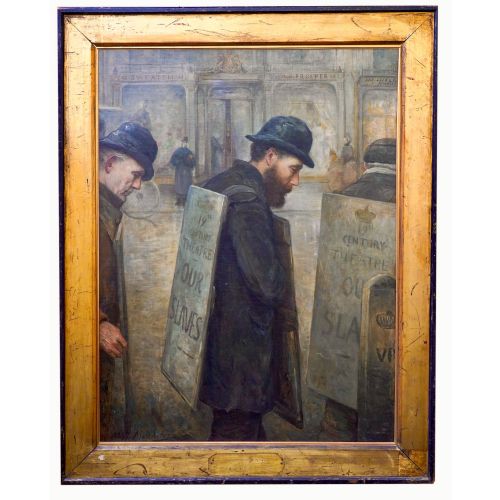
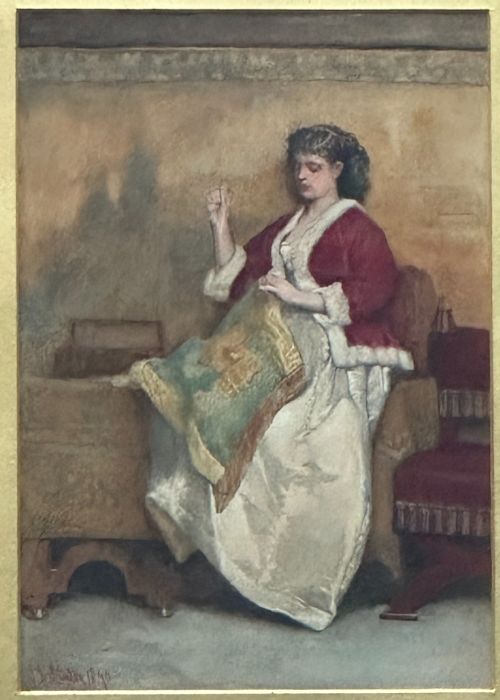
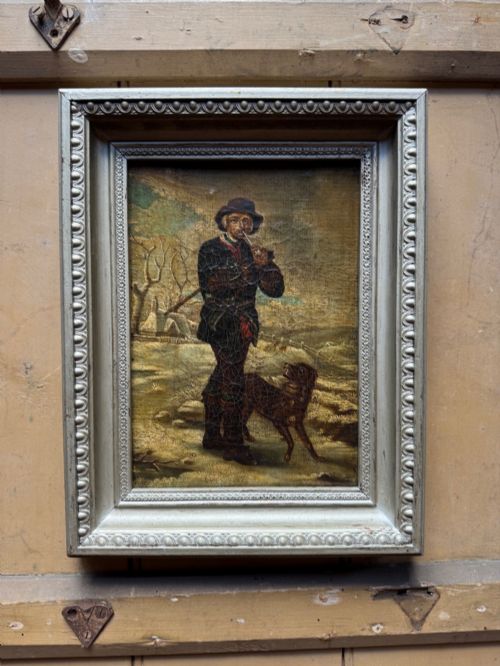
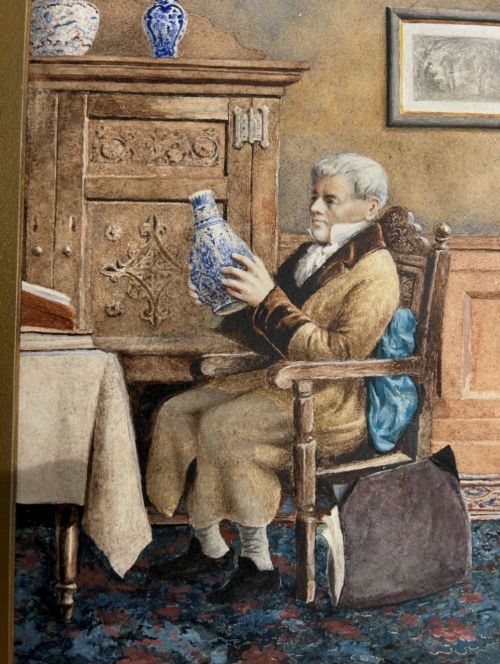
When you search for 19th century genre art, you discover painted scenes of everyday life depicting domestic interiors, street vendors, and historical moments.
19th Century Genre Art
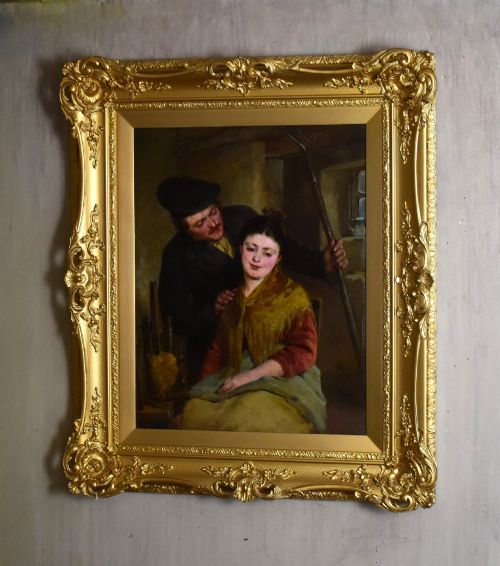
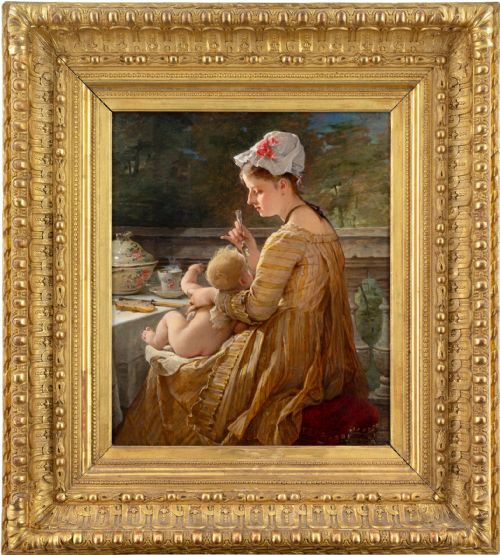
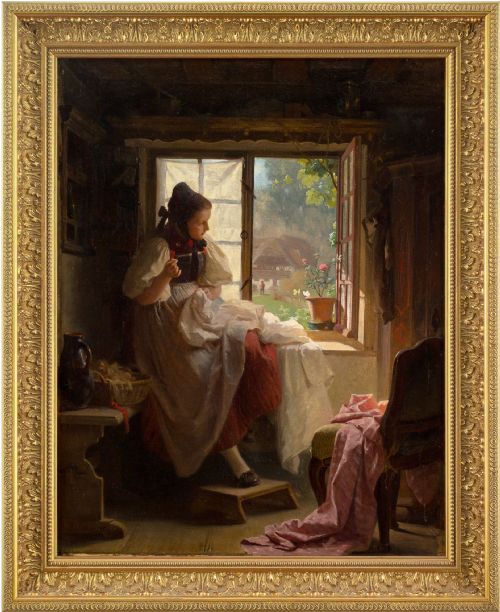
Works described as 19th century genre art capture scenes of everyday life, domestic interiors, and social history rather than formal portraits or sweeping landscapes. A buyer searching this phrase encounters framed oil paintings and watercolours depicting human activities, from quiet domestic moments to bustling tavern scenes.
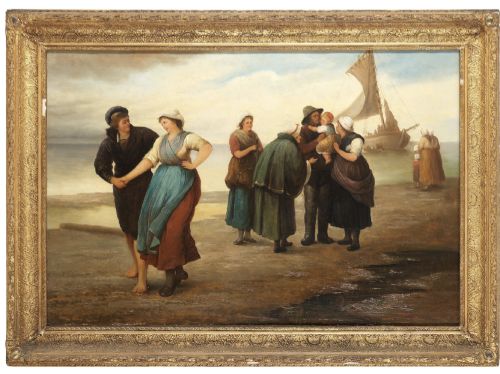
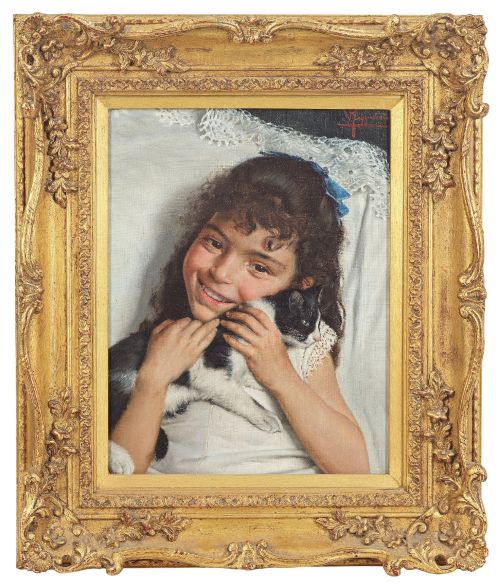
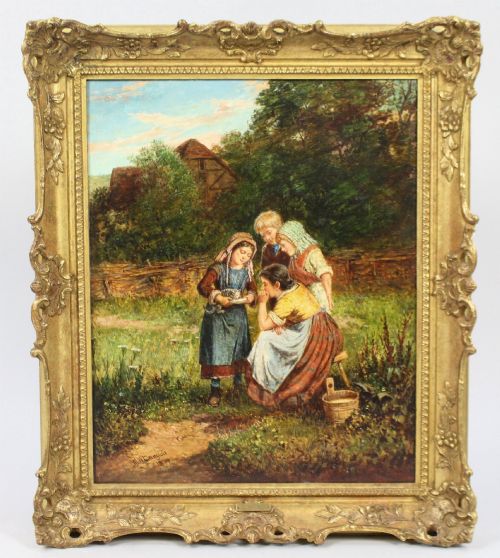
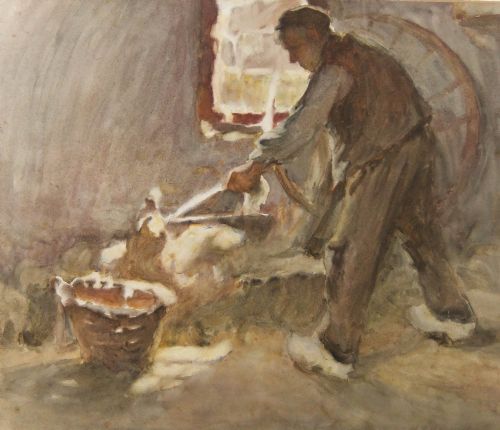
The pieces appearing on this page span the Victorian era, the French School, and 19th century realism. Common subjects range from children and animals to blacksmiths, card players, and street sellers, all recorded by artists working across Britain and continental Europe.
How they were made
Artists painted primarily in oil on canvas or wood panels, alongside watercolours executed on paper. Canvases received layers of pigment to build depth in interior lighting and costume details, while watercolours utilised fluid washes on paper to capture lighter atmospheric effects.
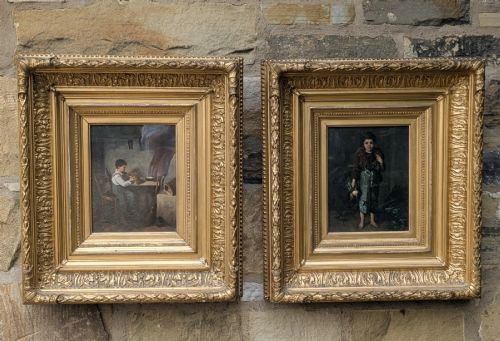
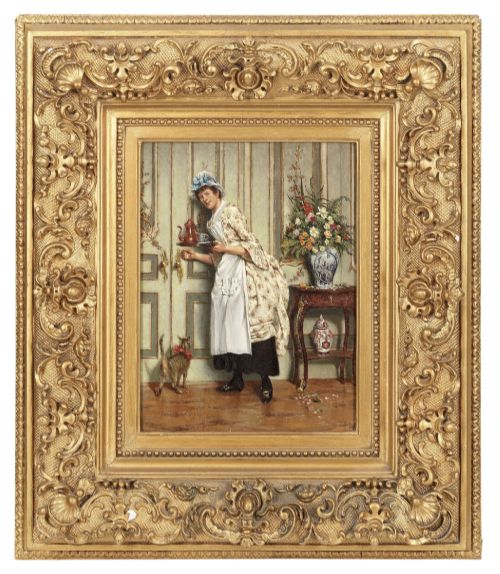
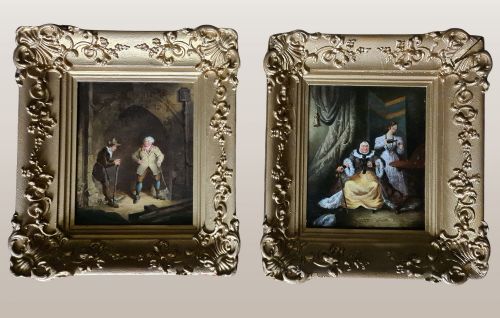
Many works retain their period framing, incorporating giltwood and gesso moulded frames that complement the painting style of the period. Wood panels and canvases were often prepared with traditional grounds before the application of oil pigments.
19th Century Genre Art Retail Price Guide 2026
Typical asking prices for 19th century genre art among the pieces listed under this phrase on Sellingantiques today, from the lower quarter to the upper quarter. They describe what is for sale here now, not the wider market.
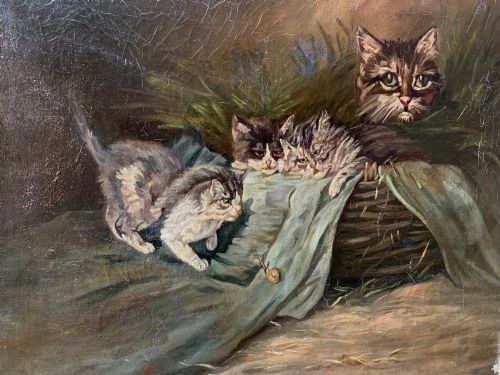
Kittens, piglets, and puppies frequently interrupt solemn domestic scenes to steal the painter's attention.
What varies in quality
Quality in these paintings rests on the artist's handling of human expression, narrative clarity, and the rendering of light within interior or exterior settings. Pieces by established academic or salon-exhibiting painters demonstrate superior draughtsmanship in anatomy and composition compared to anonymous works.
The preservation of the original paint surface and the condition of the supporting canvas or wood panel influence the integrity of the piece. Works retaining their original giltwood and gesso frames maintain a higher degree of period authenticity.
Felix Stone Moscheles·Sir James Dromgole Linton·Valentine T. Garland·Stephen Samuel Lewin·Vittorio Reggianini·Mark William Langlois·Henry Silkstone Hopwood·Howard Helmick·Max Kaltenmoser·George Augustus Holmes·James Hamilton·Charles Hunt·Hendrik Valkenberg·Joseph Farquharson·Bernard De Hoog·Alfred Arthur Brunel de Neuville·Jacob Akkersdijk·Thomas Kent Pelham·Charles Henry Slater·Albert Ludovici Jnr
The 19th Century Genre Art Glossary
- Genre painting
- A branch of fine art depicting scenes from everyday life, ordinary people, and domestic interiors rather than mythological or historical subjects. These works offer visual records of social history and common occupations.
- Giltwood
- Wood that has been treated with a thin layer of gold leaf or metallic powder, commonly used for decorative period picture frames. It provides a reflective border that enhances the tones of oil paintings.
- Gesso
- A paint mixture consisting of a binder mixed with chalk, gypsum, or pigment, used to prepare wood panels or frames before gilding or painting. It creates a smooth surface for detailed finishing.
- Watercolour
- A painting method in which the paints are made of pigments suspended in a water-based solution, typically applied to paper. It allows for translucent washes and delicate tonal gradations.
- Canvas
- A heavy woven fabric used as a surface for oil painting, stretched over a wooden frame. It provides a textured foundation that accepts multiple layers of oil pigment.
19th Century Genre Art: Frequently Asked Questions
What subjects appear in these paintings?
The subjects focus on human activity, including domestic interiors, tavern scenes, street vendors, and children with animals. Artists captured ordinary moments of Victorian social life and continental street scenes.
These narratives provide insight into the occupations, leisure activities, and domestic environments of the nineteenth century.
How do I identify the period?
Periods are identified through costume details, painting techniques, and documented dates on watercolours or canvases. Stylistic labels such as Victorian or nineteenth century realism often denote the era of execution.
Signatures, framing styles, and biographical dates of the artists further help to narrow down the decade in which the work was produced.
Are these works on canvas or paper?
The listings include both oil paintings on canvas or wood panels and watercolours executed on paper. Each medium offers a distinct visual texture suited to the artist's intended atmosphere.
Oils generally provide rich colour depth and heavier impasto, while watercolours present delicate transparencies and lighter paper supports.
How should I hang and light them?
These framed artworks suit traditional domestic walls, especially when paired with period interior decor. They benefit from stable ambient room conditions away from direct sunlight.
Gentle picture lighting highlights the fine details of oil pigments and protects both canvas and paper from environmental degradation.