




Victorian Child Oil Portrait
A victorian child oil portrait captures youth through pigment and canvas, offering an intimate window into nineteenth-century life that collectors cherish.
Victorian Child Oil Portrait
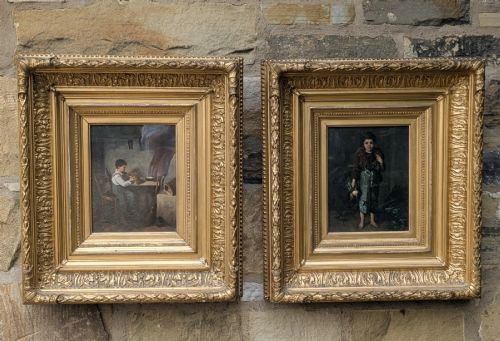
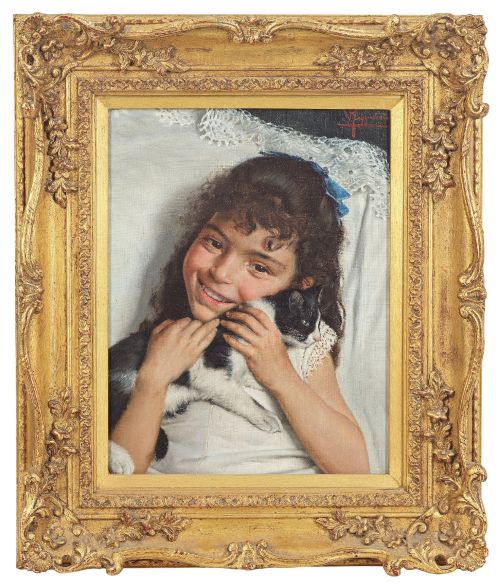
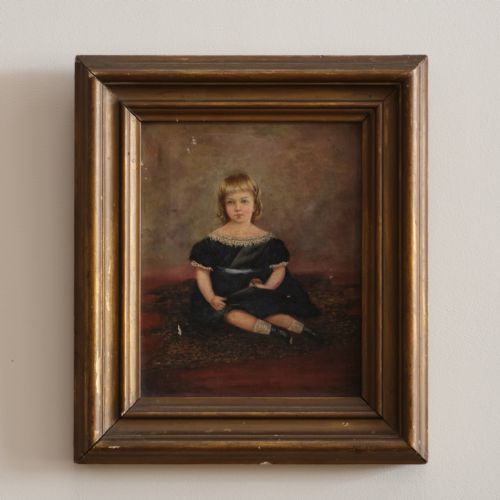
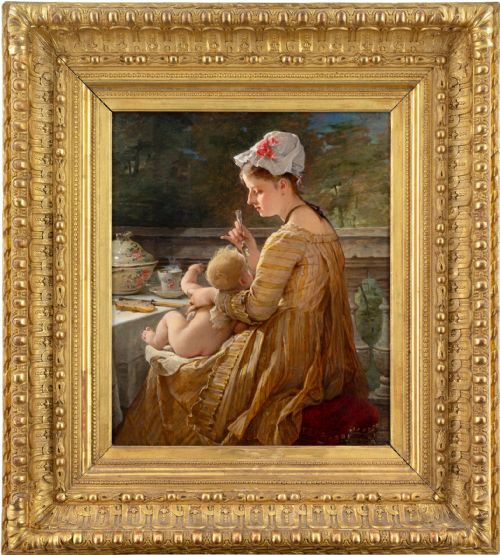
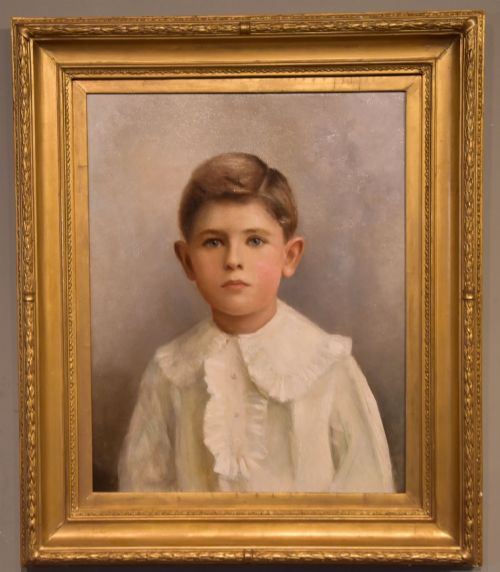
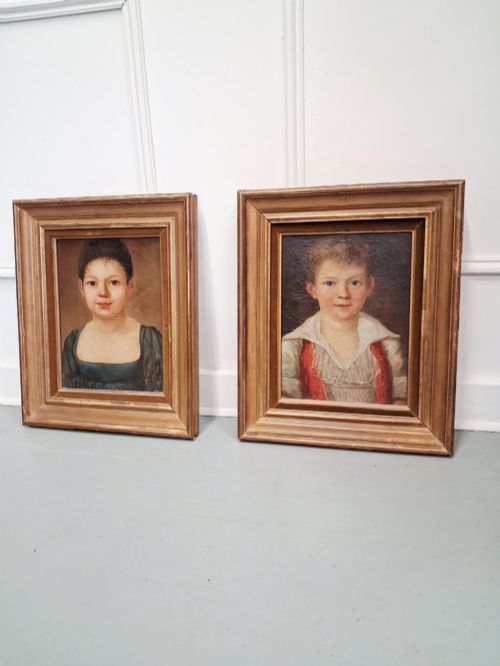
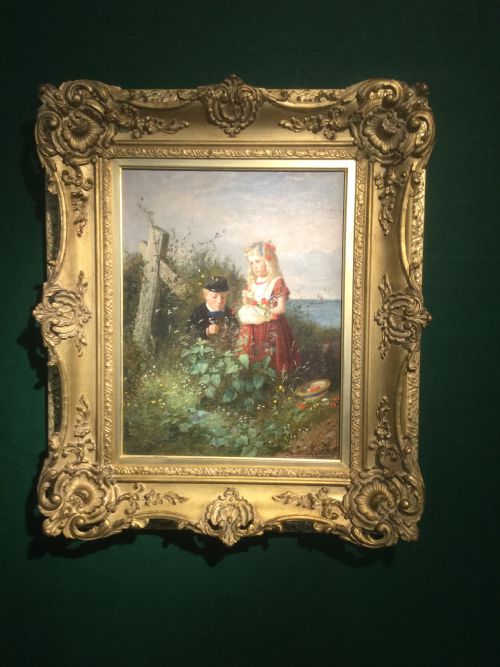
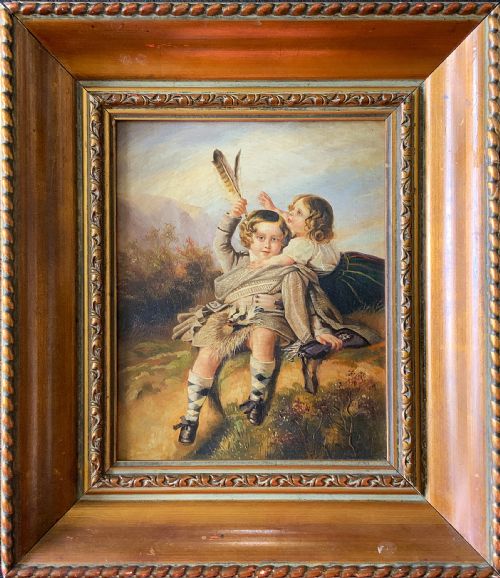
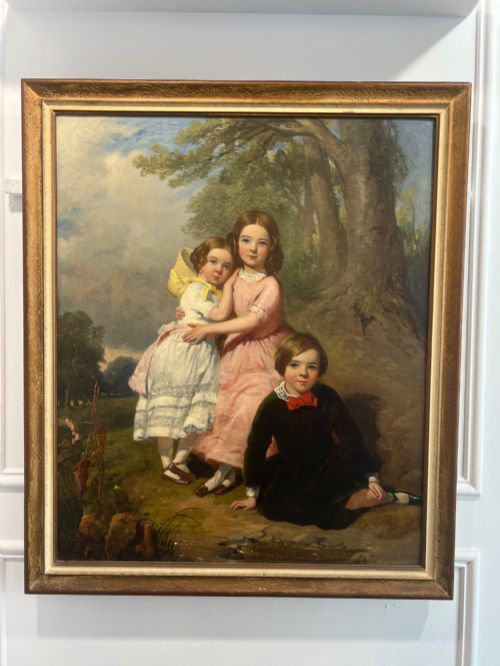
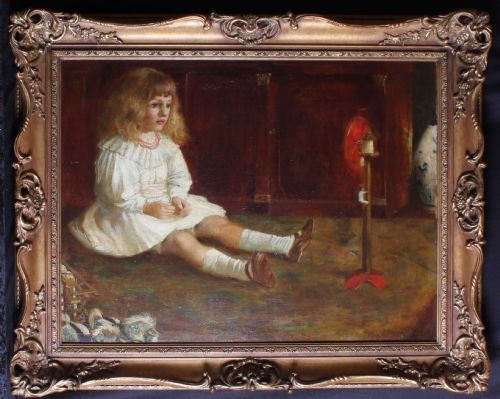
A victorian child oil portrait depicts young subjects either individually or alongside pets, toys, and family members. You will frequently encounter naive renderings alongside academic works spanning the nineteenth century.
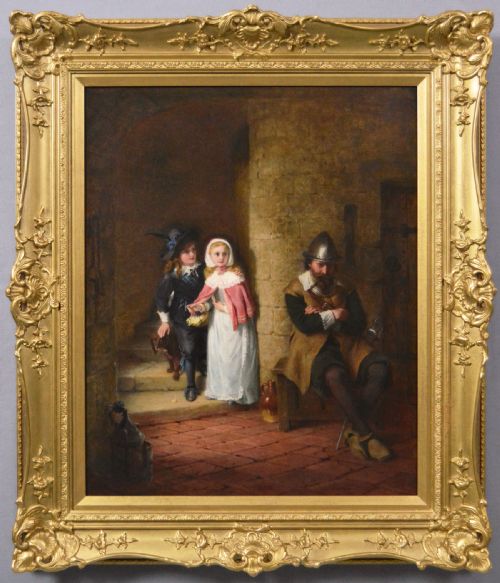
These works range from provincial folk art to formal commissions by named artists. The subjects appear in interiors, gardens, or architectural settings typical of the period.
How they were made
Frames frequently utilised ebonised finishes or elaborate moulding to complement the scale of the composition. The physical support typically shows the characteristic weave and stretcher marks of nineteenth-century manufacture.
Listings feature works executed in oil on canvas, panel, and gesso frames dating from the nineteenth and early twentieth centuries.
What varies in quality
Quality rests upon the artist's ability to render facial expression and anatomical proportion convincingly. Academic pieces display sophisticated handling of light and shadow, whereas naive examples rely on charm and directness.
The preservation of the pigment layer and the originality of the matching frame significantly influence the standing of a piece. Finer works retain their original varnish and surface tension without extensive retouching.
Vittorio Reggianini·Adelaïde Salles-Wagner·Henry Windsor Fry·Charles Hunt·Sir Thomas Lawrence·George Bernard O'Neill·Bown Jones·William Egley·John Alfred Wheeler·John Henry Dell·Franz Xaver Winterhalter·Henry Weigall·Jane Maria Bowkett·Ethel Mortlock·Harold Arthur Burke·Robert Gemmell Hutchison·Richard Buckner·Ralph Hedley RBA
The Victorian Child Oil Portrait Glossary
- Naive
- A style characterised by an artless approach to perspective and proportion, often produced by self-taught provincial painters. This manner imparts a distinct directness to the child's likeness.
- Gesso
- A plaster-like mixture applied to wooden frames before gilding or painting. It provides a smooth base for intricate decorative moulding.
- Oil on Canvas
- Pigment mixed with drying oil applied to a woven fabric support. This combination allows for rich colour blending and textured brushwork.
- Ebonised
- Wood treated to resemble ebony through a staining or finishing process. It creates a dark, contrasting border around the portrait canvas.
Victorian Child Oil Portrait: Frequently Asked Questions
What is a victorian child oil portrait?
It is an original painting executed in oil on canvas or panel depicting a young subject during the nineteenth century. These artworks range from formal academic commissions to charming provincial folk art.
They record the clothing, toys, and domestic environments of children from the era. Each piece serves as a direct historical record preserved through pigment.
How were these portraits displayed?
Victorian households hung these paintings prominently in parlours, drawing rooms, and family hallways. They were designed to anchor the room's decorative scheme, often framed in heavy giltwood or ebonised wood.
Today, they suit similar traditional or eclectic interior spaces. Collectors often group smaller naive examples together to create a striking wall display.
Are these paintings signed by the artist?
Some pieces bear the artist's signature or monogram, while many nineteenth-century works remain anonymous. Attribution often relies on stylistic comparison, historical records, or gallery provenance.
Unsigned paintings can still hold significant artistic merit based on execution and subject matter. The quality of the brushwork matters more than the presence of a signature.