


Antique Italian Figure Painting
These antique italian figure painting works bring centuries of continental drama, devotion and daily life straight to your walls.
Antique Italian Figure Painting
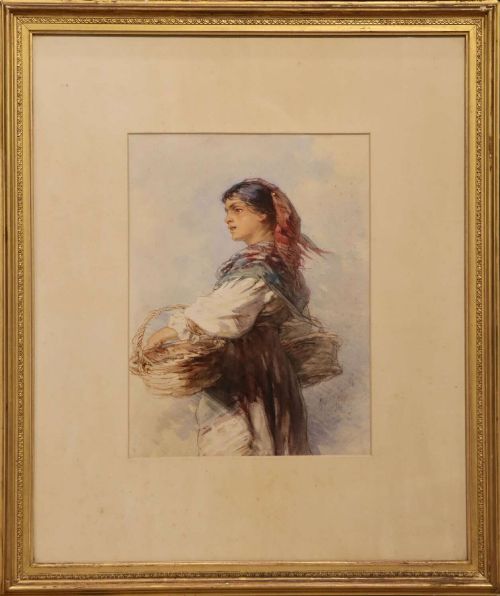
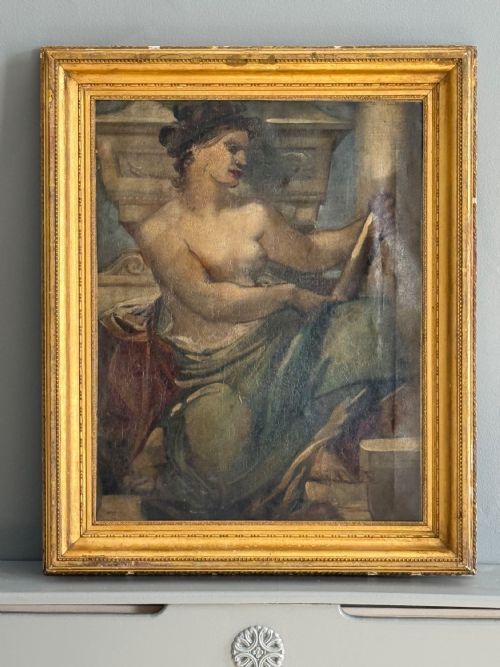
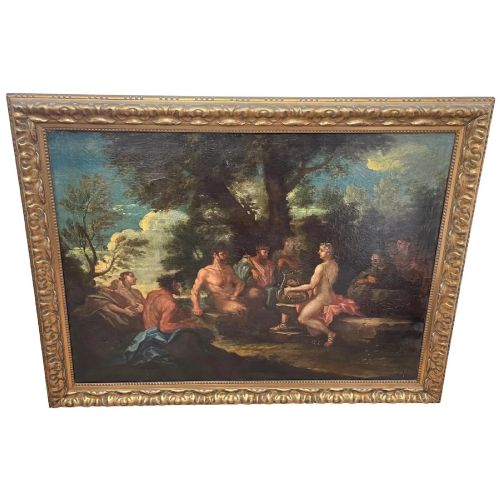
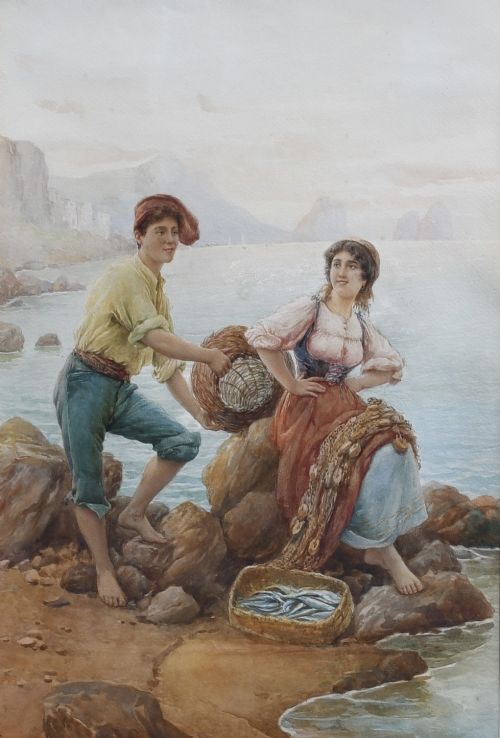
An antique italian figure painting captures human subjects ranging from classical mythology and biblical saints to nineteenth century genre scenes and peasant life. These works draw upon rich traditions spanning from the seventeenth century through to the Victorian era and the Grand Tour period.
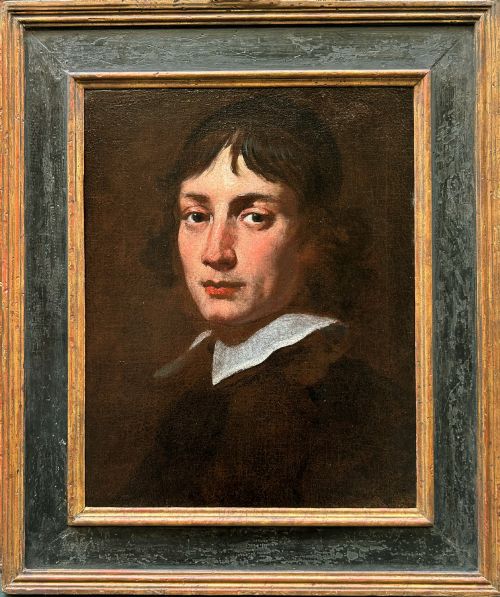
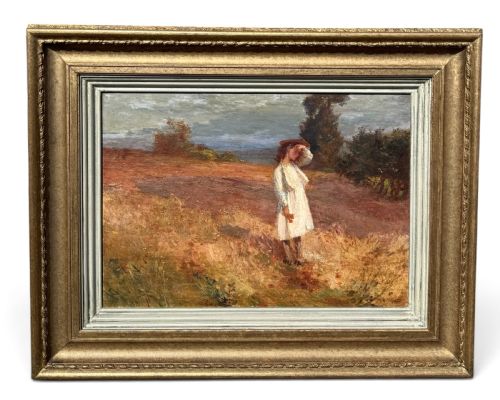
Buyers encounter oil paintings on canvas or board alongside watercolours and gouache, often depicting figures integrated into landscapes, architectural settings or intimate portraits. Many pieces reflect regional schools such as Venetian, Neapolitan or broader Italian Renaissance Revival aesthetics.
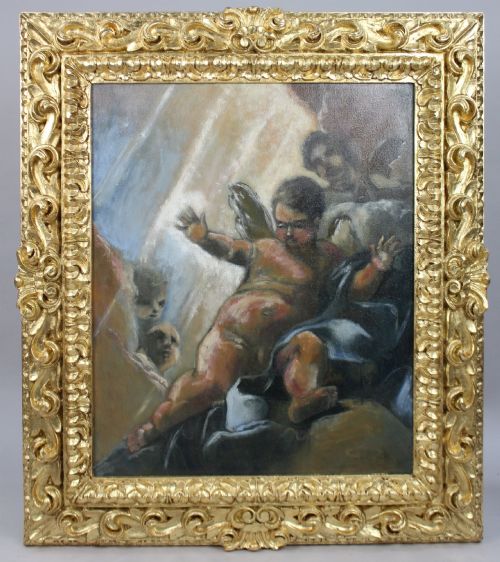
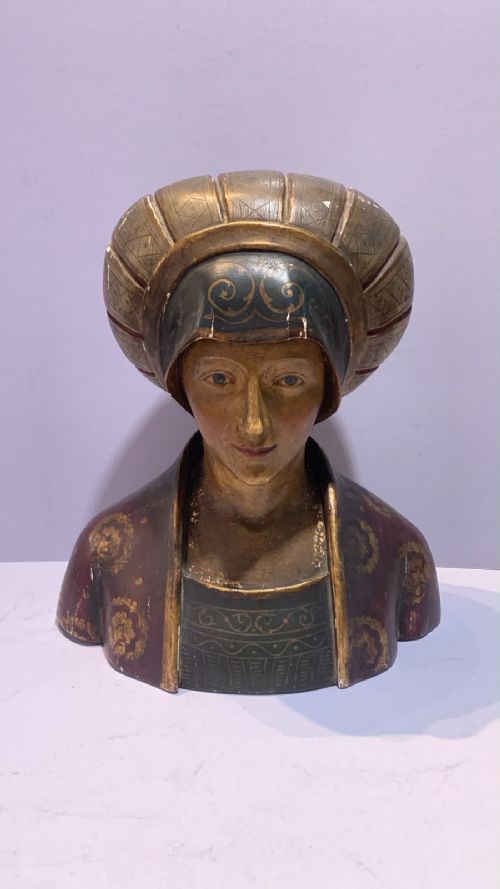
Alongside flat art, the category embraces figurative works in carved wood, gesso and polychrome paint, including saints, putti and sculptural busts. These diverse forms share a common focus on human presence and narrative expression.
How they were made
Painters built their compositions using oil pigments on woven canvas or wooden boards, frequently applying rich glazes to achieve depth and luminosity. Watercolours on paper served for lighter genre studies and travel sketches brought home by tourists.
Sculptural figures and frames relied on carved timber substrates shaped with gouges and chisels before receiving layers of gesso, gold leaf or polychrome paint. Gilding techniques involved applying thin metal leaf over prepared bole to create reflective surfaces.
Workshop practices often involved followers or copyists working after master painters, utilising traditional pigments bound in oil or tempera to execute detailed garments, flesh tones and architectural backgrounds.
What varies in quality
The degree of anatomical mastery and expressive handling in the faces and hands distinguishes workshop output from more accomplished studio brushwork. Superior canvases display confident draughtsmanship and subtle tonal gradations that bring the subject to life.
In carved and gilded pieces, the crispness of the wood carving and the preservation of original polychrome paint or gold leaf determine the visual impact. Heavy overpainting or crude later restorations diminish the integrity of the surface.
Provenance and attribution to documented circles or named artists elevate certain works, while frame quality also plays a role. Period carved giltwood frames that match the age of the canvas contribute significantly to the overall cohesion of the piece.
Guido Bach·Guillaume Courtois·Umberto Volpato·Carlo Ferranti·Giovanni Paolo Panini·Bartolomeo Schedoni·Raphael·Antonio Allegri Correggio·Pietro D'asaro·Andrea Celesti·Guiseppe Mazzolini·Willem Johannes Martens
The Antique Italian Figure Painting Glossary
- Genre scene
- A painting depicting ordinary people engaged in daily activities or social events rather than grand historical or religious narratives. These works offer a window into the everyday customs and costumes of past societies.
- Gesso
- A traditional white paint mixture consisting of a binder mixed with chalk, gypsum or pigment, used as a prepared surface for wood carving or canvas. It provides a smooth base for subsequent gilding or painting.
- Polychrome paint
- Decoration applied using multiple colours, frequently found on carved wooden statues, saints and decorative figures. This technique added lifelike warmth and detail to sculptural works.
- Putti
- Representations of plump, winged infant figures, often depicted as angels or mythological cherubs in baroque and renaissance art. They frequently appear floating on clouds or accompanying religious scenes.
- Grand Tour
- A cultural journey through Europe, particularly Italy, undertaken by wealthy young men during the eighteenth and nineteenth centuries to collect art and antiquities. Paintings and sculptures purchased on these trips formed many historic collections.
Antique Italian Figure Painting: Frequently Asked Questions
What is a blackamoor figure?
A blackamoor figure is a decorative carved wooden sculpture, often painted and gilded, depicting an African person frequently dressed in elaborate attire as a servant or waiter. These pieces date largely from the eighteenth to early twentieth centuries and reflect historical European aesthetic tastes.
They appear as standing statues, pedestals or tabletop figures, utilising carved wood, polychrome paint and gold leaf. Their presence in historic interiors highlights trade and decorative arts of the period.
How do I identify a religious painting?
Religious paintings typically depict identifiable biblical figures such as the Madonna and Child, saints holding specific attributes like books or palms, or scenes from scripture. Look for traditional iconography, such as halos or symbolic gestures, which help reveal the subject matter.
Many of these works are later copies or devotional pieces created after famous Renaissance or Baroque masters. Examining the style of the frame and the wear on the canvas or panel helps determine the approximate age.
What does after a master mean?
The term after a master indicates that a painting is a later copy or adaptation of a well-known composition by a famous artist. These works were often produced by students, followers or later painters studying historical techniques.
Such paintings allowed collectors to own versions of famous masterpieces that resided in major churches or galleries. They represent the enduring influence of master compositions rather than the original hand of the primary artist.
How should I care for antique wood sculptures?
Antique wooden sculptures and polychrome figures require stable environmental conditions away from direct sunlight and strong heat sources. Maintaining consistent indoor humidity prevents the wood from drying out, cracking or causing the gesso and paint layers to flake.
Dust them gently with a soft, dry brush rather than using wet cloths or liquid cleaners that might damage fragile original paint. Proper placement protects both the carved timber and the historic surface finishes from accidental wear.