


Historical Costumed Genre Painting
These historical costumed genre painting works capture bygone social scenes with narrative detail, offering collectors a vivid window into past eras.
Historical Costumed Genre Painting
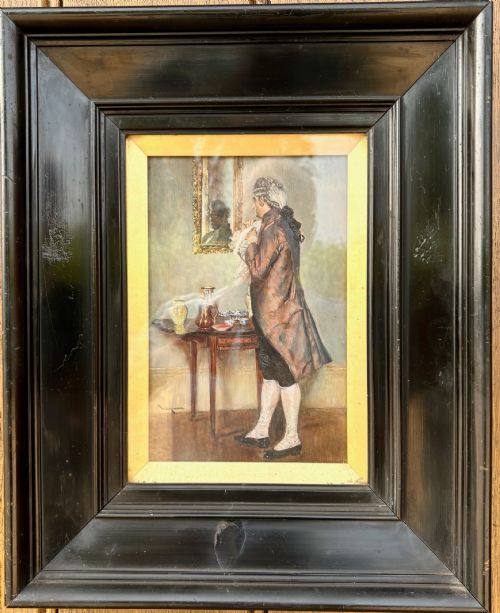
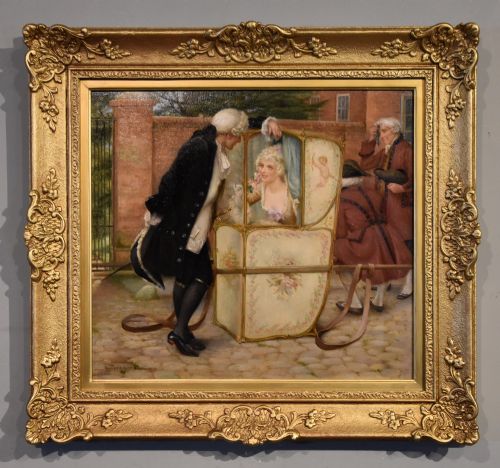
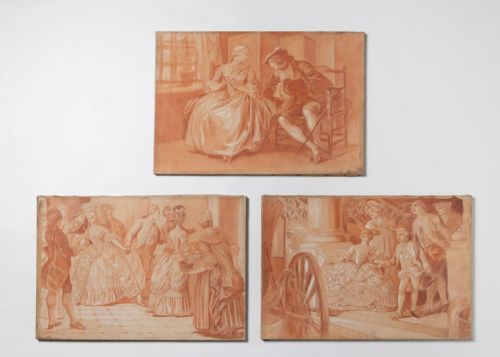
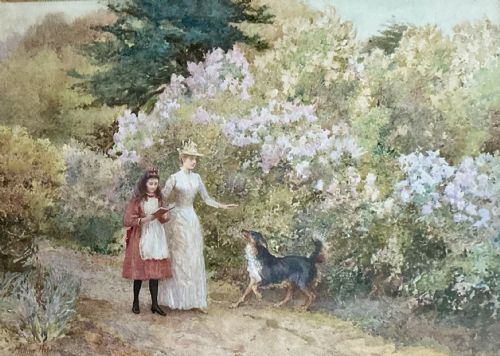
When you search for historical costumed genre painting, you are looking at narrative artworks depicting figures in period dress engaged in daily leisure or social interaction. The examples on this page span from the nineteenth century through the early twentieth century, taking in both oil and watercolour mediums.
The subjects range from gentlemen playing cards and outdoor bowling to intimate indoor tea scenes and formal portraits. Academic historicism and rococo revival styles heavily influence these compositions, often showing meticulous attention to historical costume.
You are most likely to encounter framed oil paintings on canvas or board, alongside occasional watercolours. Dating predominantly from the late nineteenth century to the nineteen thirties, these works reflect a sustained academic fascination with past centuries.
How they were made
Artists painted these works primarily using oil on canvas or oil on board, building up rich surfaces of oil paint to render fine textiles and period interiors. Watercolours on paper also appear, utilising fluid washes and precise line work.
Many of these paintings sit within ornate giltwood and gilt wood frames that complement the academic and revivalist character of the artwork. The physical construction combines traditional canvas stretching or wooden panel preparation with skilled academic draftsmanship.
Gentlemen holding guns, playing bowls, and enjoying tea make frequent appearances in these staged historical moments.
What varies in quality
Quality in these works rests upon the precision of the figure drawing and the fidelity with which period textiles and expressions are rendered. Superior paintings display a confident handling of light across elaborate costumes and detailed interior settings.
The complexity of the composition also distinguishes the tier of a piece, with multi-figure social scenes demanding greater compositional control than single-figure studies. Additionally, the execution of the surrounding giltwood framing contributes to the overall visual impact.
W.D. Almond·Delapoer Downing·Arthur Hopkins·Robert Alexander Hillingford·Frank Moss Bennett·Willem Johannes Martens·Marcel Brunery·Adolphe-Alexandre Lesrel
The Historical Costumed Genre Painting Glossary
- Genre painting
- Artwork depicting scenes from ordinary life, often involving figures in narrative or social situations. These works focus on human stories rather than formal portraiture or landscape.
- Academic historicism
- A nineteenth-century artistic approach prioritising historical accuracy in costume and setting, often drawing on past artistic traditions. It informs many of the staged period scenes found in this category.
- Oil on board
- A painting technique where oil paint is applied to a rigid wooden or composition board rather than stretched canvas. This surface provides a firm base for detailed brushwork.
- Giltwood
- Wood carved and covered with a thin layer of gold leaf, commonly used for traditional picture frames. It adds a reflective, decorative border to historical canvases.
Historical Costumed Genre Painting: Frequently Asked Questions
What is historical genre painting?
Historical genre painting depicts narrative scenes of everyday life set in past centuries, usually featuring figures in period costume. These works tell a visual story rather than simply recording a likeness.
Artists used these subjects to explore historical aesthetics, clothing, and social customs from eras long before their own time.
How do I date these paintings?
Dating relies on stylistic clues, artist signatures, and framing methods, with most pieces here originating between the late nineteenth century and the nineteen thirties. Academic realism and revivalist details often point to Victorian or Edwardian execution.
Examining the canvas preparation, stretcher bars, and framing materials also helps narrow down the period of creation.
Where should I hang these artworks?
These detailed narrative paintings suit traditional living spaces, libraries, or studies where their rich colours and gilt frames can be appreciated up close. They pair well with period interiors and classic wooden furniture.
Keep them away from direct sunlight to protect the oil paint and sensitive paper watercolours from fading.
What mediums are used?
The primary mediums are oil paint applied to canvas or wooden board, alongside occasional watercolours on paper. These traditional materials allow for fine detail in skin tones and fabric textures.
Frames are typically constructed from wood and finished with gilt leaf to enhance the academic presentation.