


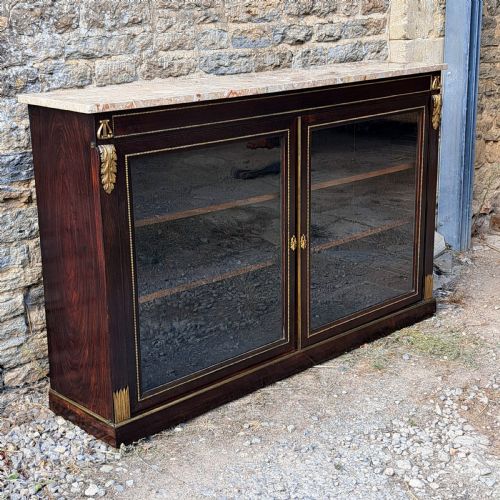
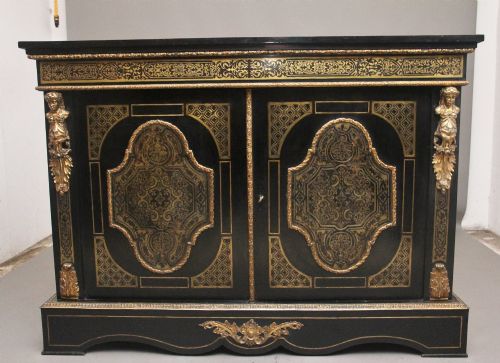
19th Century French Sideboard
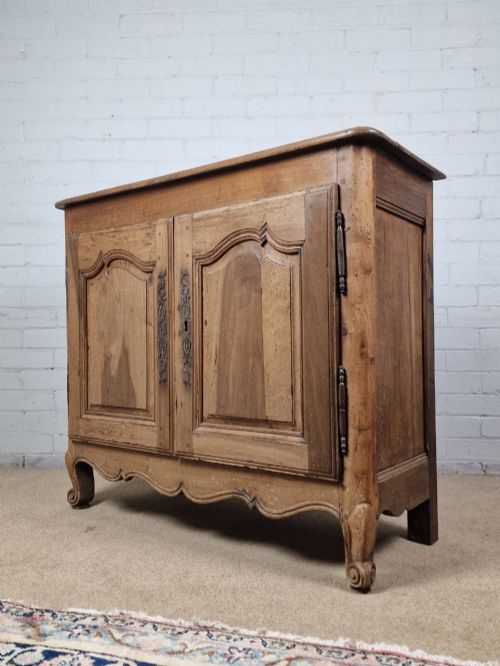
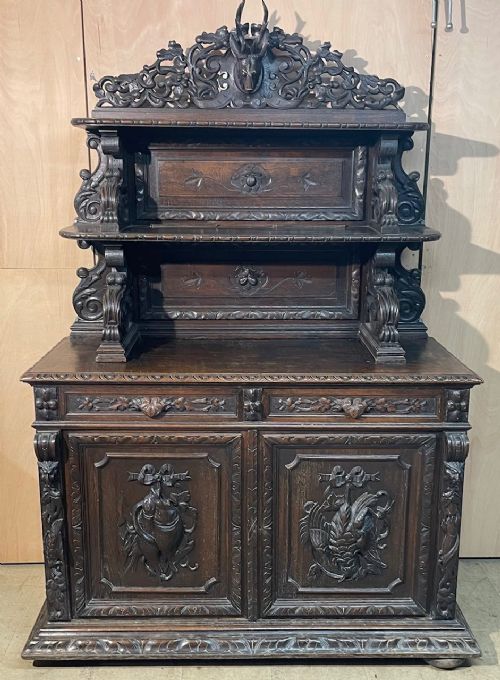
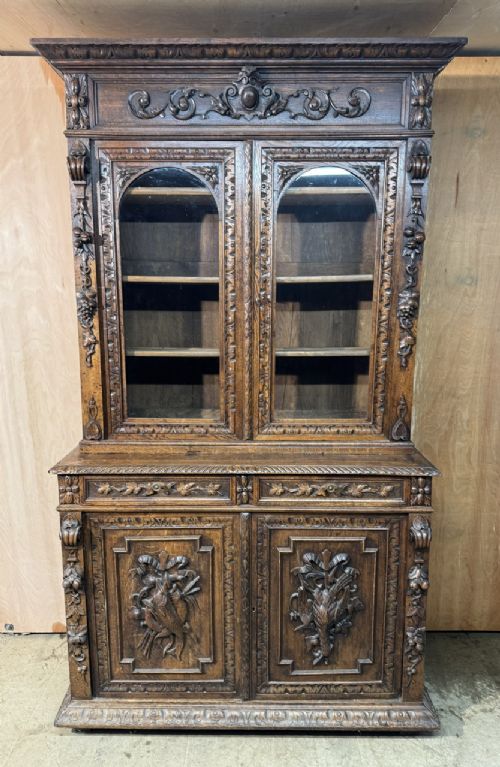
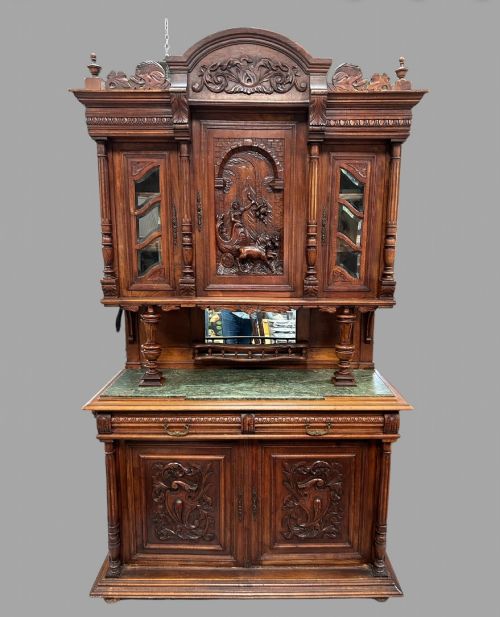
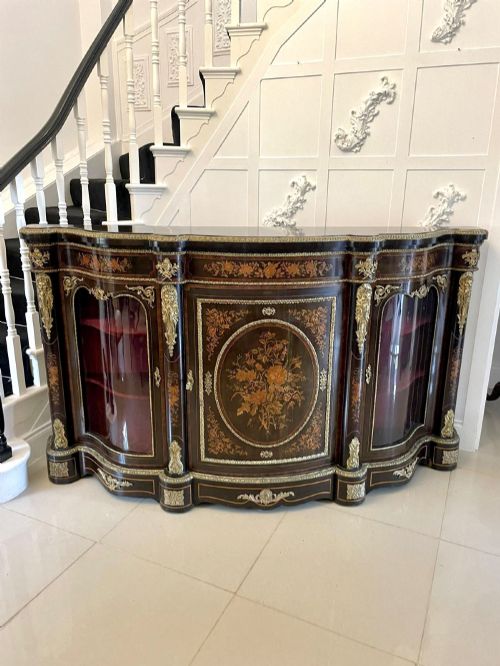
A 19th century french sideboard brings substantial presence and rich timber character into a dining room or hallway.

Forms and Origins
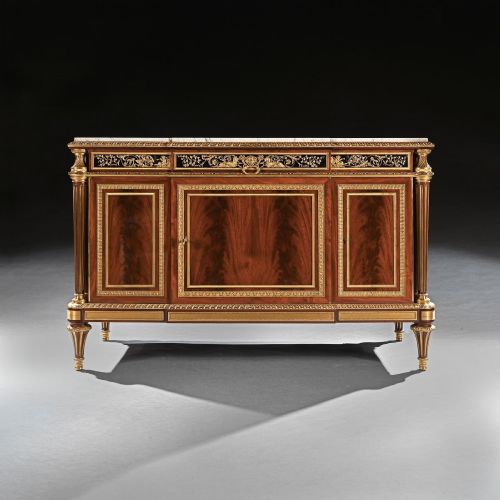
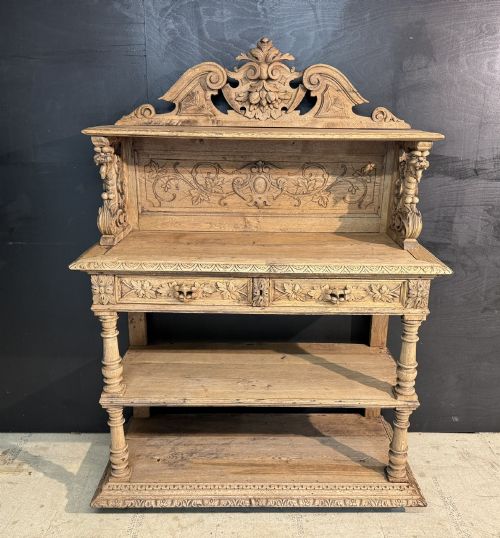
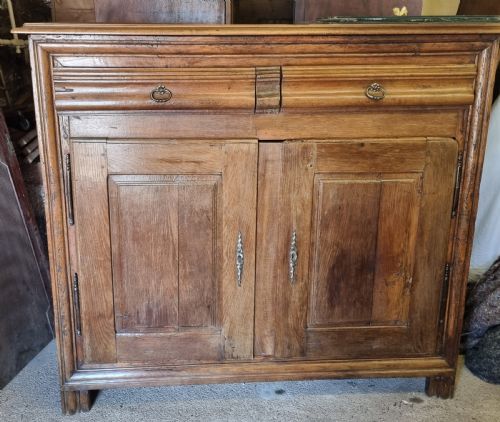
A 19th century french sideboard encompasses a variety of substantial storage forms, including buffets, enfilades, commodes, and dresser bases. These pieces emerge from different regional and stylistic traditions spanning the nineteenth century.
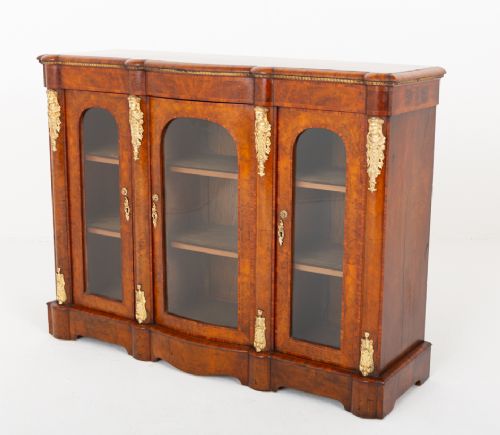
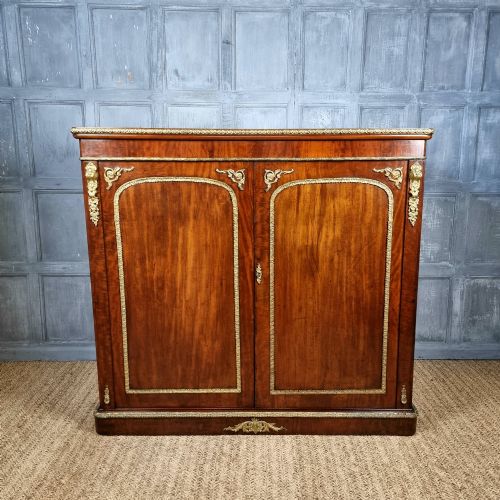
The material palette is broad, featuring oak, walnut, chestnut, cherry wood, pine, tulipwood, and kingwood. Many items incorporate marble tops, brass details, or ormolu mounts to enhance their visual impact.
Stylistic influences range from French Provincial and French Renaissance Revival to Louis XVI Revival and the Empire period. Pieces vary from rustic, hand-carved country constructions to highly formal breakfront and marquetry designs.

Materials and Construction
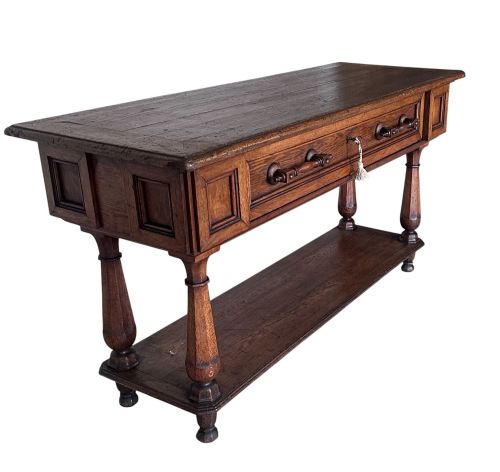
Cabinetmakers utilised native and exotic timbers such as oak, walnut, chestnut, and tulipwood, often shaping them into panelled doors, serpentine fronts, and breakfront commodes. Solid wood construction forms the structural core of these sturdy items.
Surface ornamentation relies on hand-carved panels, brass hardware, ormolu mounts, and occasional hand-painting or marquetry work. Marble tops are fitted directly to the upper surfaces of specific commodes and cabinets for a durable finish.
Retail Price Guide 2026
Typical UK retail prices for 19th century french sideboard, calculated from the Sellingantiques database of over a million retail prices indexed since 2003. This retail price guide relies exclusively on Sellingantiques data; no external sources or auction records are used, so the figures do not describe the wider market.
Judging Quality
Quality rests upon the crispness of the hand-carved panels, the precision of the marquetry, and the integration of ormolu mounts and marble tops. Superior examples display harmonious proportions and careful timber selection across the entire carcass.
The integrity of the original hardware, hinges, and locks contributes significantly to the standing of a piece. Finer items maintain their structural soundness alongside well-preserved surface treatments, whether polished wood or painted decoration.
Melissa White
The 19th Century French Sideboard Glossary
- Enfilade
- A long sideboard or buffet featuring a sequence of doors along the front, commonly found in walnut or oak.
- Ormolu
- Gilded bronze mounts applied as decorative highlights to the corners, friezes, and panels of formal cabinets.
- Marquetry
- The art of applying small pieces of veneer to form decorative patterns and pictures on furniture surfaces.
- Commode
- A low cabinet or chest of drawers, often fitted with a marble top in refined nineteenth-century examples.
- Breaksfront
- A piece of furniture where the central section projects forward from the flanking outer cabinets.
Frequently Asked Questions
How do I clean a marble top?
Wipe the marble surface gently using a soft cloth dampened with warm water and mild, pH-neutral soap. Avoid acidic cleaners or harsh chemicals that can etch or dull the polished stone.
Dry the marble thoroughly with a clean microfibre cloth to prevent water spots and maintain its natural sheen.
Where should I place an enfilade?
An enfilade requires a long, unobstructed wall space, making dining rooms, wide hallways, and spacious living areas ideal locations. Its extended length serves as a strong focal point for displaying lamps or decorative objects.
Ensure the room allows enough clearance for cabinet doors or drawers to open fully without obstruction from nearby furniture.
How do I care for walnut and oak?
Dust the wood regularly with a dry, soft cloth to prevent particle buildup. Apply a quality beeswax periodically to nourish the timber and protect the finish from drying out.
Keep the sideboard away from direct sunlight and heat sources to prevent the wood from warping or splitting over time.
What is a buffet and sideboard?
A buffet and sideboard functions primarily as a dining room storage cabinet for serving dishes, cutlery, and linens. These pieces combine tabletop display space with enclosed cupboards or drawers underneath.
Throughout the nineteenth century, these items evolved from rustic country dressers into highly ornamental architectural furniture.