
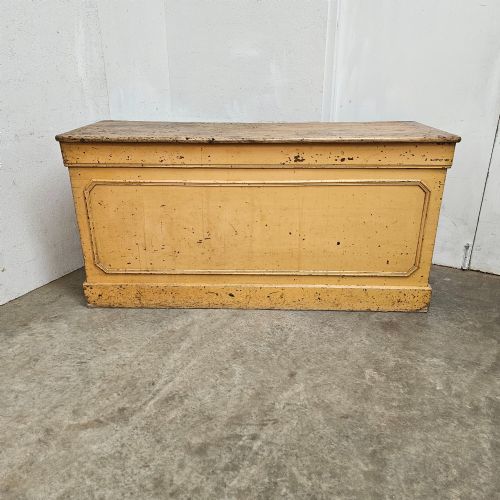
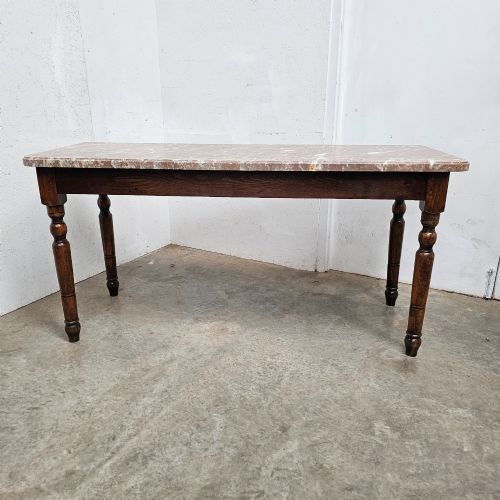


19th Century French Server
These pieces known as a 19th century french server bring regional character and practical surface space to a room.
19th Century French Server
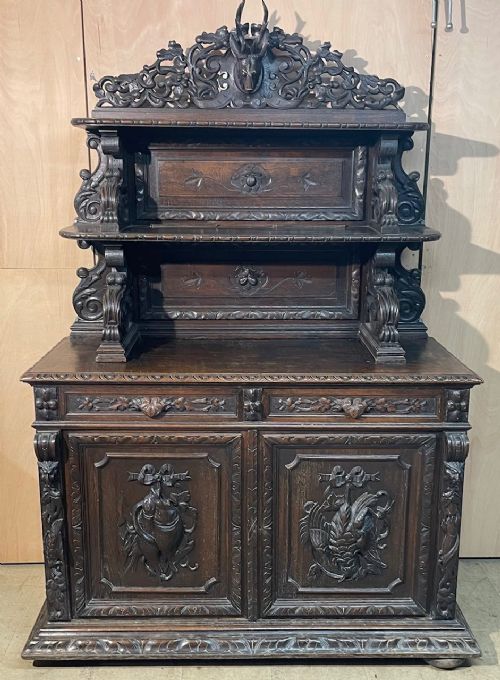
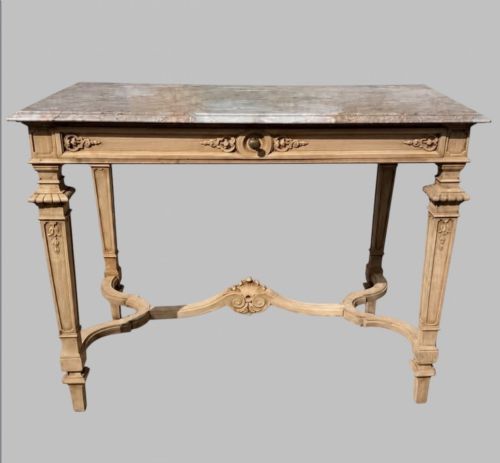
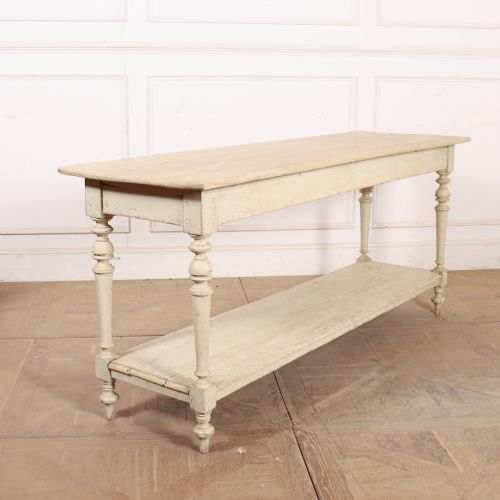
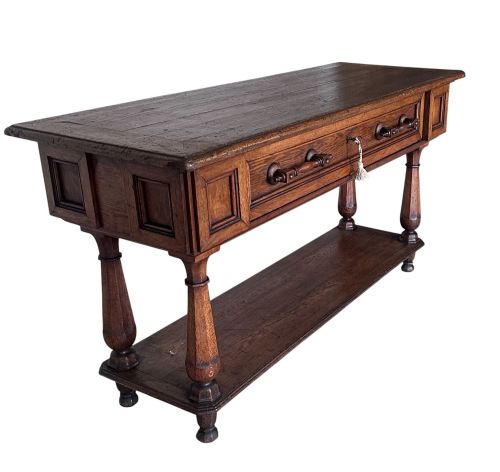
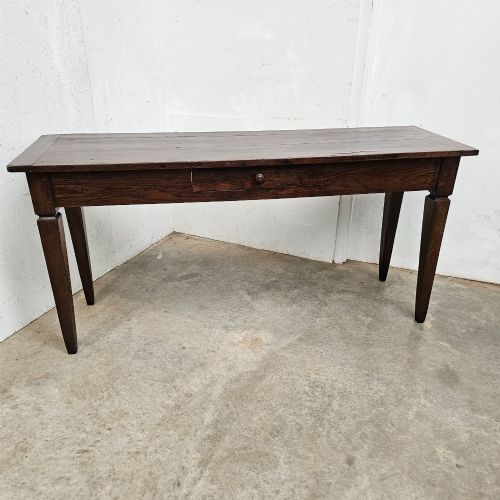
A 19th century french server encompasses a broad range of dining and serving furniture from sideboards and buffets to console and serving tables. These pieces emerge from various regional traditions, including French Provincial, Louis Philippe, and Empire styles.
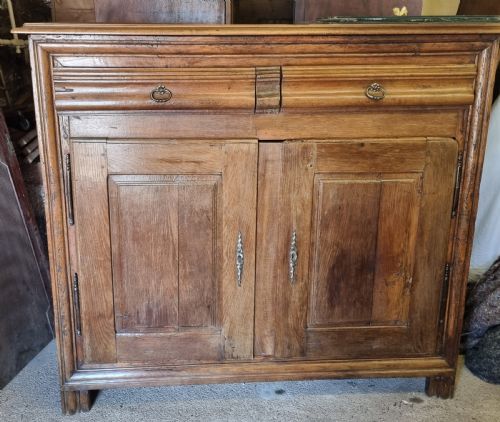
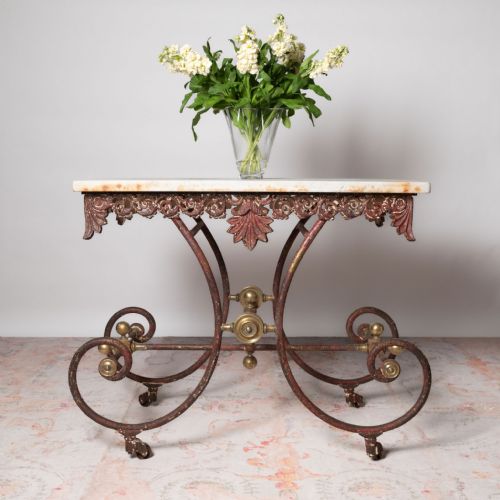
The selection frequently includes chestnut, oak, and cherrywood servers alongside marble-topped tables and dresser bases. Buyers often encounter pieces designed for practical use in country houses, manor kitchens, and formal drawing rooms alike.
How They Were Made
Cabinet makers utilised solid regional timbers such as oak, walnut, cherrywood, and chestnut, often pairing wooden frames with heavy polished marble slabs. Joinery relies on traditional pegged mortise and tenon construction, demonstrating robust carpentry intended for daily domestic life.
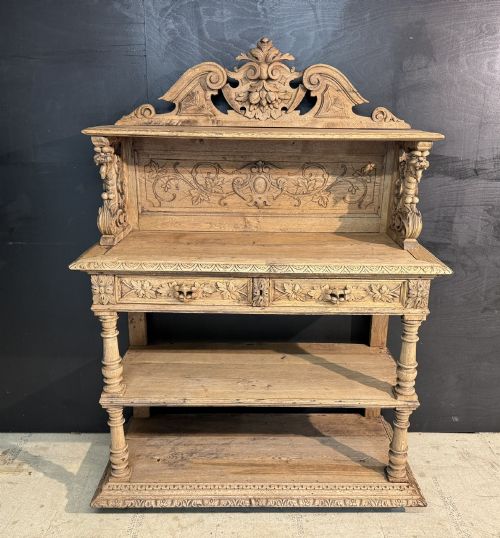
Surface treatments vary from natural waxed finishes and bleached oak to original painted layers on pine and fruitwood furniture. Metal mounts and handles in brass frequently complement the woodwork across Empire and Renaissance Revival designs.
Listings feature oak, walnut, cherrywood, chestnut, and marble across multiple regional French styles.
What Varies in Quality
The standard of carving and timber selection dictates the distinction between standard provincial utility pieces and high-status formal furniture. Crisp hand-chiselled relief work on walnut and oak reveals the hand of a skilled artisan rather than mass production.
Originality of surface finish and hardware substantially influences the character of a piece. Retained original paintwork, intact marble tops without repairs, and matching period brass mounts elevate the standing of a server.
Philippe Berthier
The 19th Century French Server Glossary
- Server
- A low cabinet or table designed specifically for holding food and serving dishes during meals. These items sit comfortably in dining rooms and hallways.
- Dresser Base
- The lower section of a traditional kitchen or dining dresser, featuring drawers and cupboards beneath a flat wooden working top. Such pieces function effectively as standalone sideboards.
- Console Table
- A decorative table designed to stand flat against a wall, frequently topped with marble. They provide narrow surface areas for display.
- Chiffonier
- A compact multi-drawer and cupboard cabinet popular during the nineteenth century. These items offer enclosed storage for tableware and linens.
- Fruitwood
- Timber sourced from fruit-bearing trees such as pear or apple, utilised extensively by provincial cabinet makers. The wood yields a warm tone and fine grain.
19th Century French Server: Frequently Asked Questions
How were these servers used?
Nineteenth-century servers functioned as practical staging areas for food, wine, and tableware during family meals and gatherings. They provided accessible surface space and enclosed storage within the dining room or kitchen.
In larger domestic settings, grander buffet servers displayed silver and porcelain items. Simpler fruitwood and chestnut versions accommodated the daily demands of farmhouse and provincial kitchens.
Where should I place a server?
A server fits naturally against a dining room wall to hold serving dishes or store glassware and linens. Their shallow depth also makes them suitable for narrow hallways and living spaces.
Marble-topped variants require stable placement away from direct heat sources to protect the stone and timber frames. Pairing the piece with a mirror or painting creates a balanced focal point in a room.
What defines the regional styles?
Regional styles reflect the local materials and craftsmanship of specific French areas, from provincial oak designs to refined Louis Philippe pieces. Provincial furniture tends to emphasise sturdy construction and practical utility.
Revival styles incorporate classical motifs inspired by earlier French periods, including Empire and Renaissance details. These decorative elements distinguish formal urban cabinets from rustic country pieces.