
French Walnut Dresser
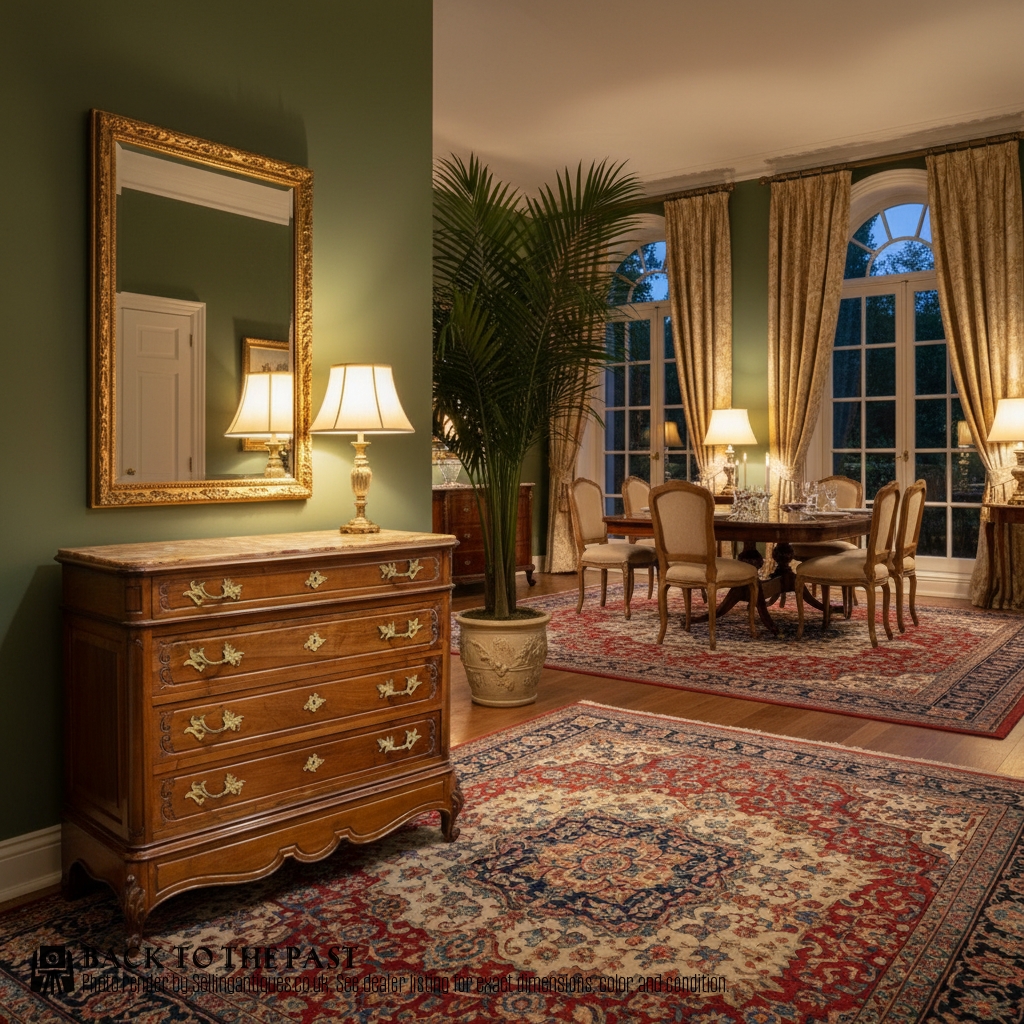
A French walnut dresser brings substantial timber and continental storage to a room, offering deep drawers and display space shaped by centuries of provincial and court design.
French Walnut Dresser
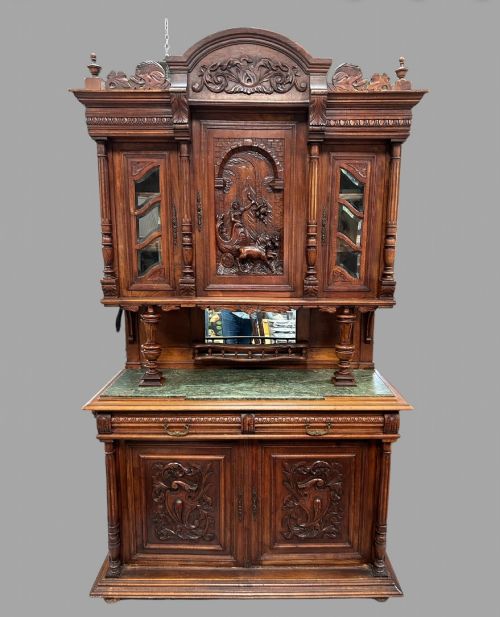
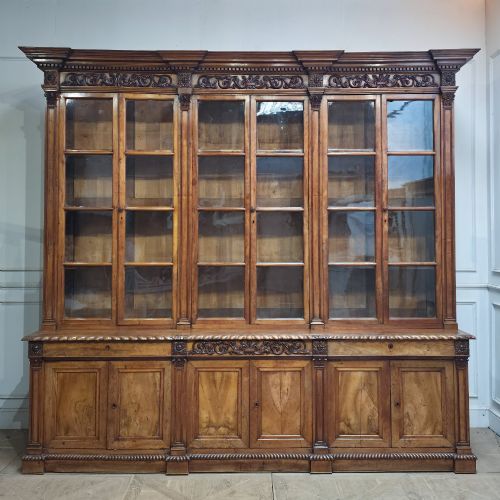
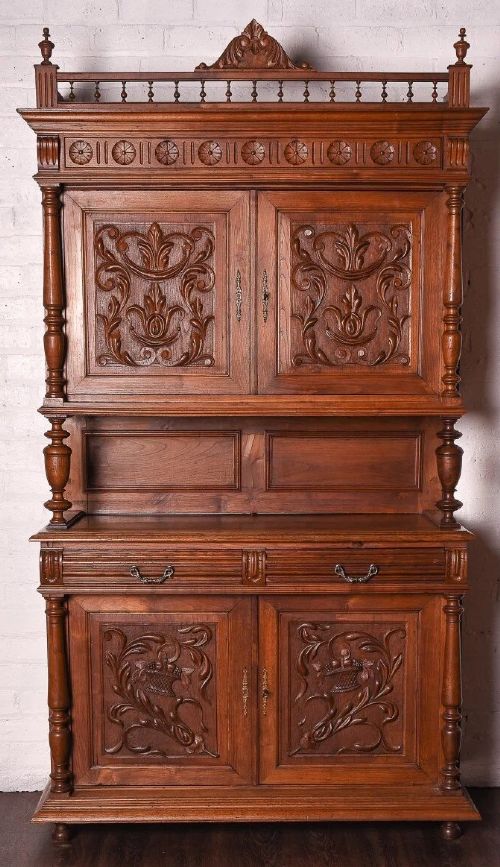
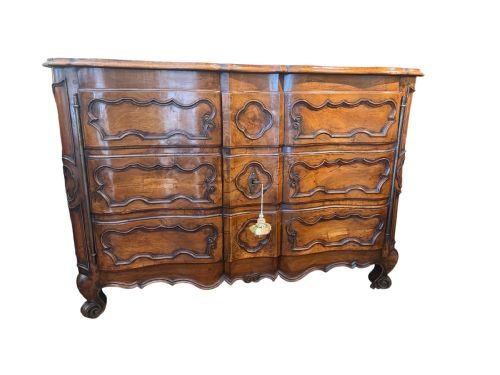
When searching for a french walnut dresser, a buyer encounters a diverse group of storage furniture spanning several centuries. The selection ranges from grand provincial buffet du corps designs with upper glazed cabinets to lower serving bases and commode chests.
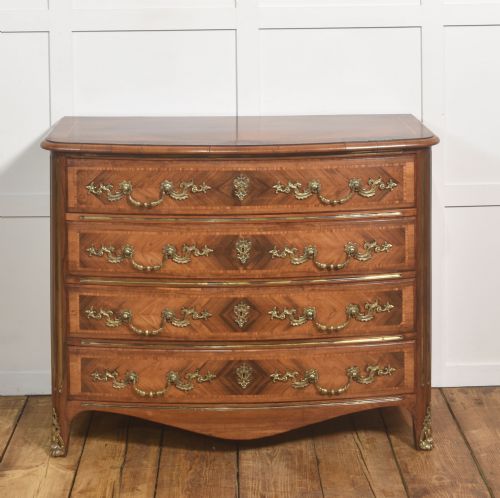
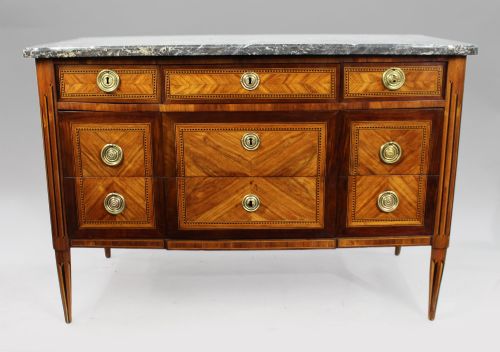
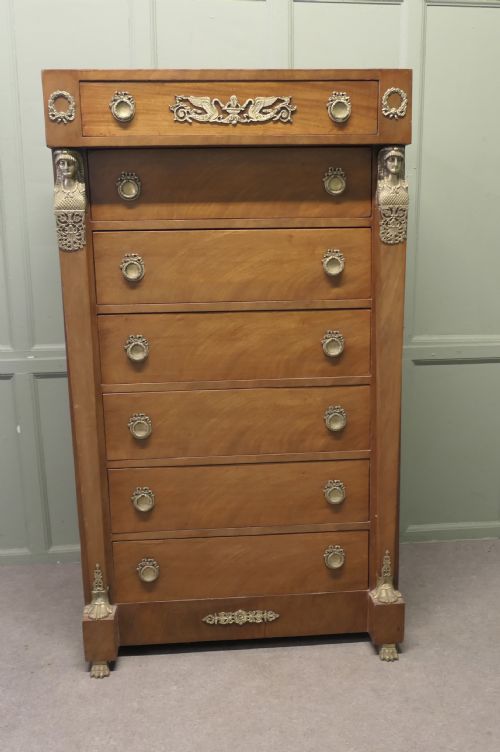
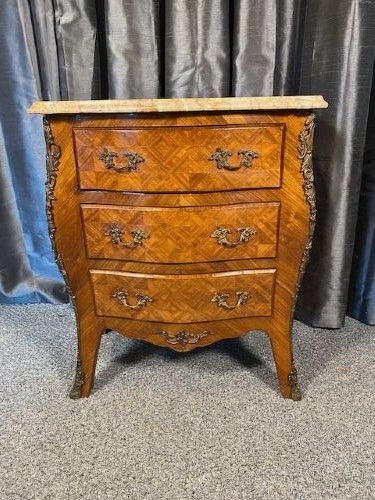
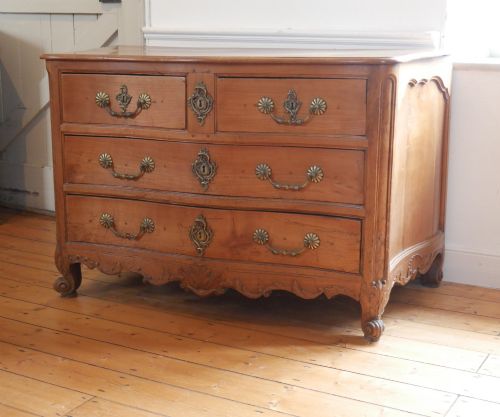
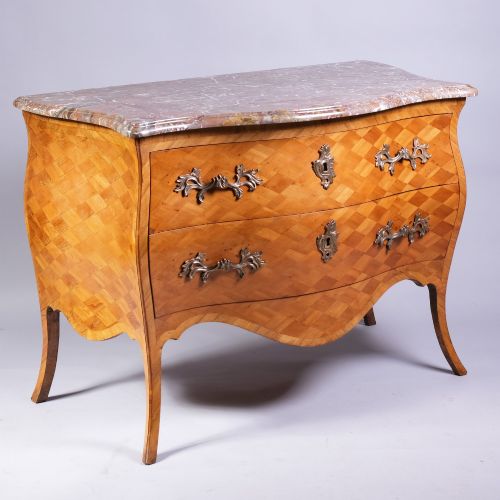
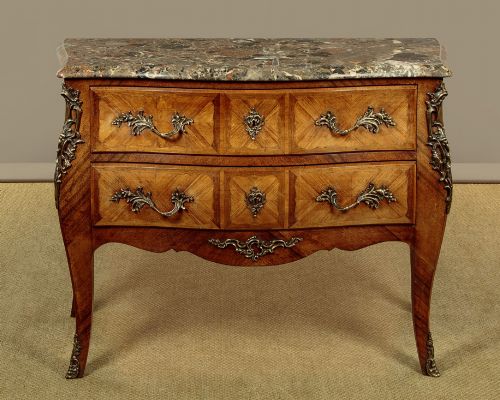
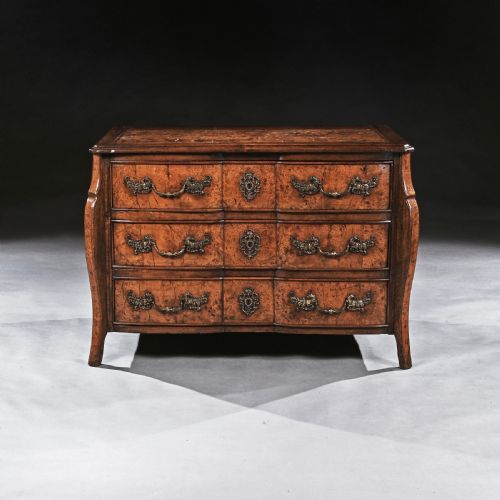
Most examples originate from provincial workshops or city cabinet makers, drawing on Louis XV, Louis XVI, and Empire styles. Pieces manifest as serpentine chests, marble-topped commodes, and tall kitchen dressers intended for utilitarian storage and display.
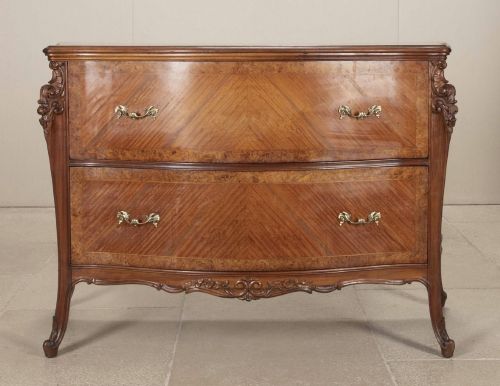
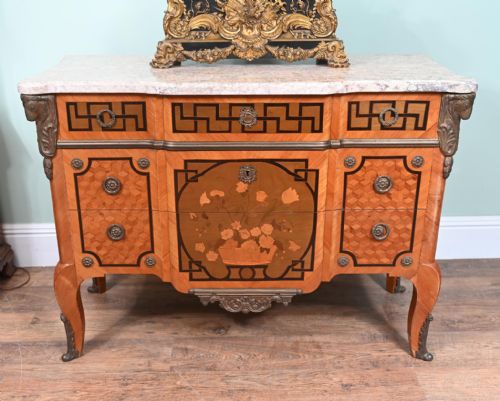
The material vocabulary relies heavily on walnut and burr walnut, frequently paired with contrasting marquetry and parquetry. These forms serve as functional focal points in dining rooms, kitchens, and hallways, retaining their original continental proportions.
How they were made
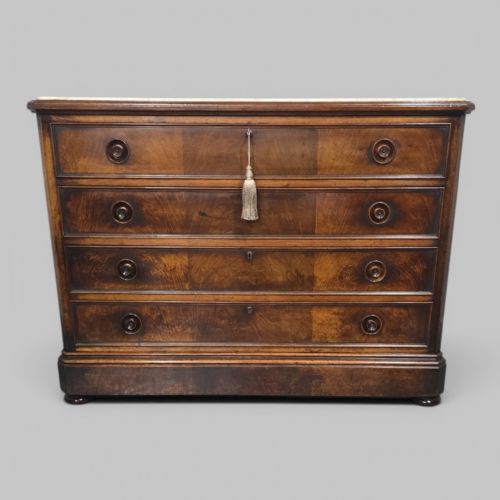
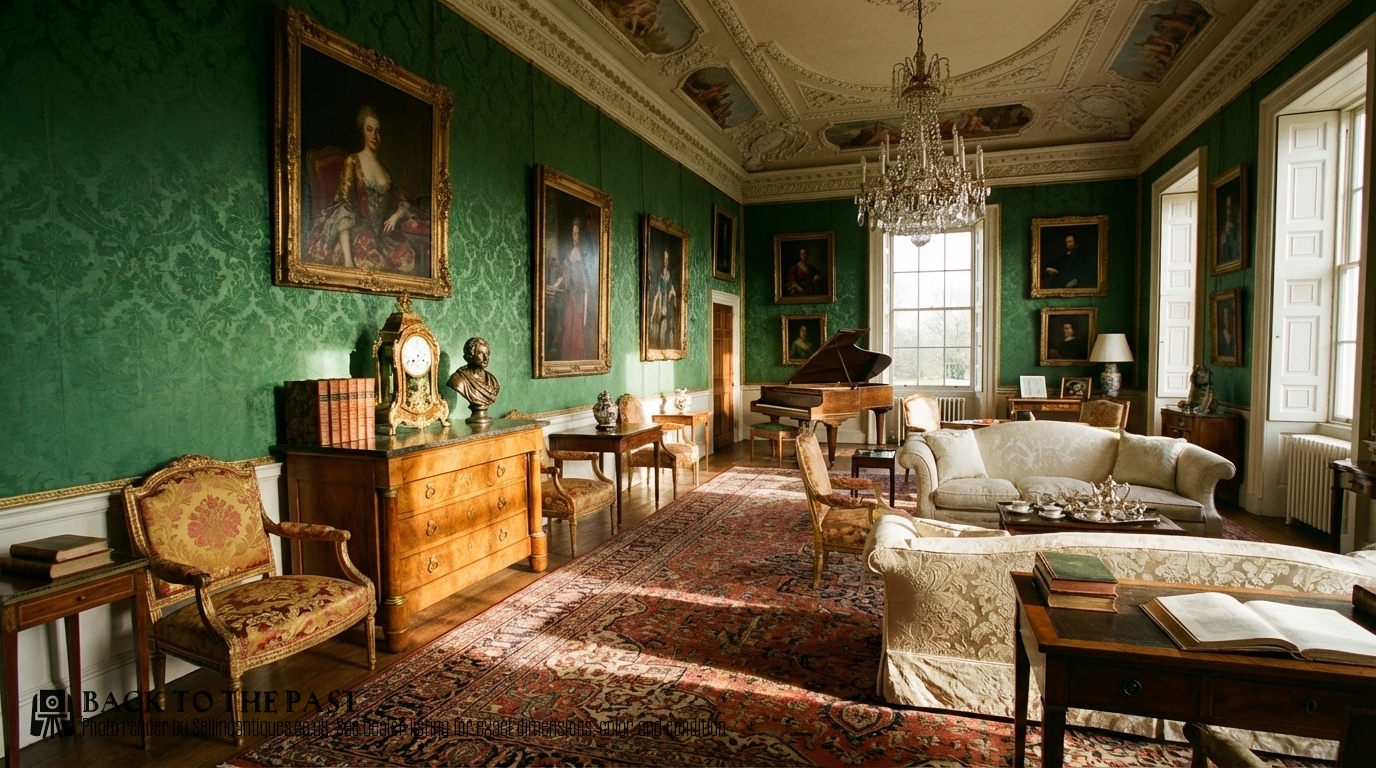
Construction relies upon solid walnut framing combined with figured burr walnut veneers applied to carcases of native timber. Joinery is executed with hand-cut dovetails for drawers and mortise-and-tenon joints for the structural framework of cabinets and dressers.
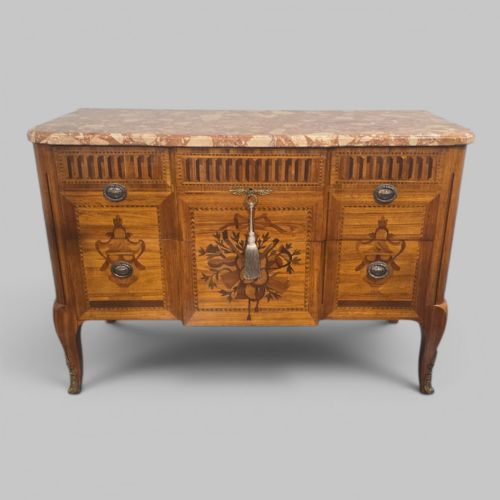
Surface ornamentation integrates intricate marquetry and geometric parquetry patterns using contrasting woods like kingwood and satinwood. Many tops incorporate fitted slabs of marble, while doors and drawers receive cast or chased ormolu mounts and brass hardware.
French Walnut Dresser Retail Price Guide 2026
Typical asking prices for french walnut dresser among the pieces listed under this phrase on Sellingantiques today, from the lower quarter to the upper quarter. They describe what is for sale here now, not the wider market.
Several game cabinets recorded in the archive suggest that even dining storage was once expected to accommodate recent hunting triumphs.
What varies in quality
The caliber of a piece rests upon the selection of timber and the precision of its veneer work. Figured burr walnut and complex multi-wood parquetry denote higher workshops, whereas plain domestic walnut indicates simpler provincial production.
Execution of carved details and the weight of cast ormolu mounts signal the distinction between standard utility furniture and high-style cabinet making. Original marble tops, intact brass handles, and smooth drawer operation further separate superior examples from more altered pieces.
The French Walnut Dresser Glossary
- Commode
- A low chest of drawers or cupboard, often featuring a marble top and cabriole legs. These pieces originated in France during the seventeenth century as fashionable bedroom or reception room storage.
- Marquetry
- The art of applying decorative veneer pieces in wood, ivory, or shell to form pictorial or geometric designs. Artisans cut these thin sections meticulously to fit flush across drawer fronts and table tops.
- Parquetry
- Geometric wood inlay forming repeating patterns such as cubes, lozenges, or herringbones across a surface. This technique showcases the natural grain direction and varied tones of walnut and kingwood.
- Ormolu
- Gilded bronze mounts applied to furniture edges, corners, and feet for decorative accent. The technique involves treating brass or bronze with a mercury-gold amalgam before firing.
- Serpentine
- A curved line shape featuring a convex centre flanked by concave curves. This contour appears frequently on the front edges of commodes and sideboard tops to create visual movement.
- Buffet du Corps
- A large provincial storage cabinet featuring a lower sideboard base surmounted by an upper display section. These items formed the central storage and display unit in traditional rural French dining spaces.
French Walnut Dresser: Frequently Asked Questions
How do I identify a provincial piece?
Provincial pieces typically exhibit simpler, heavier proportions and regional timber selections compared to court furniture. They focus on functional utility while retaining local craftsmanship traditions.
Carved details tend to be more rustic, and construction often uses native woods alongside walnut framing to create sturdy everyday furniture.
Are marble tops original?
Many commodes and sideboards feature fitted marble tops in white, grey, or veined varieties. These slabs were commonly specified for serving surfaces and hygienic food preparation.
Examining the underside and the seating rebate helps determine whether the marble slab belongs to the original construction period of the carcase.
How do I care for walnut furniture?
Walnut surfaces benefit from stable room environments away from direct heat sources and strong sunlight to prevent timber movement. Regular dusting with a soft, dry cloth preserves the polished finish.
Applying occasional specialist wax feeds the timber and maintains the natural lustre of veneered and solid surfaces without building up heavy residues.