

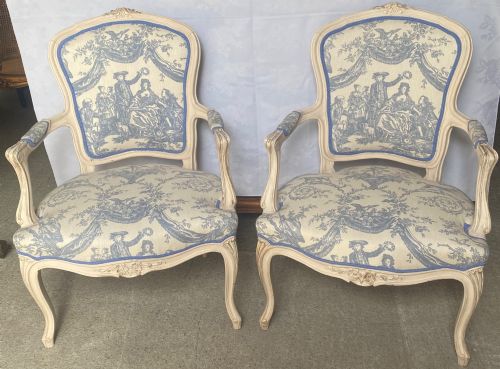
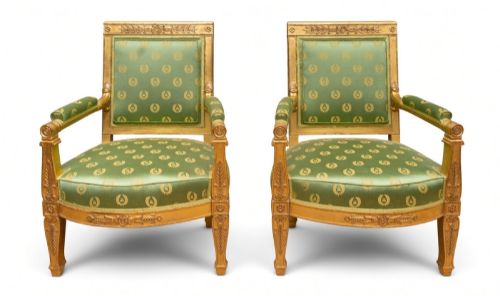
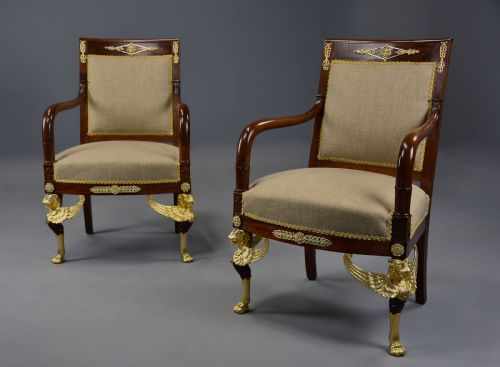
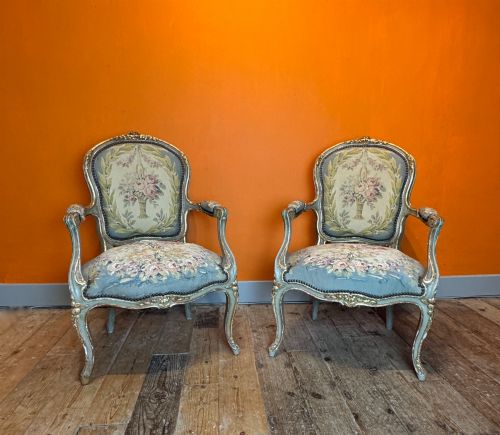
19th Century Fauteuil Pair
A 19th century fauteuil pair brings symmetry and historic seating to a room, offering upholstered comfort alongside carved woodwork.
19th Century Fauteuil Pair
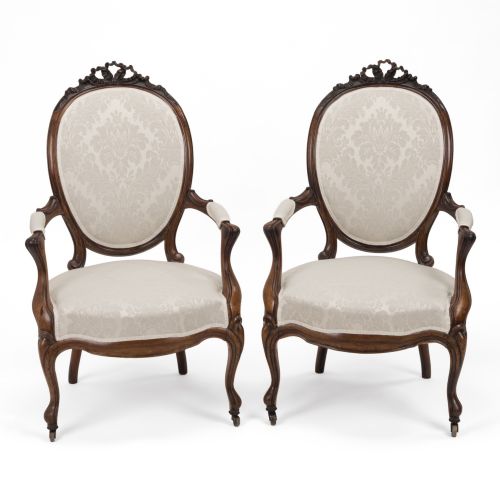
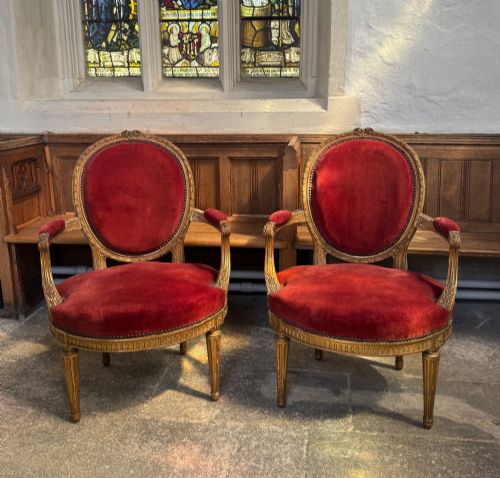
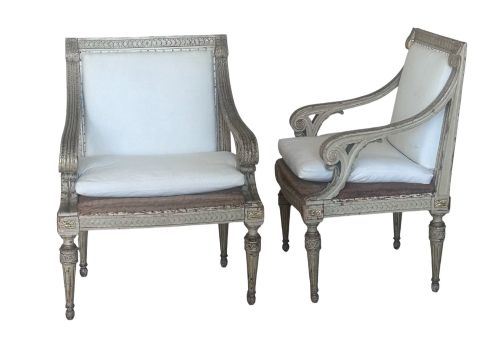
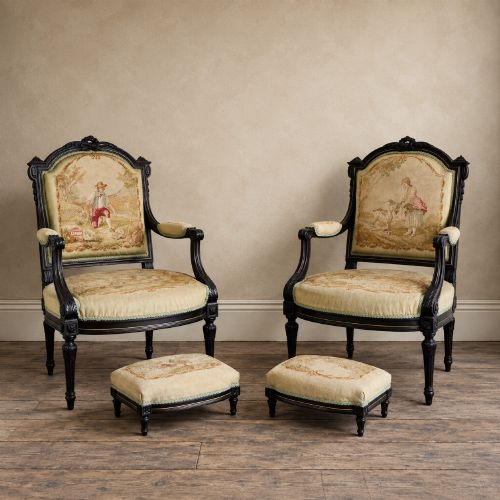
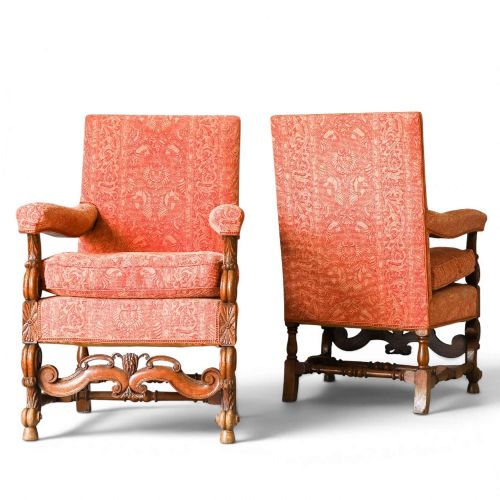
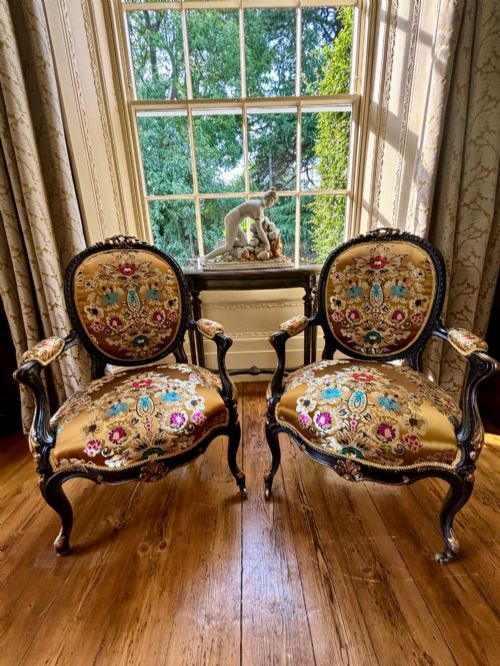
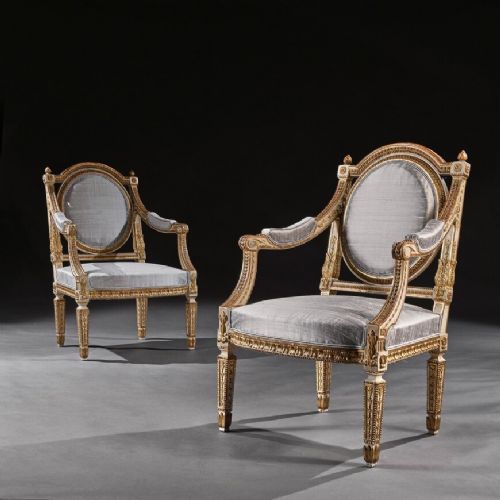
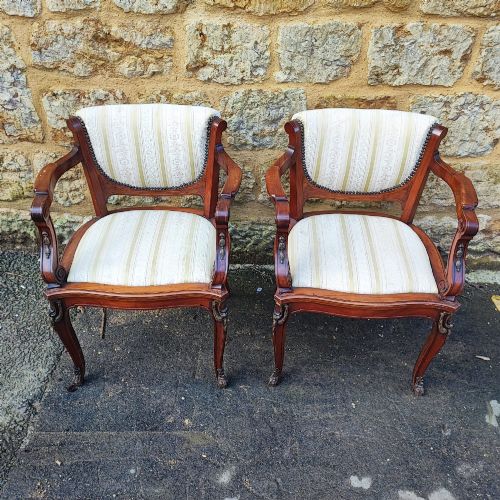
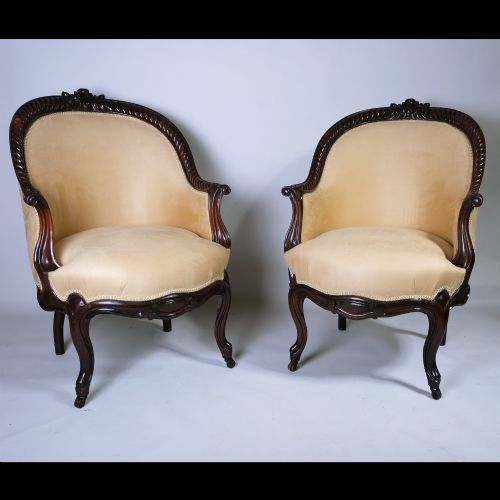
A 19th century fauteuil pair comprises matched open-armed seating originating primarily from France, designed for the salon and formal reception rooms. These chairs combine upholstered panels on the seat, back, and armrests with exposed wooden frames that showcase period decorative styles.
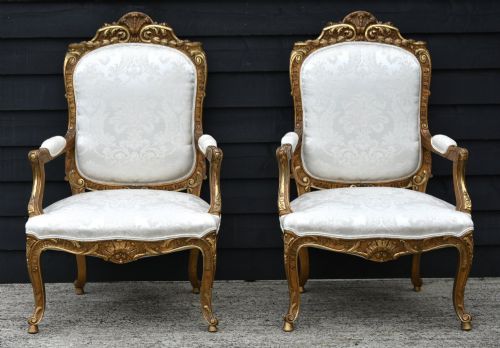
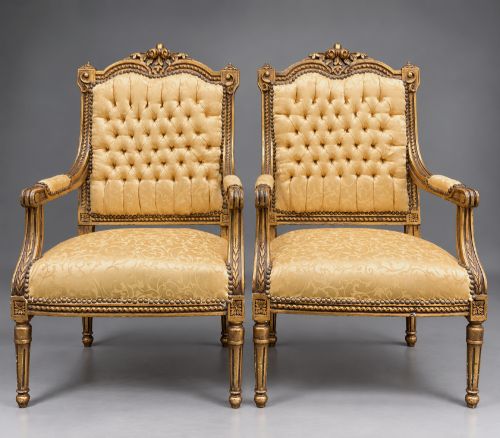
Buyers frequently encounter examples created during revival movements, particularly embracing Louis XV, Louis XVI, and Empire aesthetics. Variants span from gilded parlor seating to walnut and mahogany library chairs.
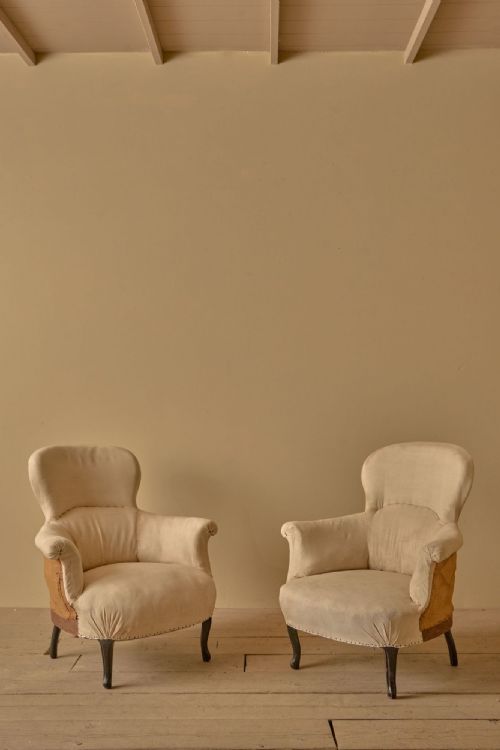
Makers often produced these seats as components of larger salon suites or as distinct matched pairs for formal symmetrical placement. Their scale ranges from compact bedroom chairs to large throne-like armchairs.
Materials and construction methods
Frames rely on hardwoods such as beech, walnut, mahogany, and oak, frequently shaped through steam-bending and detailed hand carving. Giltwood and painted finishes appear extensively, sometimes augmented by parcel-gilding over gesso or paint.
Upholstery techniques historically utilised traditional stuffing methods, supporting period fabrics including silk, velvet, tapestry, needlework, and leather. Brass tacks and decorative gimp trim secure the textile edges to the wooden framework.
19th Century Fauteuil Pair Retail Price Guide 2026
Typical asking prices for 19th century fauteuil pair among the pieces listed under this phrase on Sellingantiques today, from the lower quarter to the upper quarter. They describe what is for sale here now, not the wider market.
Listings demonstrate frame materials spanning giltwood, brass, walnut, velvet, beech, mahogany, and oak across multiple revival styles.
Distinctions in craftsmanship
The crispness and depth of the hand-carved floral, scrolling, or neoclassical motifs across the wooden frame indicate the skill of the original maker. Substantial joinery and heavier proportions denote higher grade seating intended for formal reception spaces.
The preservation of original gilding, paint, and period-appropriate textiles elevates the standing of a pair. Cohesion between the two chairs, ensuring identical carving details and balanced wood grain, dictates desirability.
Jacob Desmalter·Holland And Sons
The 19th Century Fauteuil Pair Glossary
- Fauteuil
- An open-armed upholstered armchair originating in France, traditionally featuring exposed wooden framing around the backrest and armpads.
- Giltwood
- Timber coated with a thin layer of gold leaf applied over a prepared gesso ground. This finish was widely utilised on formal salon seating during revival periods.
- Ormolu
- Gilded bronze mounts applied to furniture frames, frequently encountered on Empire style pieces. The metalwork provides decorative contrast against dark mahogany or walnut.
- Parcel Gilt
- A decorative treatment where specific carved portions of a painted or stained wooden surface are highlighted with gold leaf. It adds selective brilliance to the frame.
- Restauration
- A French design period bridging the Empire style and later revivals, spanning the early decades of the nineteenth century. Pieces from this era often display restrained neoclassical lines.
19th Century Fauteuil Pair: Frequently Asked Questions
What is a fauteuil?
A fauteuil is an open-arm upholstered chair where the wooden frame remains visible around the back and sides. These seats were built for formal rooms and salons.
The open arm design distinguishes them from fully upholstered armchairs, allowing the carved wood to form part of the decoration.
How do I identify Louis XV and Louis XVI styles?
Louis XV style armchairs show flowing asymmetric lines, curved cabriole legs, and organic rococo carving. They lean towards softness and fluid movement.
Louis XVI style chairs feature straight fluted legs, geometric shapes, and neoclassical symmetry with oval or rectangular backs.
Were these chairs always made in pairs?
Makers constructed many salon chairs in matched pairs or larger sets to furnish symmetrical spaces in nineteenth-century homes. Pairs allowed balanced placement flanking a fireplace or console table.
Individual chairs occasionally survived separately, but finding a matched pair preserves the intended decorative layout.
What woods were used for the frames?
Cabinetmakers selected dense hardwoods such as walnut, mahogany, beech, and oak to support the structural weight and carving. Softer woods like beech also accepted paint and gilding effectively.
Exotic timbers such as goncalo Alves and rosewood appear in select decorative examples from the period.